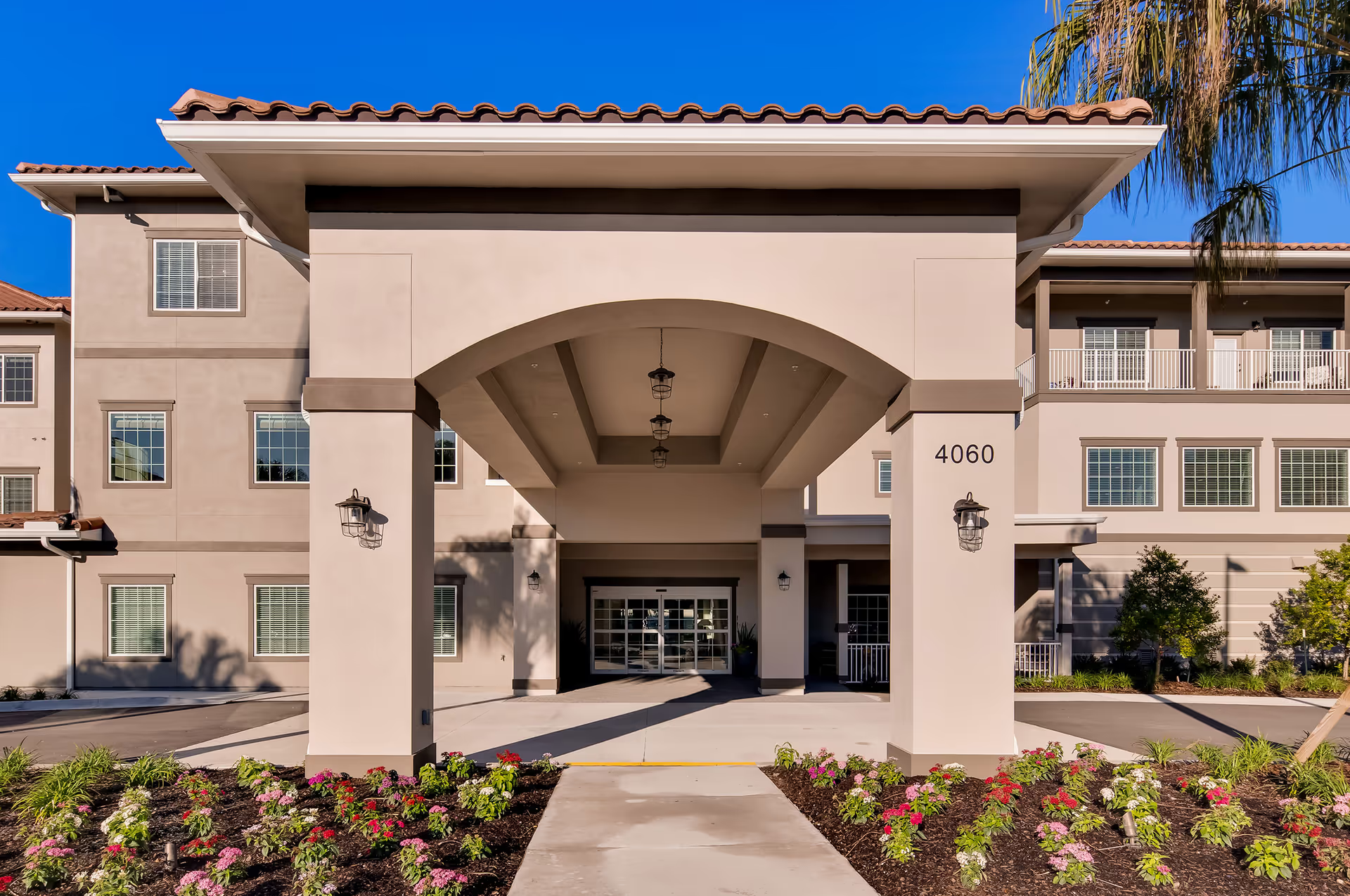
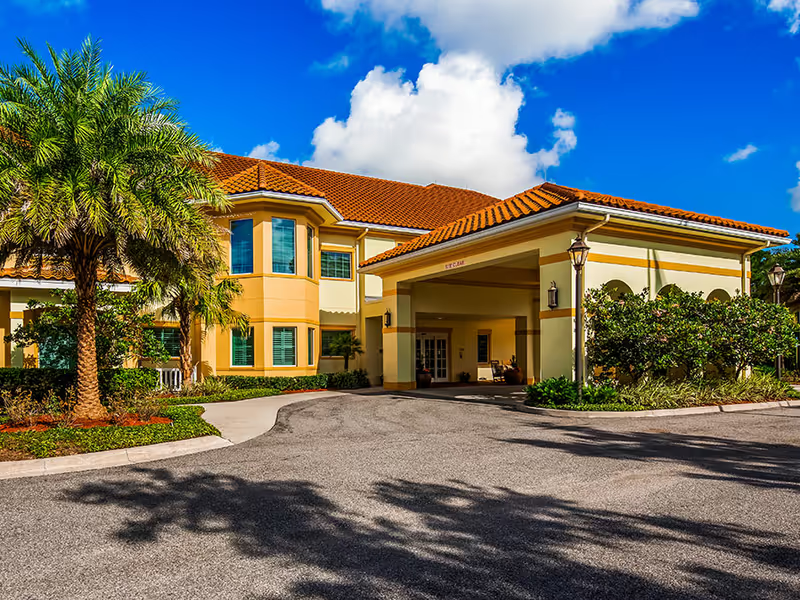
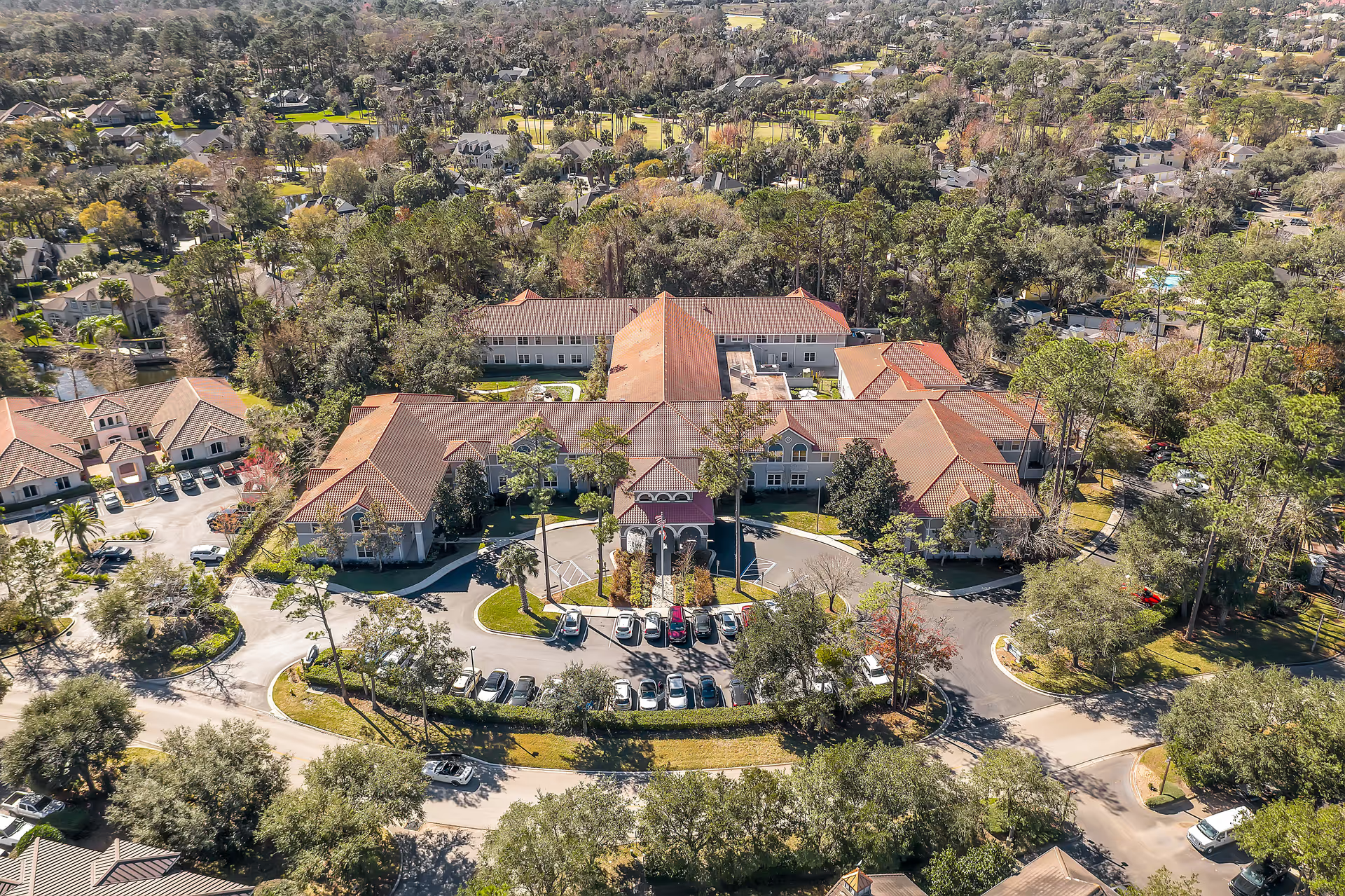
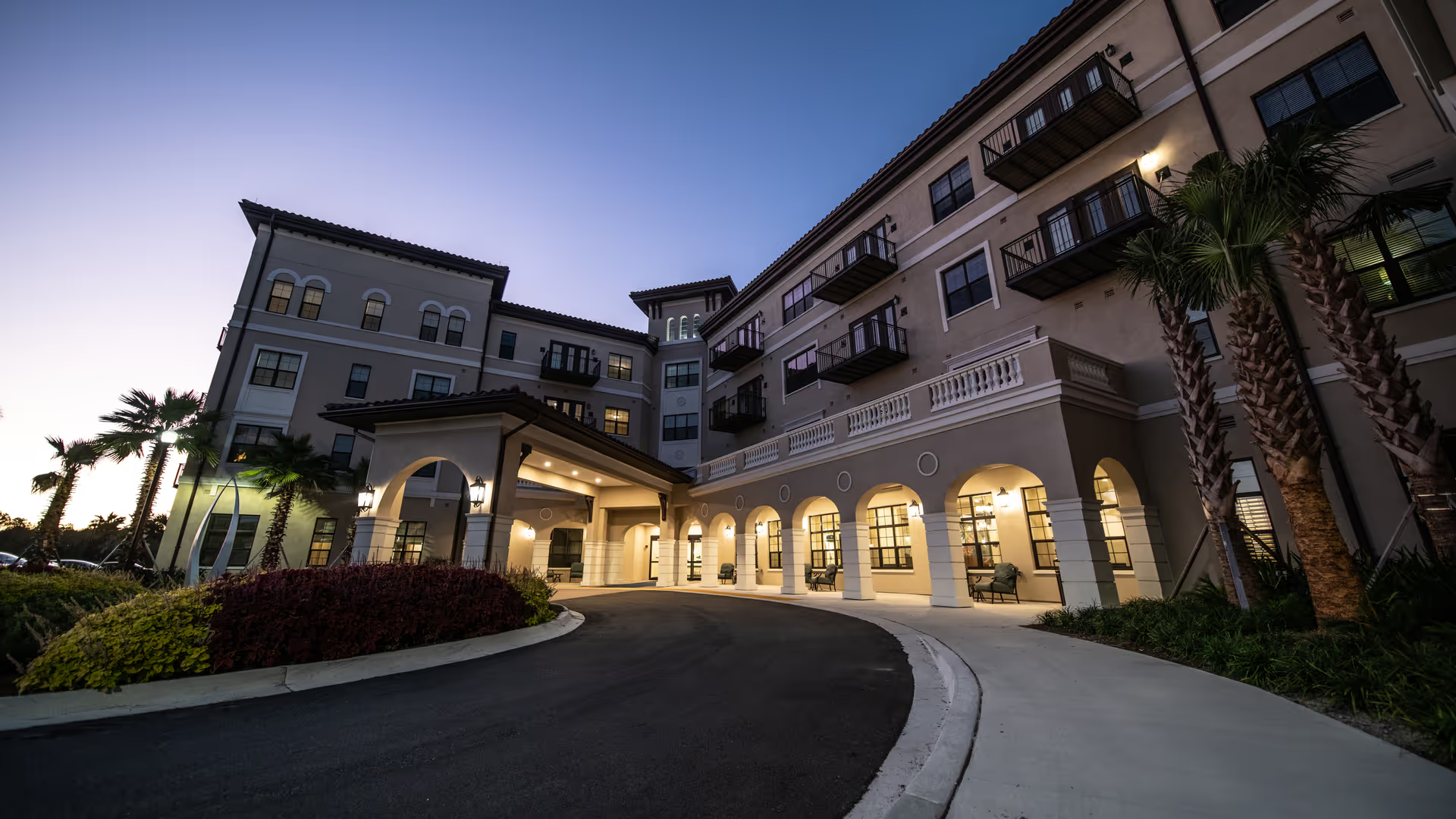
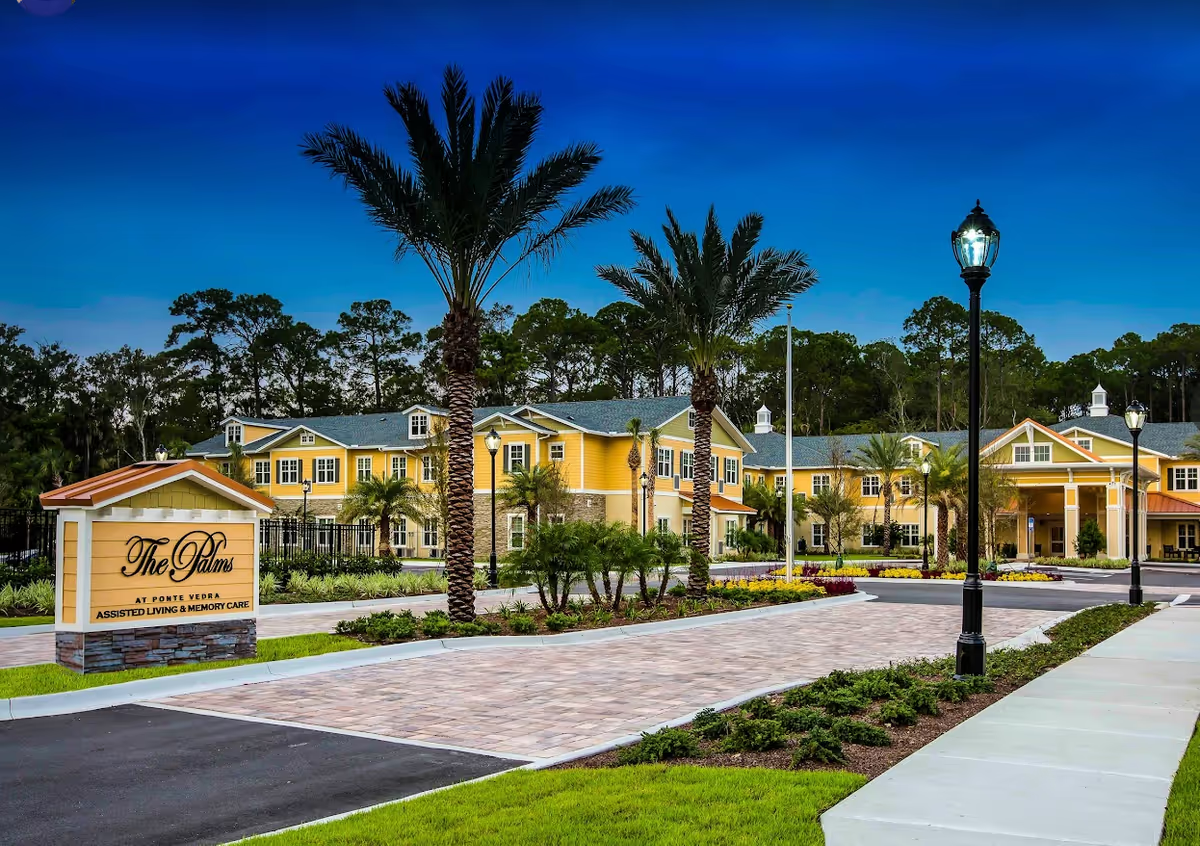
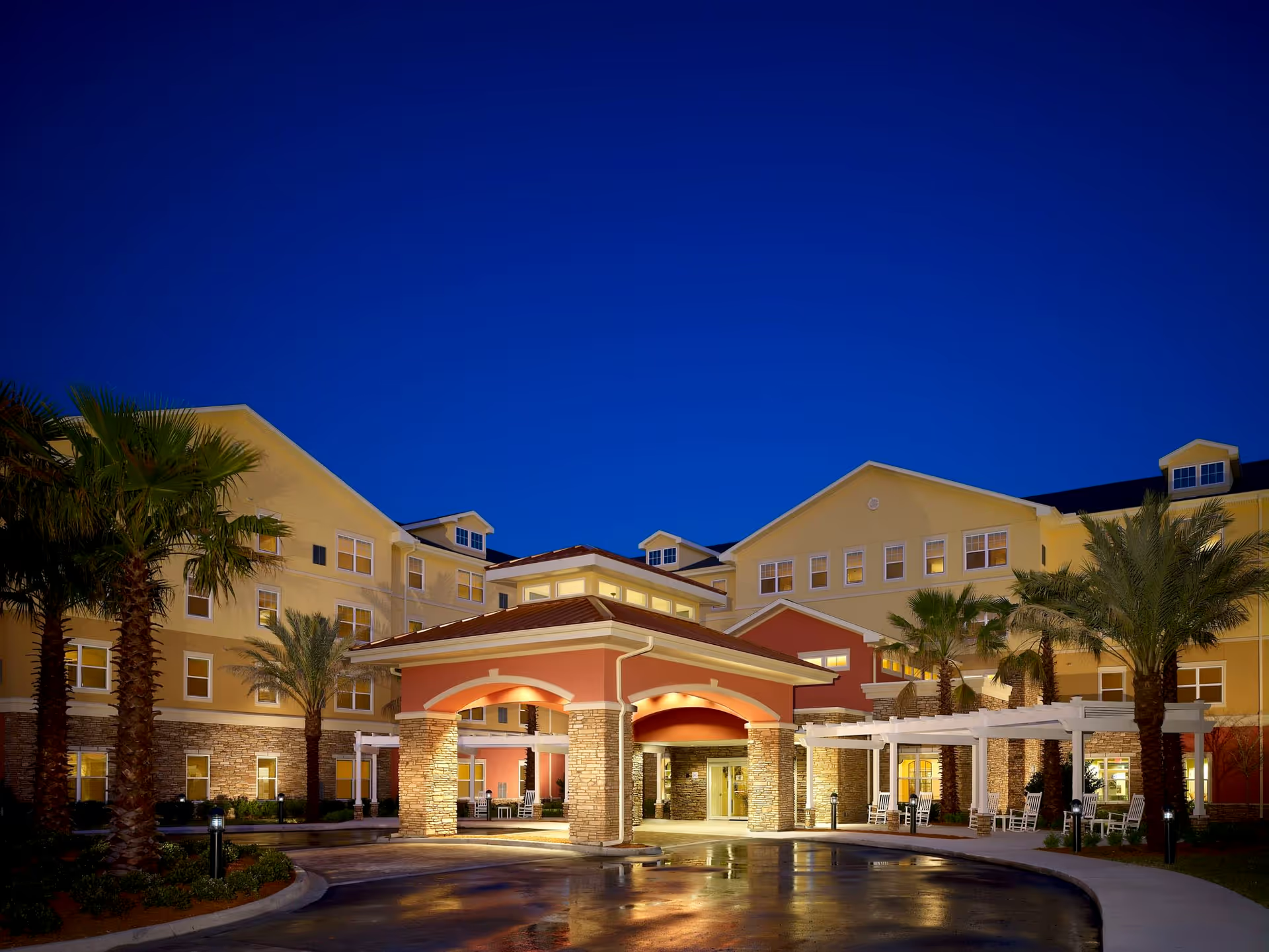
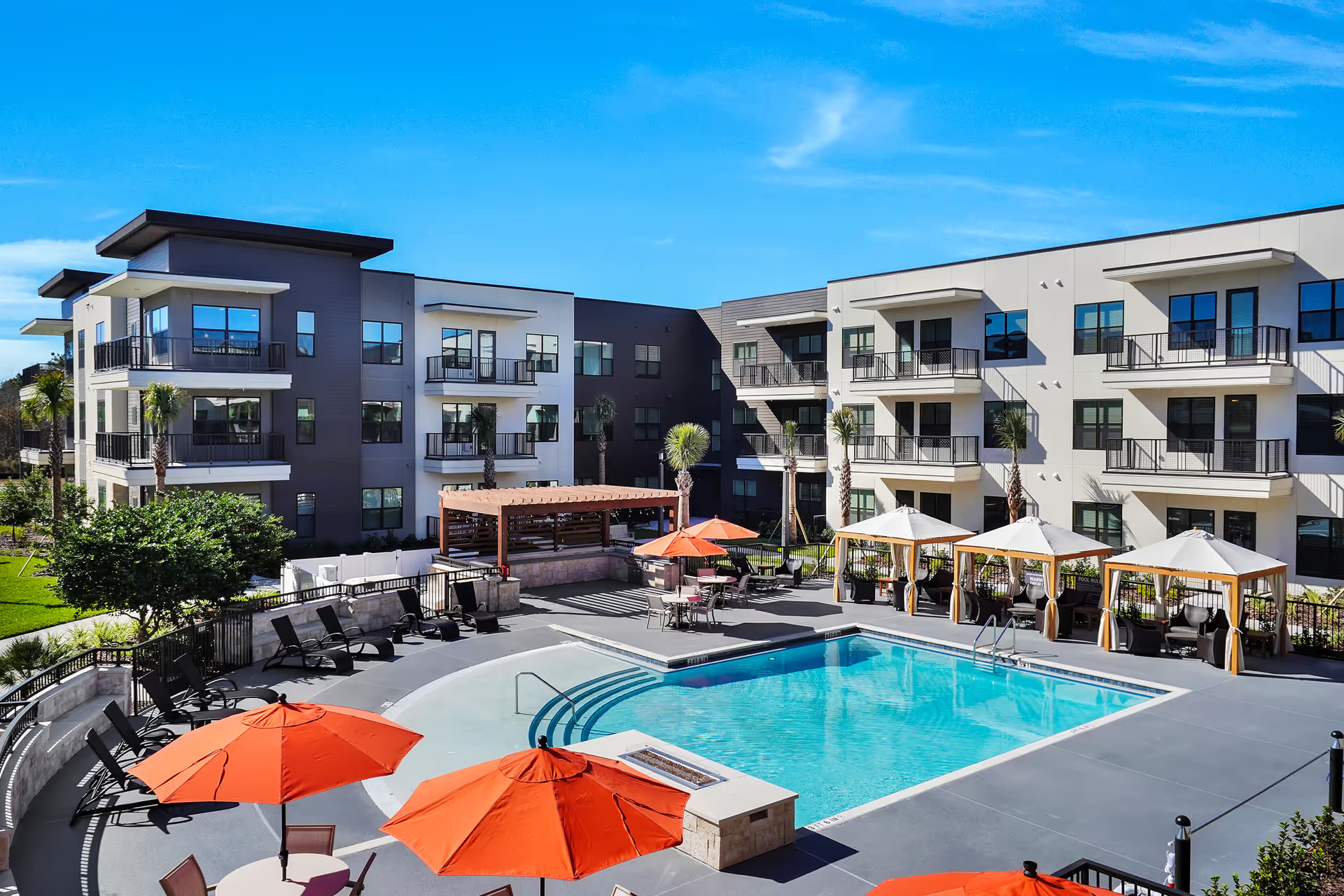
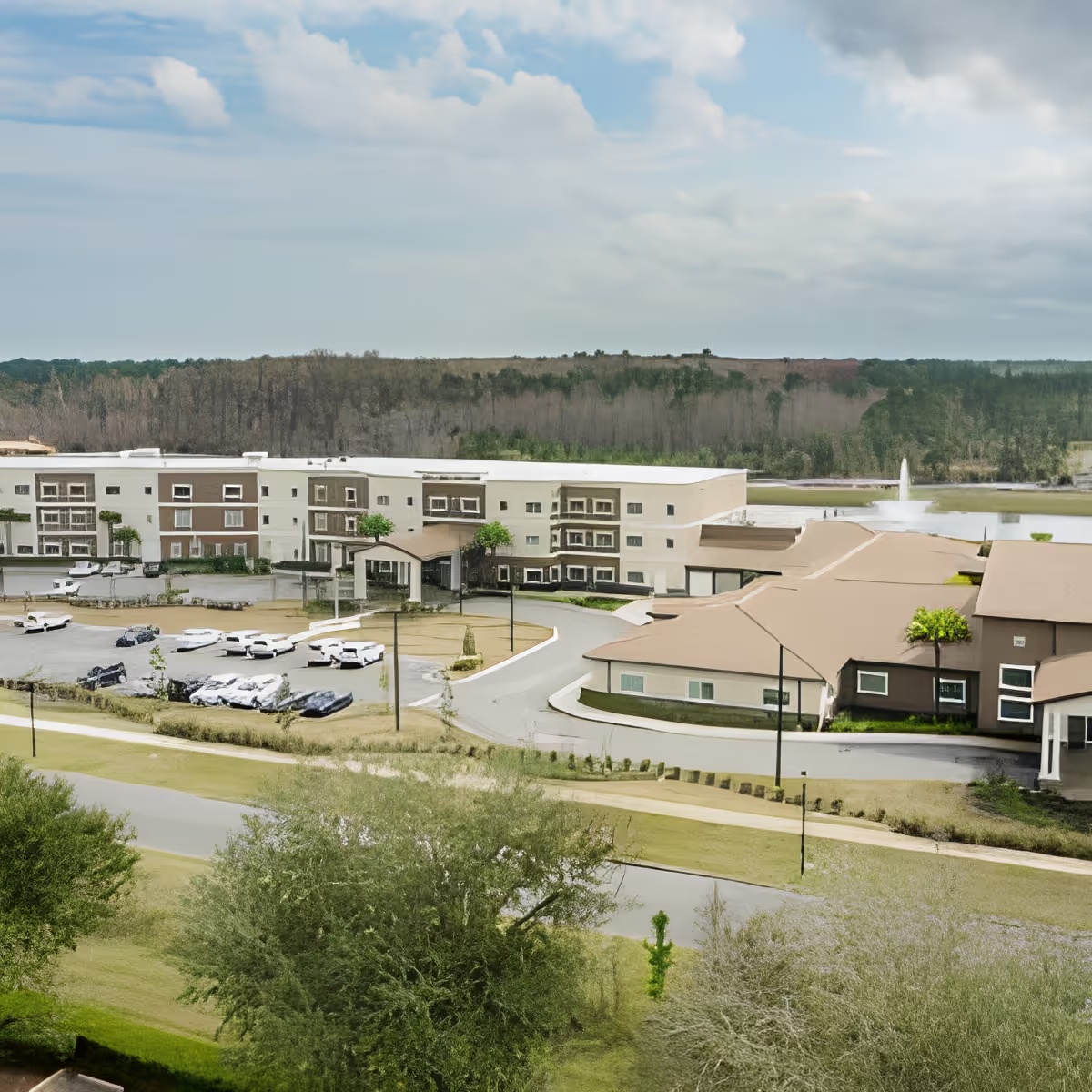
Discovery Commons San Pablo receives widespread praise for its relational strengths and hospitality-oriented environment. Many families describe caregivers as compassionate, personable, and attentive; long-tenured staff and named individuals are often highlighted as sources of continuity. The community projects a non-institutional, hotel-like ambiance with bright, modern apartments, wide hallways, accessible design features, and well-kept grounds and common areas. For prospective residents who value a smaller, intimate setting, reviewers commonly cite easy navigation, a homey feel, and a high level of day-to-day warmth.
Dining and social life are consistent areas of strength. Multiple accounts note restaurant-style dining, home-cooked meals prepared from scratch, and a flexible chef who accommodates dietary needs. The dining environment is described as attractive and well-organized, with staff often assisting residents during meals. Activity programming is active and varied — reviewers point to a seven-day calendar, field trips, clubs (Book Club, bingo), pet therapy, and engaged activity directors who create regular opportunities for socialization and cognitive engagement.
Clinical care receives mixed but substantive commentary. Numerous families praise memory-care services and attentive CNAs, and several reviewers describe strong leadership that provides family education and emotional support. At the same time, a number of reviews raise operational concerns: inconsistent staffing levels and coverage, variability in care quality across units and shifts, and lapses in housekeeping or sanitation routines in certain care areas. Some accounts describe delays or gaps in responding to clinical incidents and fall monitoring; these suggest a need for clearer incident-response protocols and monitoring systems.
Management and administration appear uneven. Positive experiences include hands-on directors, warm admissions interactions, and responsive leadership in some instances. Conversely, other reviews describe leadership turnover, defensive administrative interactions, and communication gaps between marketing, administration, and families. Financial aspects surface as well — several families note premium pricing and periodic fee increases, sometimes accompanied by a perception that operational quality does not consistently match the cost. Other administrative weaknesses cited include in-house pharmacy coordination and billing problems, and occasional breakdowns in personal-property controls.
Overall pattern and guidance: the facility demonstrates significant strengths in staff compassion, dining, social programming, and a welcoming physical environment. However, recurring operational themes — inconsistent staffing, administrative turnover and communication shortfalls, uneven housekeeping, and gaps in clinical-incident response — are important considerations for prospective residents and families. Those evaluating the community should prioritize direct discussions about staffing ratios, fall-monitoring systems, housekeeping schedules for care units, pharmacy coordination, and current leadership stability. Touring during different shifts and speaking with current residents and family members about recent experiences can help assess whether the facility’s strong relational culture is matched by reliable operational practices.