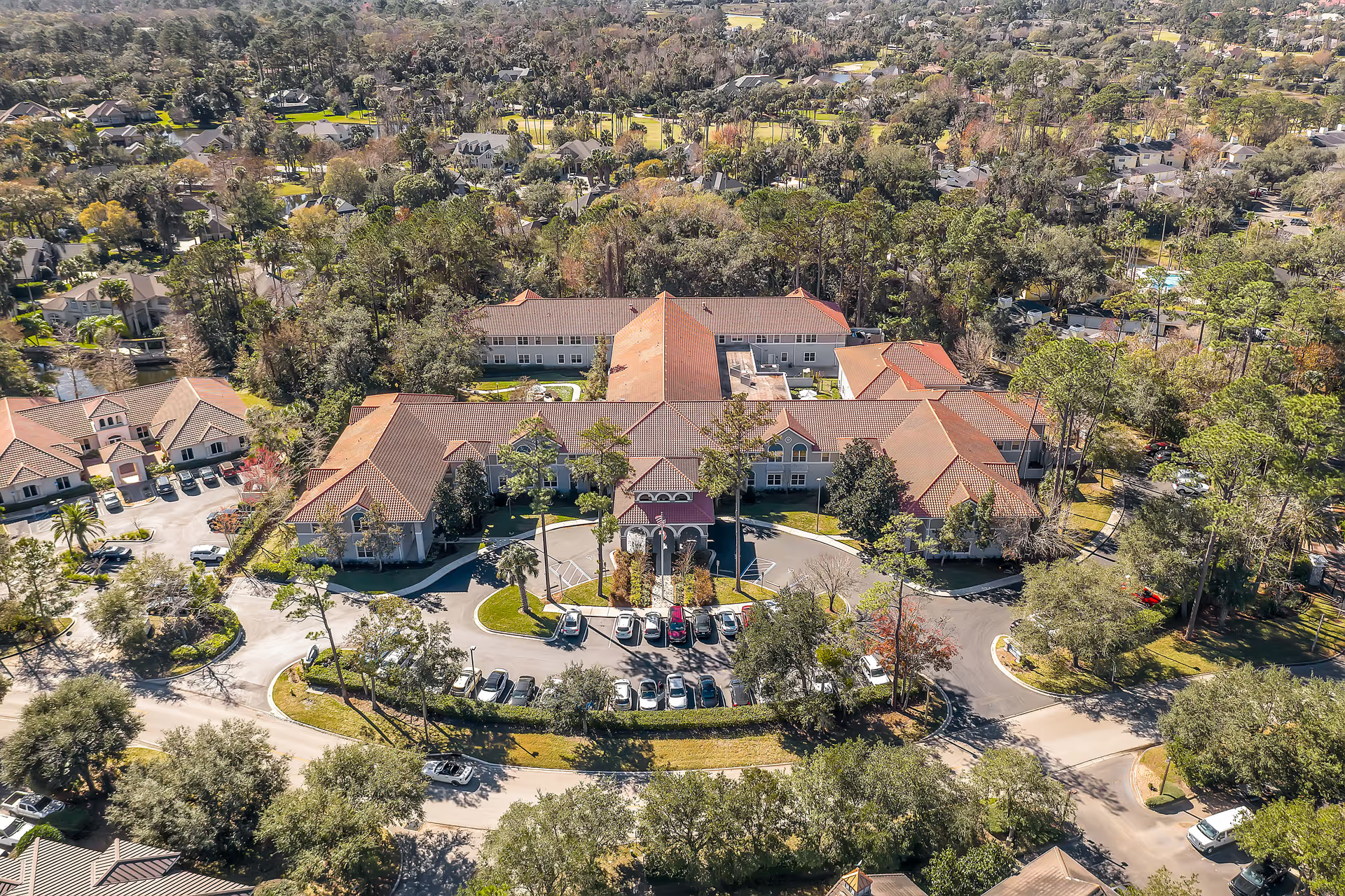
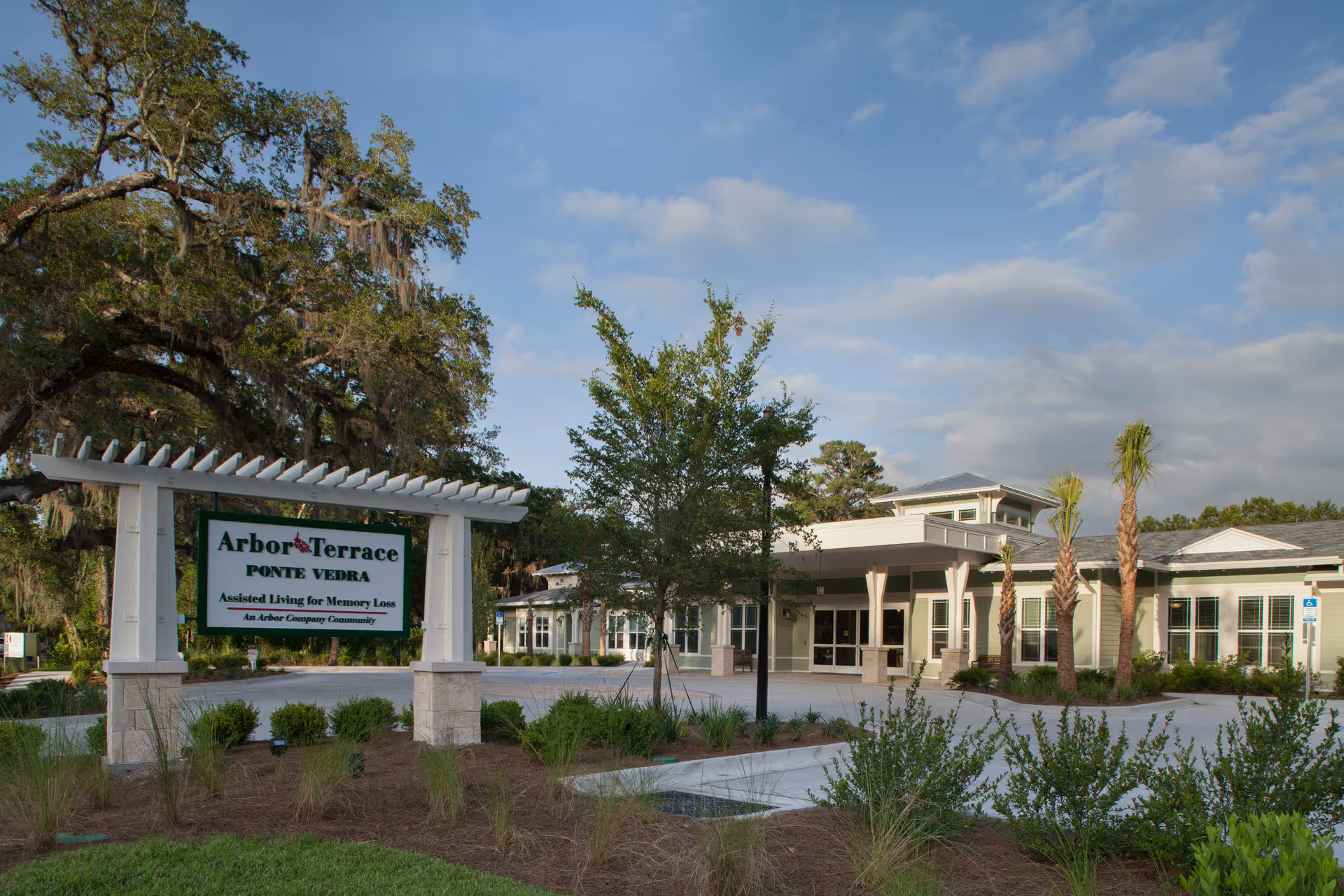
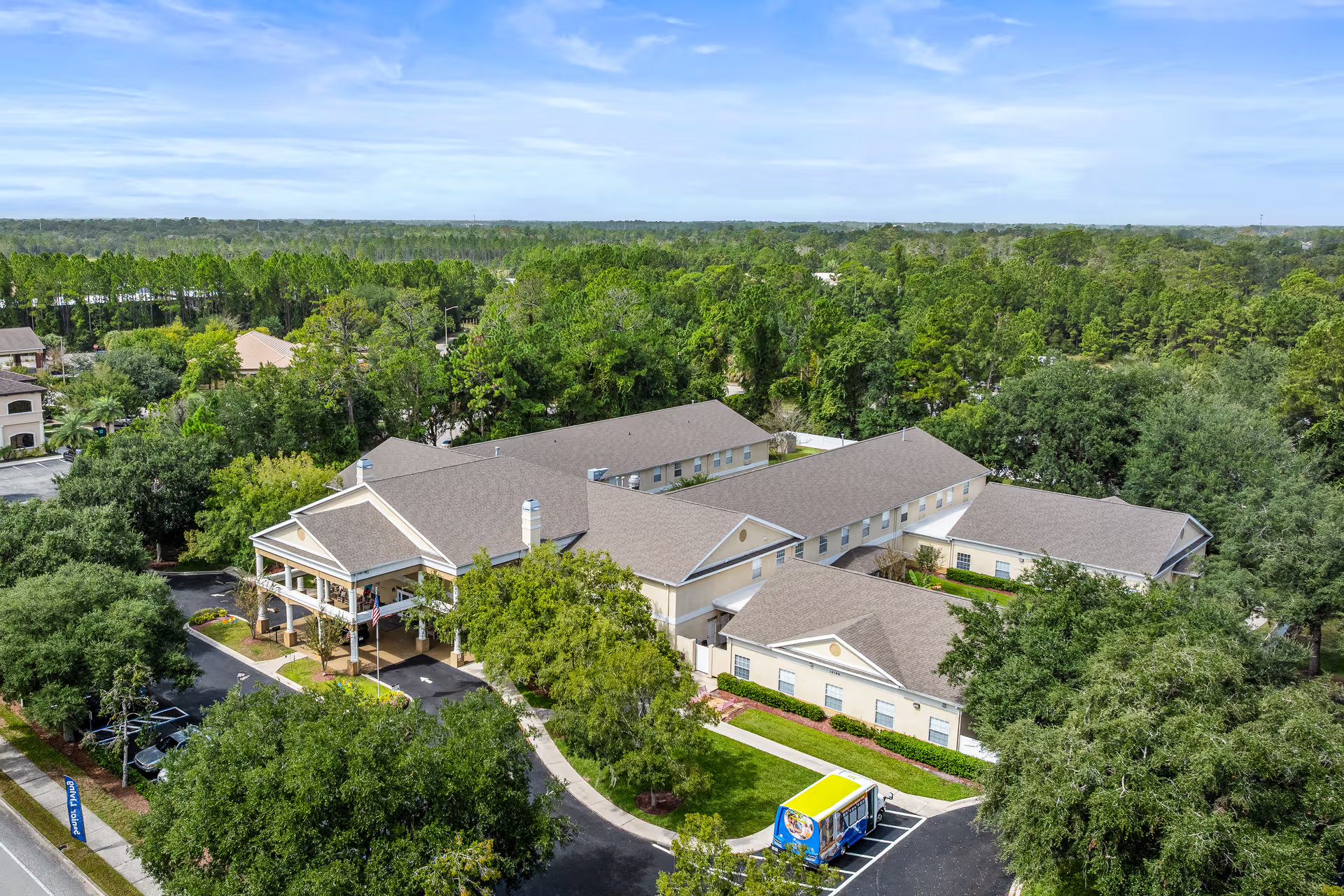
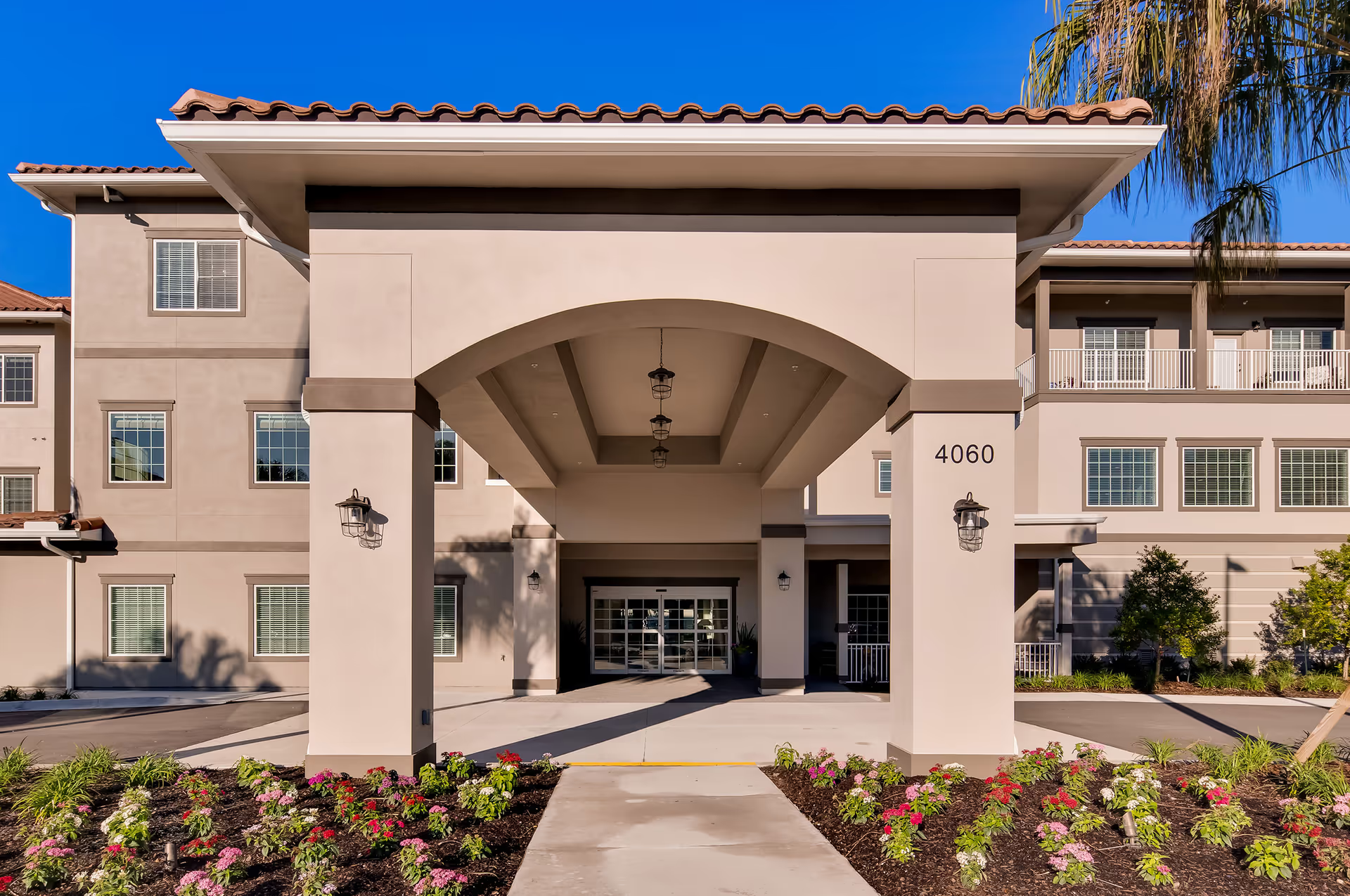
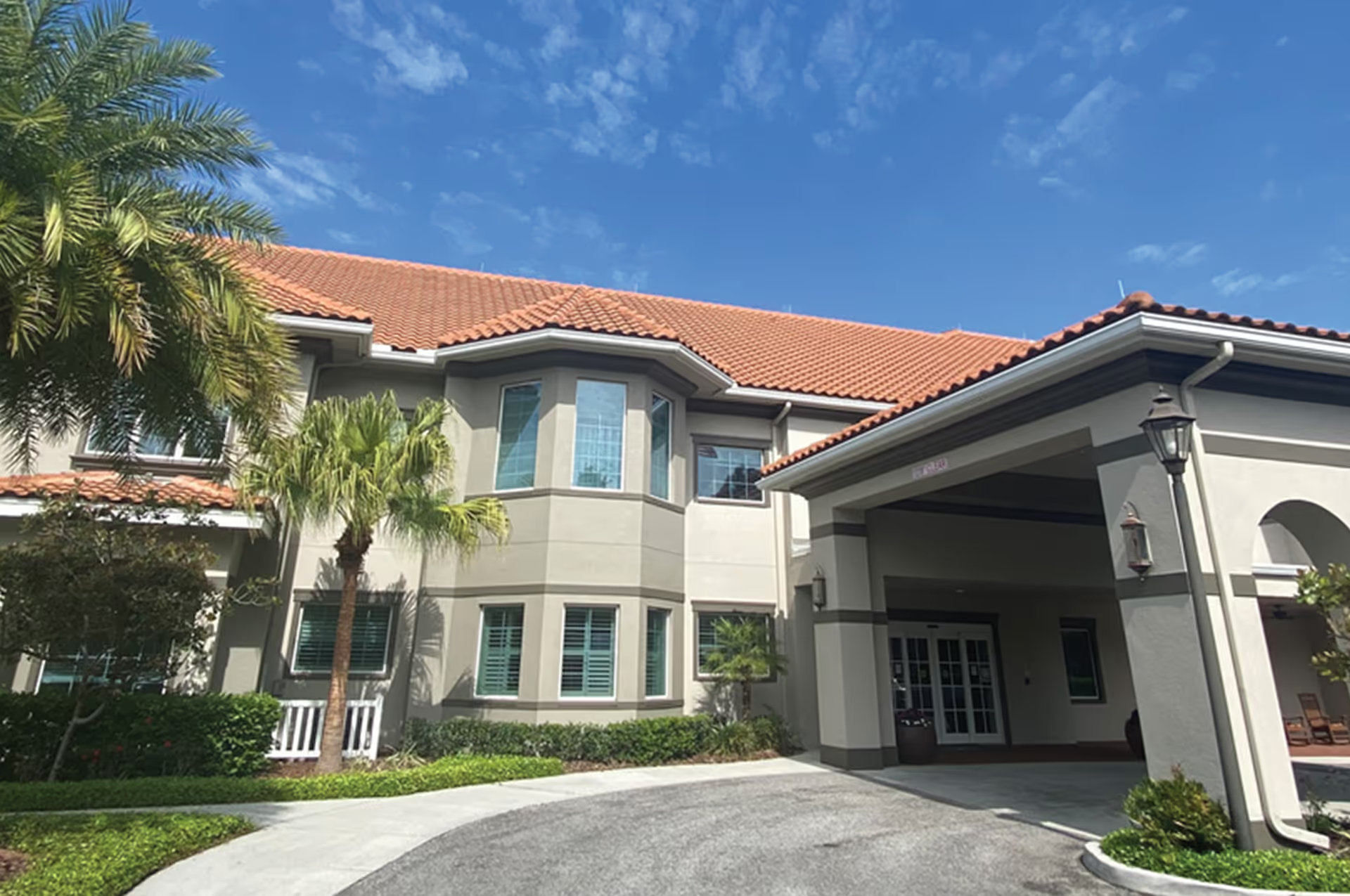
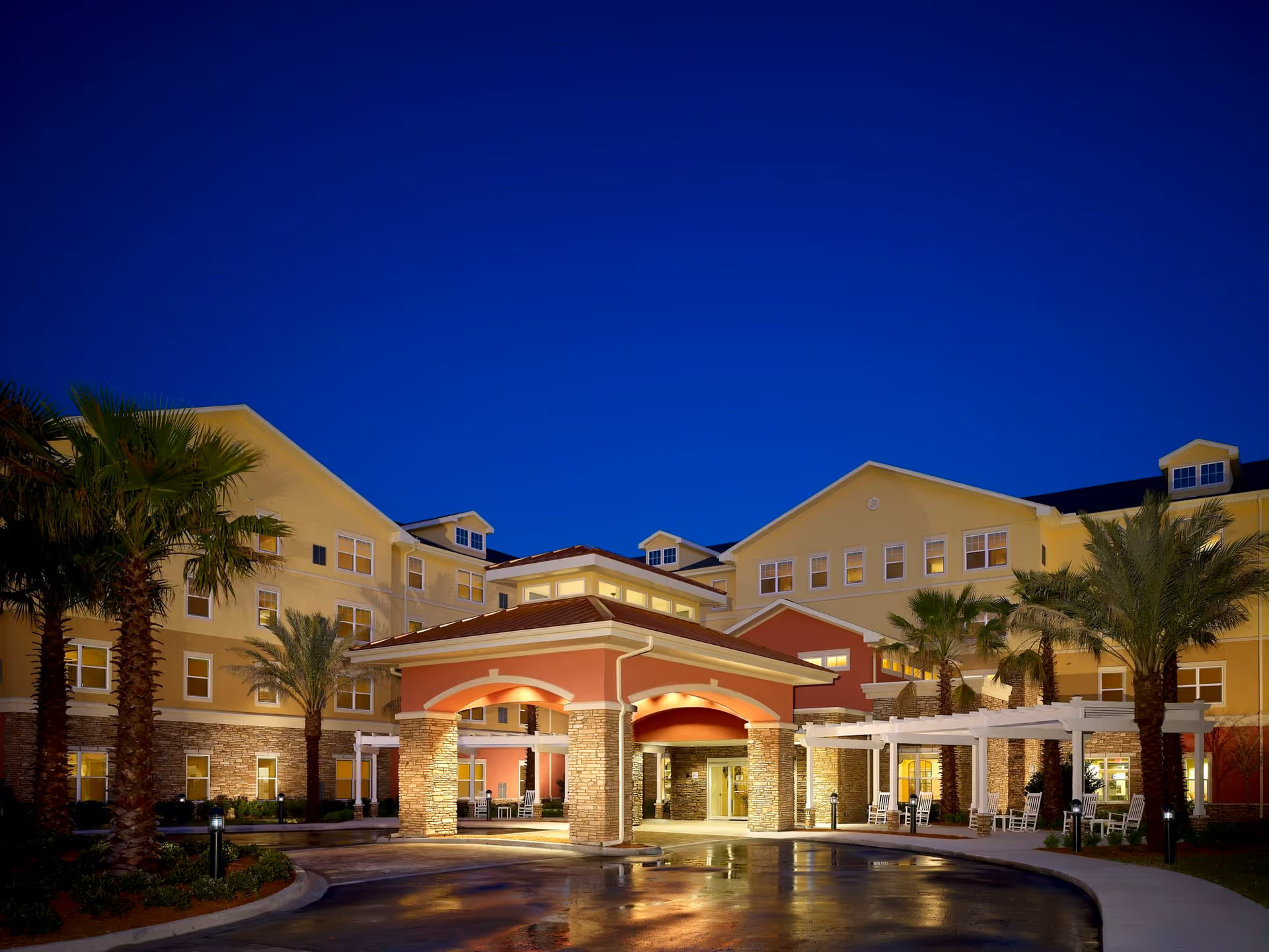
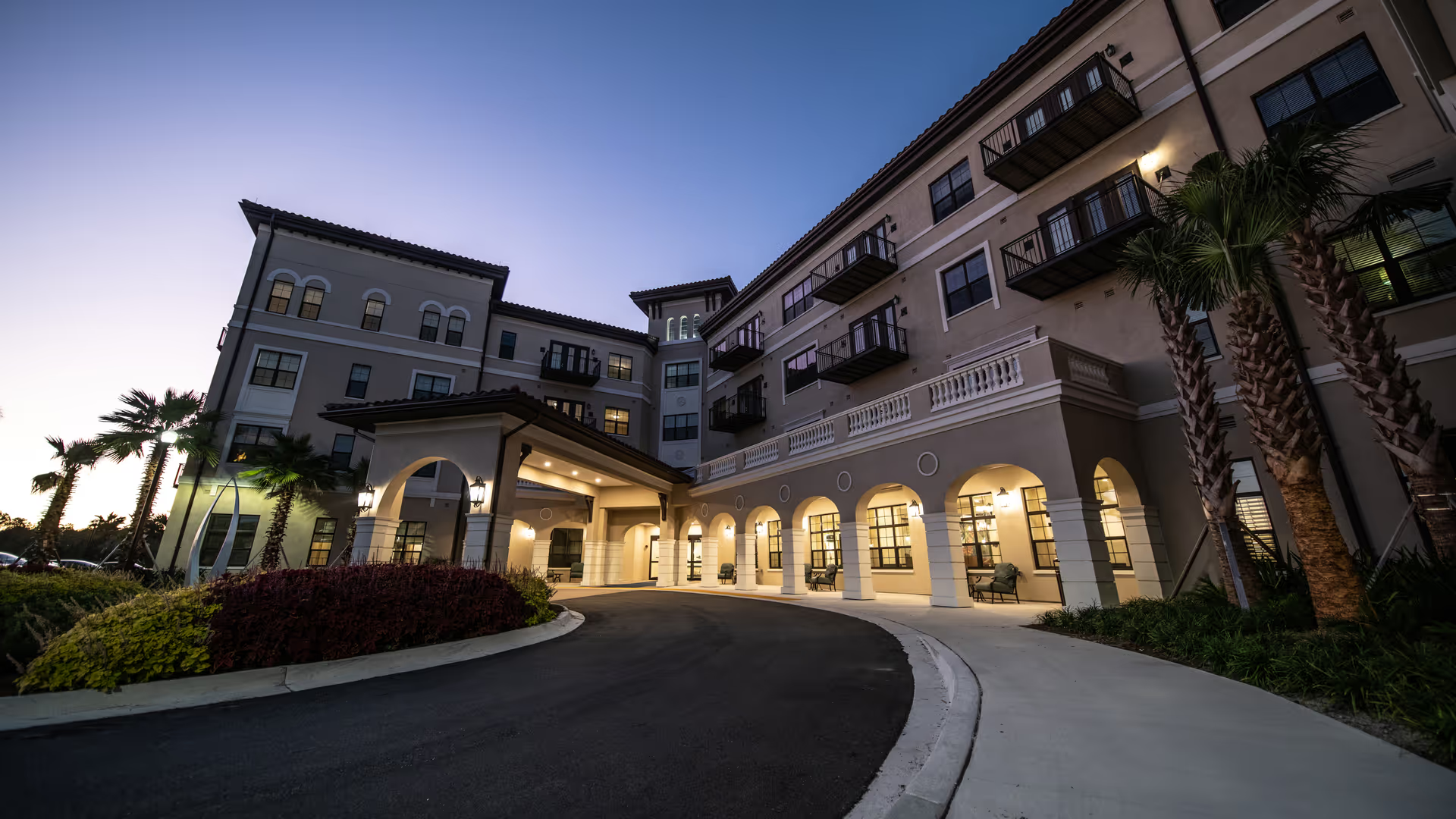
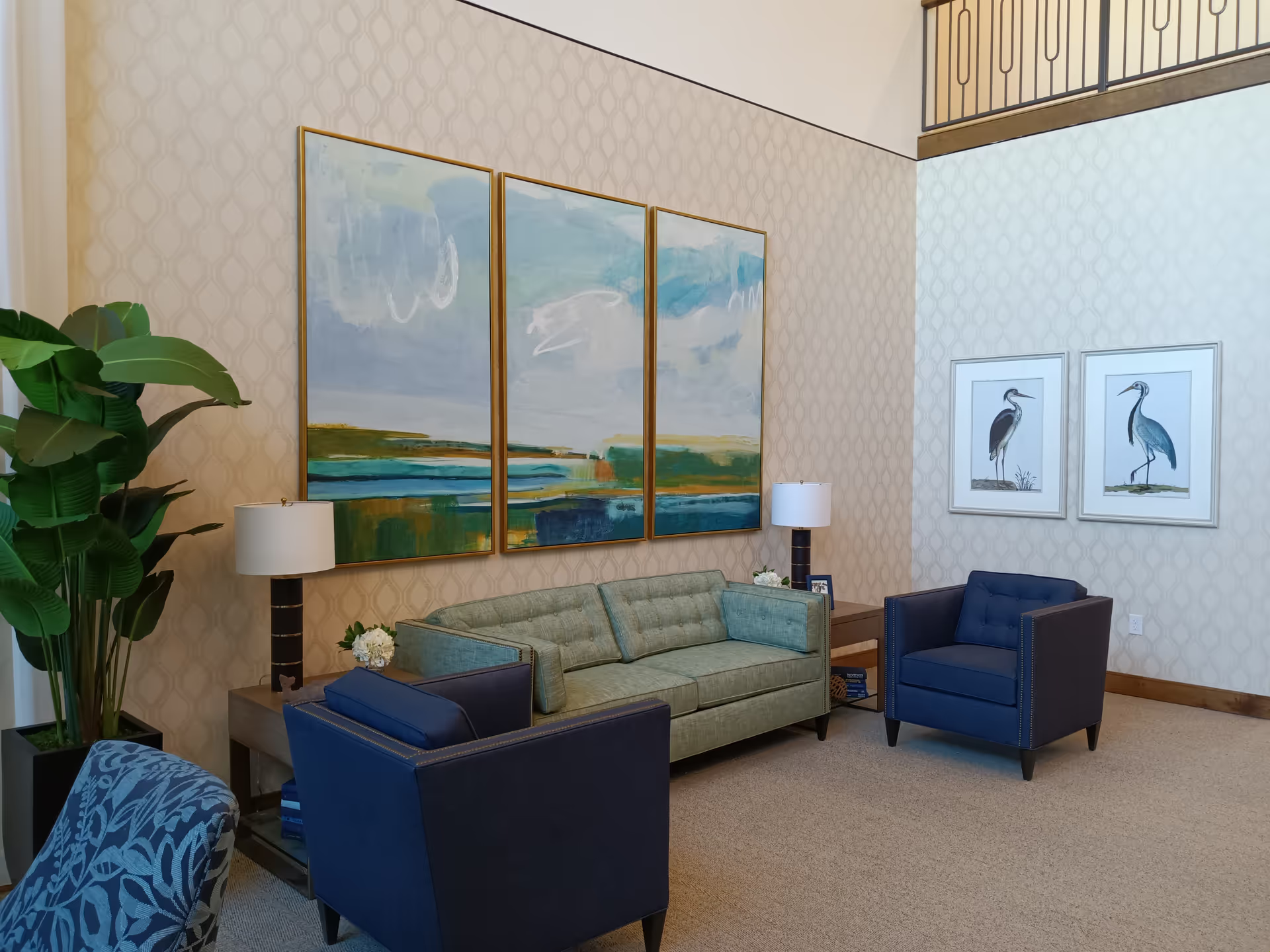
Starling at Ponte Vedra is widely described as a clean, newly renovated community with extensive amenities and a restaurant-style dining program. Many accounts highlight a bright, resort-like interior, well-maintained common areas, and a range of leisure and therapeutic spaces — including a movie theater, salon, library, game room, ice-cream station, and on-site physical therapy and exercise pool. The dining service is frequently praised for quality, variety, and presentation, and smaller community size is cited as enabling more individualized attention.
Care and staffing receive generally strong endorsements for compassion and attentiveness. Reviewers commonly praise the caregiving teams, front-desk and dining staff, and accessible nursing leadership; multiple comments single out long-tenured employees and specific leaders as stabilizing influences. At the same time, several families described operational and clinical concerns: gaps in dementia-focused training, worries about medication-management practices, and limits on the facility’s ability to provide extended or higher-acuity care because it lacks an ECC license. These clinical and policy limitations appear to influence admission and retention decisions for residents with greater mobility or care needs.
Activities and programming are plentiful and well-appointed, with organized outings, arts and music, religious services, and social events receiving positive mention. However, some feedback indicates programming may be better suited to less-active residents; a few families felt activities skewed toward sedentary options rather than more engaging or higher-intensity programming. There are also isolated comments about therapeutic spaces being unused or repurposed, which suggests occasional mismatches between advertised amenities and day-to-day availability.
Operationally, reviewers point to both strengths and weaknesses in management practices. Many praise local ownership and hands-on leadership for responsiveness and family communication; others report variability in experience during periods of management change, including staff morale and turnover. Notably, a subset of accounts described significant shortcomings in emergency preparedness and evacuation logistics — including unclear shelter arrangements and post-evacuation accommodations — and cited communication gaps around policy changes that affected resident placement or care continuity.
In summary, Starling at Ponte Vedra presents as an attractive, amenity-rich community with strong, compassionate frontline staff and highly regarded dining and therapy programs. Prospective residents and families should weigh these strengths against operational limitations in dementia-specific training, medication-management concerns, restricted higher-acuity care capacity, and occasional lapses in emergency planning and night coverage. For families with members who may require escalating clinical support or who place a premium on robust dementia specialty services and evacuation contingencies, targeted questions about training, licensing, admission/retention policies, and emergency procedures are recommended during a tour and before contract execution.