Across the summaries, Ponte Vedra Gardens presents as a small, dementia-specialized memory-care home with many operational strengths. Reviewers consistently highlight a highly focused memory-care program, individualized care plans, and staff who demonstrate familiarity with cognitive-impairment needs. Families describe peace of mind stemming from hands-on leadership, visible management involvement, and routine family communication — including photo updates via an activity app.
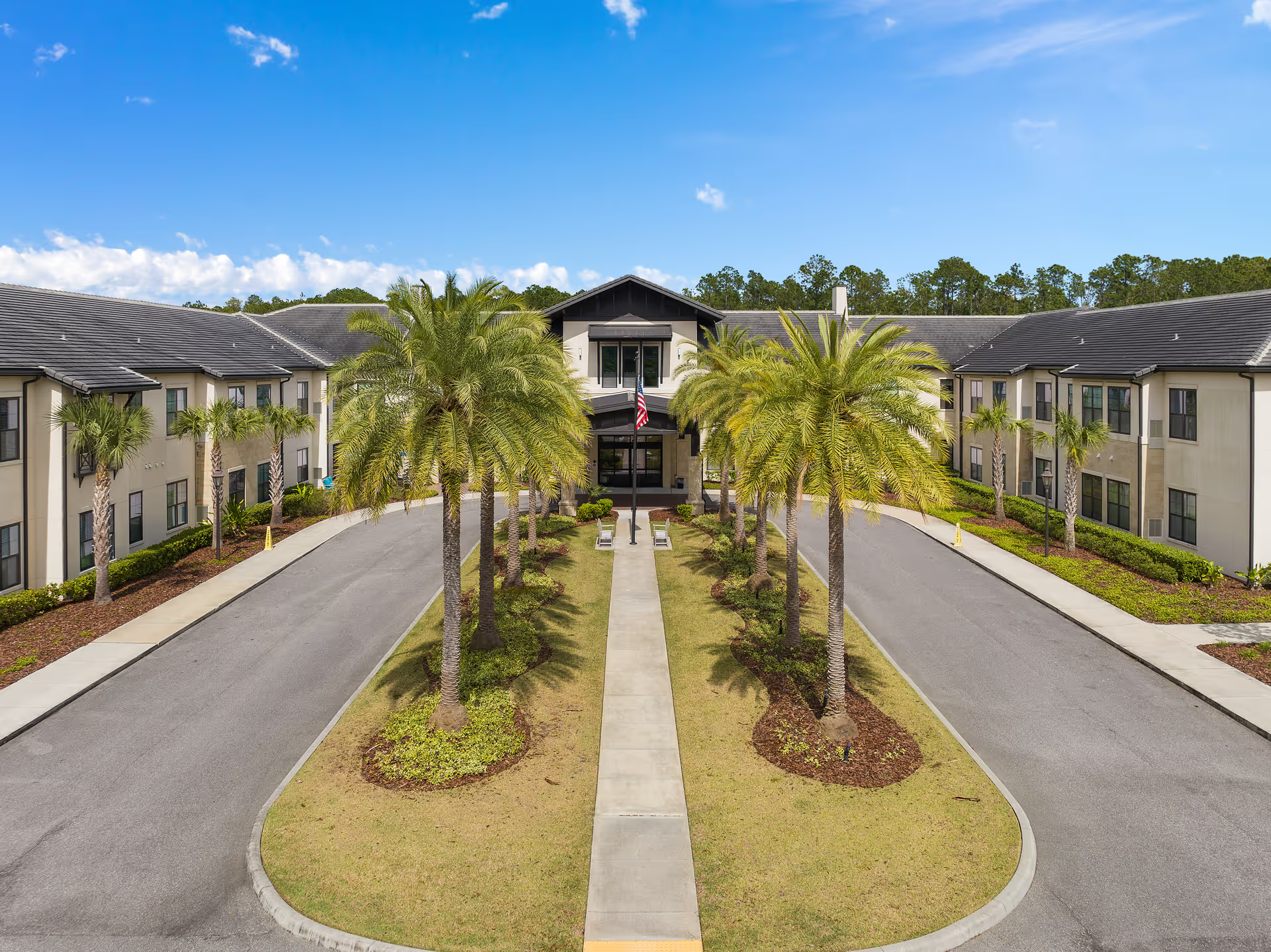
Staffing and care culture are recurring positives. Caregivers are described as compassionate, attentive, and team-oriented; leadership is characterized as responsive and personally engaged. Several reviewers singled out activity staff and managers by name for effective coordination and family liaison work. The facility is consistently described as clean, bright, and well maintained, with a homelike atmosphere organized around a secure, landscaped inner courtyard that supports outdoor access and socialization.
Programming and daily life emphasize engagement and dignity. Reviewers noted a broad mix of structured activities (music, floral arranging, outings to local venues), frequent social opportunities, and an activity-tracking system that shares photos and updates with families. Dining is framed as nutritious and thoughtfully presented, with attention to resident dignity and fresh meals. Hospice guidance and end-of-life support are available and were noted as part of the continuum of care.
While the overall tone is positive, several patterns of concern emerge that prospective families should weigh. The most significant operational theme is a limited capacity to manage severe or physically aggressive behavioral symptoms; multiple comments indicate that residents exhibiting substantial aggression have been transitioned out of the community. This suggests relatively narrow behavioral-management tolerance and an admissions/discharge policy that may prioritize resident and staff safety by relocating individuals whose needs escalate. Relatedly, the facility’s small, intimate scale — a strength for personalized care — may also limit depth of on-site clinical resources for complex medical or behavioral crises compared with larger memory-care campuses.
Families should also ask about the facility’s behavioral-management protocols, overnight clinical coverage, and approaches to medication adjustments for challenging behaviors; some summaries imply behavior control may involve medication changes in certain cases. Additionally, although isolated incidents (for example, a fall) were described alongside prompt staff responses, prospective residents and their families should review fall-prevention and transfer-safety practices during tours.
In sum, Ponte Vedra Gardens is consistently portrayed as a clean, well-run, dementia-focused memory-care home with strong leadership, engaged staff, varied programming, and good family communication. Those considering placement should confirm behavioral-management capacity and clinical back-up for more complex or aggressive symptom profiles to ensure alignment with the prospective resident’s anticipated needs.