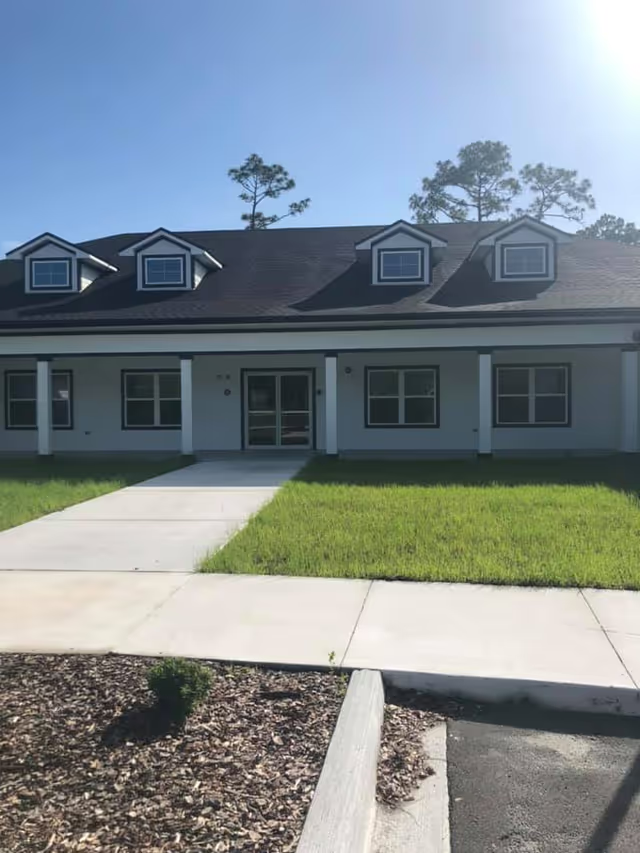
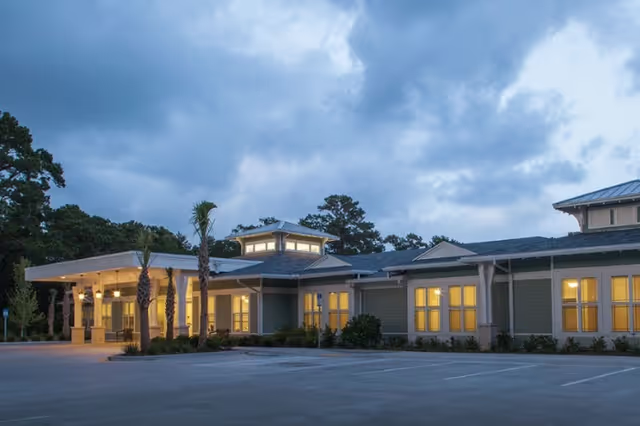
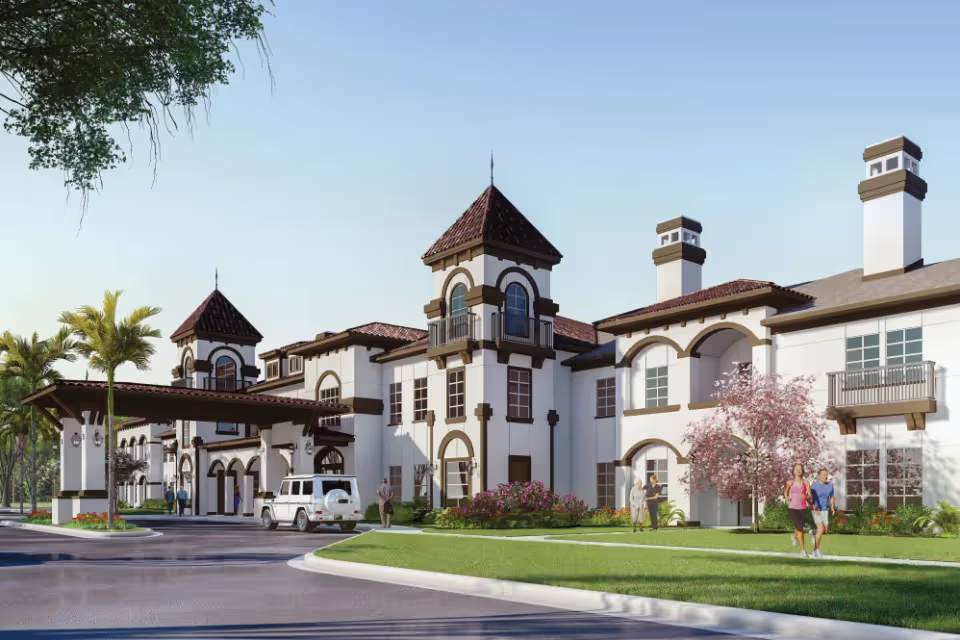
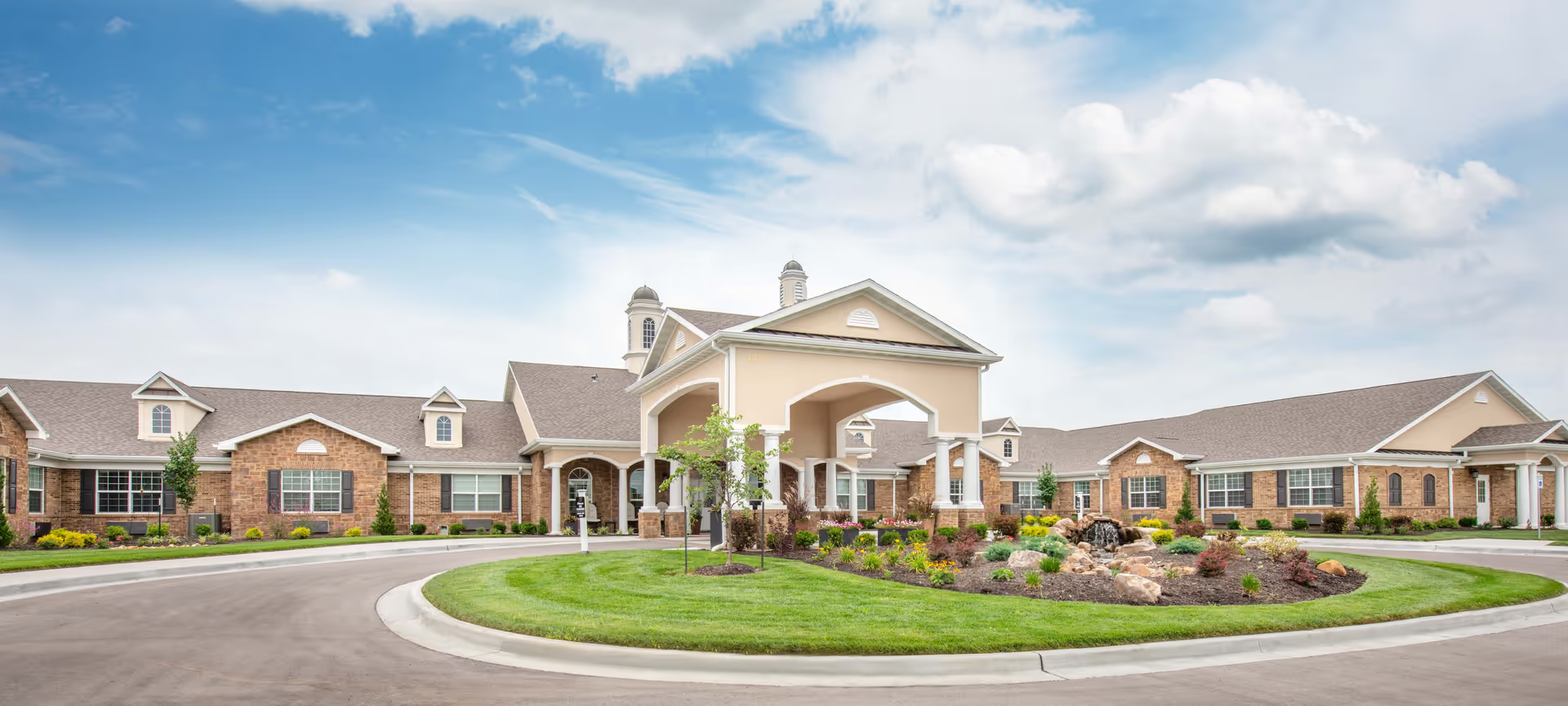
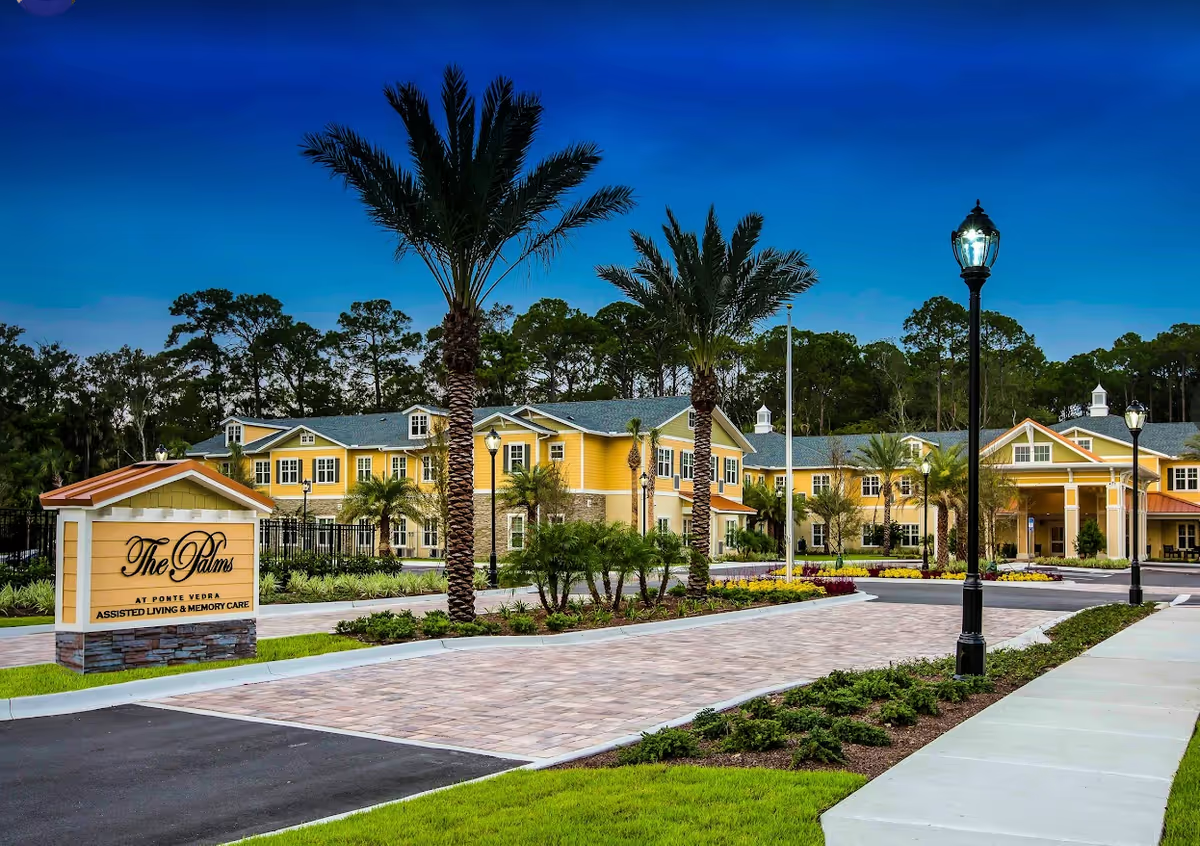
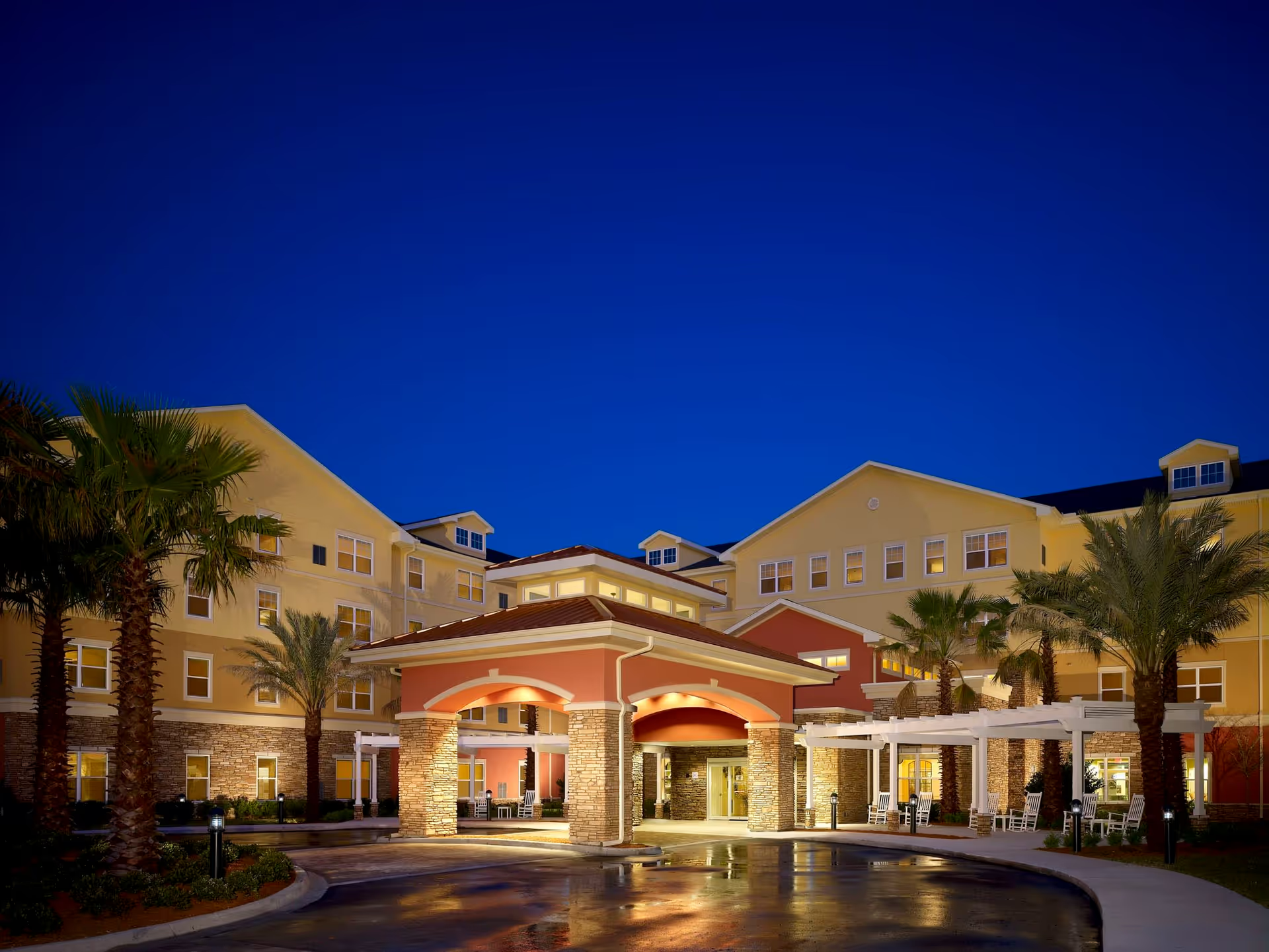
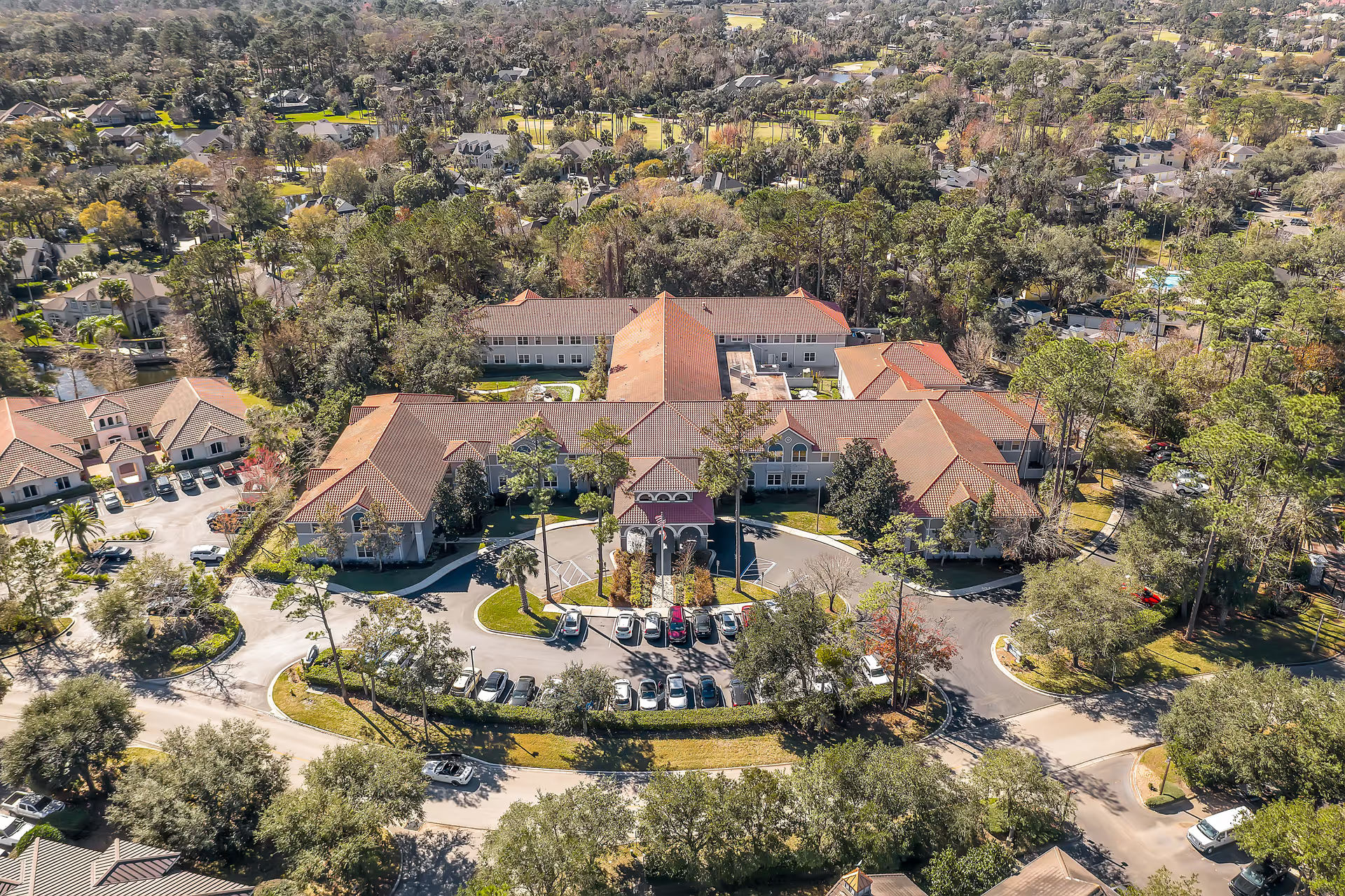
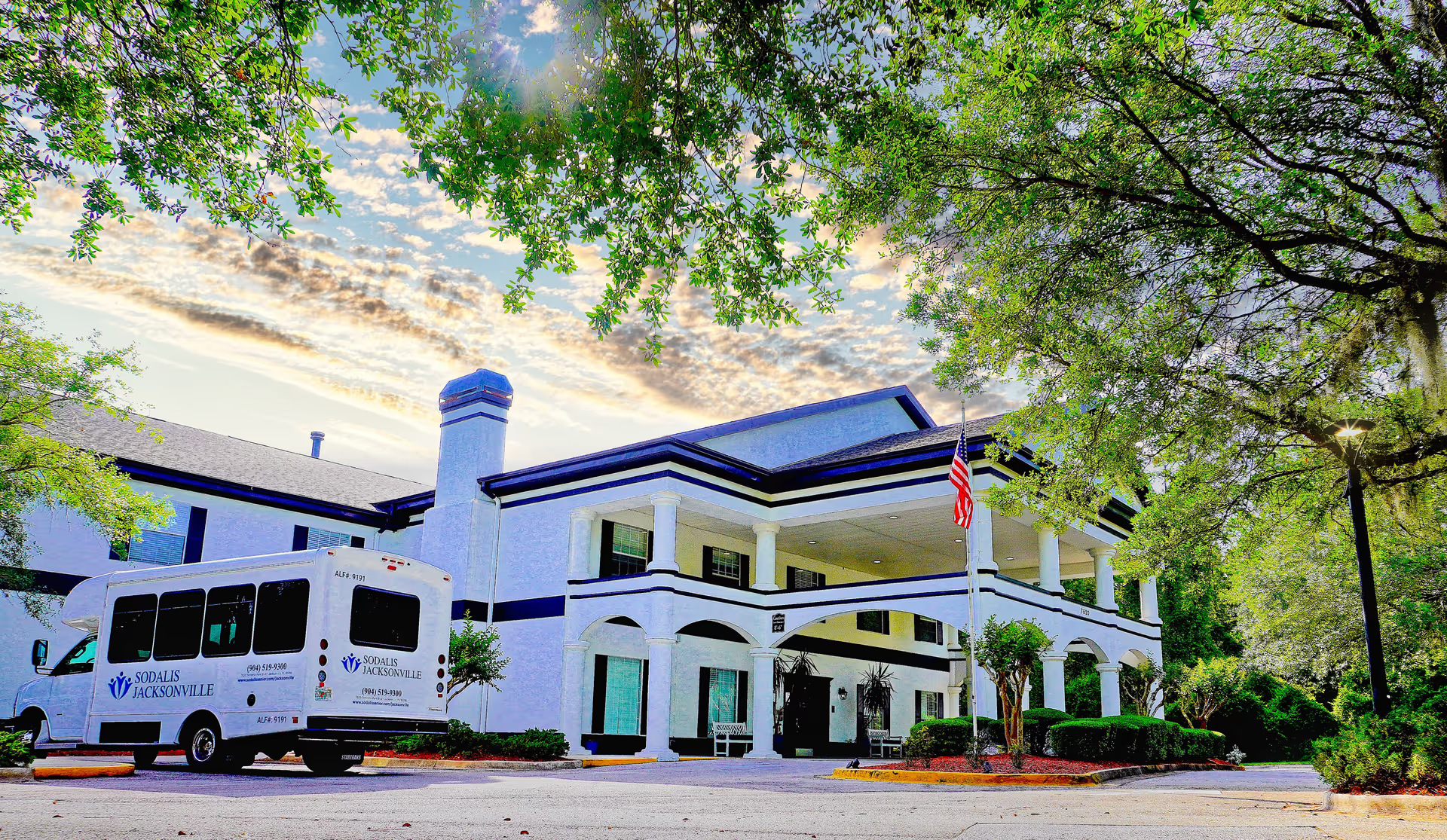
Starling at Nocatee presents a largely favorable set of strengths alongside recurring operational concerns. Positive comments concentrate on the interpersonal side of the community: caregivers, activity staff, dining personnel, and a number of leaders are described as compassionate, attentive, and proactive. Families and residents frequently cite personalized care plans, strong memory-care coordination, robust activity programming (exercise, brain games, music, live shows, field trips, pet therapy), and a restaurant-style dining experience with an engaged culinary team and attentive wait staff. The physical plant is generally noted as newer, clean, and well appointed, with in-unit conveniences (washer/dryer, microwave, refrigerator), multiple activity spaces, and on-site therapy and salon services that support an active social environment.
At the same time, a consistent set of operational weaknesses emerges. Staffing levels and turnover are a recurrent concern, and reviewers link that pattern to inconsistent clinical oversight—particularly in the memory-care neighborhood—delays in attending to residents, and uneven responsiveness during incidents. Several accounts describe falls or other clinical incidents and raise questions about transfer-safety practices and how those events are communicated to families; there are also allegations regarding representation of a resident's condition that families found troubling. Infection-control and broader sanitation practices are another area of concern in certain accounts, as are pest-control and maintenance problems in a minority of cases. Post-construction or launch-related issues (structural repairs, mold or water intrusion, intermittent closures of kitchen services) and delays in facility maintenance (air conditioning, plumbing) appear as operational pain points.
Dining and activities are strengths but show variability. Many residents praise varied menus, personalized meals, and a restaurant-like dining room; others describe inconsistent food quality or limited variety at times. Activities programming is repeatedly highlighted as abundant and varied, with strong leadership in that area; the social environment supports frequent events, clubs, and engagement opportunities. The facility layout is attractive but can be confusing to navigate, creating wayfinding challenges for some residents and visitors.
Management impressions are mixed. Some families describe candid, accommodating leadership and strong communication during transitions (including move-in support and pandemic-era rent stability), while other accounts point to inconsistent customer-service tone from reception or nursing leadership, and slow responses to maintenance and documentation issues. Problems with personal-property handling and documentation procedures are raised as an operational weakness.
Overall, the community offers many features that families value — warm staff interactions, engaged activity programming, modern apartments, and appealing dining — but prospective residents and families should weigh those strengths against recurring operational themes: staffing consistency, memory-care oversight, infection-control practices, maintenance follow-through, and communication processes. Those topic areas are where review narratives most often diverge and are appropriate subjects for direct follow-up during tours and discussions with management.