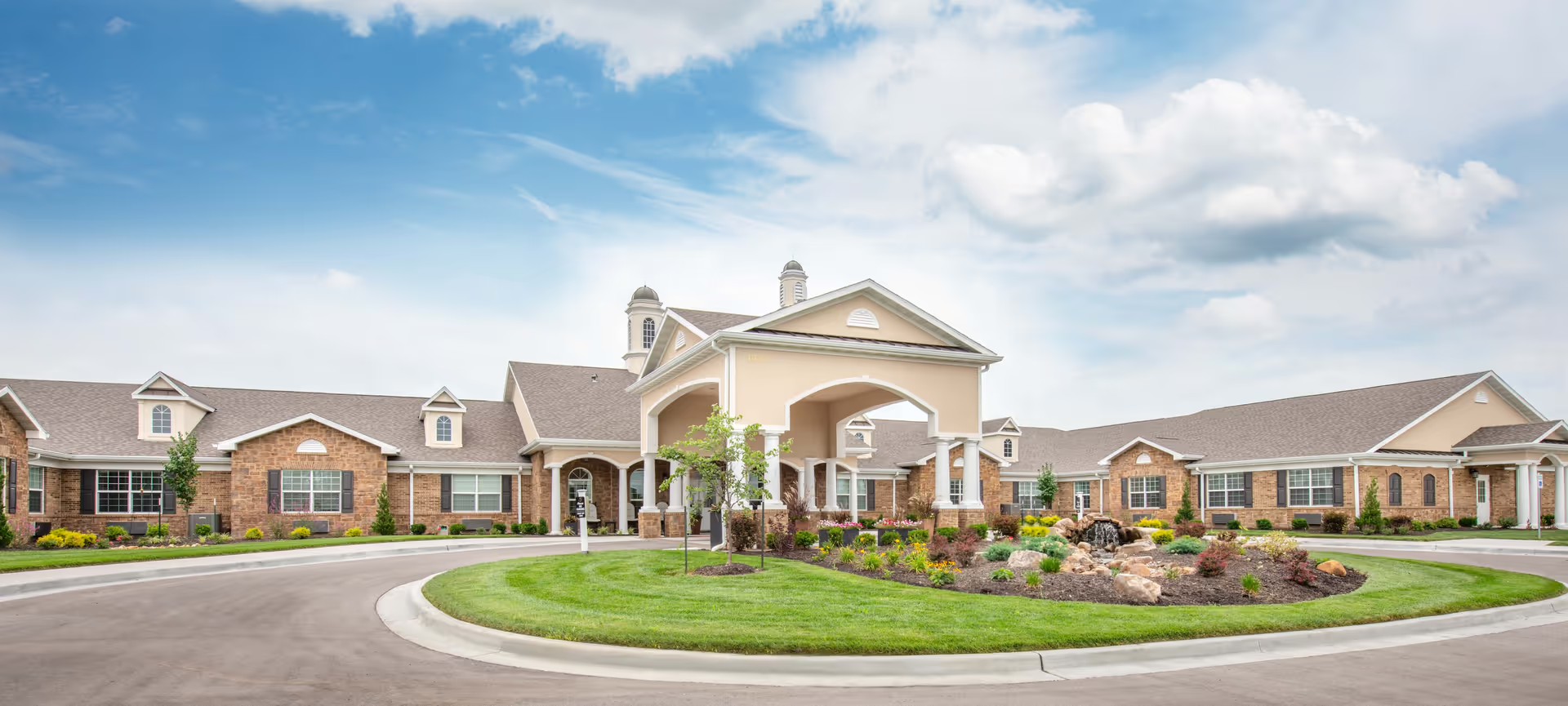
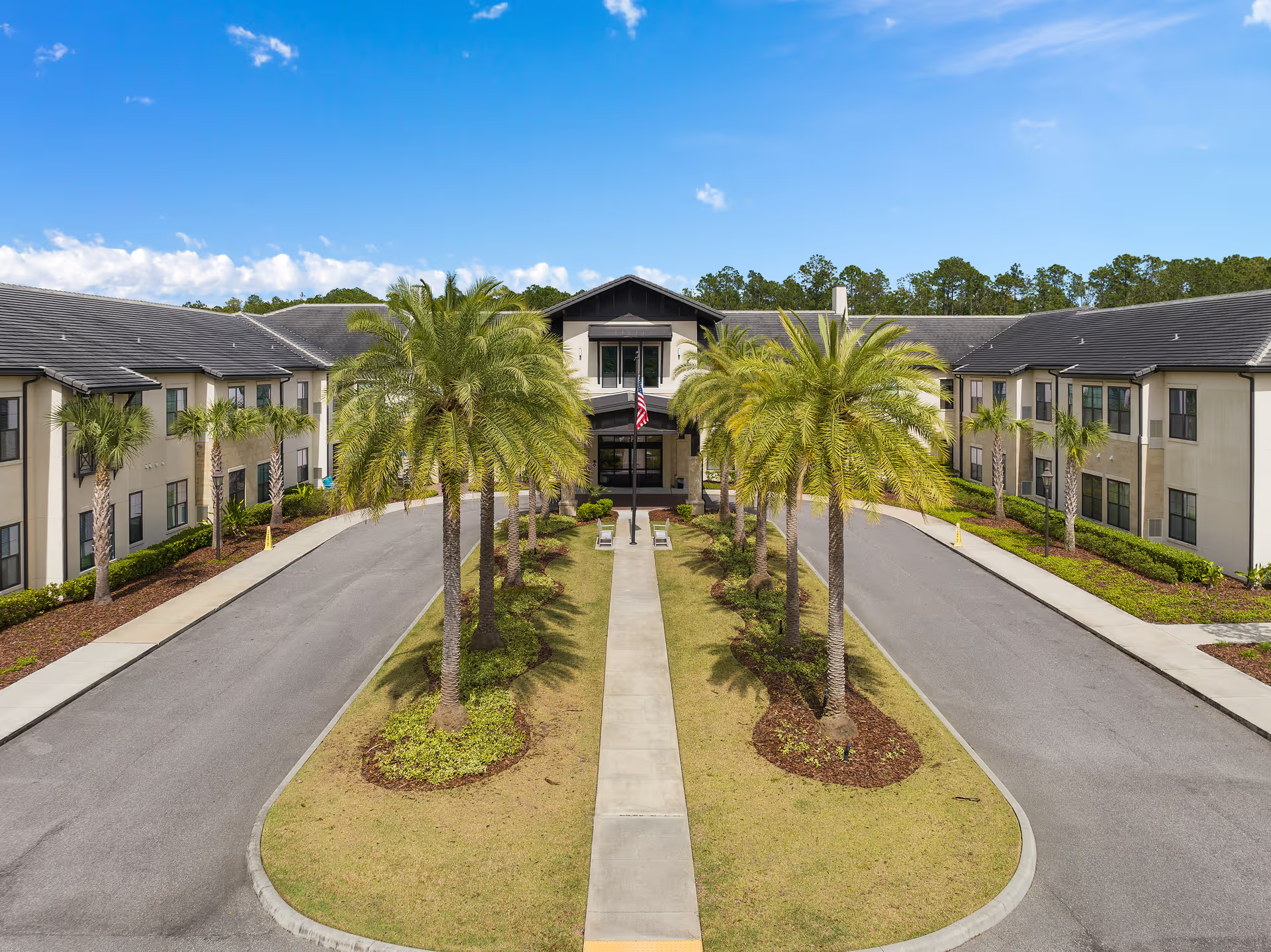
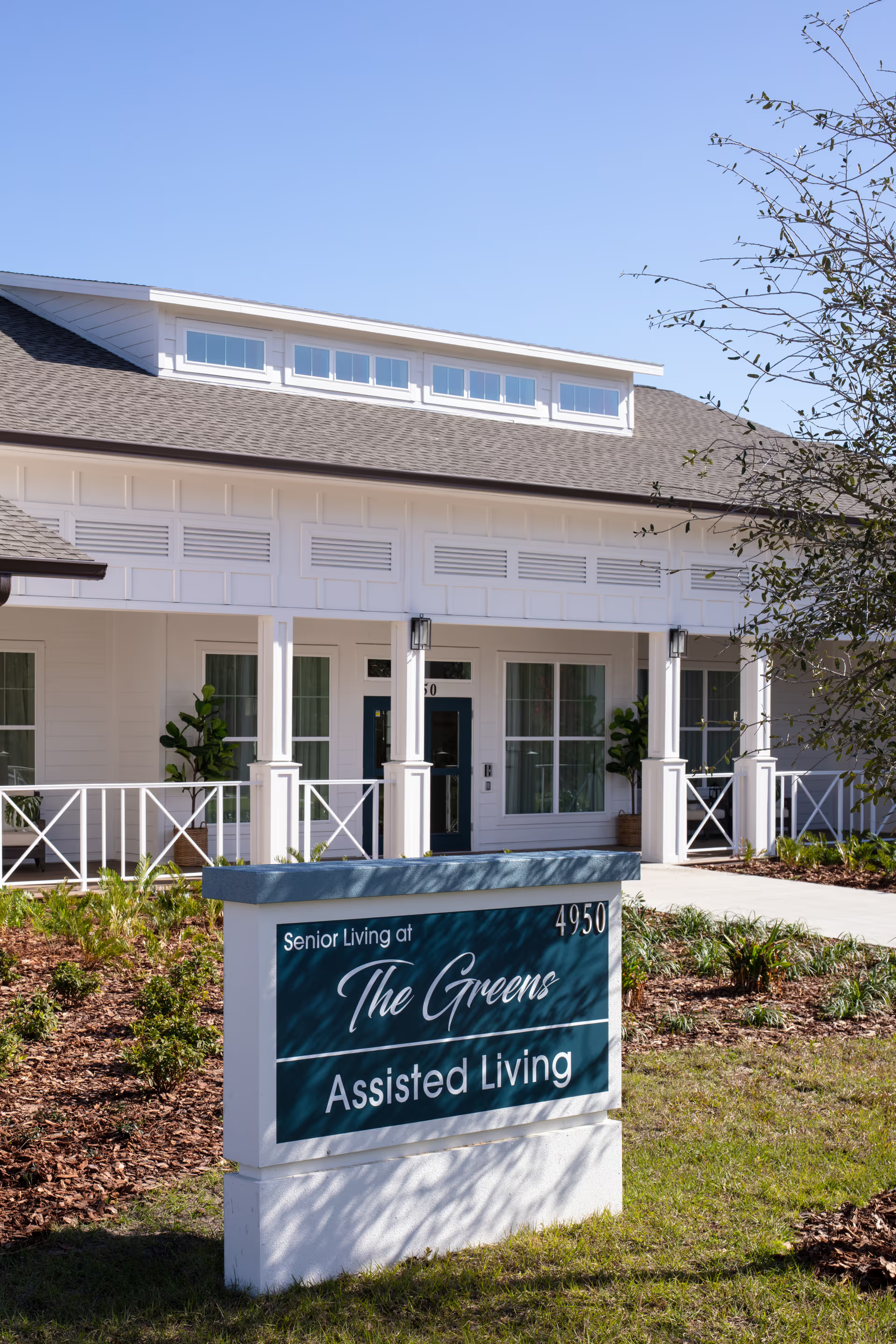
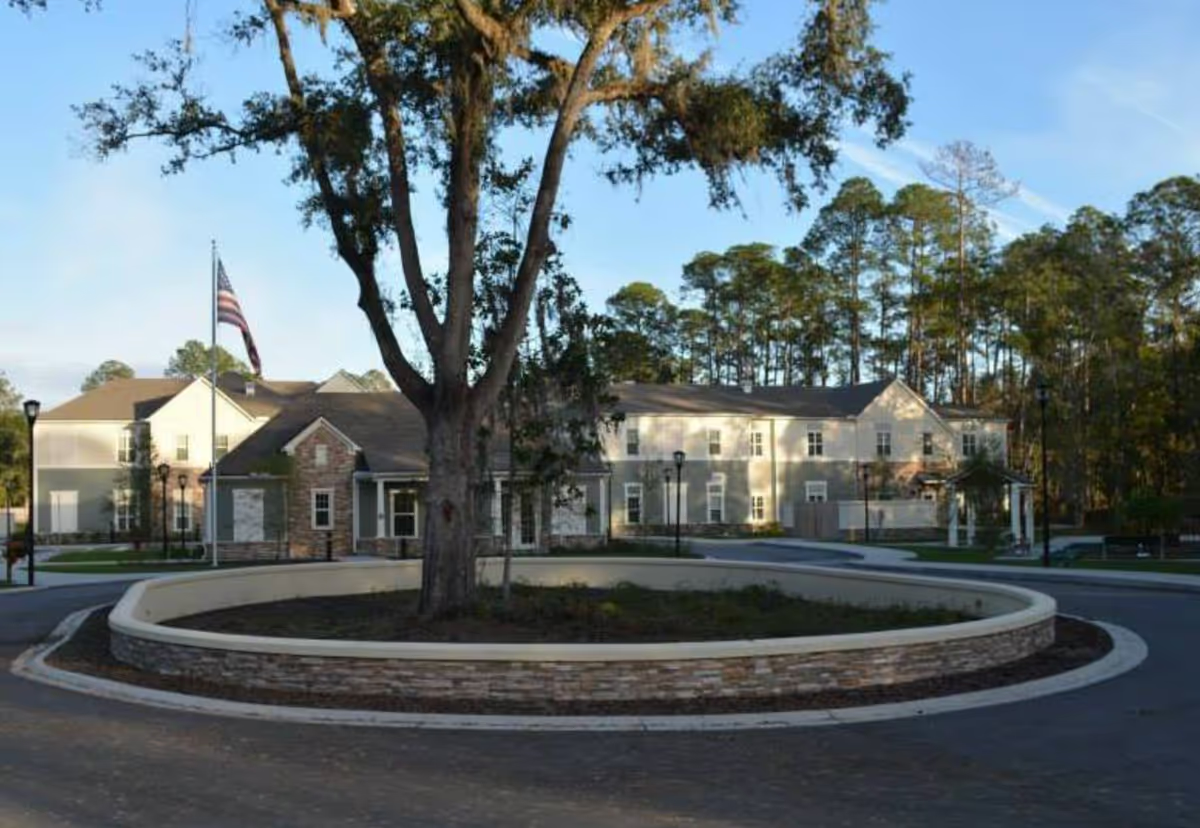
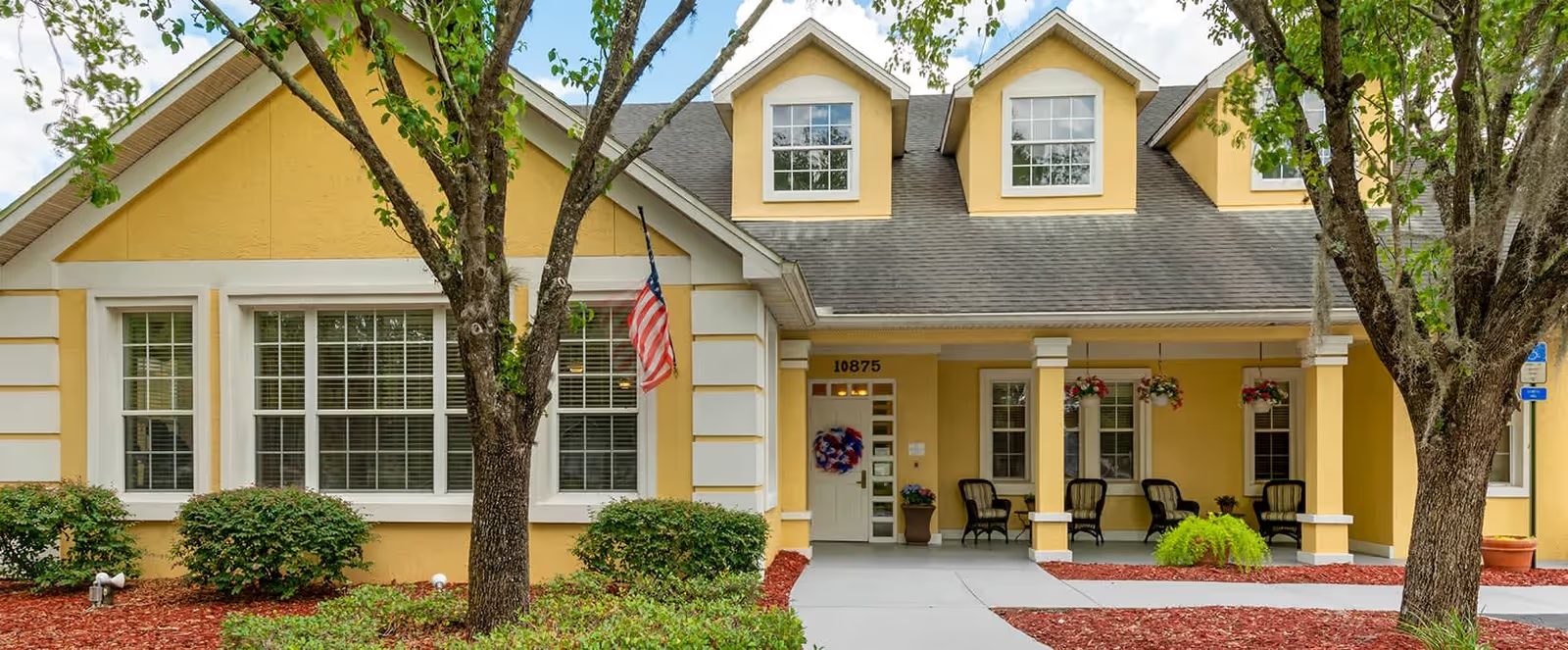
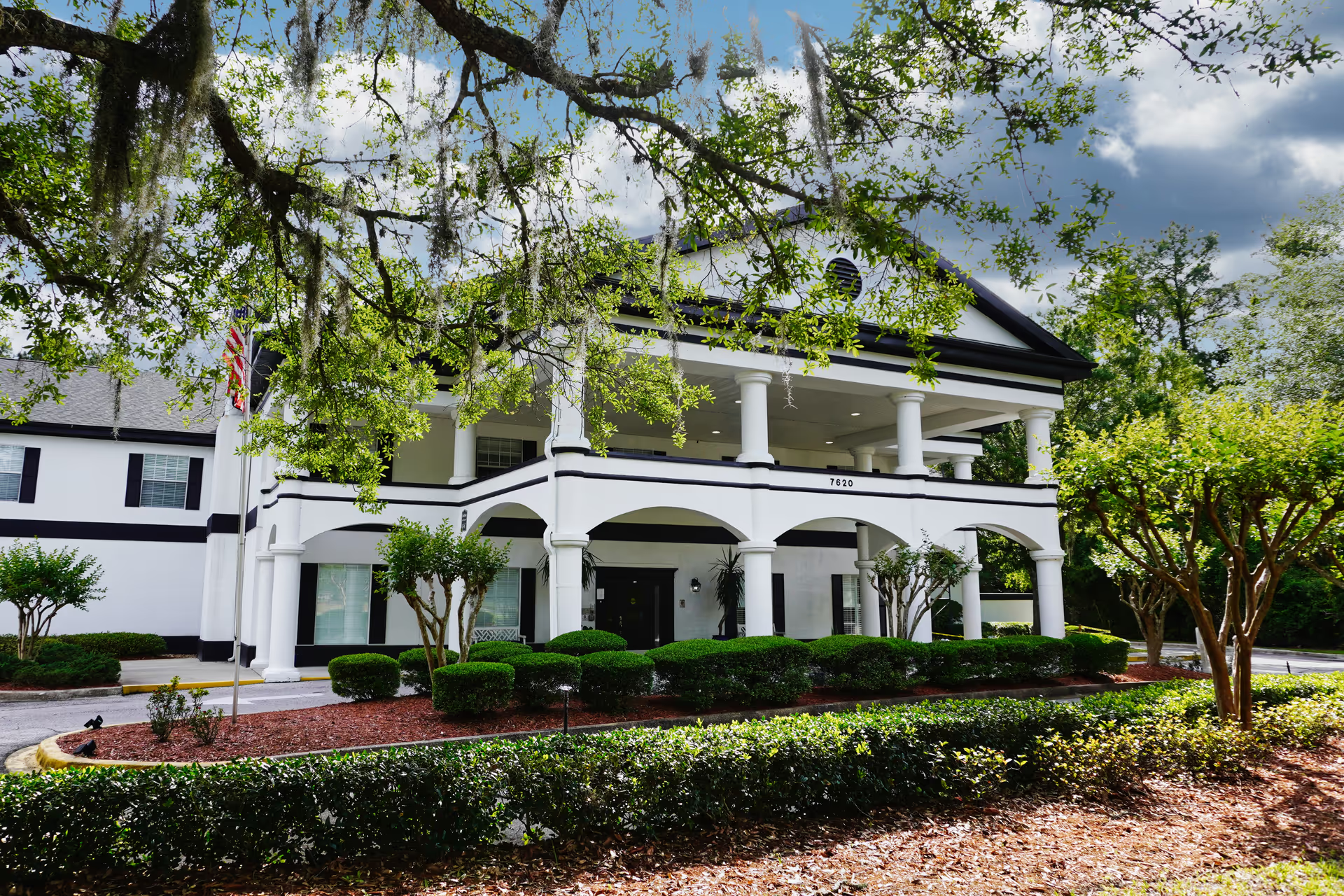
Overall impression The Blake at St. Johns is consistently described as a new, well‑appointed senior living community with a resort-like aesthetic, bright apartments, and thoughtfully designed common spaces. Reviewers frequently emphasize a welcoming, family-like atmosphere and regular social programming, and many families report feeling reassured by the facility’s appearance and community energy.
Care and staff Care quality is a prominent strength for the community: many accounts highlight compassionate, patient, and attentive caregivers, positive interactions with nursing and administrative staff, and individualized memory-care planning. Families describe staff who coordinate care effectively, manage crises with appropriate escalation, and provide emotional support during transitions. At the same time, there are indications of inconsistency in staff responsiveness and conduct; a small number of accounts describe slow responses to calls or perceived indifference. These patterns suggest variability in shift-level responsiveness or training that prospective families should clarify with leadership.
Dining and activities Dining is presented as a full-service program with daily choices and elegant presentations; several reviewers praise meals as delicious and note weight gain where nutrition was needed. Other comments indicate more moderate satisfaction—described as decent or with room for improvement—so food quality appears somewhat variable. The activities program is a clear asset: reviewers note abundant events, daily outings, mobility-focused exercise, and large social events that foster new friendships and an active social life.
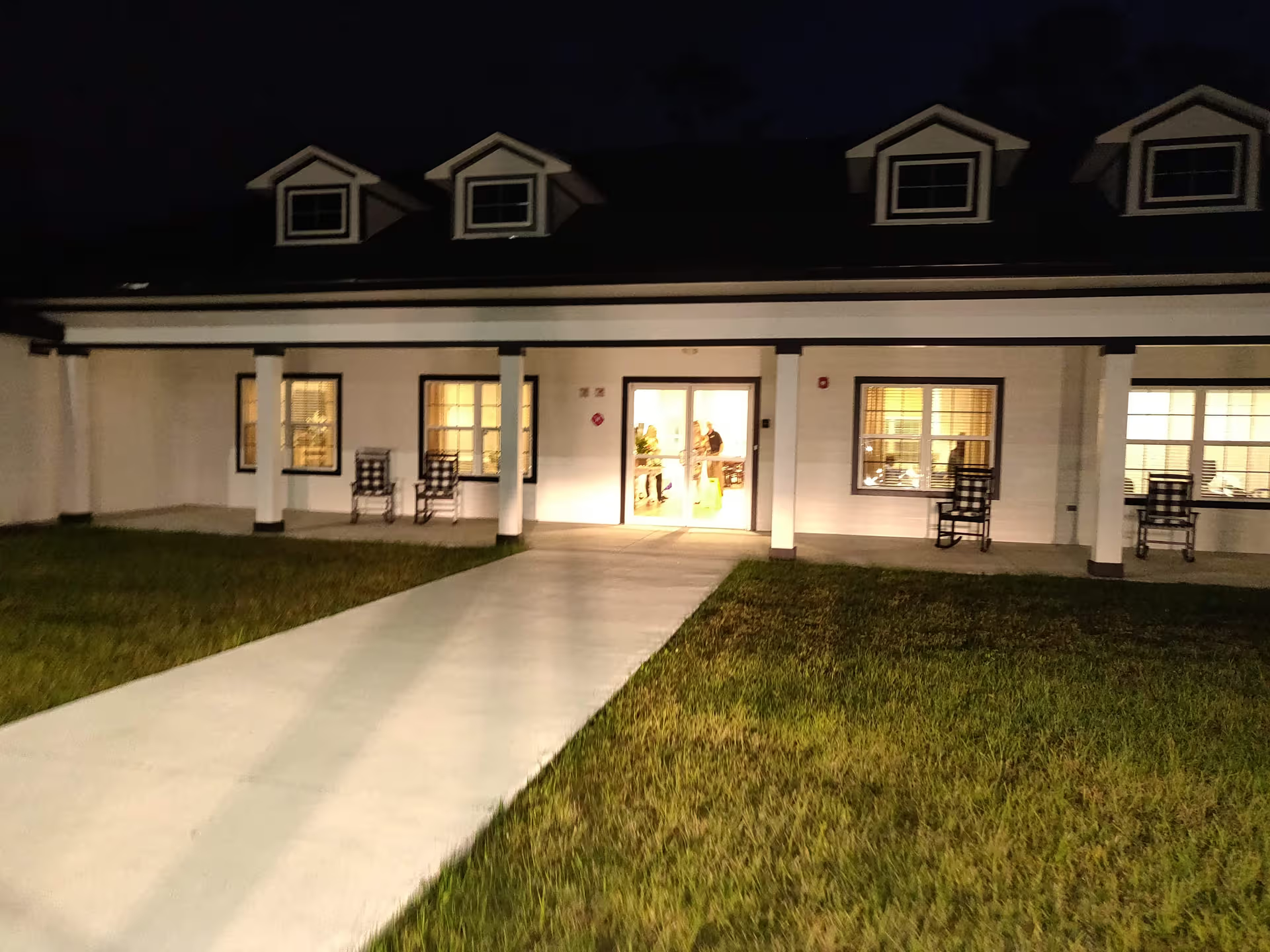
Facilities, housekeeping, and maintenance The property is repeatedly described as impeccably maintained, clean, and comfortable, with a pleasant courtyard and balcony spaces that residents enjoy. However, a minority of accounts raise sanitation and maintenance concerns, including uneven housekeeping or upkeep in some rooms and common areas. These appear to be intermittent rather than systemic in every area, but they point to operational gaps that management should address as occupancy grows.
Management and operations Leadership, admissions, and the sales team are generally portrayed as professional, patient, and helpful, with a stated emphasis on staff training and building a high-performing team. Families report clear communication and transparency in many cases. There are signals of typical early‑stage operational variability—staffing fluctuations, training needs, and occasional response delays—that prospective residents should consider. These appear correlated with the community’s newness and ramp-up phase rather than uniform, long-term deficiencies.
Notable patterns and practical advice The strongest, consistent themes are the quality of interpersonal care, robust activities, attractive facilities, and a family-centered culture. The primary concerns are variability in day-to-day operational consistency—especially responsiveness to calls, occasional housekeeping/maintenance lapses, and uneven dining experiences. Prospective residents and families would benefit from asking targeted questions during a visit: typical staff-to-resident ratios by shift, response-time expectations and call-response auditing, sample menus and meal observations, examples of recent housekeeping/maintenance issue resolution, and how leadership manages staff onboarding and training. Observing the community during a meal period and peak activity times can help validate the generally positive impressions while revealing any operational inconsistencies to address before move-in.