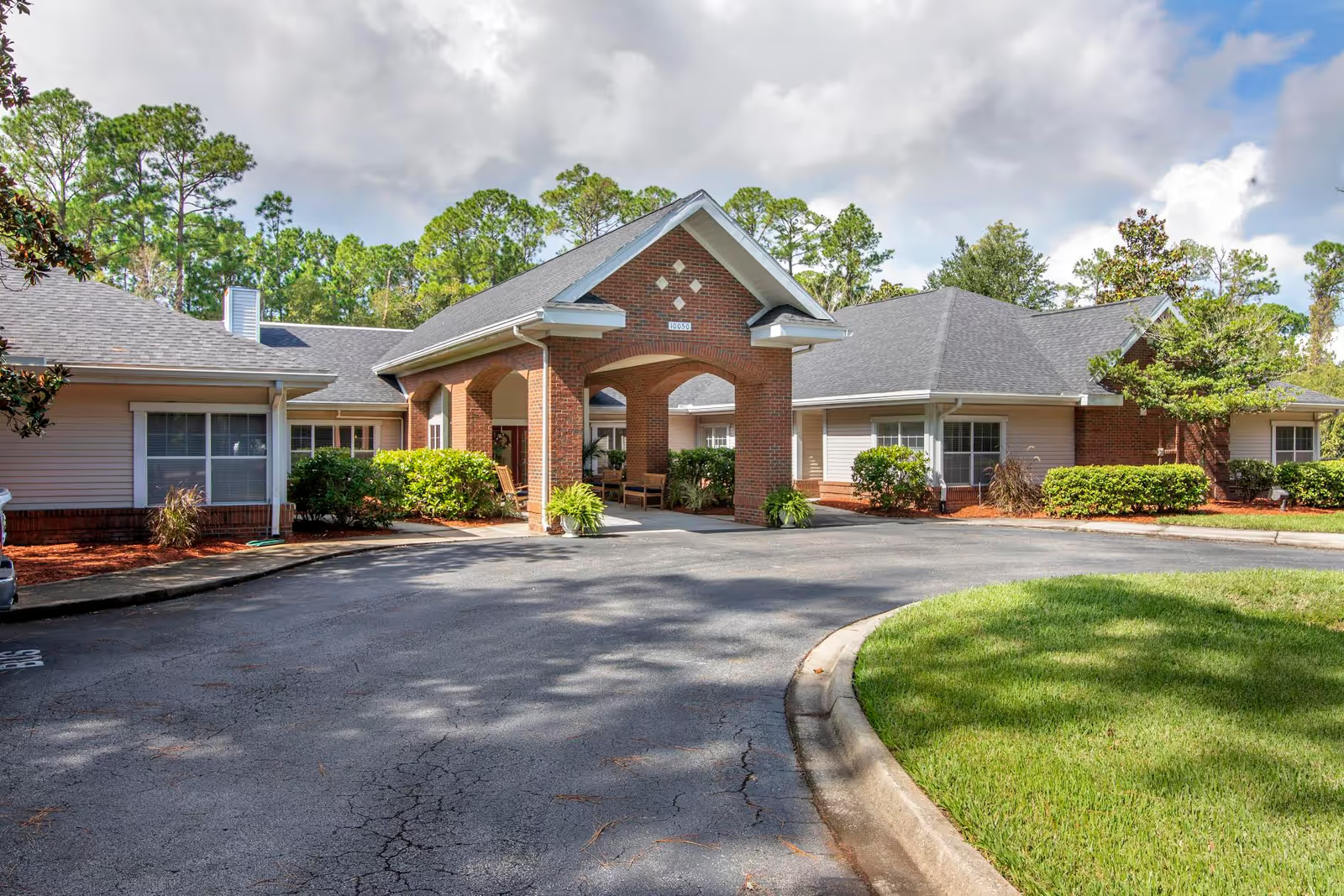
Brookdale Mandarin Central presents as a medium‑sized, memory‑care–focused community with many attributes families cite as supportive for residents with dementia or Alzheimer’s disease. The facility emphasizes Alzheimer’s‑specific programming and offers a broad calendar of person‑centered activities — exercises, gardening, arts and crafts, cooking, pet therapy, brain games and frequent outings — intended to maintain engagement and routine. Many accounts describe a small, family‑style atmosphere in which staff know residents by name and actively encourage participation.
Staff competency and clinical support are recurring strengths in these accounts. Reviewers frequently describe compassionate, patient caregivers and strong nursing/clinical services; several note attentive medication oversight in clinical respects and staff who facilitate smooth transitions during move‑in. Families also point to warm hospitality from administration and activity directors, and to special events (for example, holiday and Mother’s Day programming) that foster family involvement and social connection.
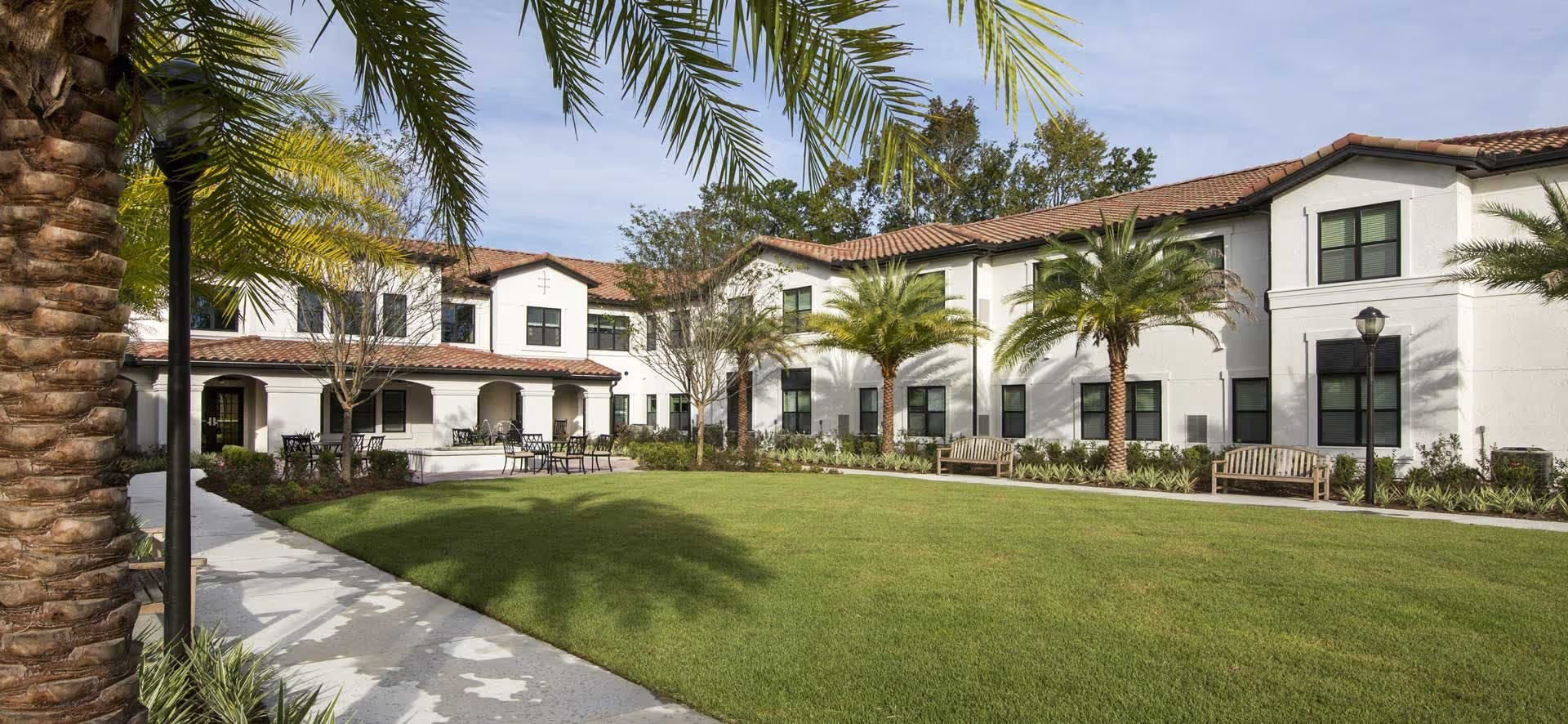
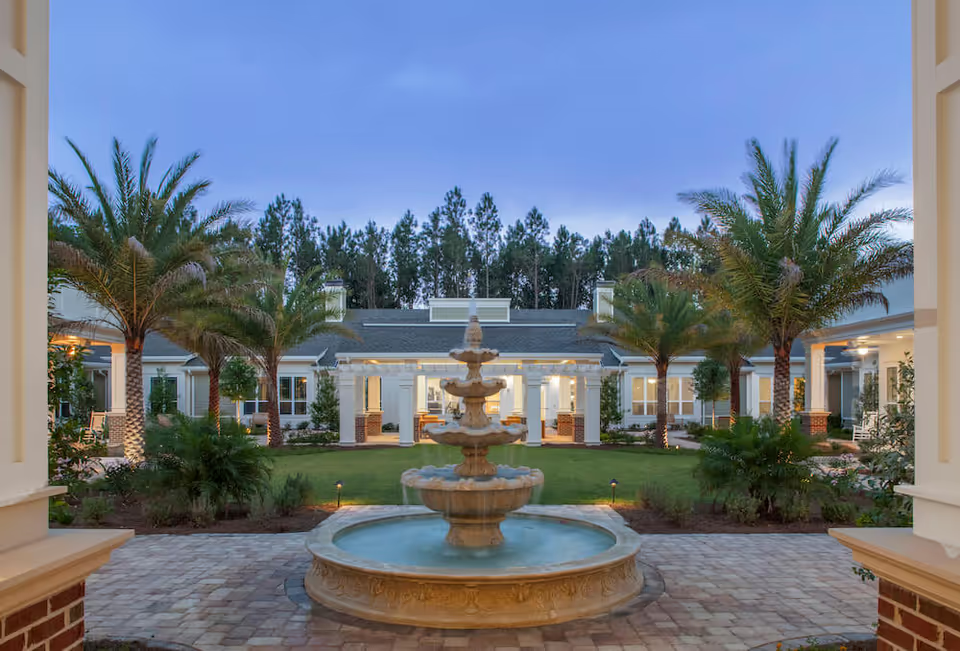
Dining and food service are commonly praised: a skilled chef, multiple menu choices, and appealing meals are repeatedly highlighted. Onsite amenities such as a sunlit courtyard, salon/barber services, shopping transportation, pet‑friendly policies, and large apartment options (including two‑bedroom units) contribute to a residential, apartment‑style environment. Many reviewers emphasize the facility’s cleanliness, bright common areas, and well‑maintained grounds.
Despite these strengths, a notable set of operational concerns emerges across reviews. Staffing consistency is the most frequent area of dissatisfaction: high turnover, gaps in coverage (particularly on weekends or part‑time shifts), and variable responsiveness are cited. Related to staffing, several families reported inconsistent personal‑care assistance (bathing/dressing and day‑to‑day ADL support) and instances of delayed attention. Medication handling and administration were raised as a recurring issue in some accounts, indicating a need for closer pharmacy oversight and standardized administration protocols.
Housekeeping and maintenance are uneven in practice according to the feedback: while many describe a clean, bright facility, others report intermittent sanitation and housekeeping lapses as well as slow maintenance responses for apartment repairs. Ancillary billing and extra‑charge practices also generated concern; some families experienced unexpected fees for items or services that were assumed to be included, suggesting clearer communication around pricing would be beneficial. A number of comments call out the building’s age — dated finishes, small rooms, and areas that could benefit from cosmetic updates — even when the community is otherwise well kept.
Overall pattern: the facility appears to deliver strong memory‑care programming, social engagement, and dining experiences for many residents, with a culture that families frequently describe as caring and person‑centered. However, variability in staffing, communication, personal‑care consistency, medication administration, and ancillary billing are recurrent themes that prospective families should assess during tours. Recommended actions for visitors: ask for the current staffing ratios and turnover statistics, review medication‑management and housekeeping protocols, clarify additional fees in writing, and observe activity participation across different times of day (including weekends) to confirm fit for a specific loved one’s care needs.