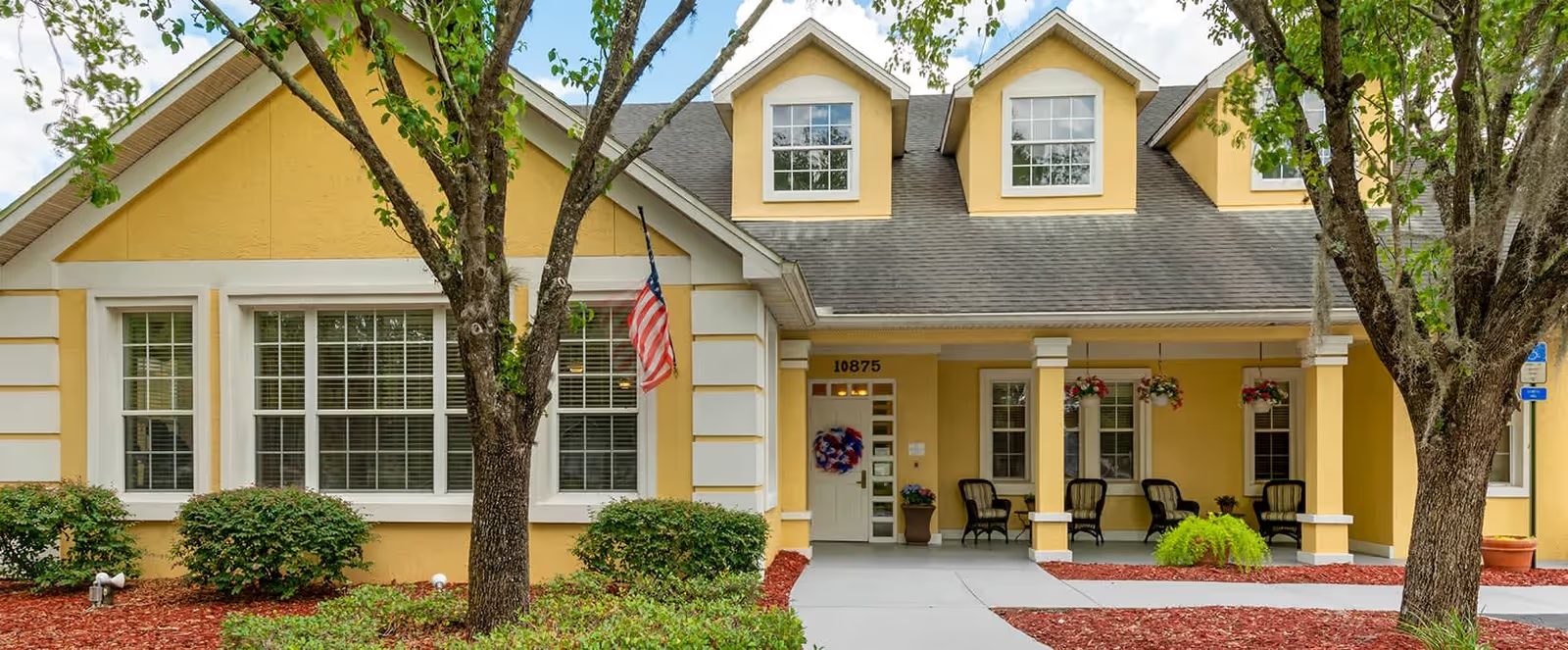
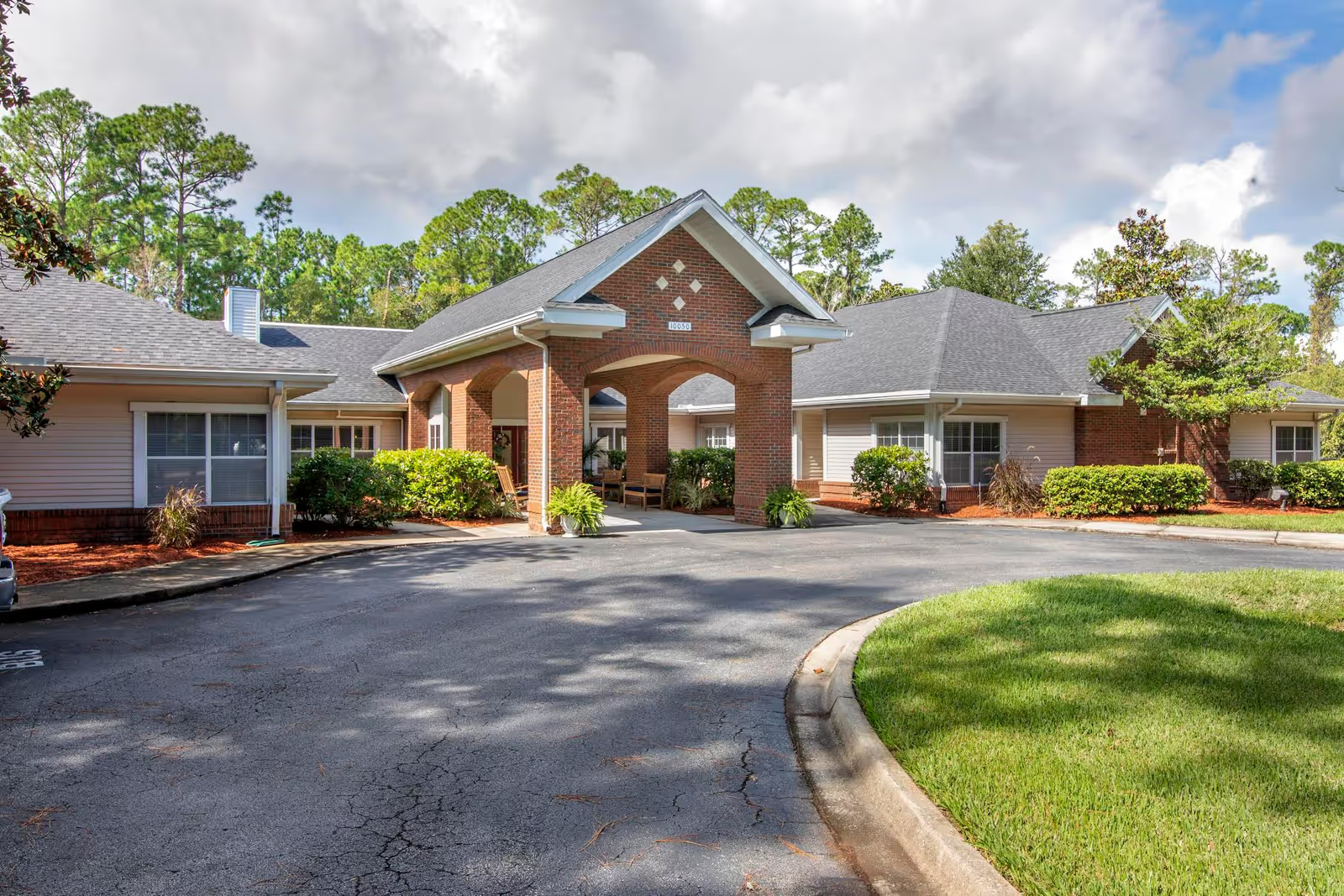
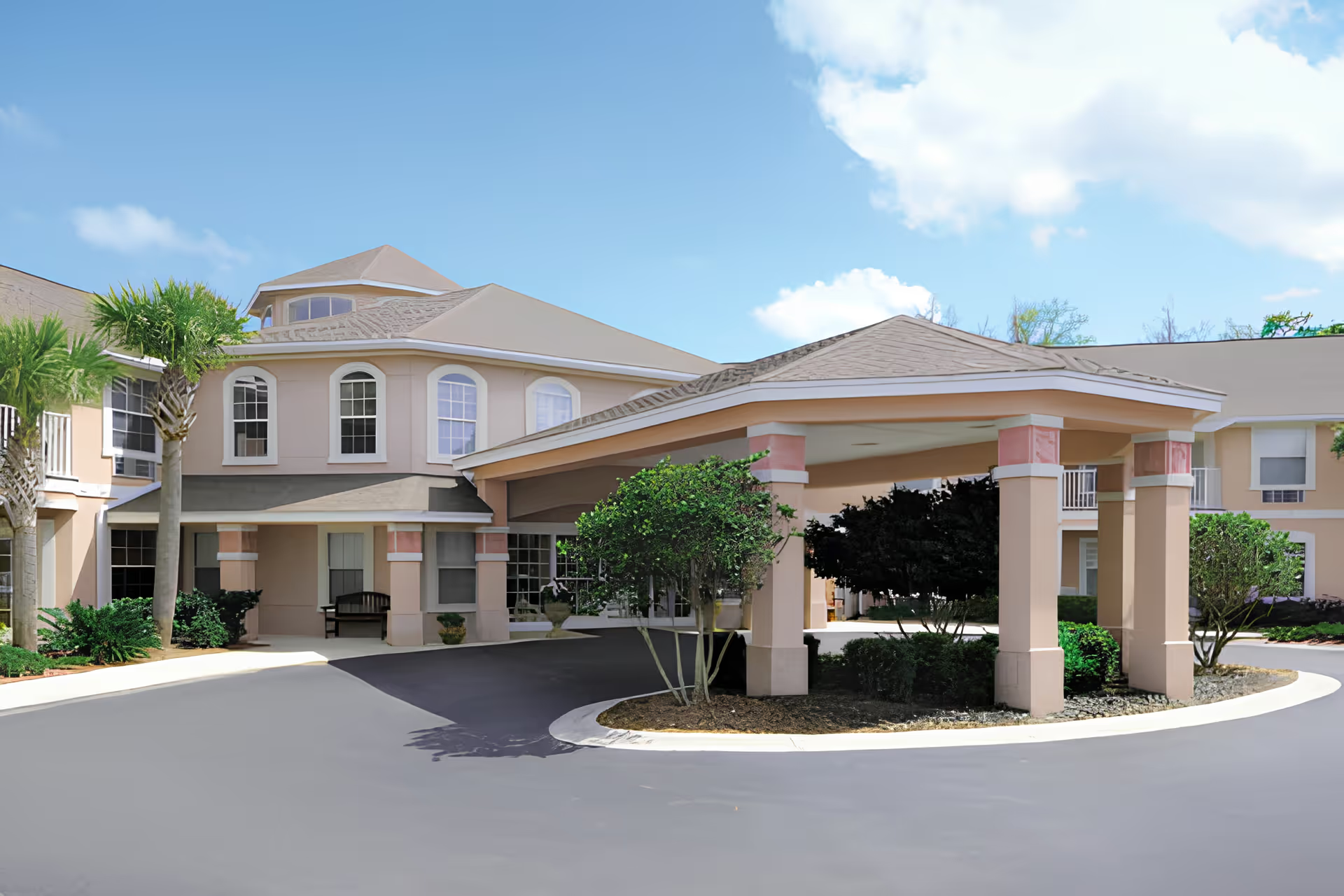
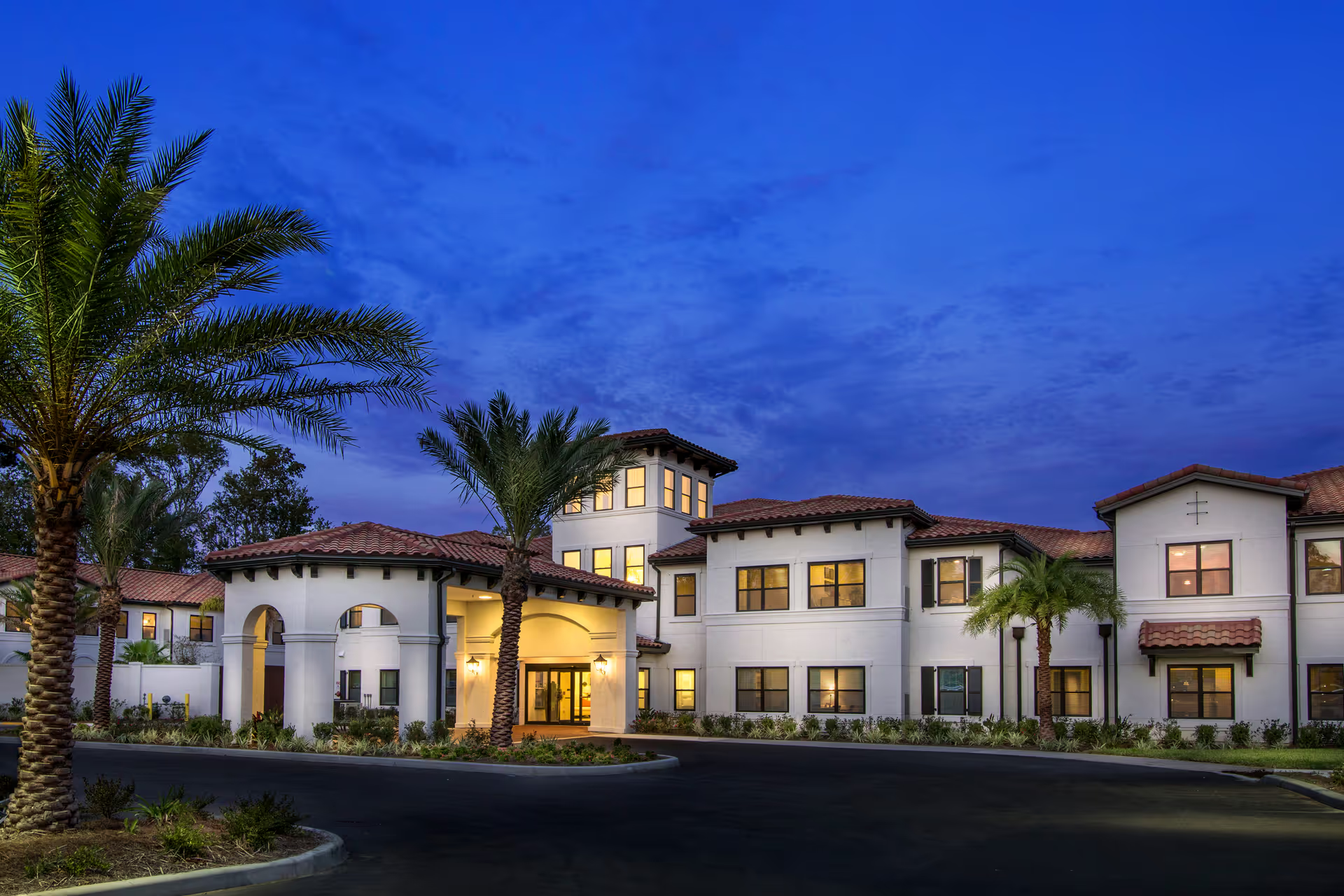
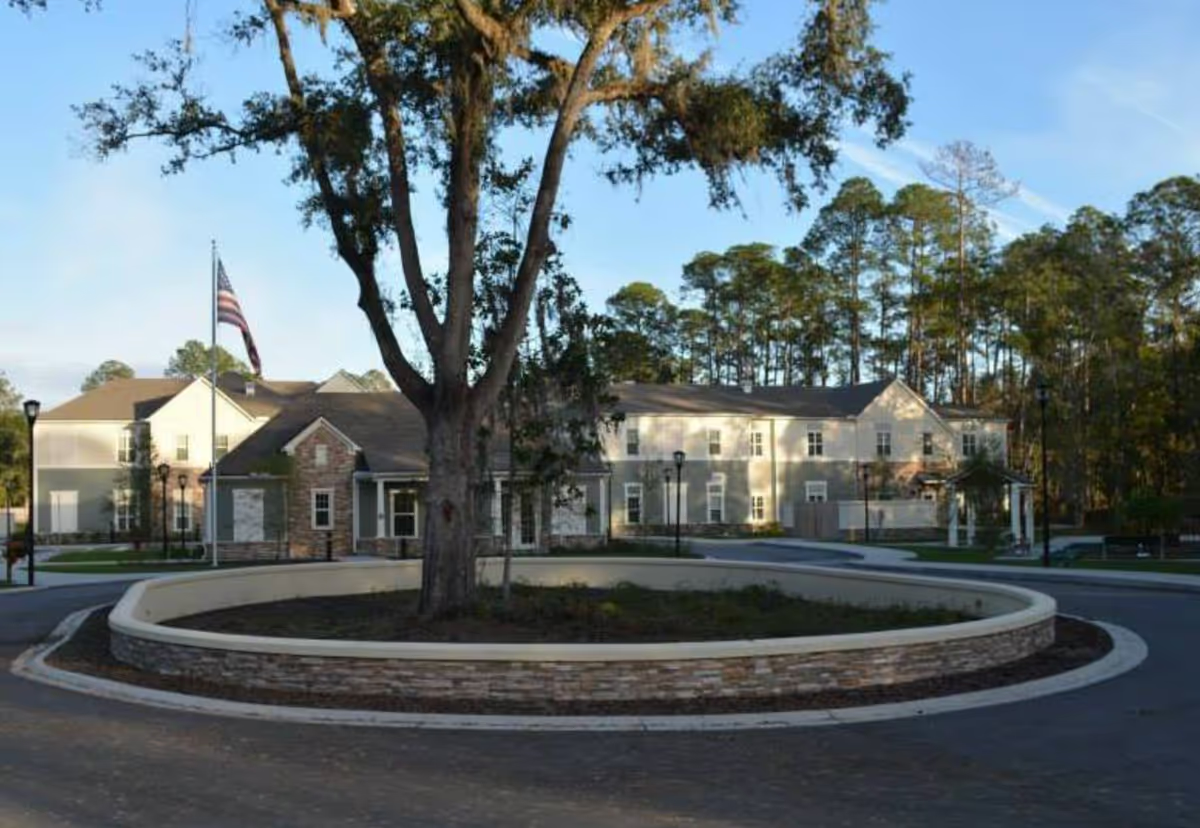
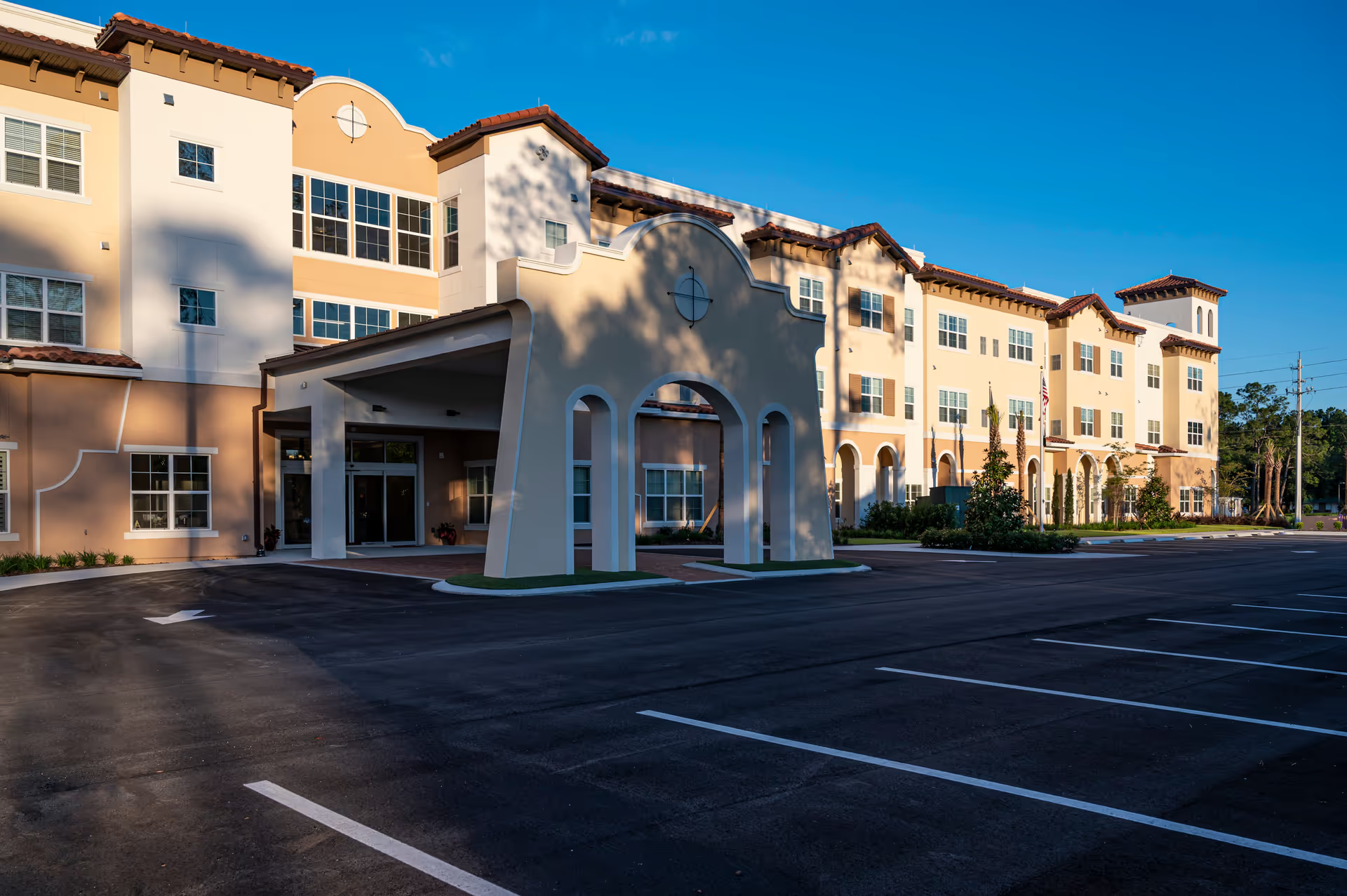
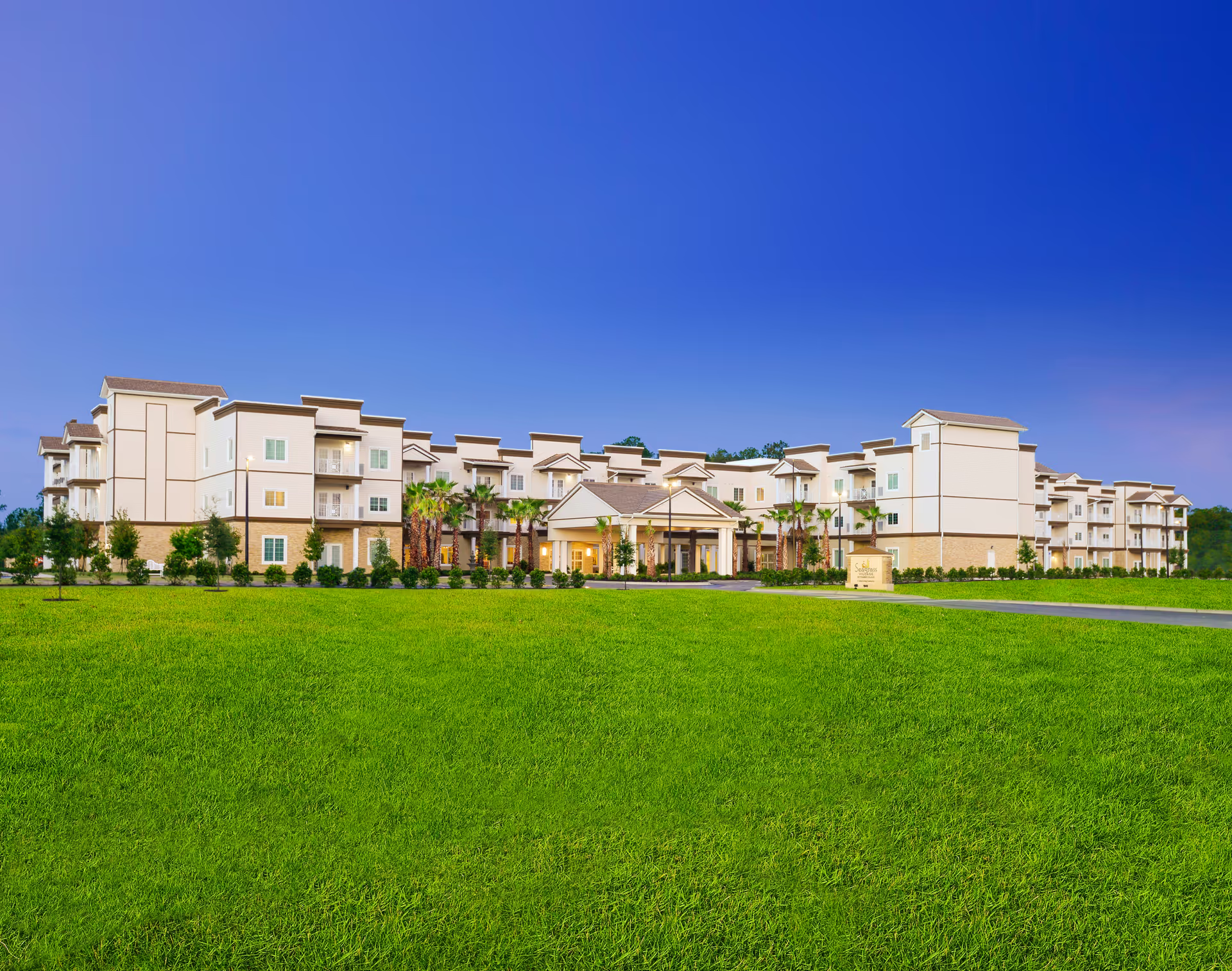
HarborChase of Mandarin presents as a high-end, amenity-rich senior living community with many hallmarks that appeal to independent-living residents: newly built, bright and well-appointed apartments; resort-like grounds and outdoor spaces; multiple dining venues overseen by an on-site chef; and a broad schedule of life-enrichment activities such as movie nights, clubs, demonstrations, and social events. Numerous comments highlight courteous admissions staff, attentive wait staff in dining venues, housekeeping that keeps apartments presentable, and therapeutic and salon services available on site. For residents seeking an active, concierge-style independent living experience, the community’s physical environment, culinary programming, and social calendar are strong selling points.
Care and staffing descriptions are mixed and represent the most significant area of concern. Families and visitors describe dedicated and compassionate direct-care employees alongside accounts of inconsistent clinical performance. Patterns indicate chronic understaffing at certain shifts, uneven training and skill mix for clinical tasks, and evening or subacute coverage gaps. Several items point to gaps in medication administration controls and limited on-site clinical leadership presence, which can affect oversight and rapid clinical decision-making. These operational weaknesses are particularly relevant for residents who require higher-acuity care or memory-support services; reviewers suggest the community may be better suited to lower-dependency independent living than to complex assisted- or memory-care needs without careful verification of staffing and protocols.
Dining and activities are notable strengths but not uniformly consistent. The on-site chef, multiple dining venues, themed demonstrations, and attentive dining staff are frequently praised and contribute to a pleasant social atmosphere. At the same time, a subset of comments describes variability in meal preparation and inconsistent adherence to menu plans during some shifts. Activity programming is broad and well-staffed in many instances, supporting a lively community life; prospective residents should confirm how activity participation is supported for different care levels and at different times of day.
Facility maintenance and infection-prevention practices are generally described positively in terms of cleanliness and appearance, but isolated concerns appear in some units and episodes (for example, a localized sanitation issue and inconsistent mask use during pandemic-related periods). Move-in and onboarding processes receive mixed feedback: many residents experience smooth transitions with concierge-level assistance, while others report delays unpacking and slow follow-up on refunds or deposits. Financial practices are another recurring theme: additional charges for services such as medication management, opaque ancillary fees, attempts to process insurance benefits, and slow account reconciliation or refund processing have caused stress for some families. These financial-administration patterns merit direct clarification during the touring and contracting process.
Management and leadership responsiveness show variability. Administrative and admissions personnel are often described as accessible and helpful, but executive leadership and nursing leadership availability are frequently characterized as limited or slow to respond. This uneven responsiveness affects family communication, follow-up on concerns, and timely resolution of billing or move-in issues. Operationally, reliance on overtime and double shifts was cited as a contributor to staff fatigue and potential safety or quality implications.
Bottom line: HarborChase of Mandarin offers a high-quality physical environment, strong dining and activity programming, and many compassionate frontline staff — features that make it an attractive option for active independent-living residents. However, there are consistent operational themes that families should evaluate closely before entrusting higher-acuity care to the community: verify current staffing ratios and training credentials, ask about medication-administration policies and the frequency of on-site clinical leadership, obtain a clear written description of all ancillary fees and the billing/refund process, and review infection-prevention protocols and memory-care staffing models. A targeted tour with specific operational questions and conversations with current resident families will help determine whether the community’s strengths align with a prospective resident’s care needs.