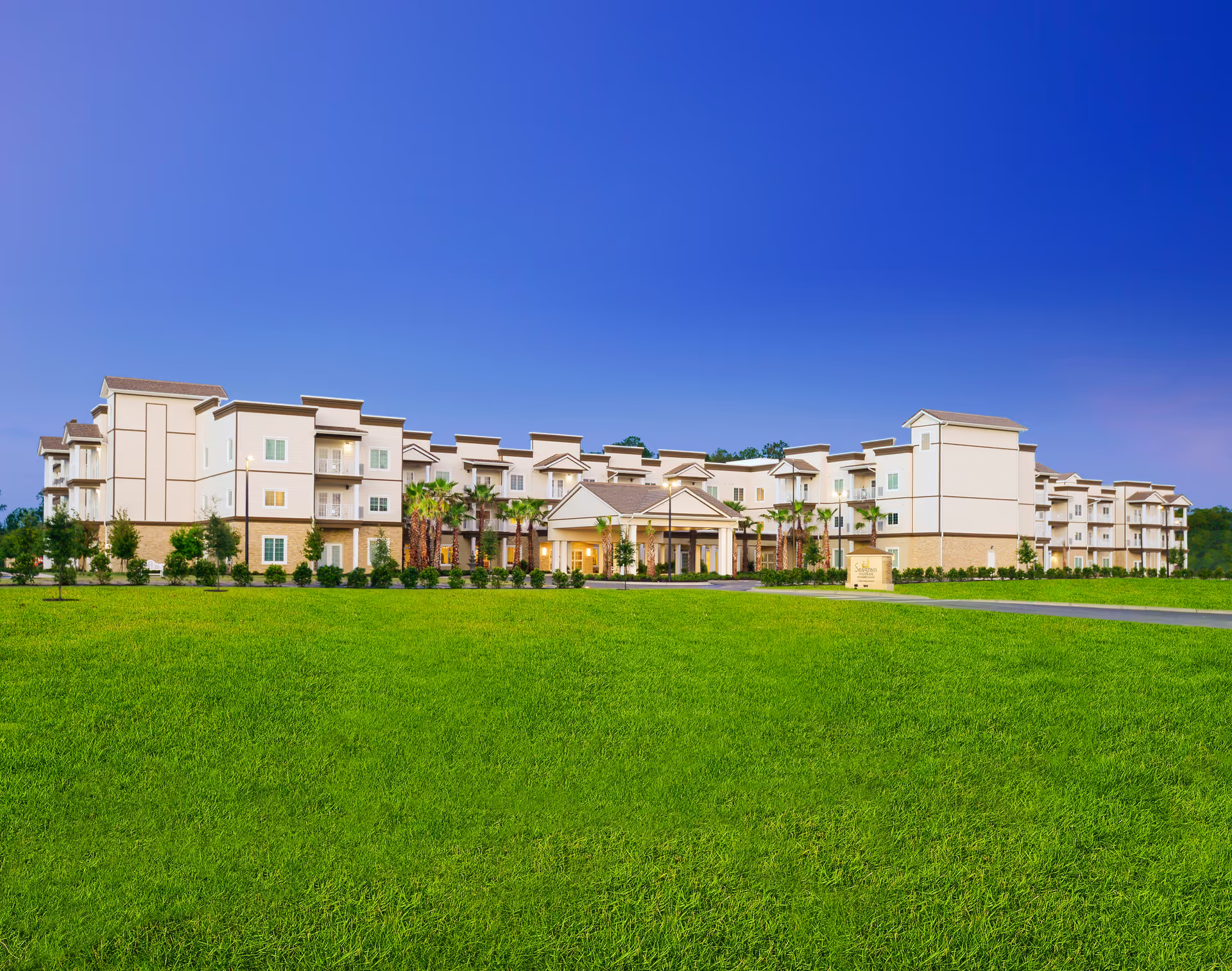
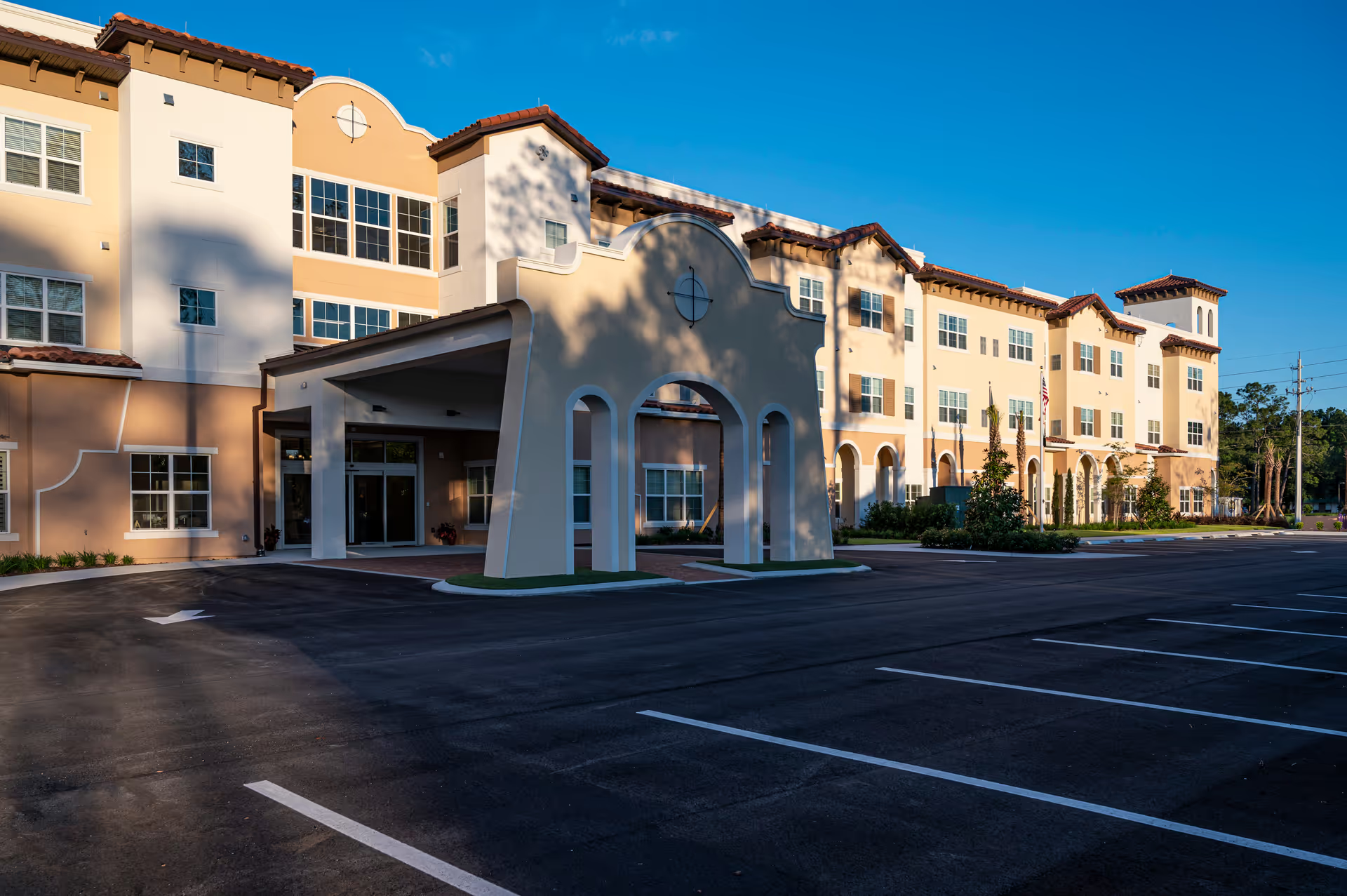
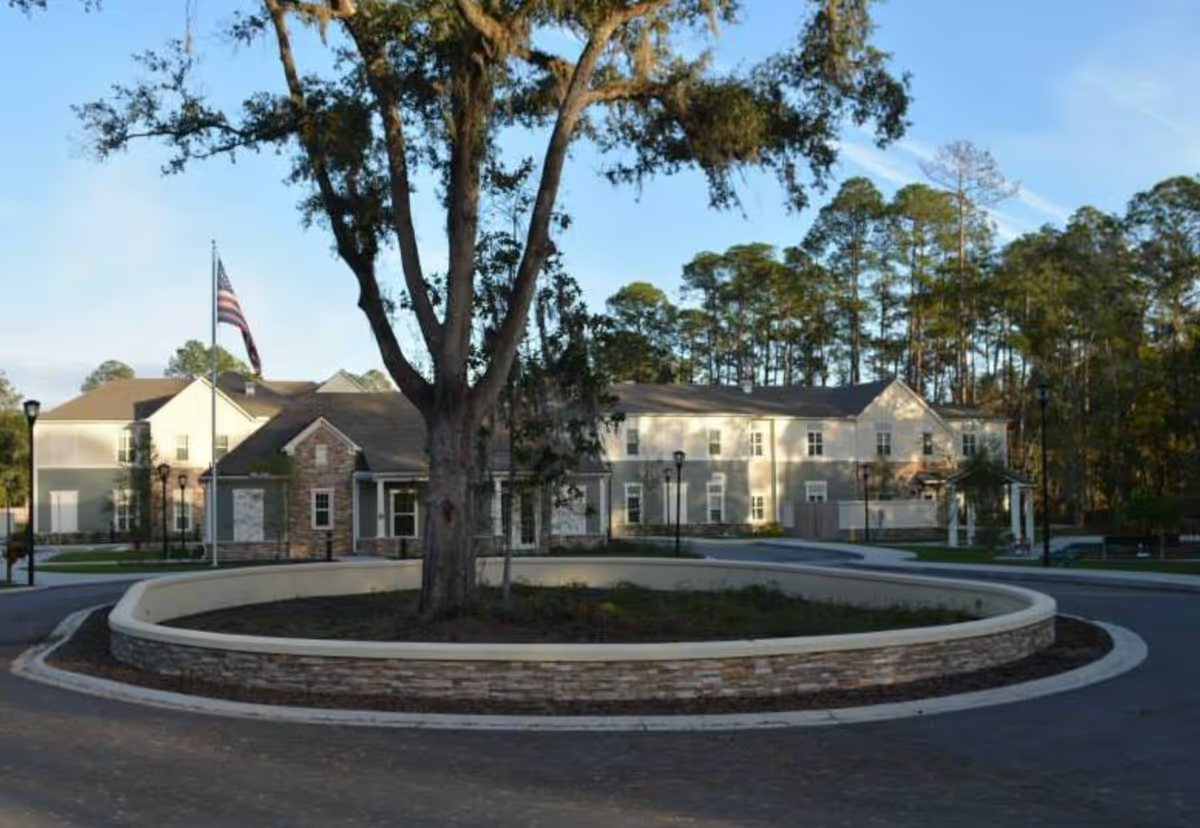
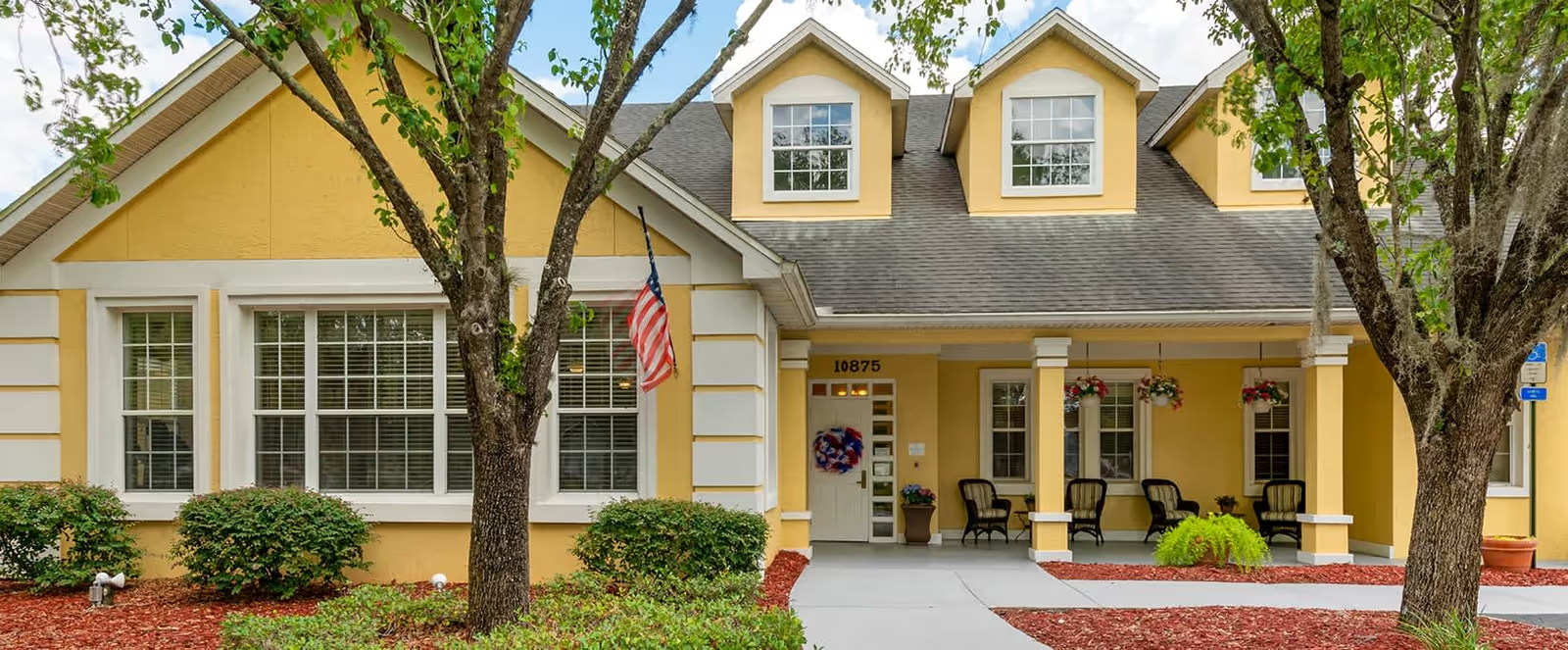
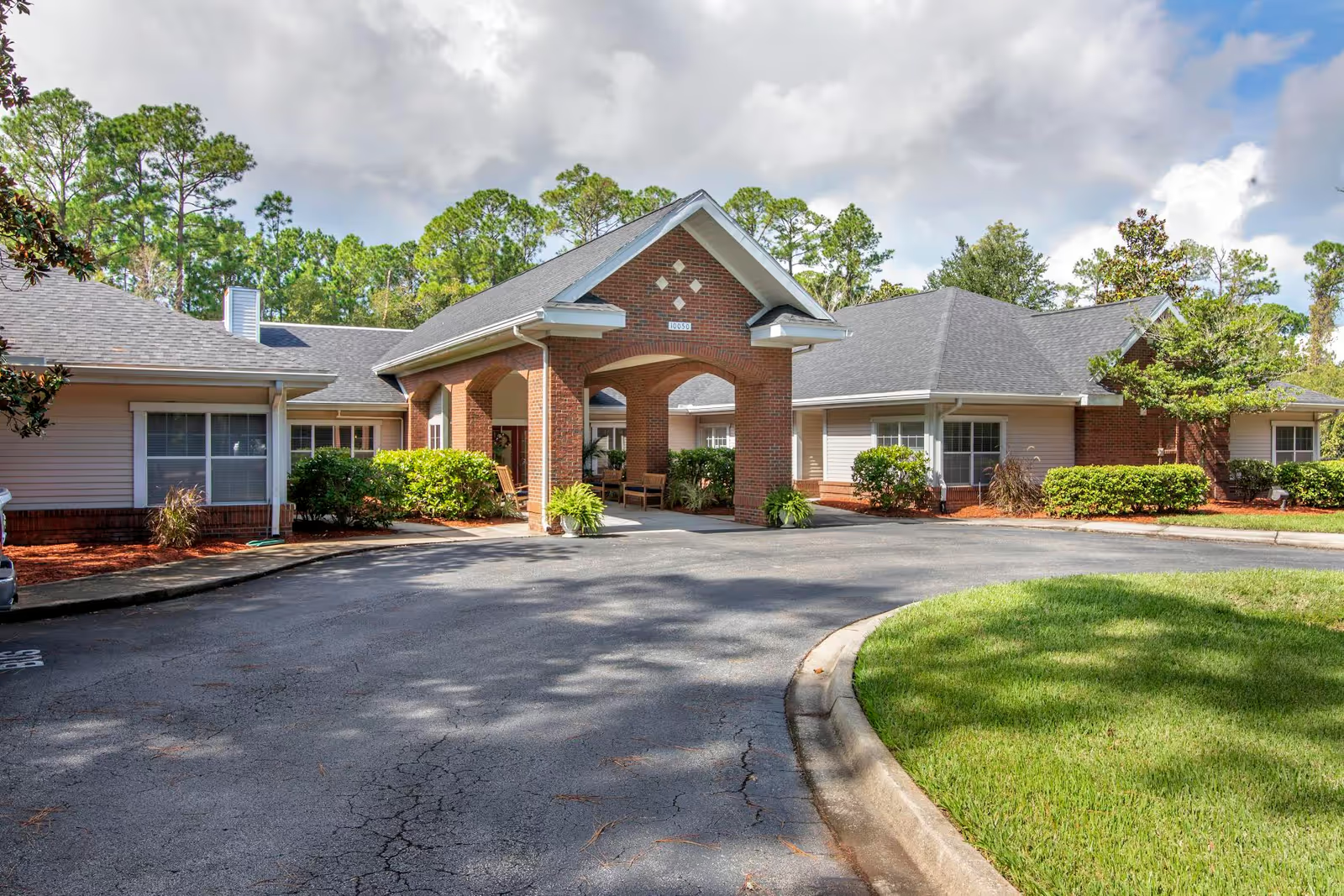
Allegro Senior Living – Fleming Island is generally presented as a modern, well‑maintained community with strong social programming and many amenities. Reviewers consistently praise the facility’s appearance, outdoor spaces, and public areas; housekeeping and laundry are frequently described as efficient, and many residents and families highlight the hotel‑like cleanliness of common areas. The physical plant supports a range of services (on‑site salon, therapy and wellness gym, secured memory care, private rooms with small kitchenettes, and accessible walkways), and transportation for off‑campus outings is a commonly noted positive.
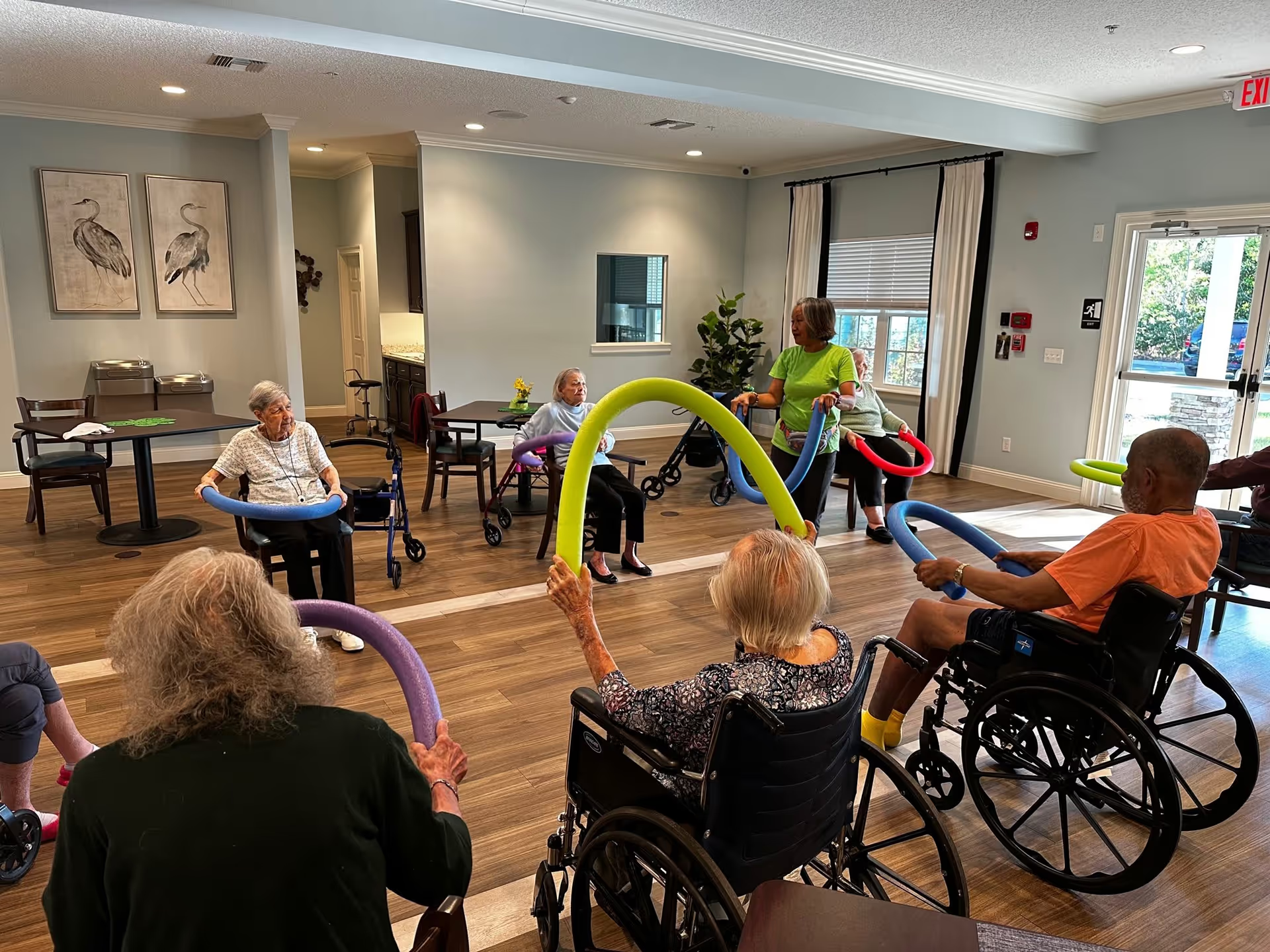
Staff and care receive mixed but predominantly favorable commentary. Numerous accounts emphasize compassionate, attentive caregivers, helpful admissions and tour staff, and smooth move‑ins supported by nursing evaluations and welcoming activity teams. The activities program is a clear strength: reviewers cite frequent and varied options (exercise classes, music visits, theater outings, seasonal events, and regular social gatherings) that create opportunities for friendships and engagement. At the same time, several families described concerning lapses in clinical responsiveness and timeliness of family notification; these accounts point to gaps in clinical‑response protocols and delays in addressing incontinence and other immediate care needs. Such incidents, when they occur, are serious in nature and suggest that clinical oversight and communication procedures merit careful review by prospective families.
Dining at the community elicits polarized reactions. Many reviewers appreciate restaurant‑style service, a diverse menu, fresh‑food emphasis, and three daily meals plus snacks. Others characterize the food experience as inconsistent—some find cafeteria‑quality execution or repetitive offerings—indicating variability between meal periods or kitchen staffing shifts. Dining staff and servers are often described as courteous, but prospective residents should sample meals and review menus to assess personal preferences and portion/quality expectations.
Operational and management themes recur across reviews. Financial transparency and pricing communication are notable concerns: families report unexpected rent increases, discrepancies between quoted and billed amounts, and unclear billing explanations. Staffing consistency is another operational trait to assess—several comments reference reduced staffing levels in the evenings or on weekends, which correlates with reports of fewer activities at night and delayed responses to resident needs. There are also references to variable professionalism at the front desk or with specific staff members and at least one privacy‑related incident; these raise questions about staff training and information‑handling practices.
Suitability and overall fit tend to depend on the prospective resident’s priorities. The community scores well for individuals seeking an active, social environment with robust programming, clean and attractive facilities, and accessible amenities. It is less well suited for those requiring higher levels of skilled nursing care on site, larger apartment layouts, or guaranteed around‑the‑clock individualized clinical supervision without verifying staffing patterns. Prospective families should request specific information during a visit: current staffing ratios by shift, clinical response time protocols, documented procedures for incontinence and urgent-care situations, sample menus and kitchen staffing practices, recent billing statements and rent‑increase policy, privacy and information‑security practices, and typical evening/weekend activity schedules. This targeted inquiry will help determine whether the community’s strengths align with the resident’s care needs and family expectations.