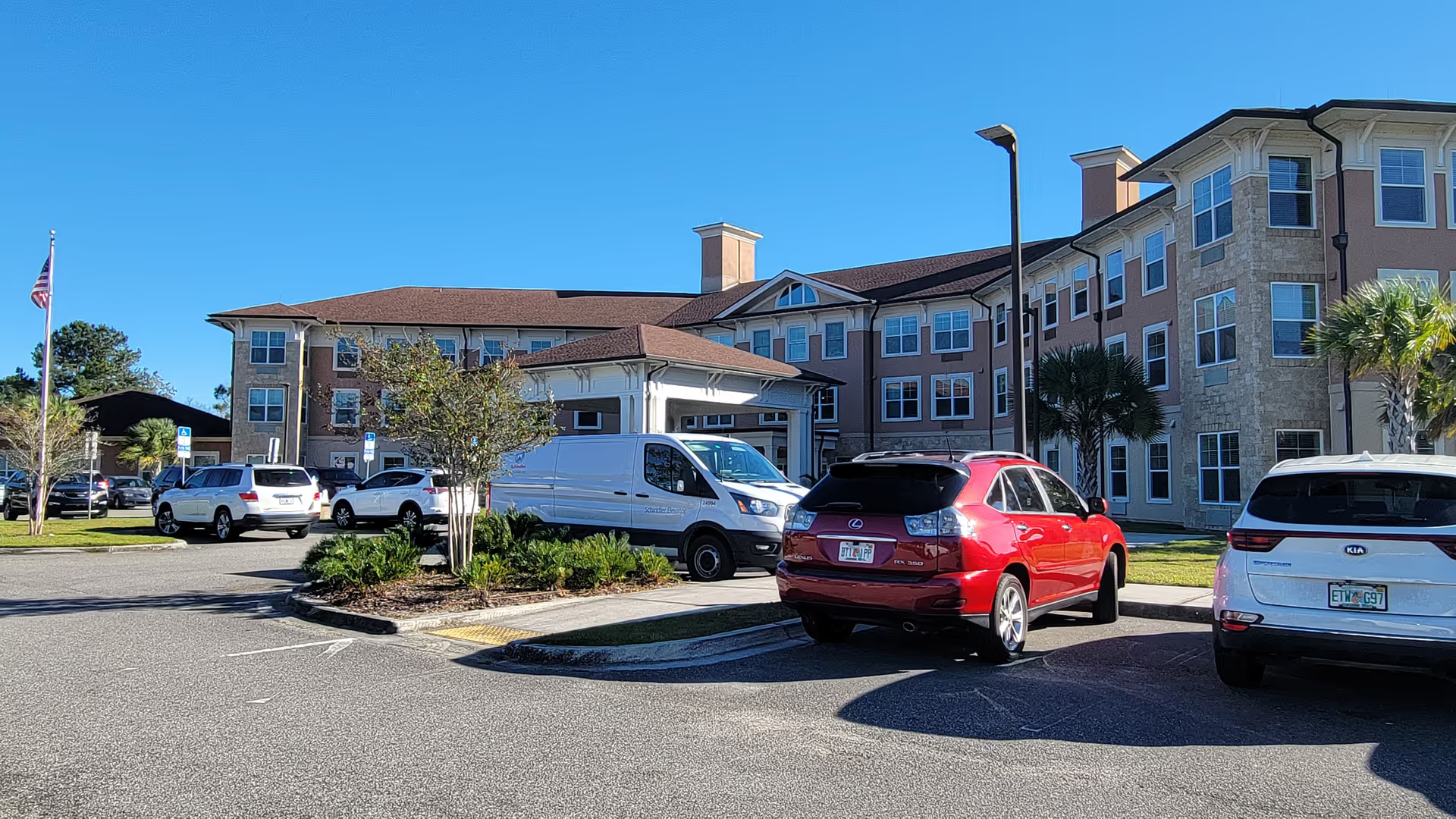
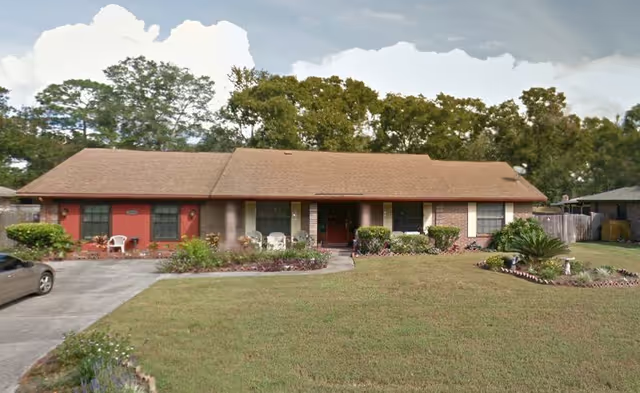
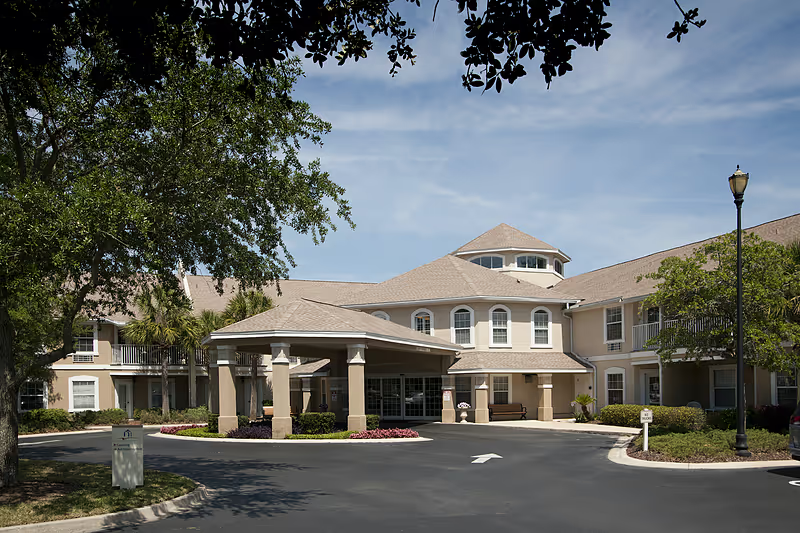
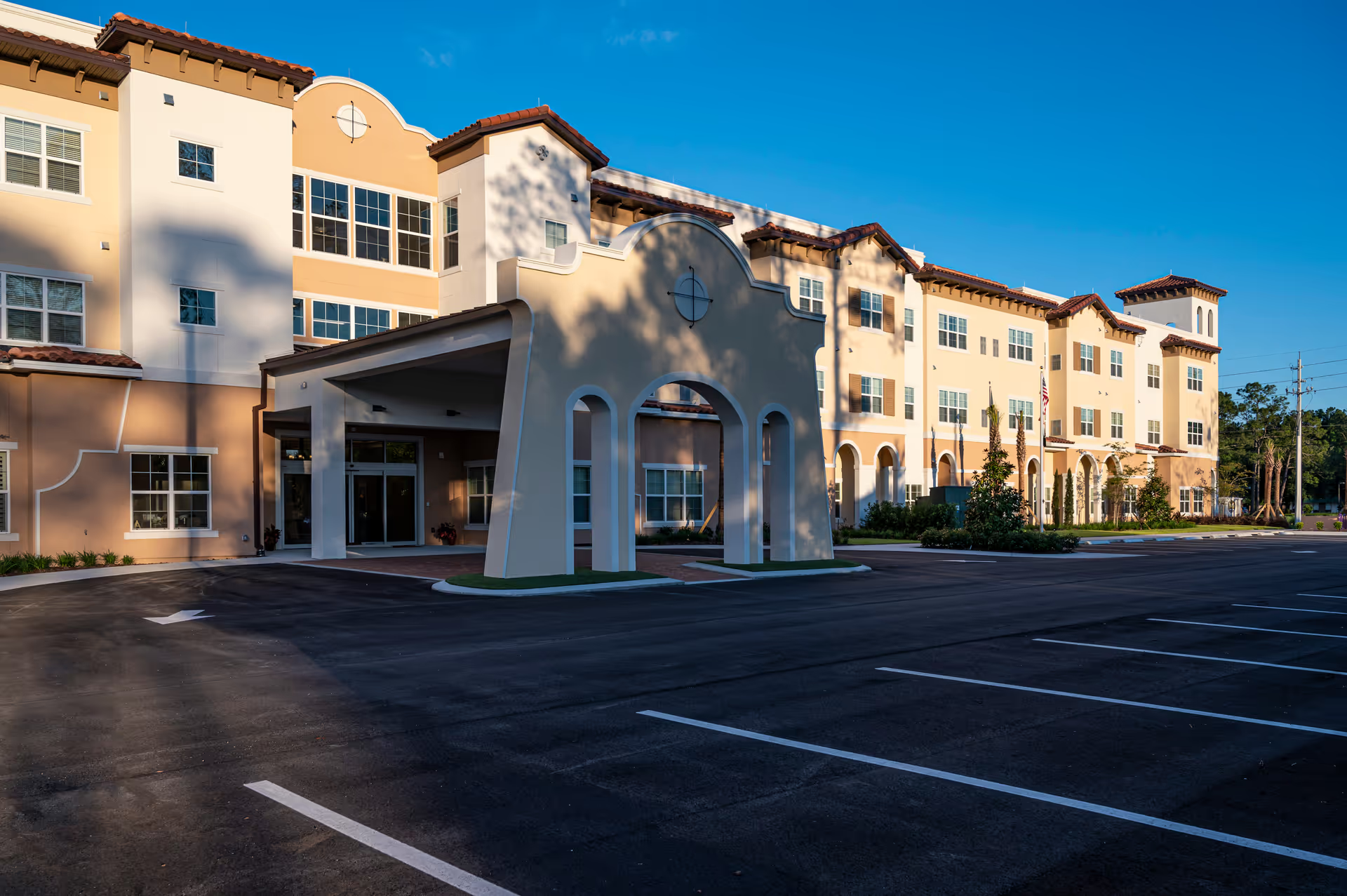
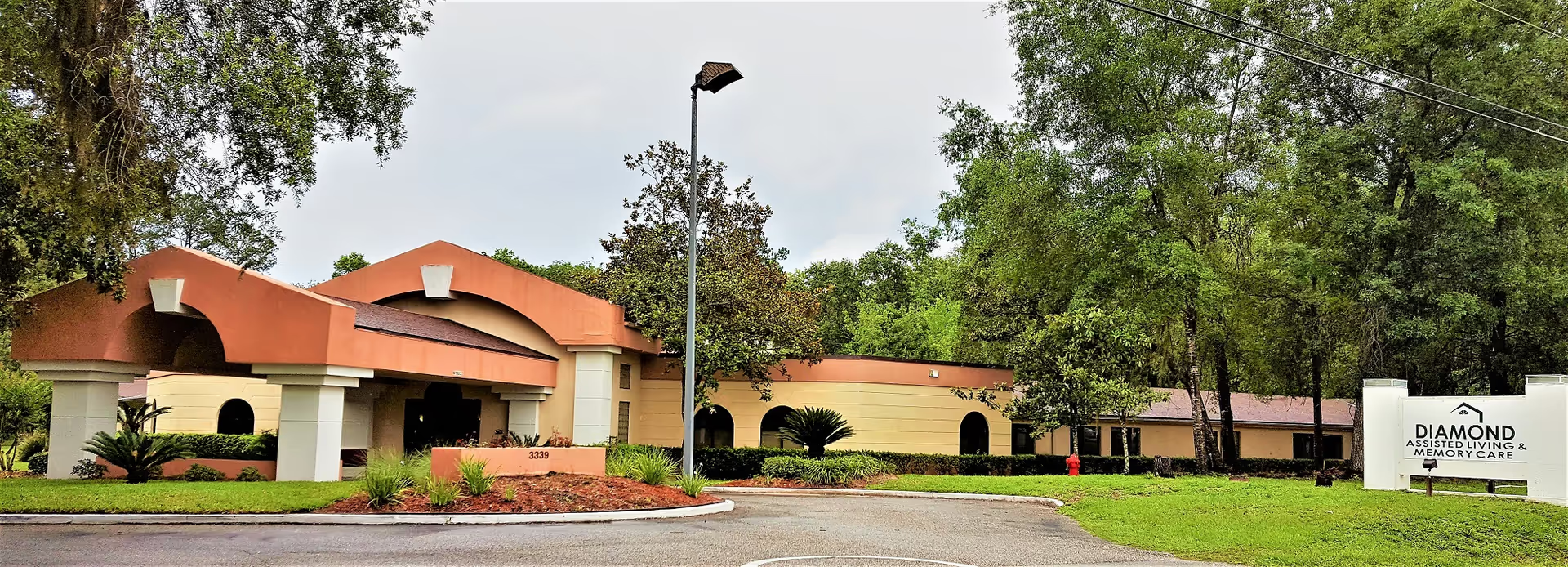
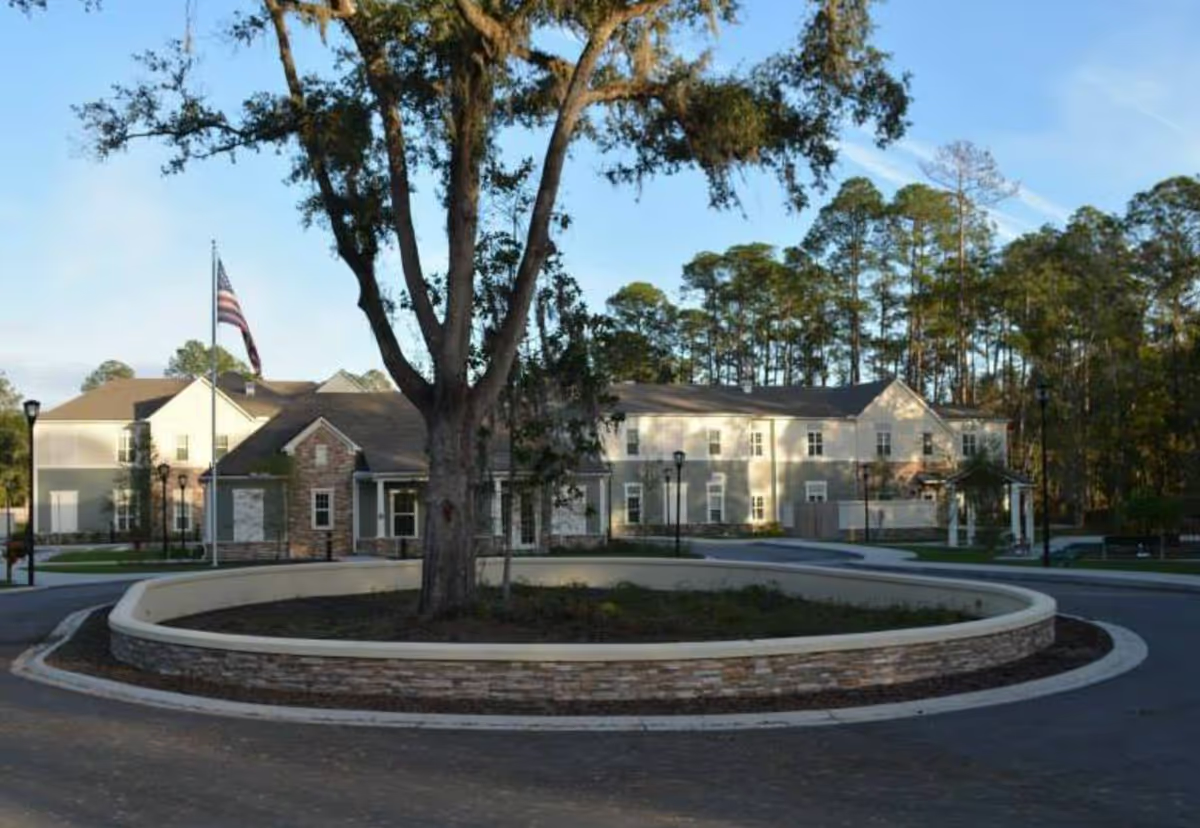
Reviewers describe a community with several clear strengths alongside some operational weaknesses that prospective families should evaluate. The facility is frequently characterized as a boutique, smaller-scale community with a welcoming, attractive building and grounds. Many families highlighted a compassionate, accessible caregiving team, strong staff–family communication, and a generally smooth move-in experience. The dining program is often praised for tasty, varied meals and fresh options under new kitchen leadership. On-site rehabilitation support and an active social calendar (bingo, book club, crafts, bible study and one-on-one interaction) are recurring positives that contribute to resident engagement.
Care and staffing were commonly cited as strengths when residents’ needs matched the community’s resources: staff and management are described as family-oriented, attentive, and willing to assist, and many families felt residents were safe and well cared for. At the same time, several reviews raised serious operational concerns. These include lapses in medication-management controls and inconsistent sanitation/housekeeping practices; reviewers linked these issues to transfers and placement changes in a few cases. There are also comments about limited therapy time availability and variability in clinical incident response and family notification following adverse events. Families with higher clinical needs or those requiring intensive memory-care supports should evaluate these areas closely.
Activities and programming benefit from engaged staff and an enthusiastic activities director, and many residents enjoy the offered groups and one-on-one interactions. However, the small size of the community limits the range and robustness of programming for some residents, and a number of families specifically noted fewer options for individuals with memory impairment or for those seeking a larger, more stimulating social environment. Outdoor space is limited and storage amenities are constrained, which may matter to families who expect extensive private storage or larger grounds.
Administrative matters are another mixed area. Several reviewers praised owner involvement and responsive managers, while others reported billing and communication problems such as unexpected charges or disputes over fees and refunds. Given these mixed experiences, visitors should request written policy details on billing, storage, medication administration, incident notification, and incontinence care during tours.
Overall, this community appears well suited to families seeking a smaller, home-like setting with attentive staff, good meals, and measurable personal attention. Prospective residents with significant clinical needs, complex medication regimens, or advanced memory-care requirements should perform targeted due diligence: ask specific questions about medication safeguards, fall-prevention and incident response protocols, incontinence-care practices, therapy staffing levels, and written billing policies before making a placement decision.