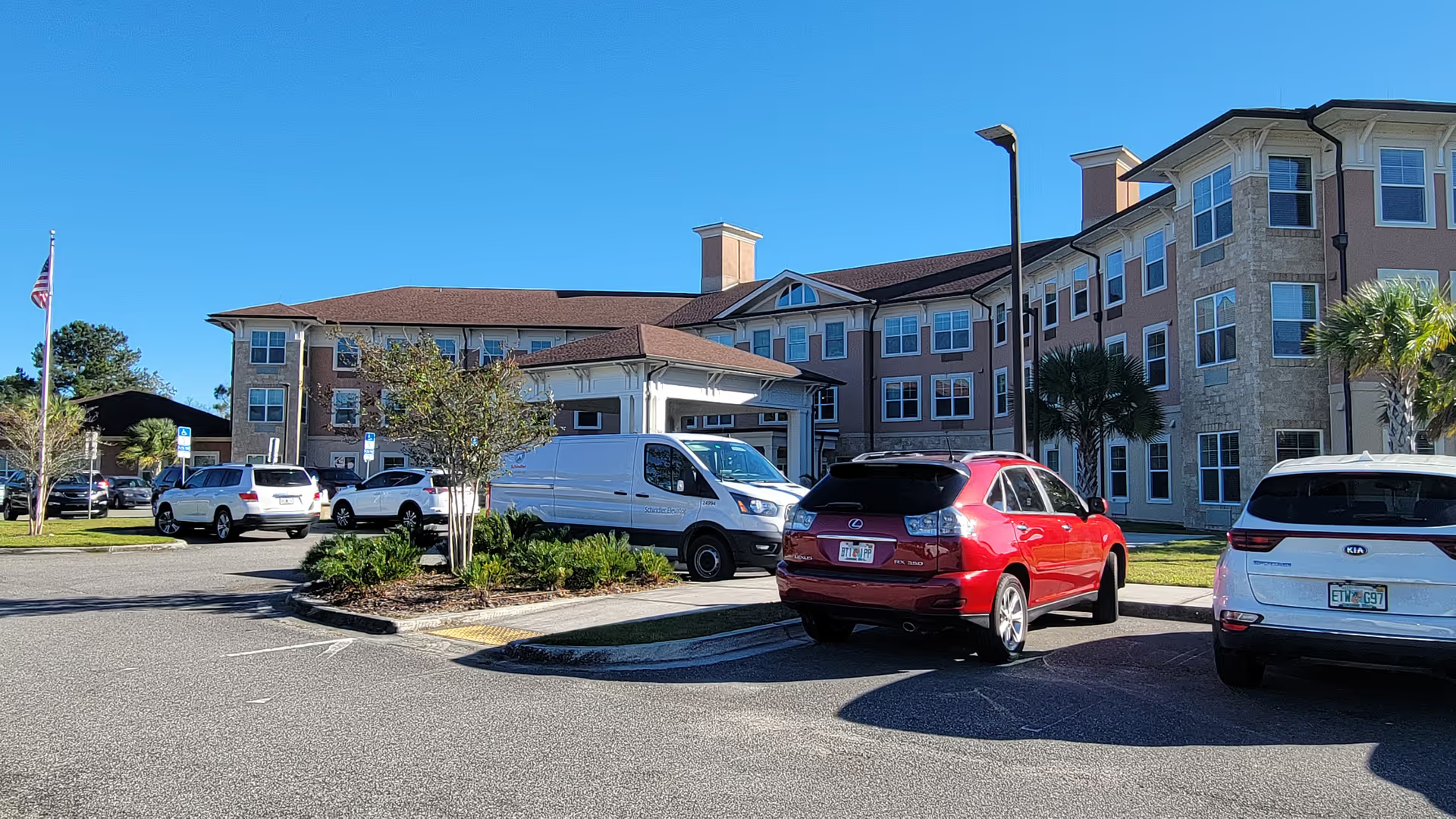
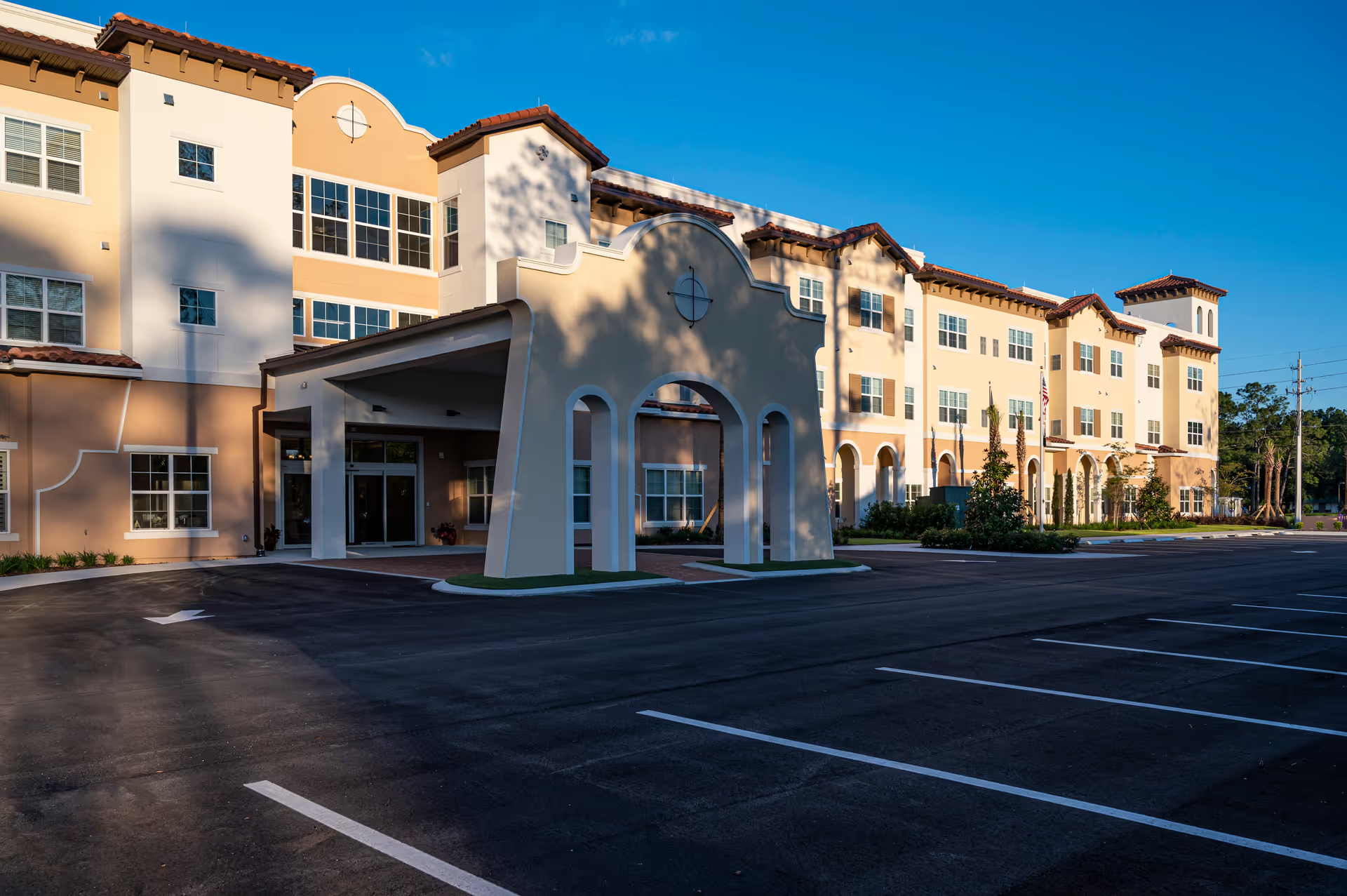
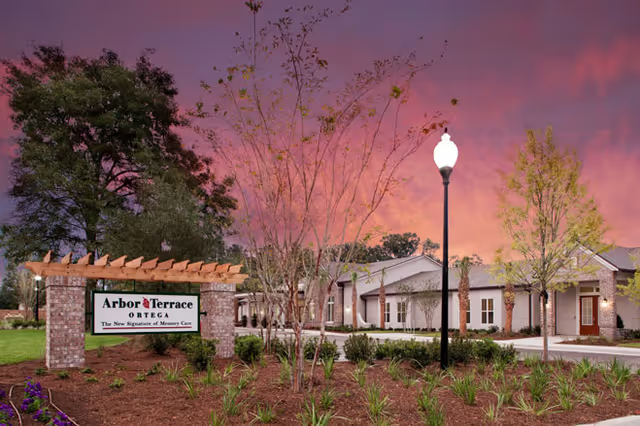
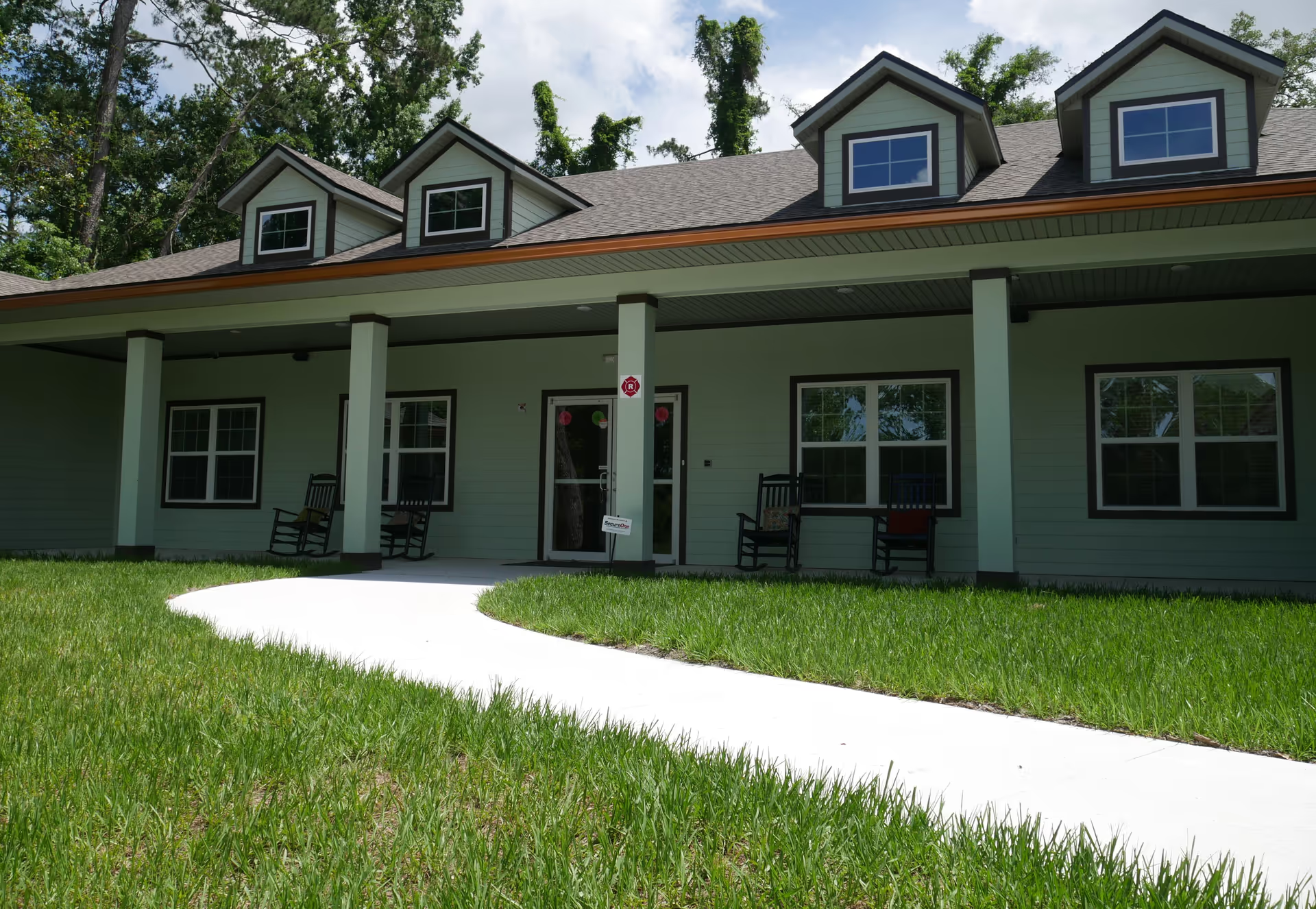
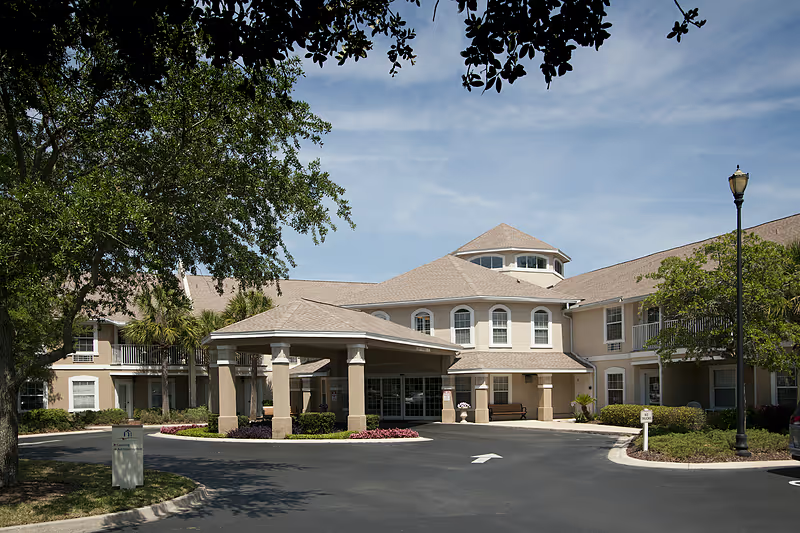
The Addison of Oakleaf (formerly Benton House Oakleaf) elicits a mixed but largely staff-centered portrait: reviewers consistently praise the direct-care team, describing compassionate, attentive caregivers and good nursing presence. Many families highlight staff who provide regular updates, facilitate FaceTime and family contact, and create a warm, home-like atmosphere. The building itself is repeatedly described as clean, well-maintained, and attractively appointed, with an accessible one-floor layout, private-screened porches in some units, and a range of amenity offerings that residents find comfortable.
Care quality appears to be strong at the point of service in many cases. Memory-care caregivers are repeatedly noted for patience, personalized attention, and engaging one-on-one interactions. There are multiple positive accounts of 24-hour care availability, supportive clinical staff, and assistance that gave families peace of mind. That said, reviewers also describe variability: staffing turnover and occasional knowledge gaps have affected continuity of care for some residents, and there are isolated instances of clinical coordination or medication handling issues that prospective families should verify during a tour.
Dining and nutrition feedback is uneven. Several reviewers describe good meals, room-dining options, and enjoyable menus early in residency; others describe a decline in food quality or inconsistent meal delivery over time. Families should clarify current dining procedures, special-diet capabilities, and how meal-service continuity is maintained during staffing or operational changes.
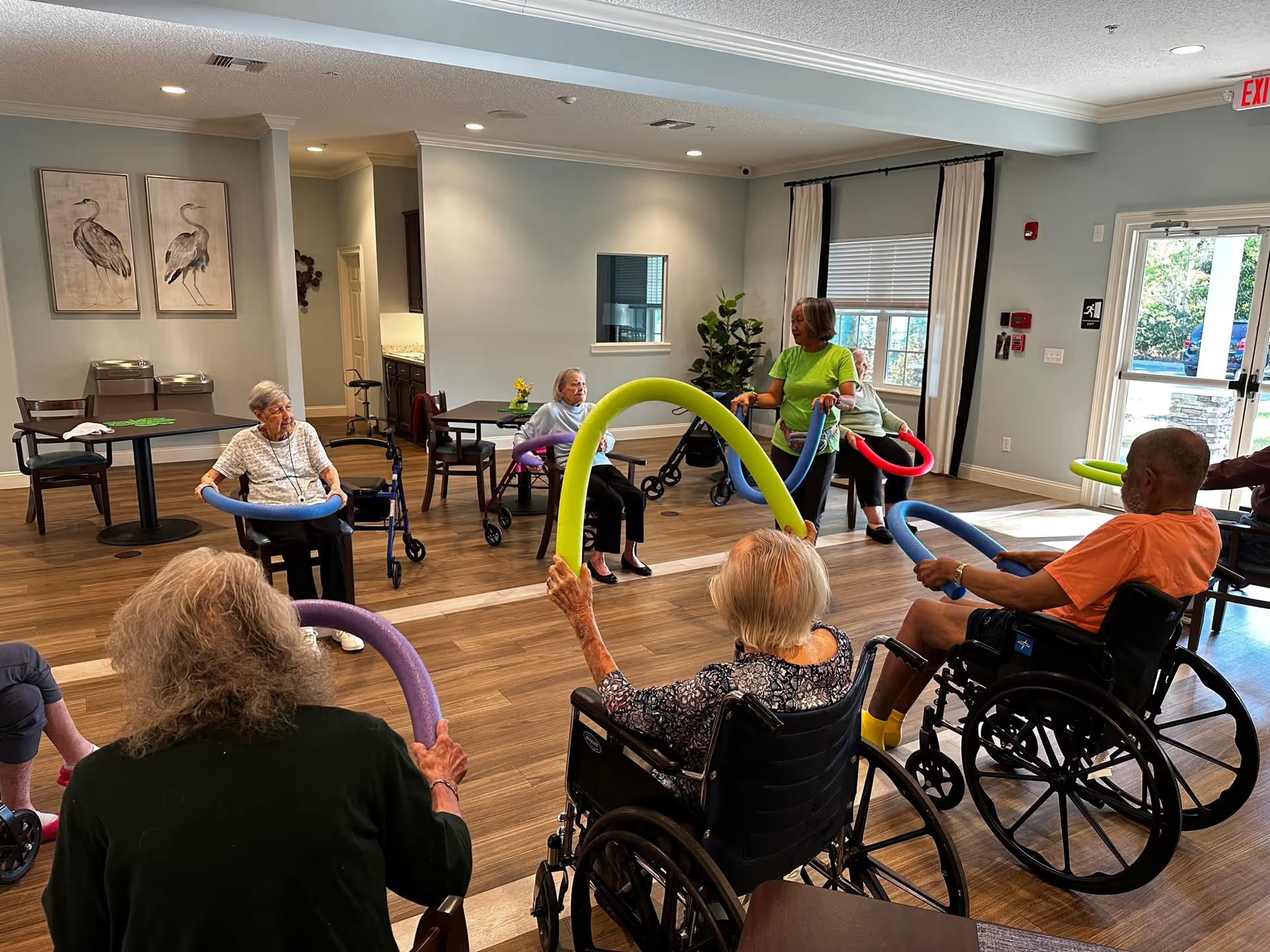
Activity programming is a visible priority in many reviews—crafts, music, dancing, manicures, church services, social events, and resident-led clubs are highlighted. However, there are recurring notes that activity intensity and relevance can drop, especially for memory-care residents, with some programming skewing toward assisted-living interests rather than specialized memory-care engagement. Prospective families should ask for a current activities calendar and observe a memory-care session when possible.
Facility and amenities receive strong positive remarks: cleanliness, pleasant smell, modern finishes, and an inviting atmosphere are common. Operational supports such as transportation to appointments and respite/short-term programs were also appreciated. Infection-control practices were generally noted as effective by many families, although there are references to COVID-19 cases among staff and residents during past events; inquire about current protocols and contingency plans.
Administrative and management issues are the most consistent area of concern. Reviewers describe opaque admission paperwork and consent processes, billing and refund difficulties, and leadership transitions tied to an acquisition and facility rename. These issues have contributed to family frustration in some cases and have implications for contract terms and financial expectations. Pricing and anticipated rate increases are also mentioned as a potential long-term affordability concern.
Overall, the facility is characterized by strong frontline caregiving, attractive physical spaces, and an active social environment for many residents. The principal risks for prospective residents are operational: variability driven by staffing turnover, inconsistent activity delivery in memory care, uneven dining experiences, and administrative opacity around contracts and billing. Families touring the property should verify current staffing ratios and turnover, request the latest activities schedule for memory care, review dining menus and special-diet capabilities, and read admission and refund language in the lease carefully before signing. Clarifying who will be the ongoing point(s) of contact for clinical updates and billing can help mitigate the operational concerns described in reviews.