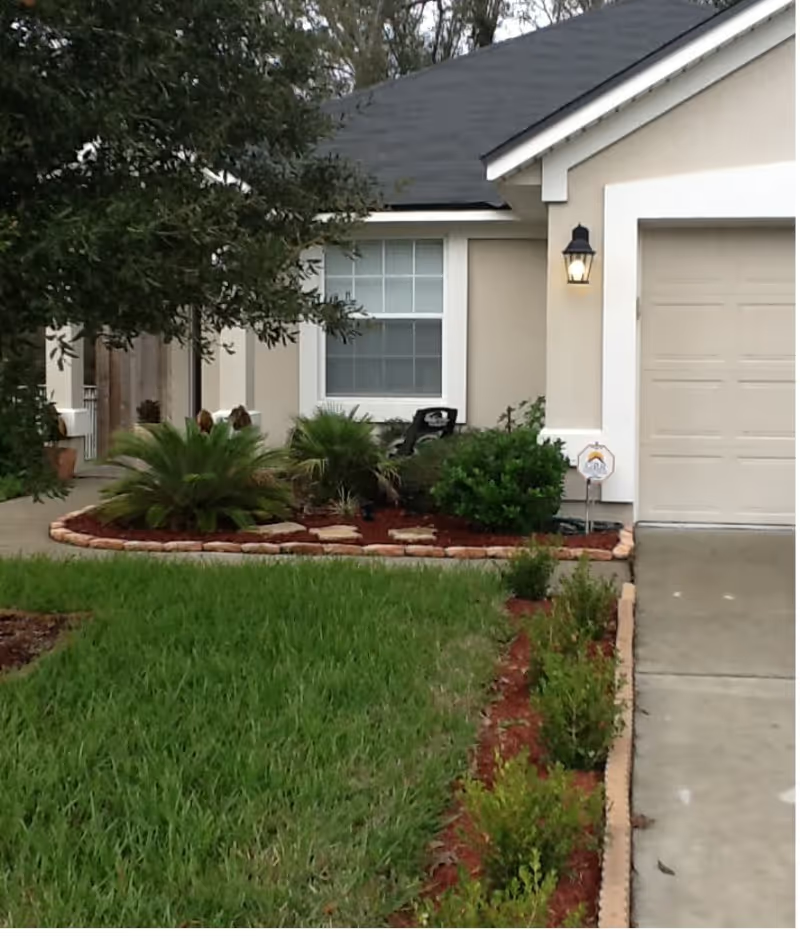
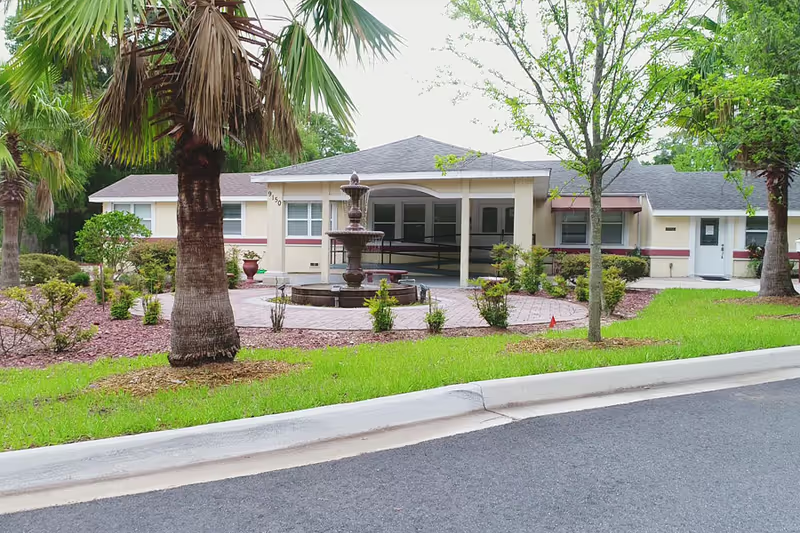
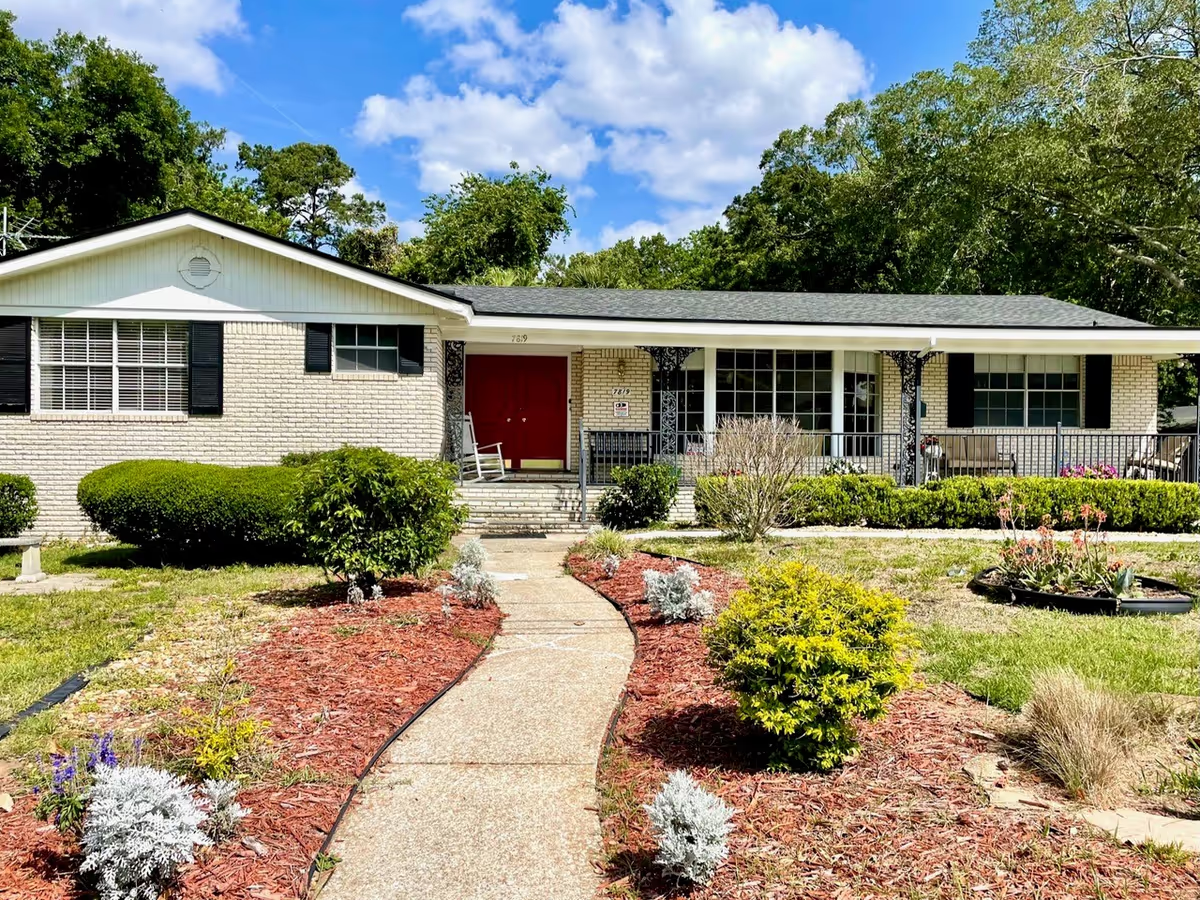
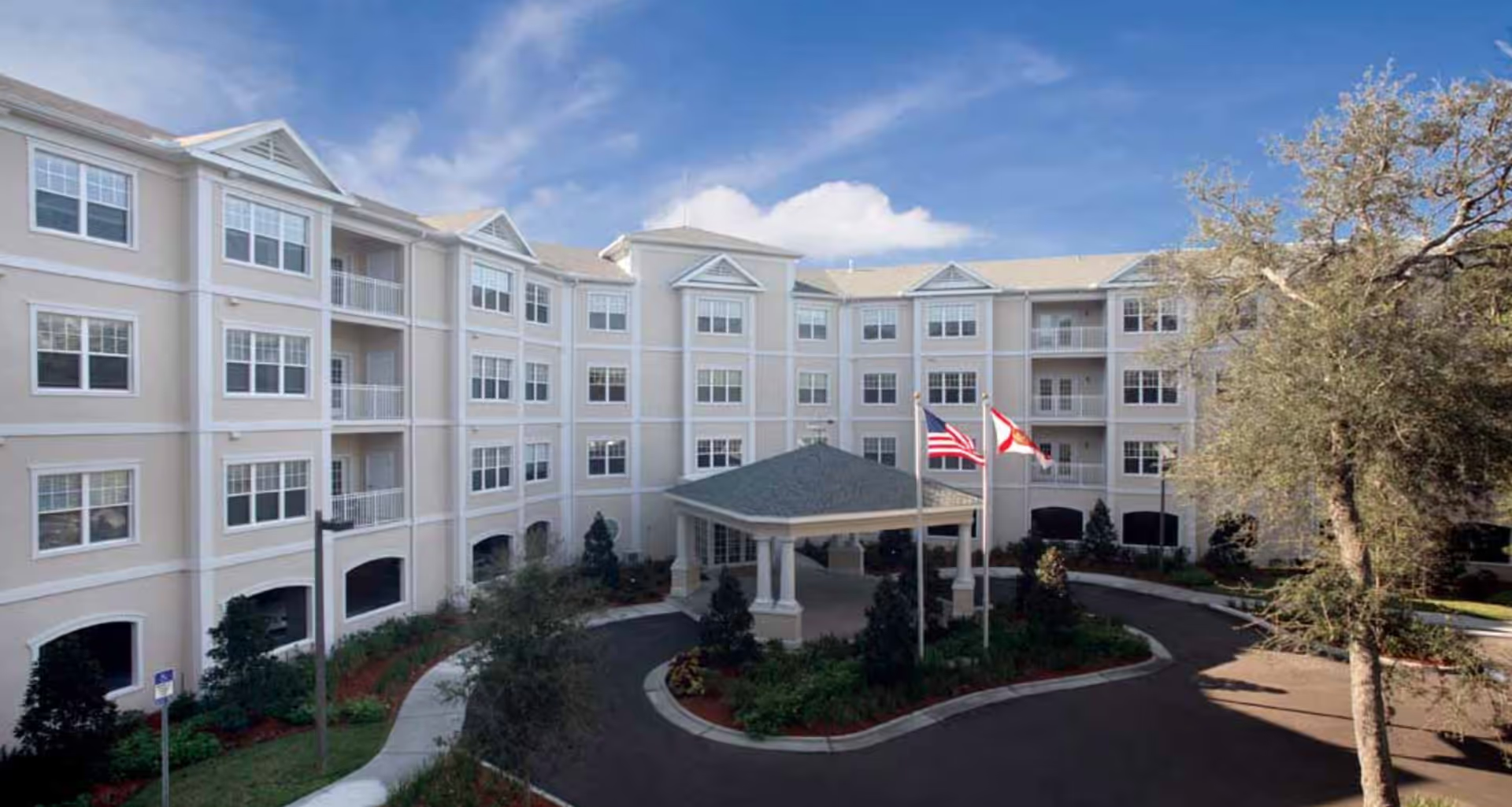
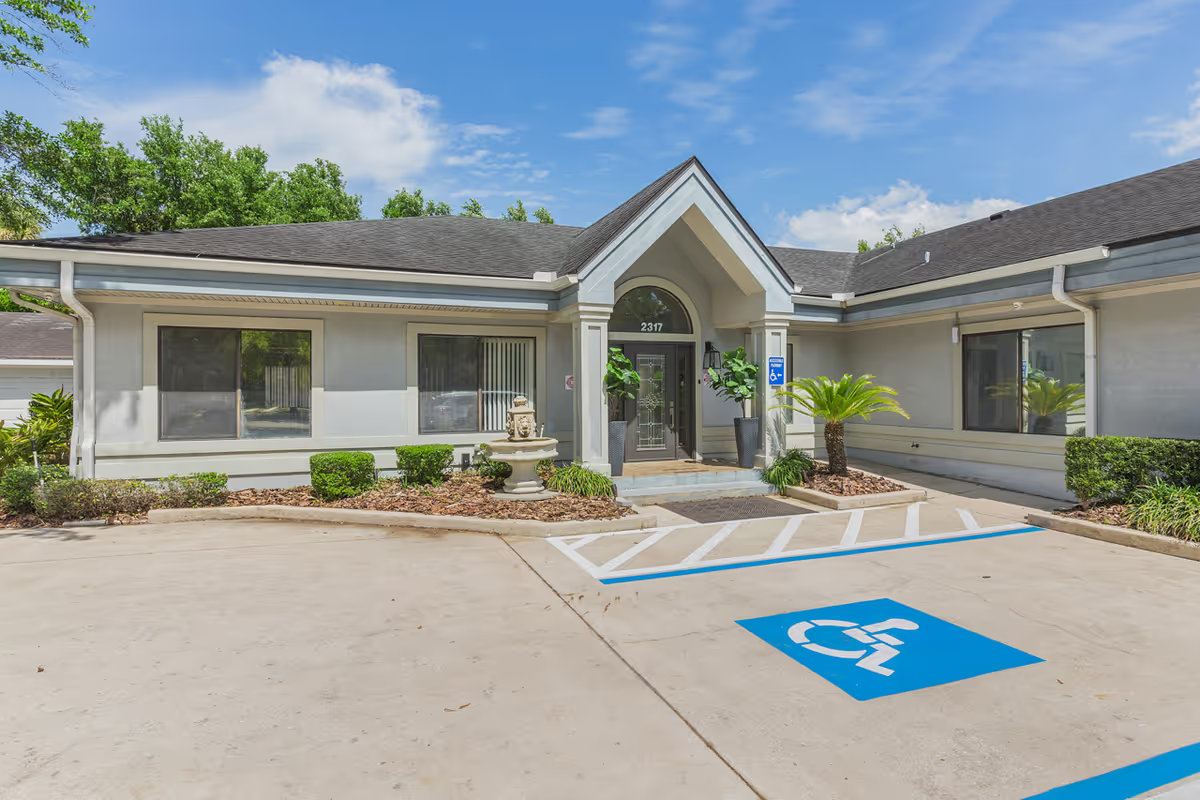
Overall impression The Canopy at Duval Station presents as a new, well-kept community with a small, home-like atmosphere. Reviewers consistently highlight a clean, odor-free environment, attractive grounds and contemporary design. The facility offers single-occupancy rooms, dedicated memory-care spaces, and a range of on-site amenities (medical services, pharmacy, rec room, weight room, patio, community garden) that support both independence and supervised care.
Care and staff Many families and residents describe staff as compassionate, attentive, and personable; reviewers frequently note staff who learn residents’ names, provide individualized attention, and support move-in transitions. The small size of the community appears to foster close relationships and a family-like culture. At the same time, several comments point to high staff turnover that has affected service continuity. A small number of serious incidents raised concerns about clinical-incident response and family notification, and there is at least one allegation about inaccurate staff reporting that contributed to trust concerns. Prospective families should ask about staff retention, incident reporting procedures, and how the community escalates clinical events to families and clinicians.
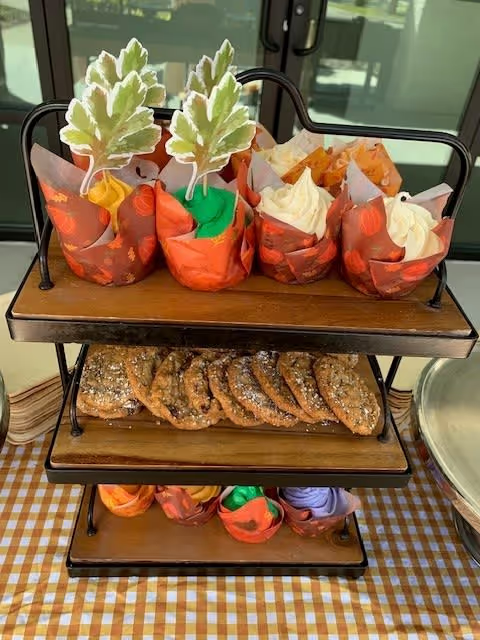
Dining and dietary services The culinary team receives positive mentions for meal presentation and responsiveness. However, reviewers also indicate meal quality can be vulnerable to staffing changes in the dietary department; one noted the departure of a head chef as having a negative effect. The facility appears to offer a mix of included services and à la carte options, so clarity on which dining items and dietary supports are included in base pricing is advisable.
Activities and programming Activity programming is a consistent strength. Residents benefit from a variety of on-site group activities, dedicated activity rooms for memory care, outings and field trips, and specialized spaces such as a memory-care courtyard. Several reviewers expressed a desire for additional group exercise options, suggesting an opportunity to expand structured fitness programming.
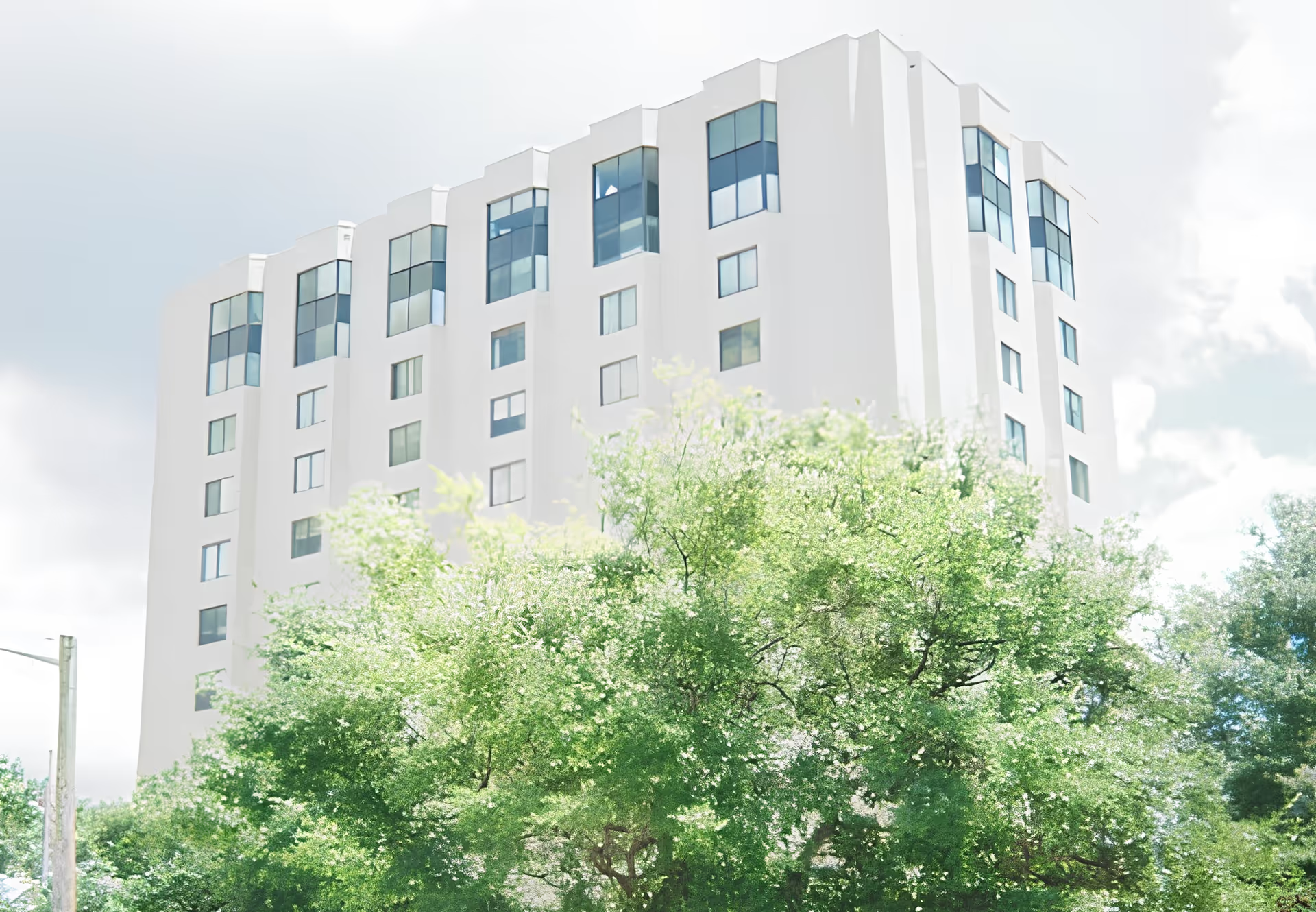
Facilities and logistics Physical plant strengths include newer construction, attractive common areas, and amenities that support social and physical engagement. Some floorplan and accessibility issues were noted: certain upstairs rooms lack elevator access, and some private rooms are described as small with limited storage. Reviewers also described occasional unexpected roommate placements; visitors should confirm room assignment policies and available unit sizes when touring.
Operational and safety patterns Common operational concerns center on inconsistent housekeeping and laundry services, which reviewers linked to staffing variability. Safety-related themes include questions about fall-prevention practices and the use of monitoring (for example, bed alarms), and about how possessions are tracked and returned. Families should inquire about fall-prevention protocols, staffing levels during overnight and weekend hours, housekeeping and laundry schedules, and the facility’s process for documenting and communicating incidents.
Recommendations for prospective families The Canopy offers many features attractive to residents seeking a newer, small-community environment with active programming and clinical supports on site. To assess fit, visitors should directly address staffing stability, fall-prevention and monitoring protocols, the community’s approach to incident documentation and family notification, dining staffing continuity, pricing inclusions versus à la carte fees, and accessibility of specific apartment options. A detailed tour and conversations with the director of nursing and dietary manager can help clarify how the community balances its strengths with the operational issues noted by families.