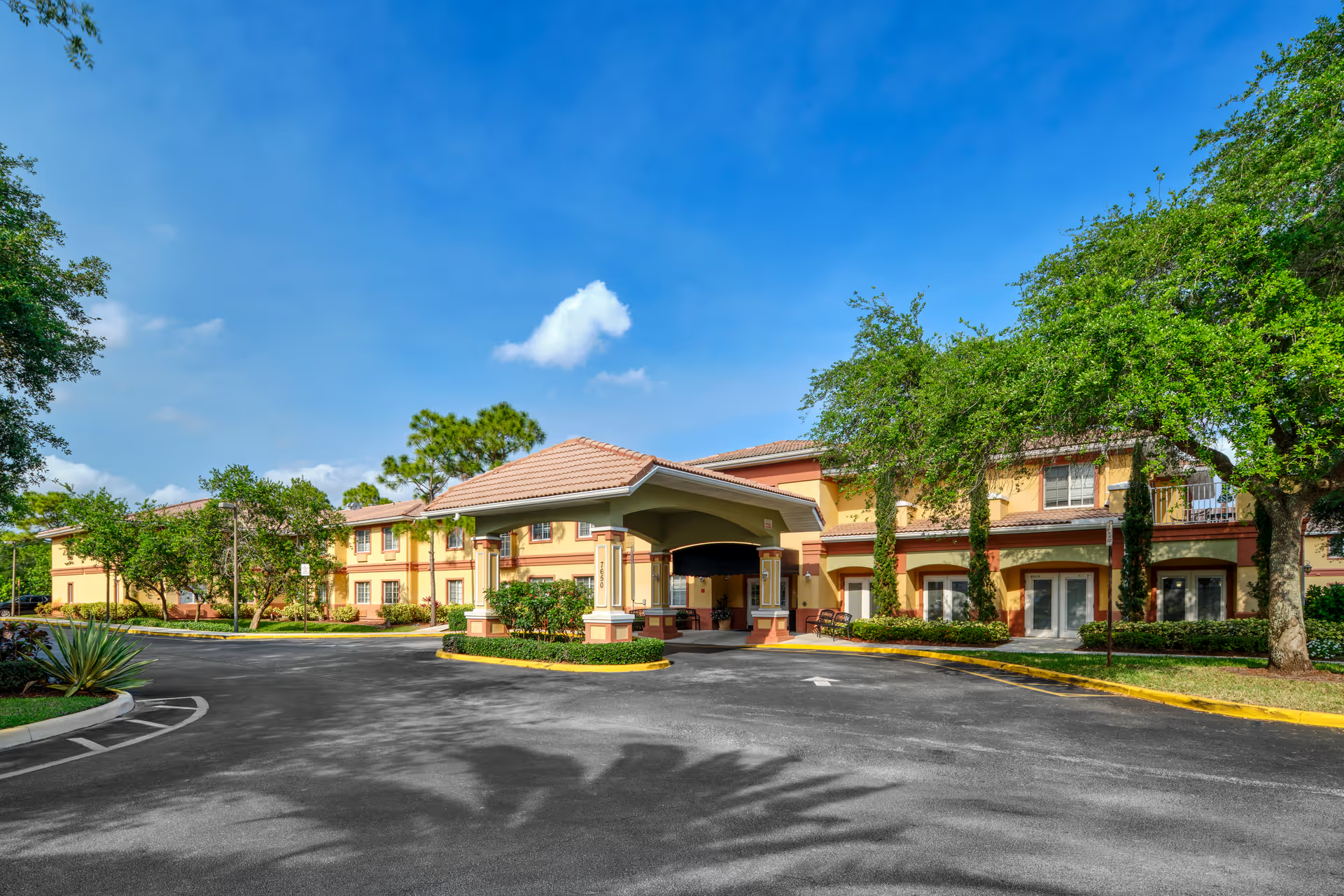
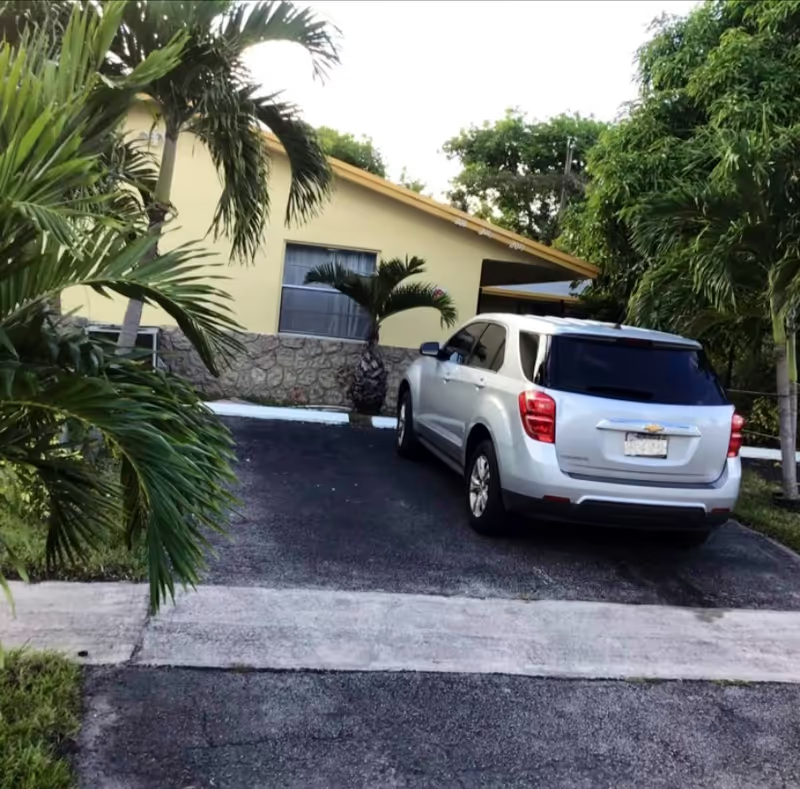
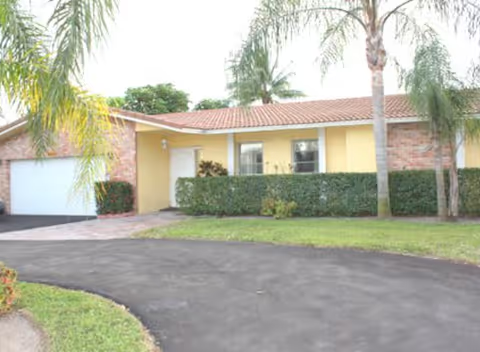
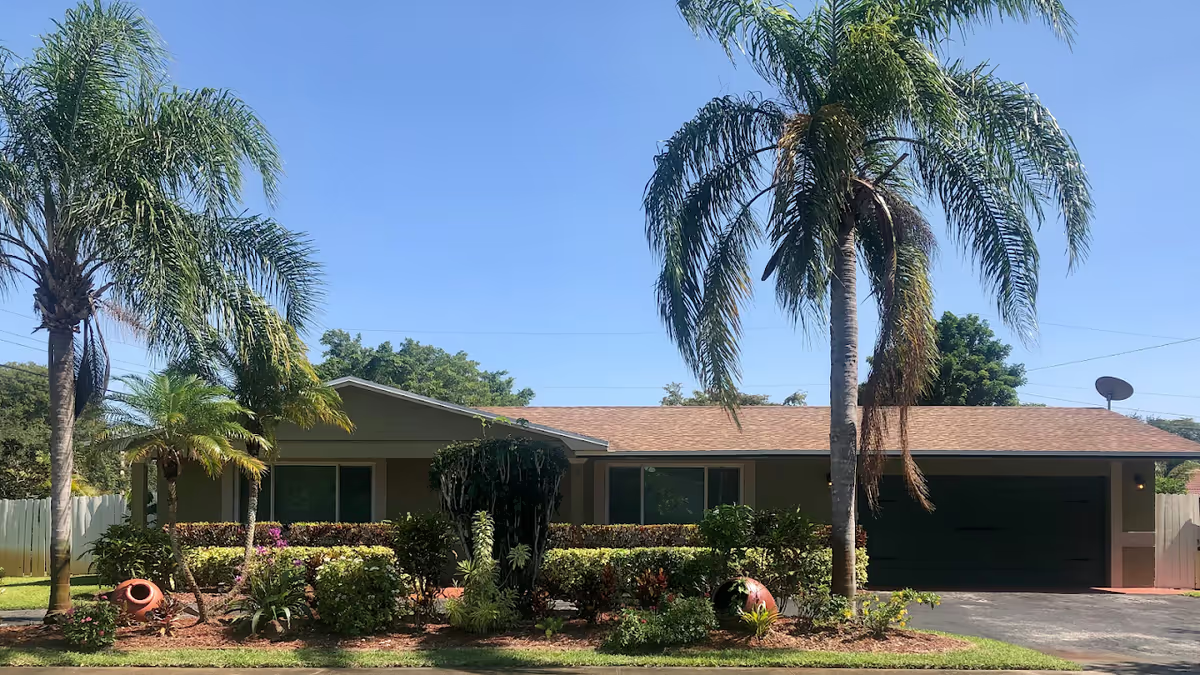
Lesly's Leslure Living Inc presents as a small, well-maintained residential setting with a strong emphasis on personalized attention. Review language consistently highlights a clean, attractive environment with spacious, comfortable rooms and an on-site yard. The facility’s small census and reportedly compassionate management support a home-like atmosphere in which many residents appear comfortable and engaged. Staff are frequently described as attentive and treating residents with a family-oriented approach, and the facility advertises a higher level of clinical care capacity relative to similarly sized homes.
At the care-delivery level there is a mixed picture. Positive comments focus on close staff–resident interactions and management involvement, suggesting strength in relationship-based care and oversight. However, there are recurrent concerns about how the facility manages residents with limited mobility or higher acuity needs. These concerns indicate potential gaps in the consistency of high-acuity bedside care and in mobility support practices, including reports of residents spending extended periods in wheelchairs. Families considering this facility should inquire specifically about staffing ratios, transfer and repositioning protocols, and the clinical competencies available for immobile or bedbound residents.
Programming and meals are areas where the facility shows room for improvement. Multiple notes point to limited activity programming and few community outings, which may reduce opportunities for social engagement and variety in daily life. Dining feedback is uneven; some reviewers express dissatisfaction with meal quality and meal-service consistency. Prospective residents and families should ask for sample menus, meal scheduling information, and how the community accommodates dietary preferences and therapeutic diets.
Management and overall atmosphere are relative strengths: small size, attentive staff, and an orderly facility are strong selling points for people seeking a personalized, domestic setting. Nevertheless, the pattern of concerns around activity frequency, external engagement, meal satisfaction, and care for immobile residents is notable. For decision-making, request specific information on activity schedules and transportation for outings, a detailed description of clinical staffing and shift coverage, documentation of mobility and repositioning protocols, and references from current families of residents with similar care needs.