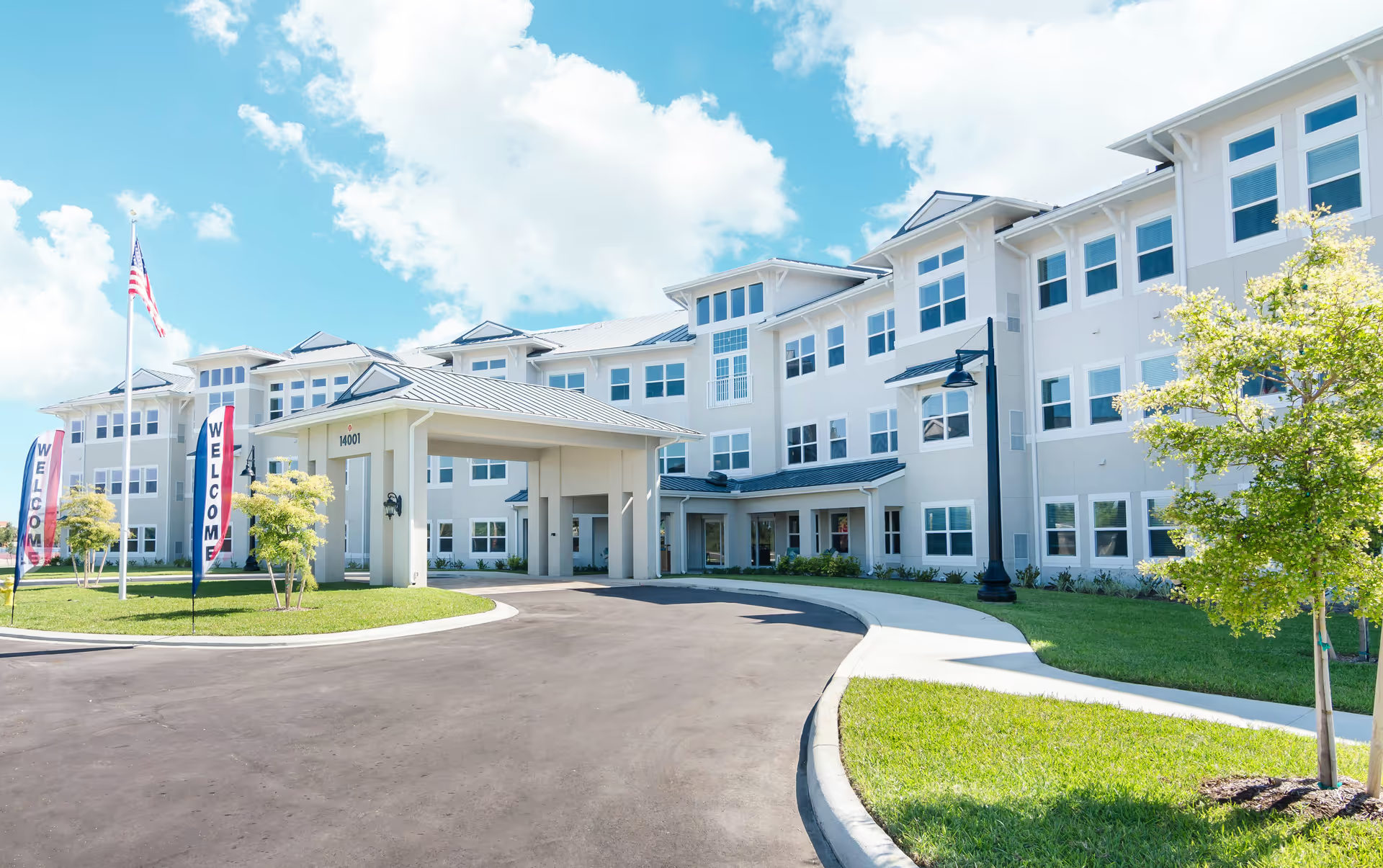
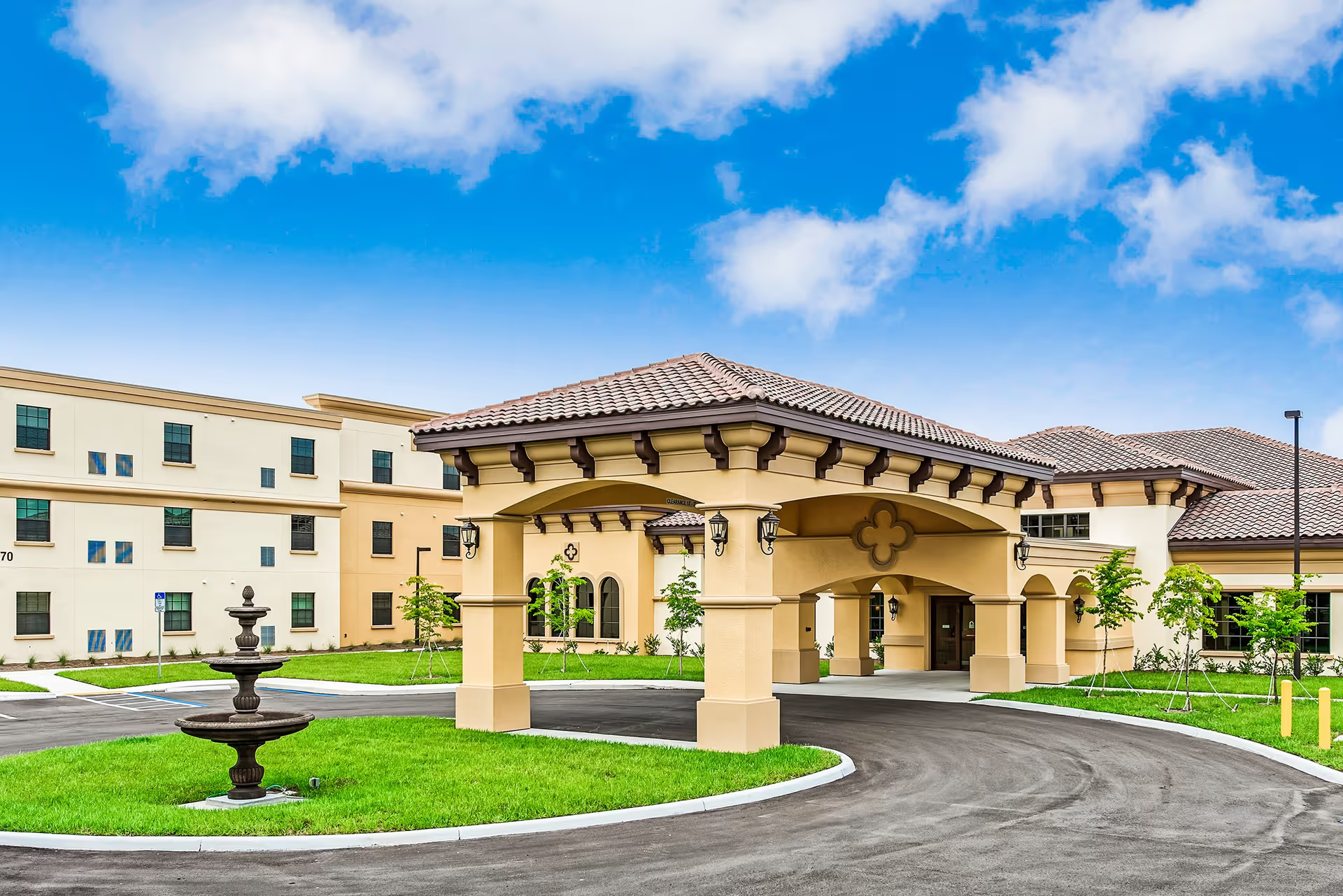
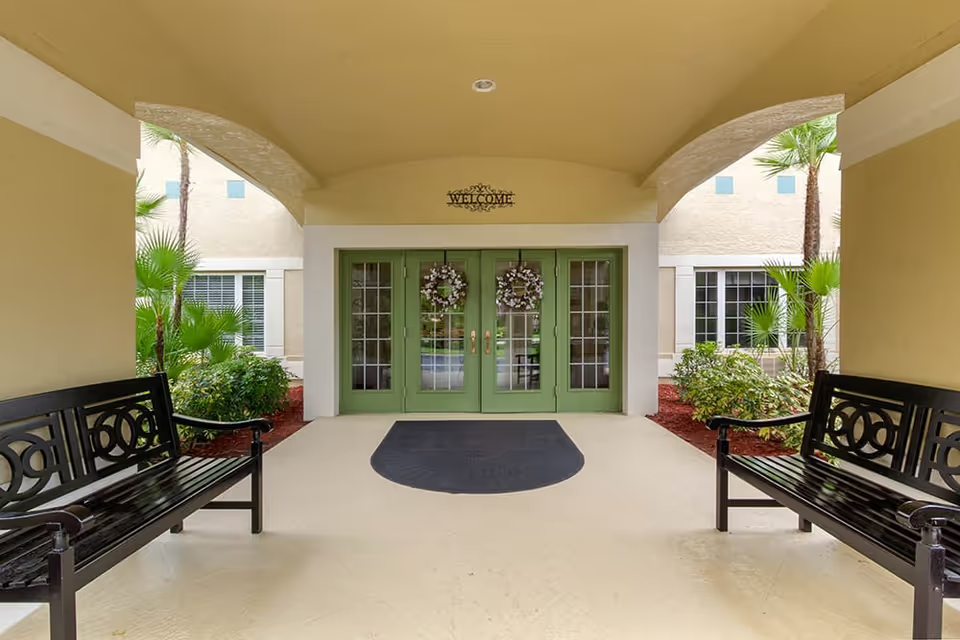
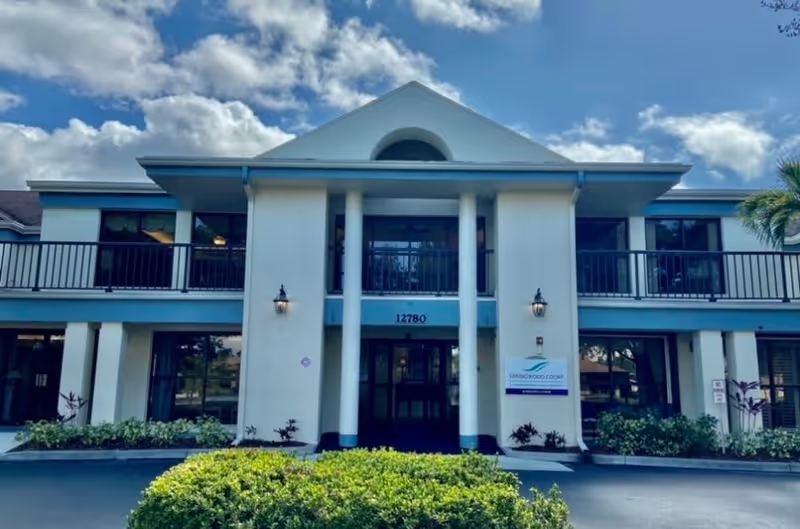
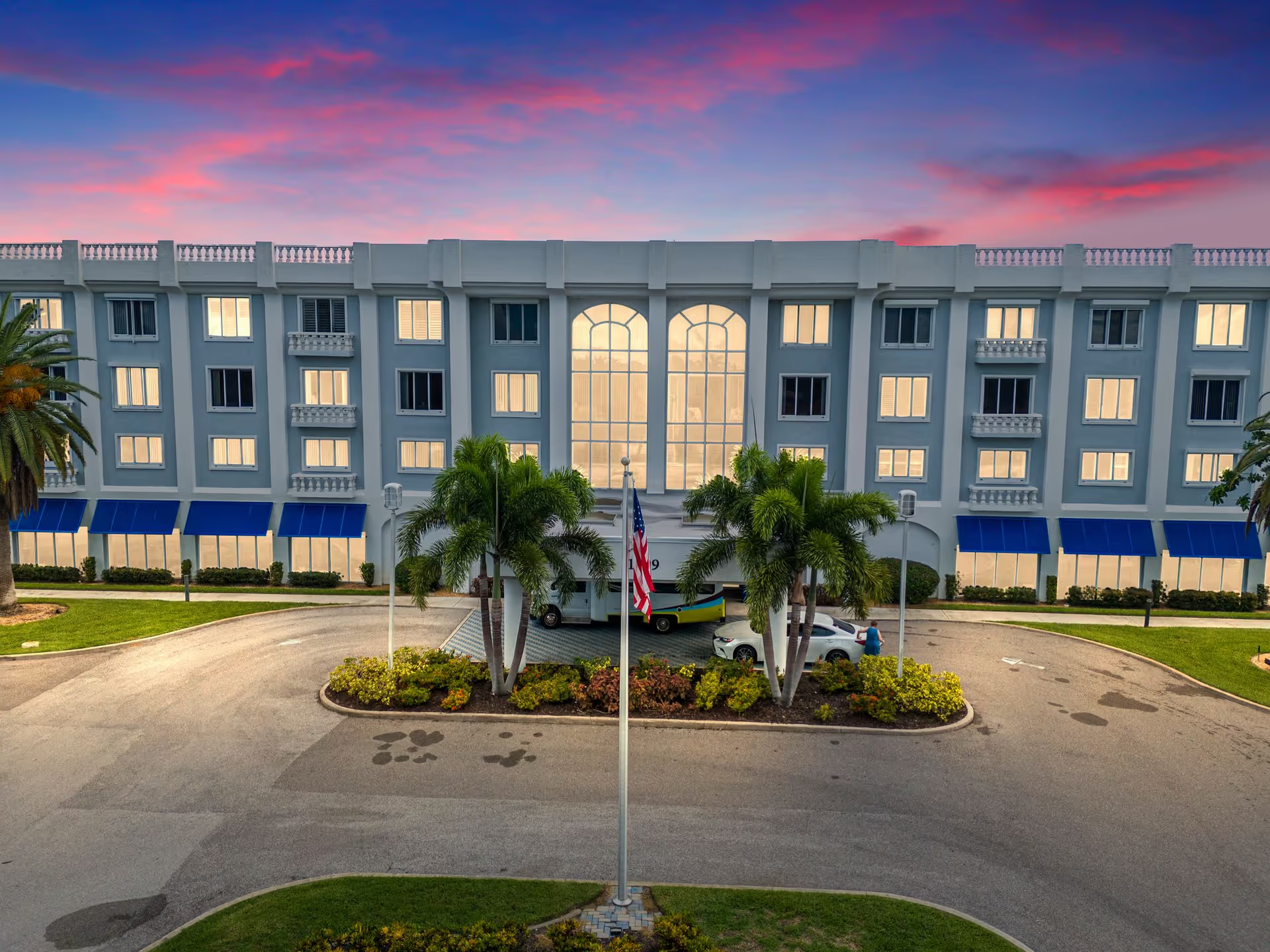
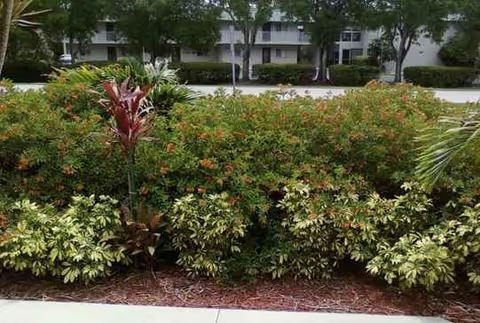
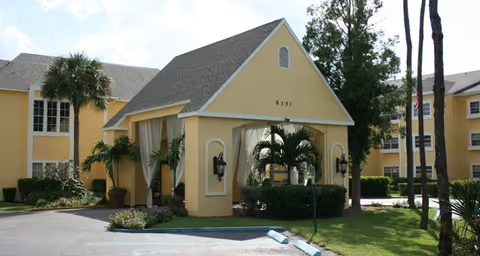
The Preserve in Fort Myers consistently receives praise for its physical environment and rehabilitation services. Reviewers describe an attractive, nearly new facility with well‑maintained common areas, spacious private rooms with en‑suite bathrooms, and a range of on‑site amenities such as a gym, salon, movie theater and courtyard. Many families highlight the facility’s strong rehab orientation: experienced PT/OT/ST teams, measurable therapy progress, and successful discharges back home. Admissions and therapy staff are frequently noted as welcoming and effective, and housekeeping and dining services are commonly described as high quality, with chef‑style meals and attentive dietary staff.
Care and staffing present a mixed picture. Numerous accounts praise attentive nurses and CNAs, individualized therapy, and coordinated appointment/transportation arrangements that provide families with reassurance. At the same time, a recurrent theme is variability in day‑to‑day care: some shifts or units appear strained by staffing levels, producing longer wait times for call responses and basic assistance. Reviewers identified workload pressure on CNAs and nurses, and several described continuity problems when staff are covering multiple assignments or when handoffs are inconsistent.
Clinical oversight and safety concerns emerge as the most serious pattern in the less favorable reviews. Several families reported delays in diagnostic follow‑up (for example, delayed imaging or lab checks), issues with medication and insulin handling, and inconsistent infection surveillance. These issues are described as contributing to hospital transfers and, in at least one account, concerns following a resident’s death. The pattern suggests gaps in timely clinical monitoring, escalation, and communication with families and physicians rather than an isolated operational shortcoming.
Communication and management responsiveness are uneven. Many reviewers commended specific managers, social services, and front‑desk personnel for clear updates and coordination; others reported difficulty getting timely answers, pressureful payment conversations, or limited follow‑up after raising concerns. Social engagement is generally robust—regular activities, themed events, and therapy‑led groups are frequently mentioned—but some families noted that the apartment‑style layout or facility size can limit spontaneous social interaction for certain residents.
In summary, The Preserve offers a strong physical environment and an accomplished rehabilitation program with many staff members and departments delivering high‑quality, family‑oriented care. However, reviewers also identify operational weaknesses centered on inconsistent staffing, response times, medication and diagnostic follow‑up, and variable communication. Prospective residents and families considering this facility should weigh the clear strengths in therapy and amenities against the reported variability in medical oversight and responsiveness; asking specific questions about staffing levels, clinical escalation protocols, medication tracking, and family communication practices during a tour may help clarify fit and expectations.