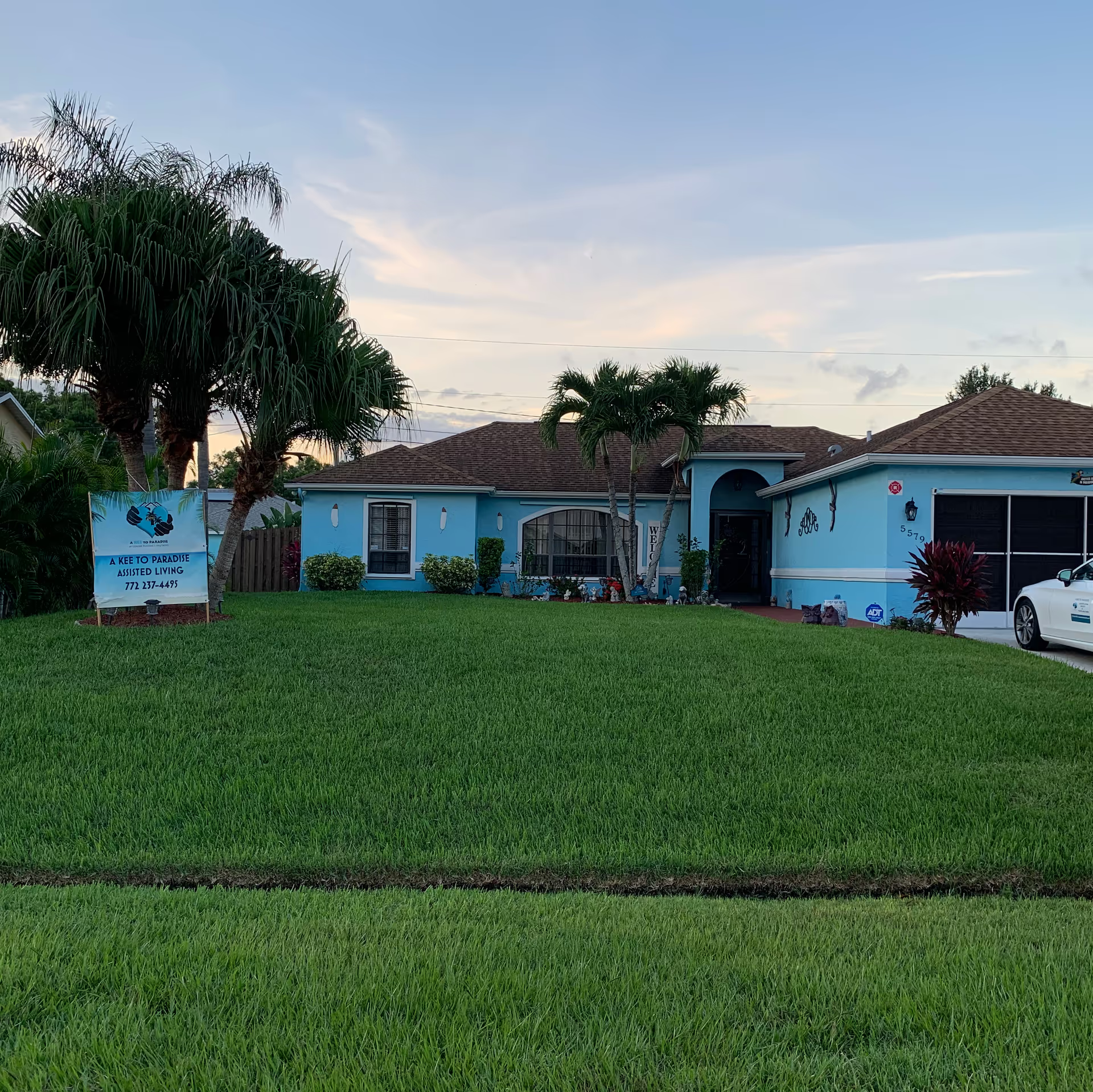
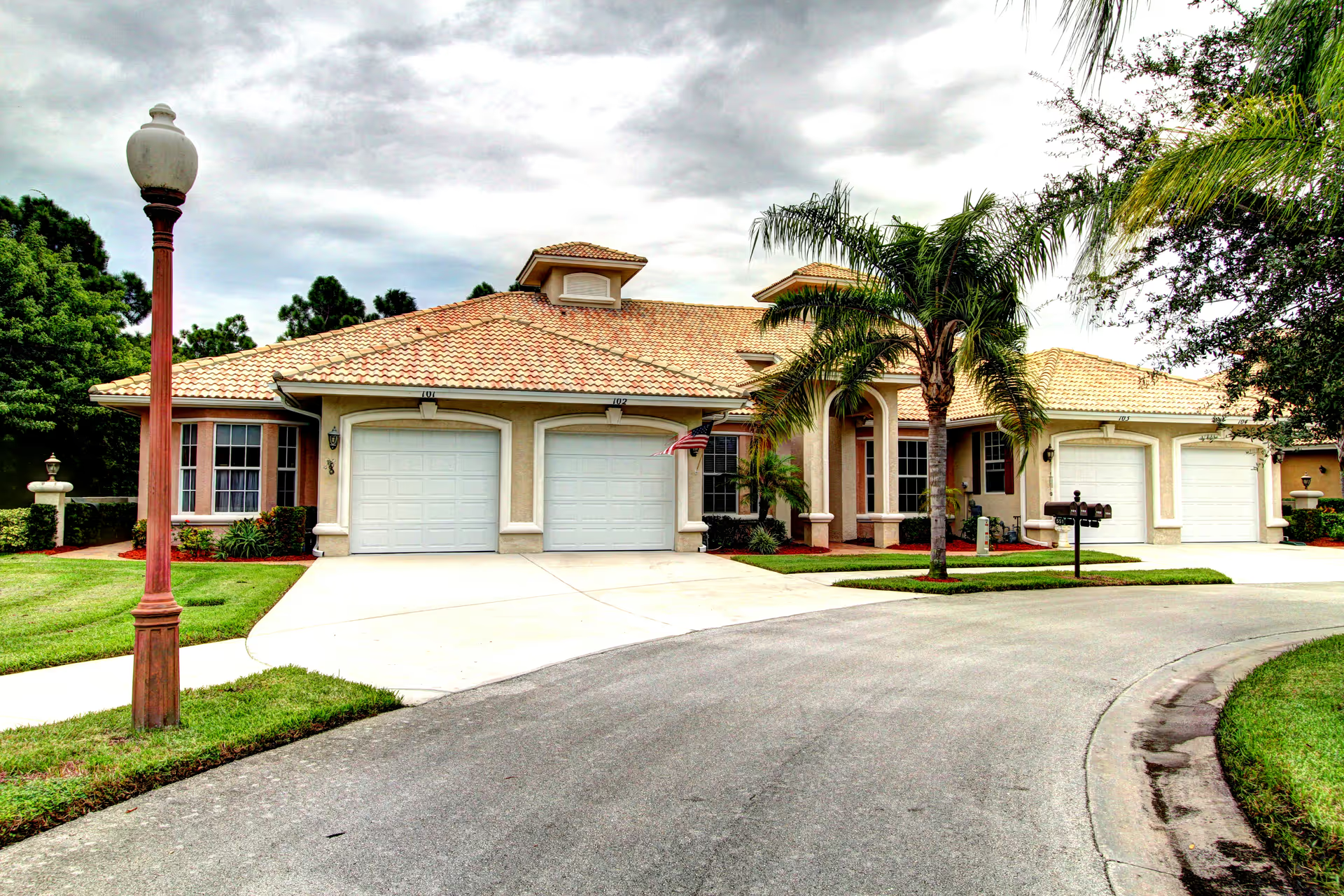
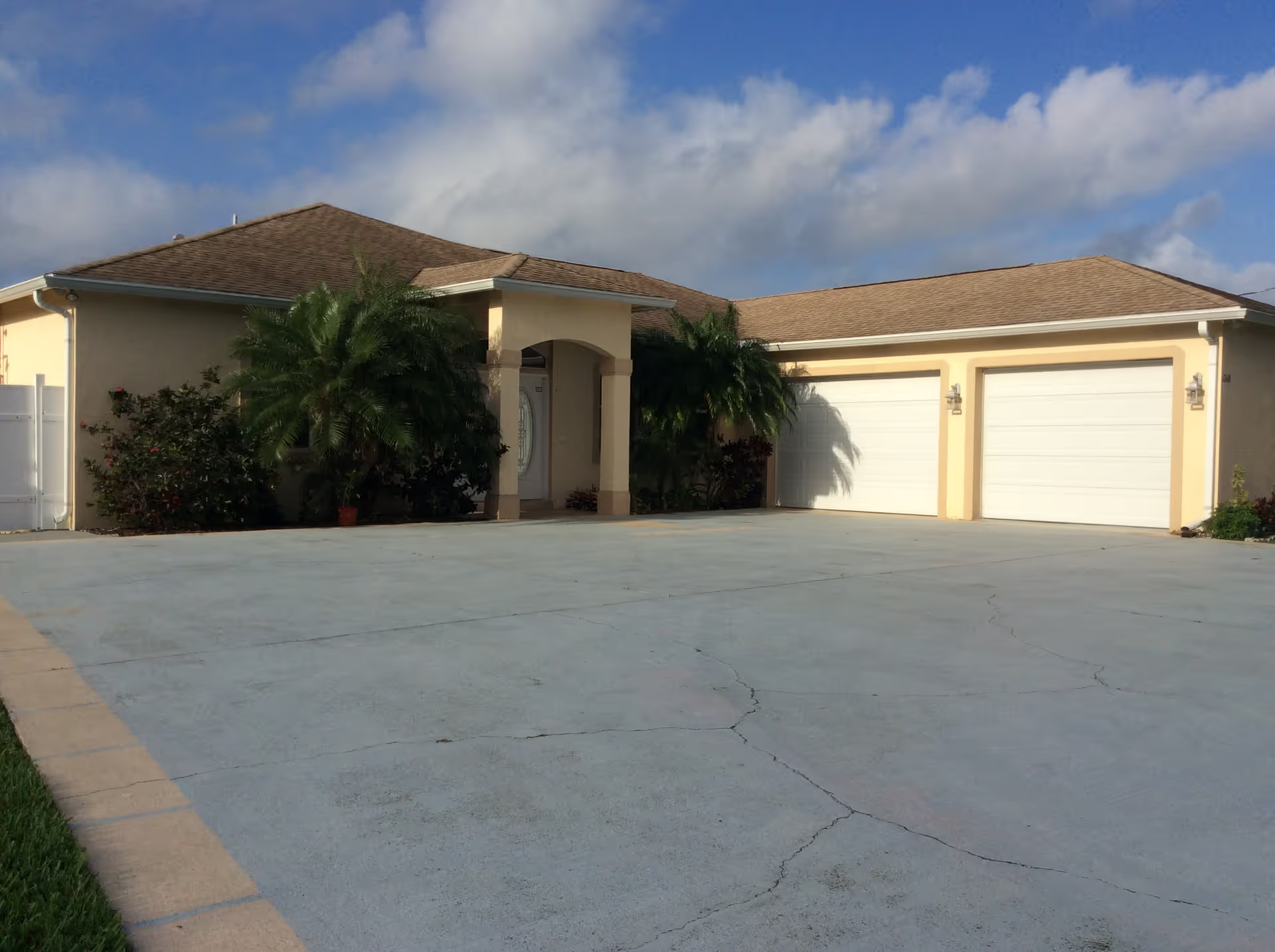
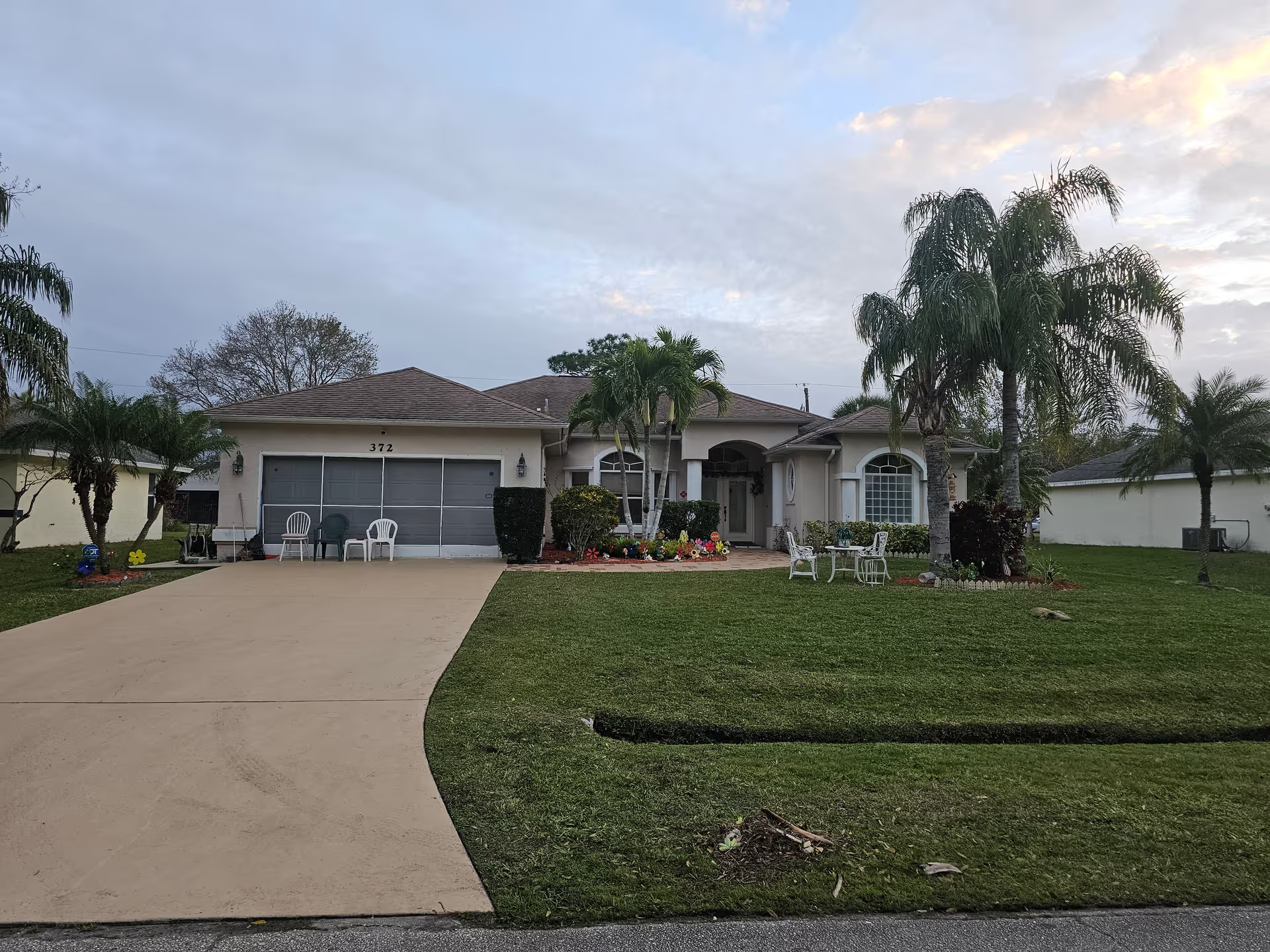
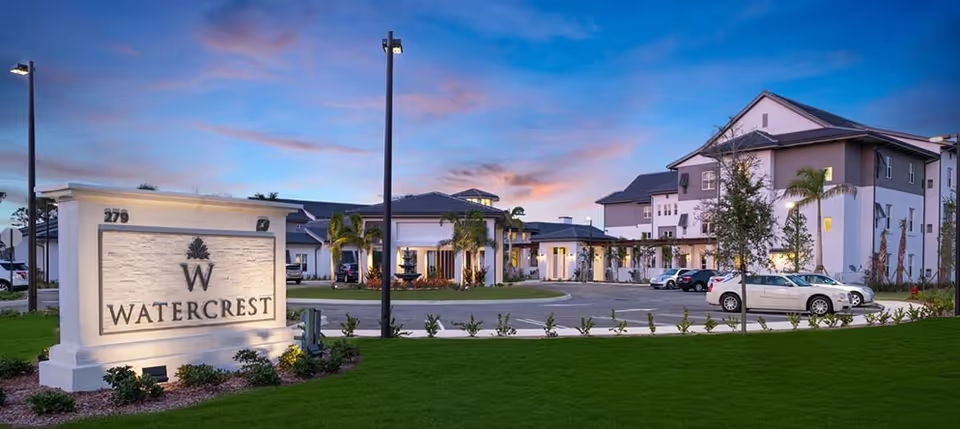
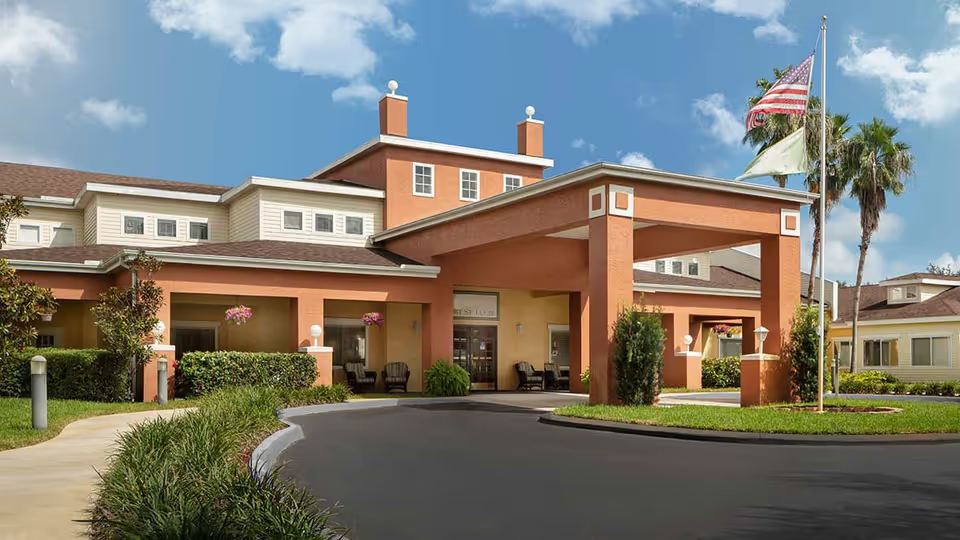
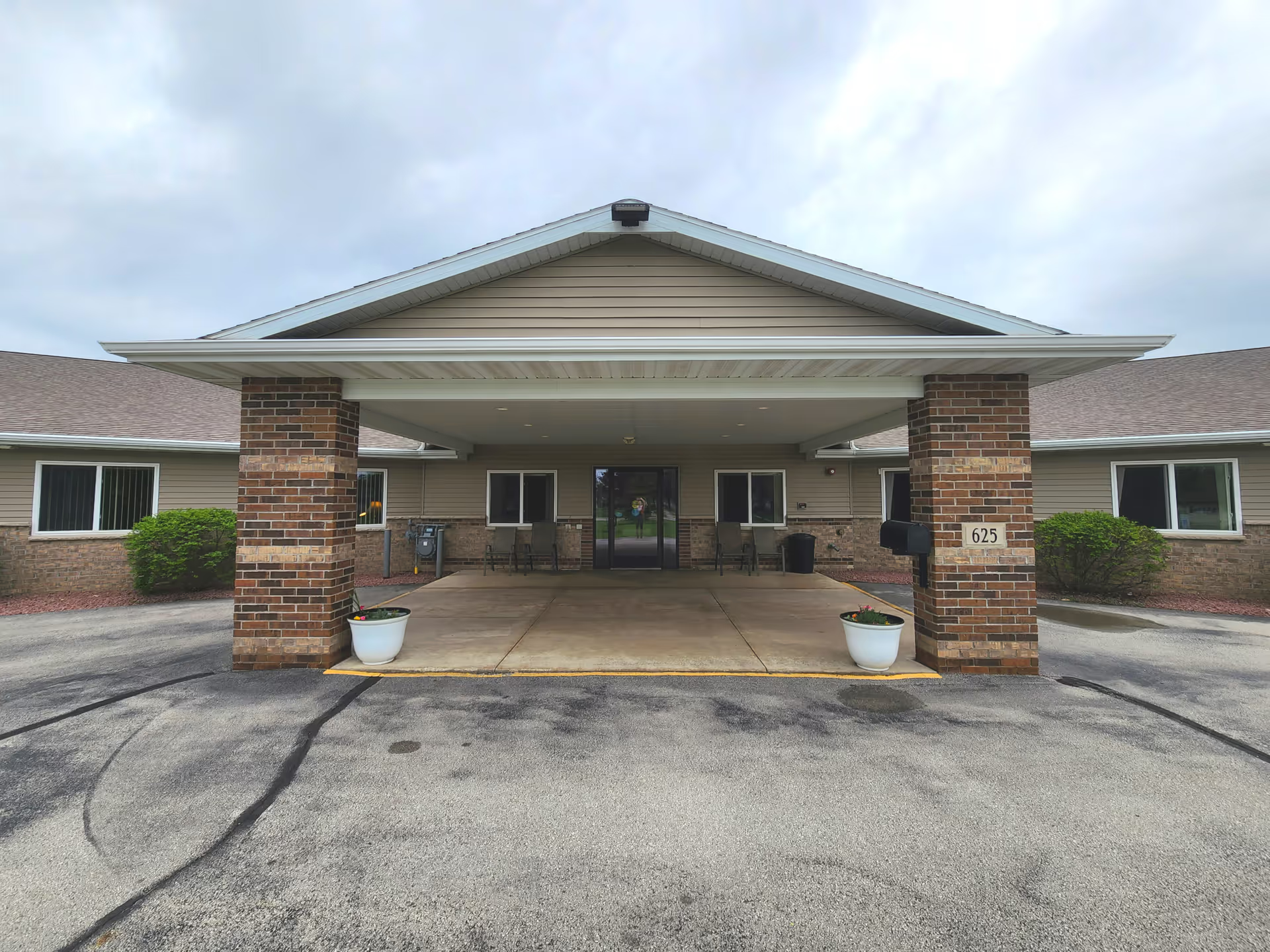
The Broadmoor ALF presents as a family-owned, small-scale assisted living community with a consistently emphasized strength in caregiving staff and a homelike culture. Many reviewers describe staff as knowledgeable, adaptable and compassionate; leadership is characterized as kind and accessible, and individual caregivers are frequently praised for going beyond basic duties. Families commonly note good communication when staff are engaged, supportive hospice coordination, and weekend/weekday staffing that can feel dependable. Staffing strengths are a clear selling point for prospective residents who prioritize hands-on, person-centered care.
Dining and daily services receive generally positive commentary. Reviewers mention efficient dining-room operations, supportive servers, and several accounts of high-quality or noteworthy meals (holiday dinners and familiar favorites). On-site amenities such as a hairdresser and laundry service are available, and pricing is often described as affordable for the level of service provided. That said, documentation about daily meal variety is uneven across accounts, so families should confirm current meal plans and dining accommodations during a visit.
Activity programming and communal life are notable positives in parts of the facility: multiple activity and social areas, holiday parties, intergenerational events (such as preschool visits), music and dancing, and pet-friendly visitation contribute to a lively social atmosphere for many residents. However, activity engagement appears variable by neighborhood; some areas and memory-care units are described as well-activated while others are characterized as quieter or with less frequent programming. Prospective residents and families should ask about neighborhood-specific schedules and participation expectations.
Facility condition and cleanliness show a mixed picture. Several accounts praise clean rooms and well-kept laundry, while other observations note odor concerns, dim lighting, and worn furniture in some units. Privacy can be limited in certain shared sleeping areas (for example, beds without curtains), and apartment conditions vary between units. These contrasts suggest maintenance and amenity quality may differ by neighborhood or building section; an on-site inspection of specific units is advisable.
There are operational concerns to probe further. Some reviewers describe inconsistent front-desk responsiveness and variability in day-to-day staff interaction, which can affect family communication. A few reviewers raised allegations related to medication management and episodes of clinical deterioration that resulted in hospital transfer; these are serious items that warrant specific inquiry into clinical oversight, medication-administration protocols, incident reporting, and recent regulatory history. Additionally, the facility enforces restricted visitation during infection-control events, which has affected families’ ability to tour or visit during outbreaks—an understandable public-health practice but one that families should review in terms of policy and flexibility.
In summary, The Broadmoor ALF appears to offer a supportive, home-like environment with strong caregiver relationships, solid dining and on-site services, and active community events in many neighborhoods. Key trade-offs include variability in physical condition and activity levels across neighborhoods, occasional communication or responsiveness gaps, and the need to verify clinical safeguards around medication and acute-care escalation. Families considering The Broadmoor should tour the specific unit, review staffing ratios and medication policies, observe an activities schedule, and ask for recent cleanliness and regulatory records to ensure the neighborhood they choose matches their care and environmental expectations.