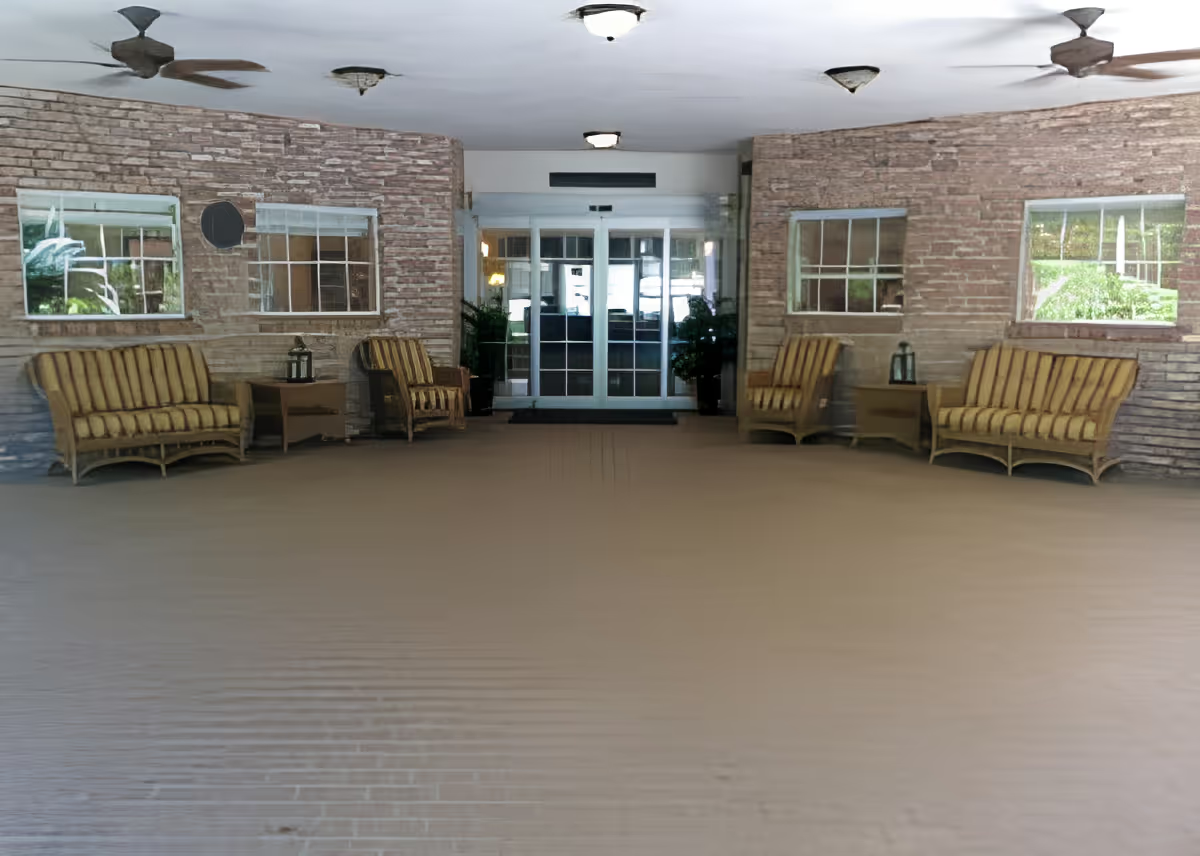
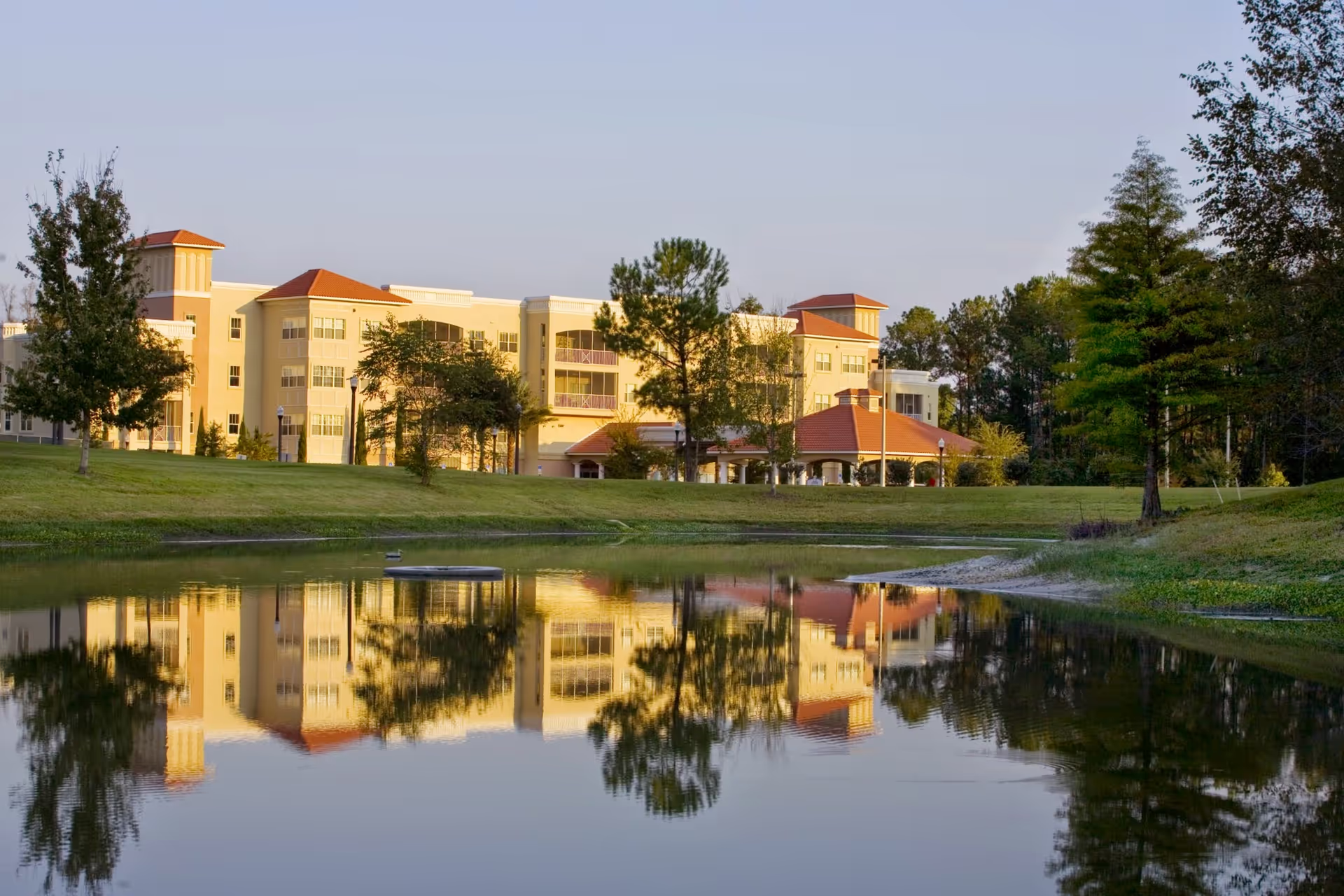
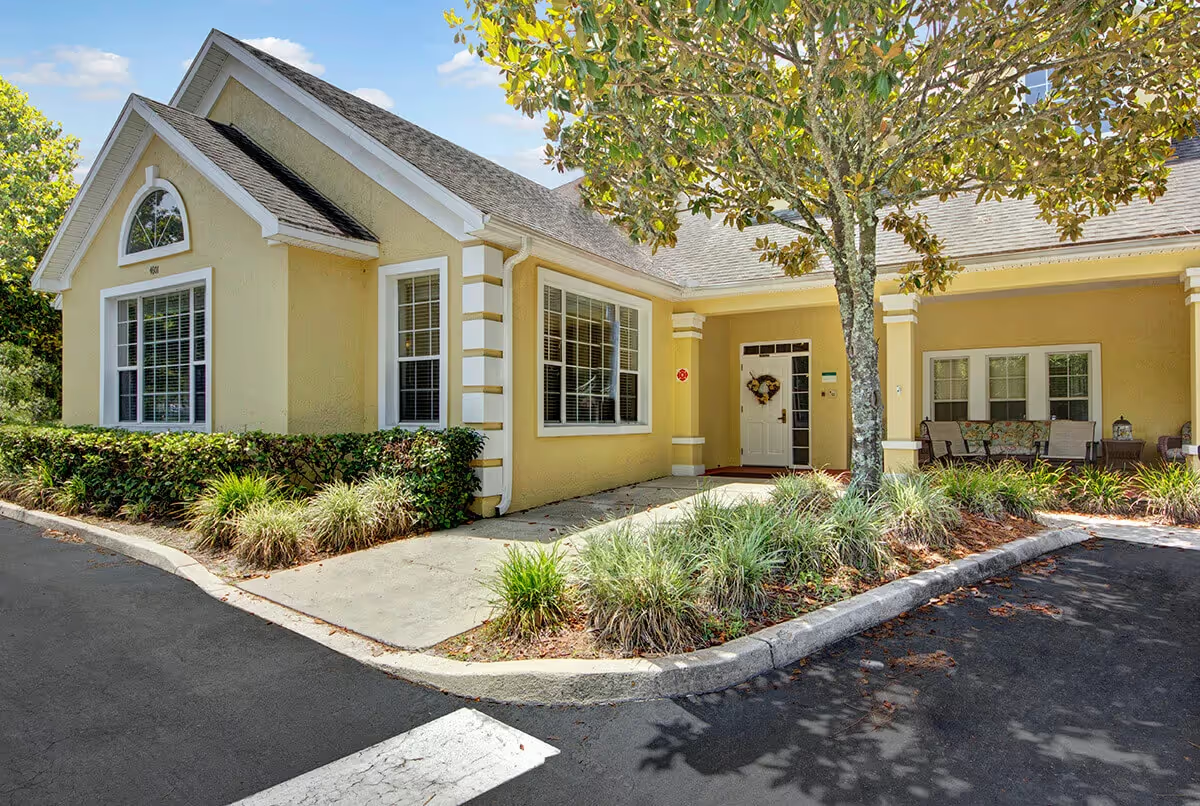
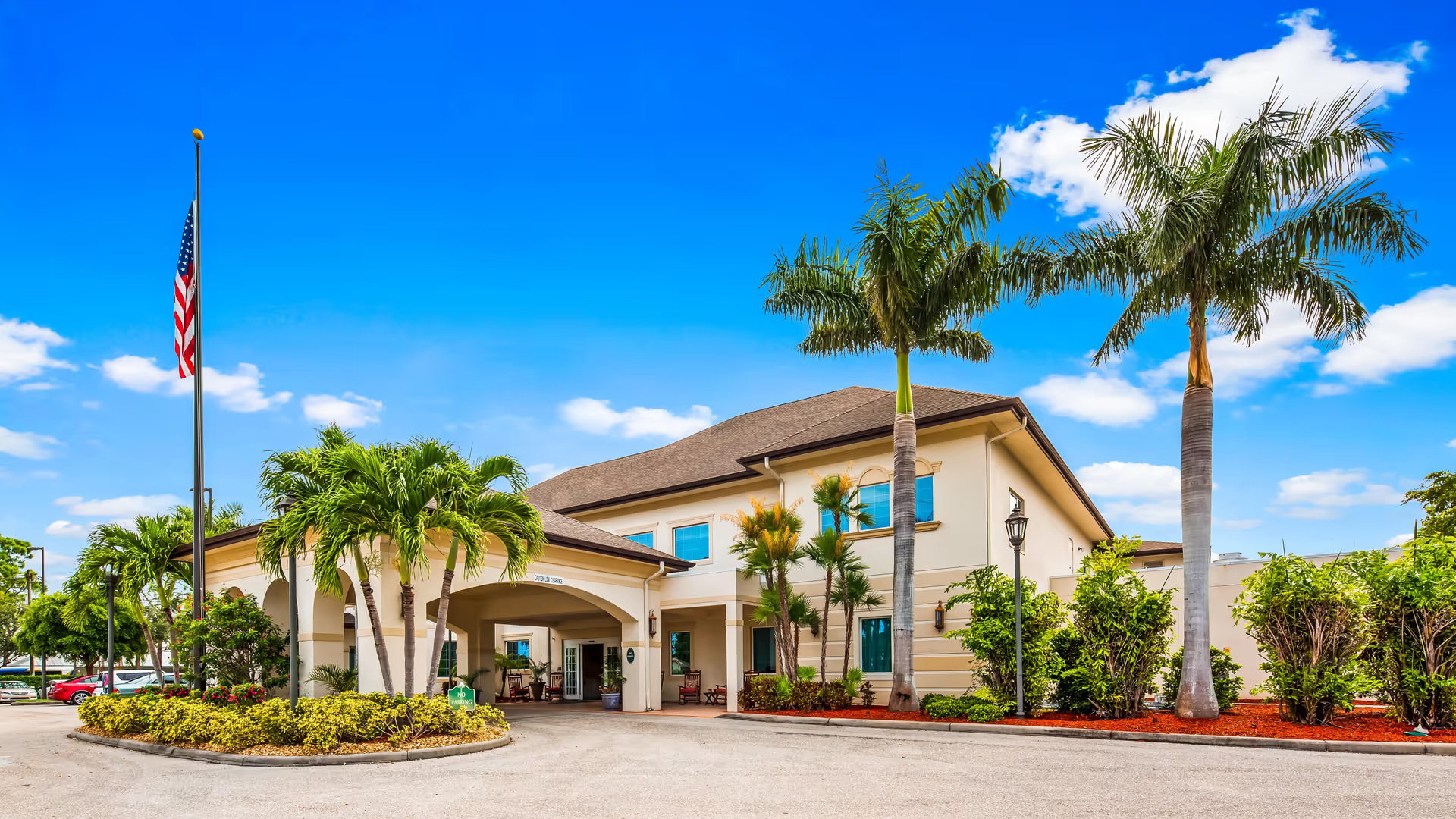
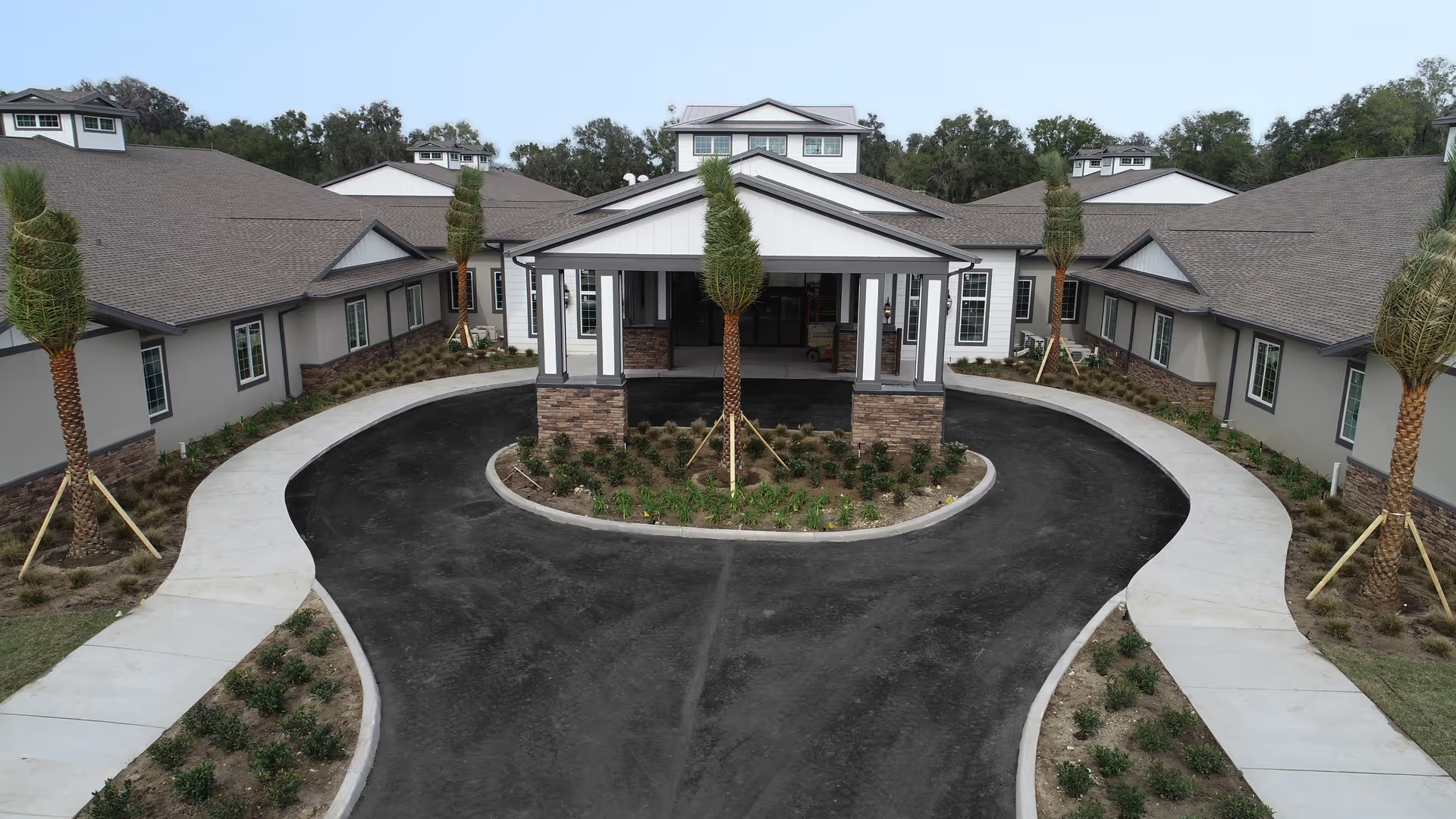
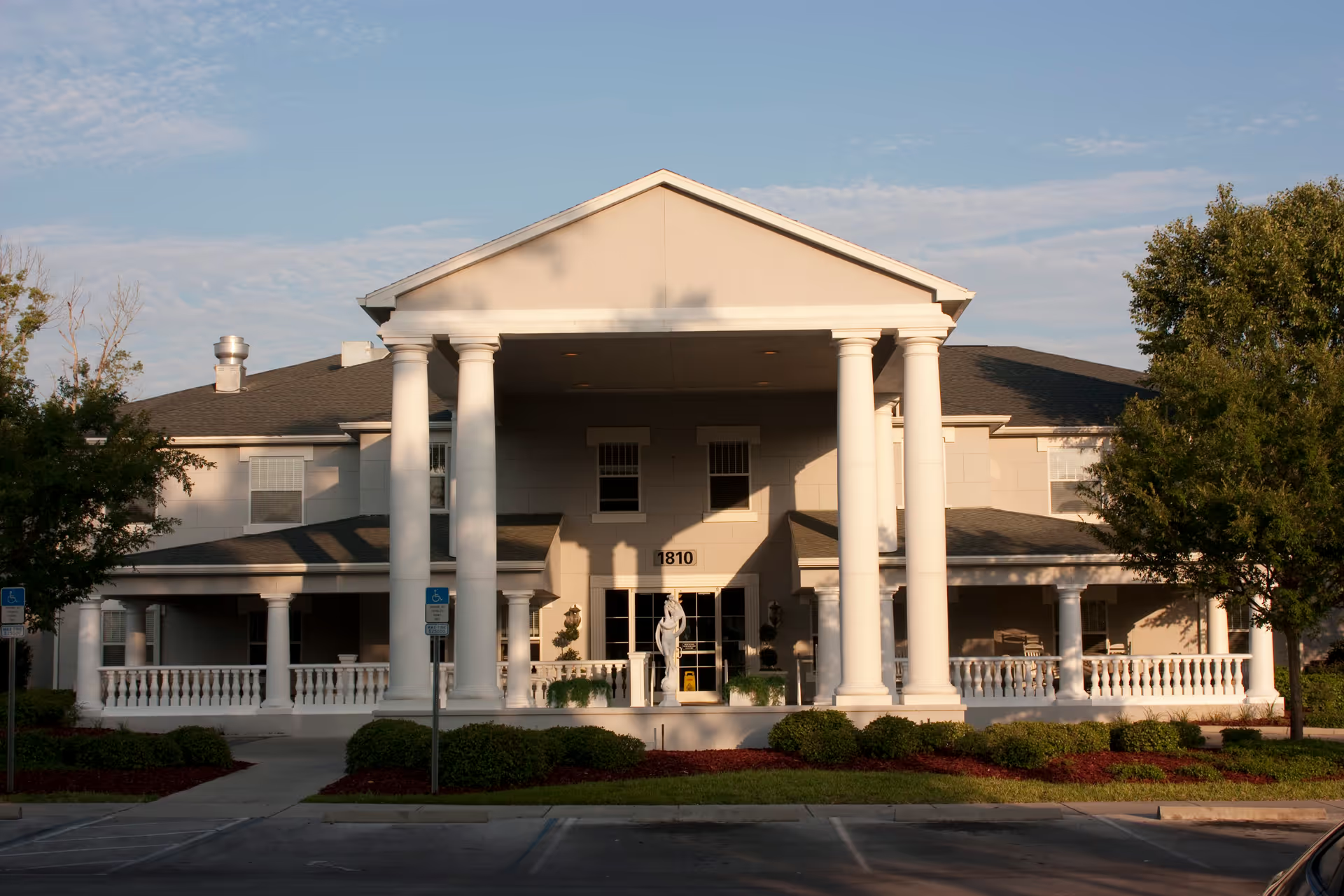
Oak Hammock at the University of Florida presents as a well-resourced, intellectually active retirement community with extensive campus-level amenities and clinical supports. Reviewers consistently praise the facility's connection to the university, continuing-education offerings, and a broad activities program that includes arts and crafts, gardening, woodworking, field trips, fitness classes, and cultural outings. The campus layout, newer construction, clean bright interiors, and on-site conveniences such as a library, bank, beauty/barber services, gift shop and multiple dining venues are commonly noted as strengths that support an engaged, independent lifestyle.
Clinical services and rehabilitation are salient strengths for many families. The community offers on-site physicians, nurse practitioners, dental and audiology services, short-term rehab and regular PT/OT, and memory-support programming. Several accounts describe attentive, proactive nursing and therapy teams, successful rehab outcomes, and comprehensive medication-management for residents. These clinical capabilities make Oak Hammock attractive to people who want continuity between independent living and higher levels of care.
At the same time, reviews indicate inconsistent experiences with care delivery and staff responsiveness. While many residents and families describe caring, long-tenured employees who become like family, other accounts describe variability in conduct and responsiveness across shifts and care neighborhoods. Concerns clustered around clinical monitoring and medication processes, wound-care and hygiene during some care episodes, and delays in assistance — issues that suggest uneven operational controls rather than uniform practice. There are also a small number of serious individual allegations that families should investigate directly; prospective families are advised to ask about clinical oversight, incident-reporting, and quality-audit processes during a tour.
Dining and hospitality receive mixed but specific feedback: the community offers multiple dining venues, a meal plan with carryover credits, and several reviewers praise high-quality, restaurant-style meals and special events. Others describe episodic declines in food quality or isolated temperature consistency issues (for example, specific meals noted as cold), indicating variability in culinary execution on some service days.
Operationally, the campus provides robust programing and strong marketing and maintenance responsiveness in many accounts, yet reviewers also point to management turnover and billing or insurance-capacity limitations that have tangible consequences for resident placement and affordability. Cost is a common theme: pricing and insurance caps make the community less accessible to some families and in at least one account the limits precipitated relocation. Prospective residents should carefully review contract terms, fee schedules, insurance coverage expectations, and policies for care transitions.
Overall, Oak Hammock offers a highly amenitized, academically connected community with strong rehabilitation and on-site clinical resources and an active social environment. However, variability in care quality, communication, and some operational areas (billing, staffing consistency, and meal consistency) appears across experiences. Families evaluating the community should tour multiple care neighborhoods, speak with clinical leadership about monitoring and medication protocols, ask for documented quality metrics and recent inspection results, and verify how financial and insurance limits would affect long-term placement and transitions.