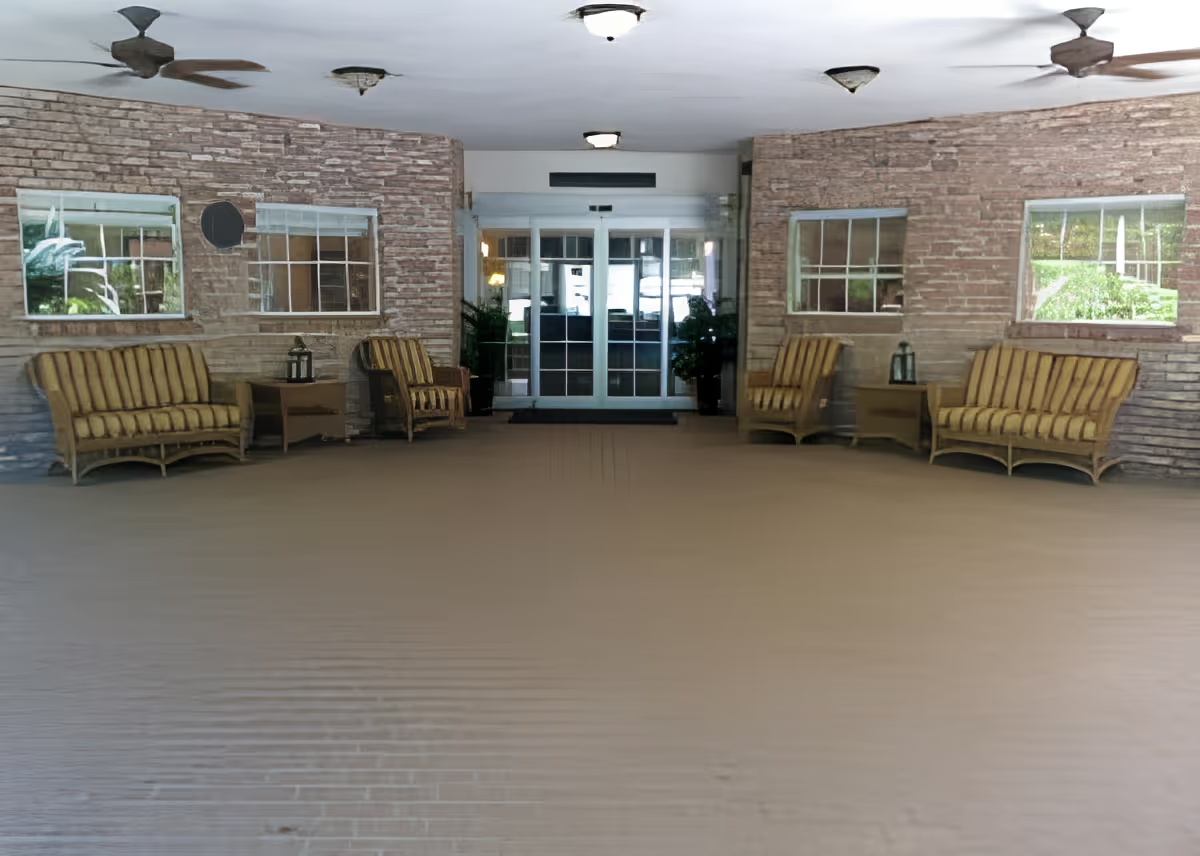
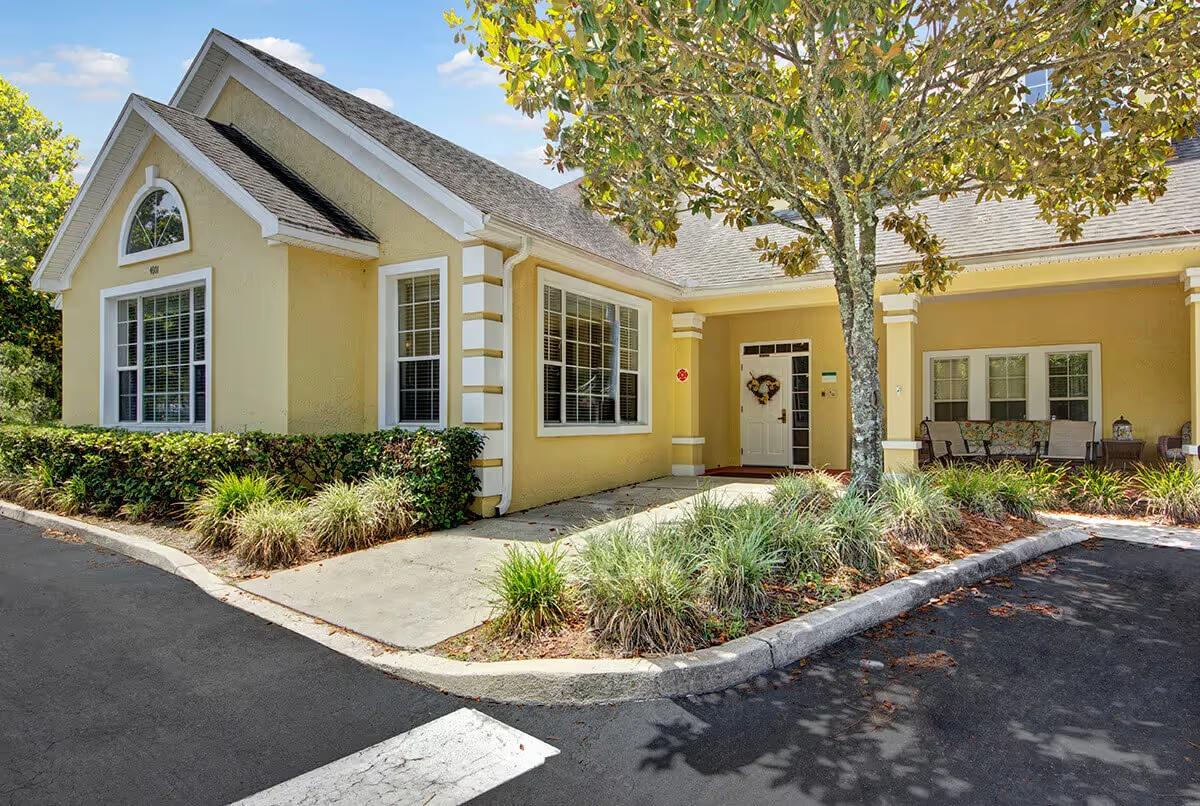
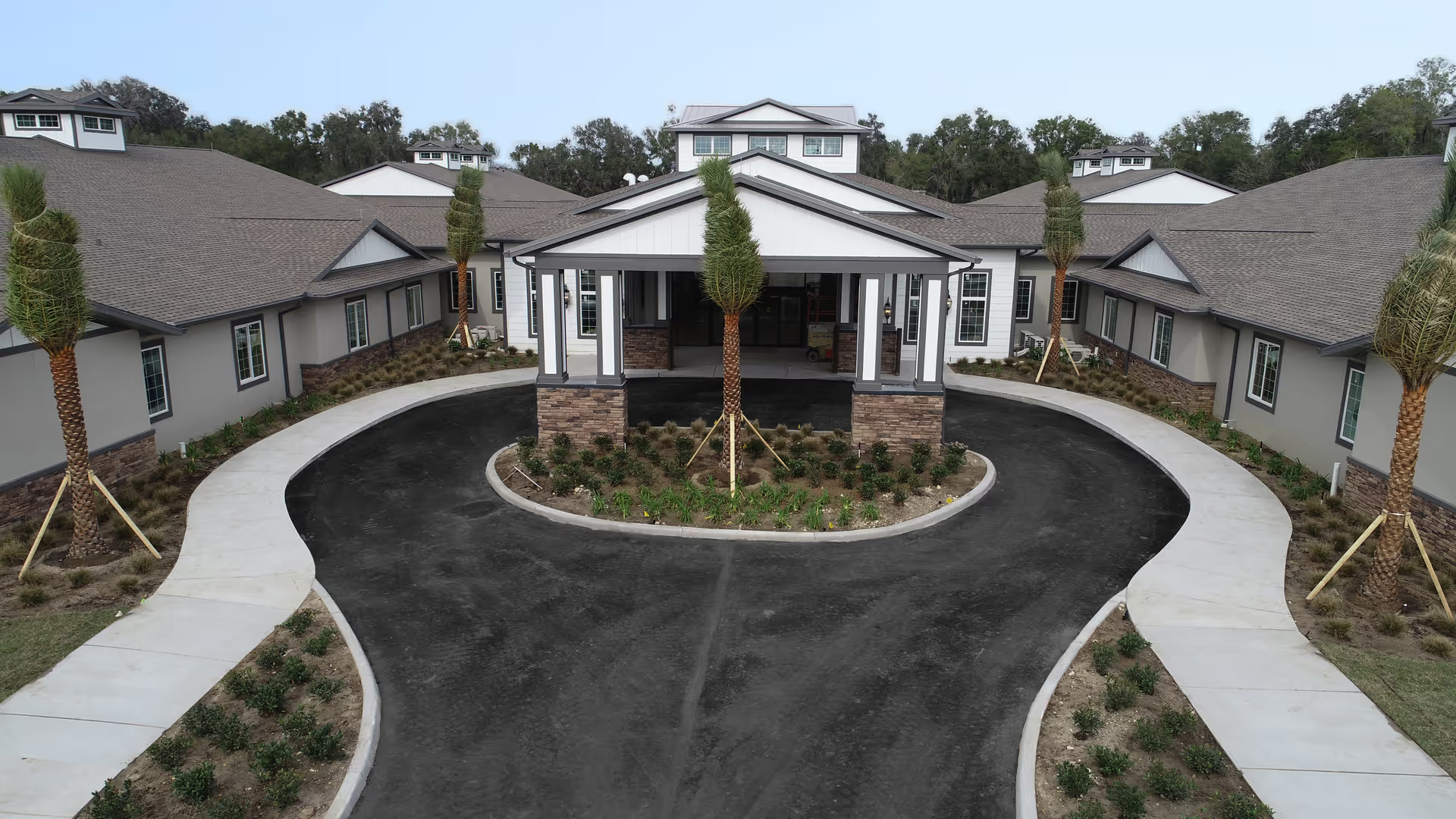
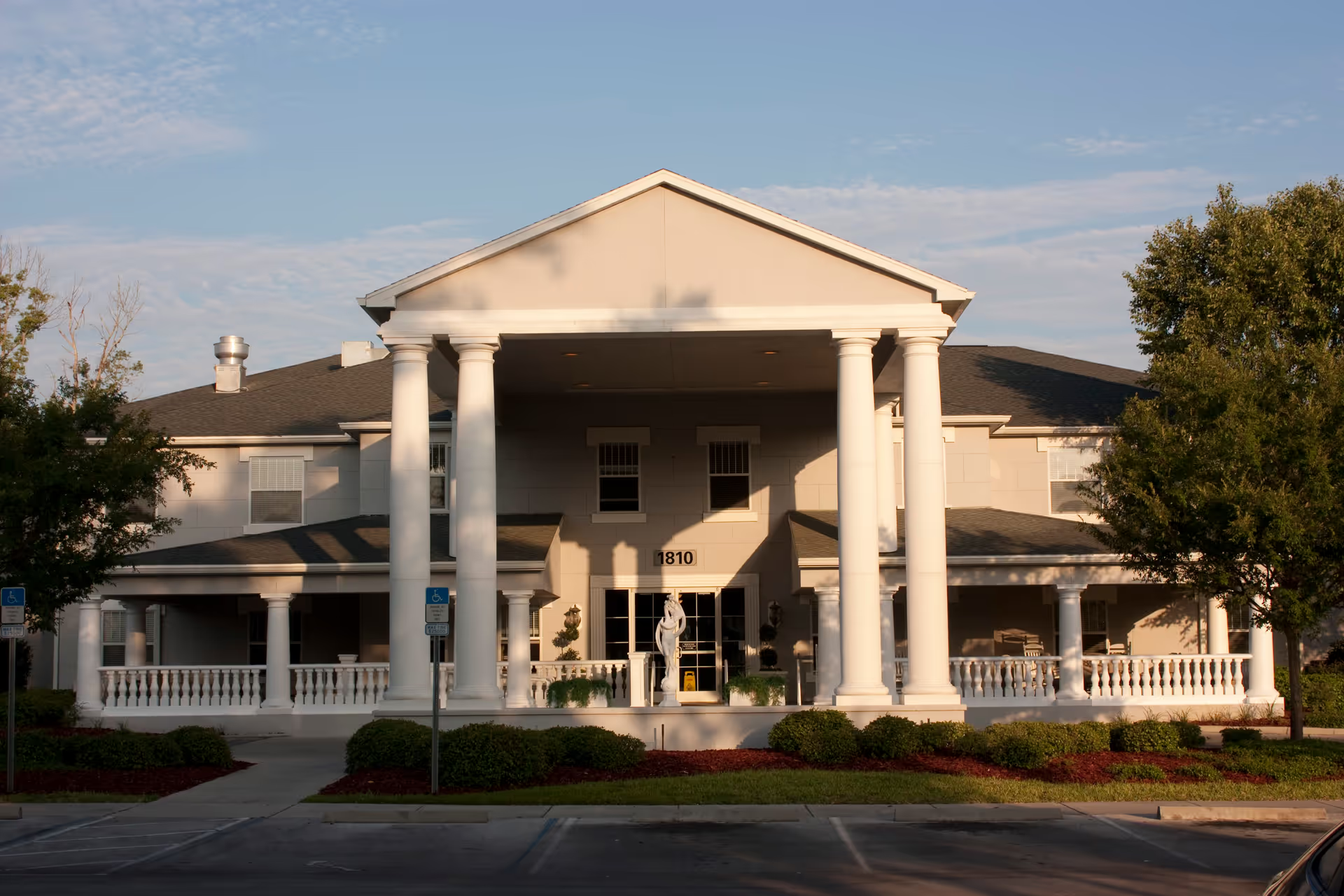
The review set presents a highly polarized picture of Plaza Health and Rehab Center. Many families and patients praise the facility’s clean, modern environment, private-room options, and a robust rehabilitation program; specific therapy teams and individual clinicians receive repeated commendation for helping patients regain function. At the same time, a substantial subset of accounts describes operational and clinical deficiencies that materially affect resident care and family confidence.
Care quality appears mixed. Positive feedback centers on effective therapy, attentive nurses and aides, and successful short-term rehab outcomes. Conversely, there are recurring concerns about medication administration (missed or delayed doses), delayed or inconsistent wound and ostomy care, missed turning and bathing schedules, and incidents that suggest gaps in clinical monitoring. These clinical issues have contributed to transfers back to acute care in some cases and elevate perceived pressure-injury and infection risk if not addressed.
Staffing and staff conduct are similarly bifurcated. Many reviewers describe compassionate, professional nurses, CNAs, therapists, and frontline staff who provide respectful bedside care and clear explanations. However, variability in staffing levels, high turnover, and inconsistent responsiveness are also frequent themes. Families cite slow response to call bells, communication breakdowns between departments (including pharmacy coordination), and at times an unfavorable tone in staff interactions. Supervisory and administrative responsiveness is described as effective in some instances and inadequate in others.
Dining, housekeeping, and activities show comparable variability. Several reviews highlight tasty, customizable meals, a pleasant dining environment, active programming and outings, and reliable daily housekeeping. Counterbalancing that are reports of missed or late meals, cold trays, dietary-plan confusion, inconsistent laundry service, and localized sanitation or odor concerns—notably in some bathrooms and in the memory-care area. Activity staffing and engagement are often praised where present; lack of programming is a concern where staff coverage is limited.
Facility, safety, and management patterns: the building, public spaces, and many resident rooms are described as attractive and well maintained, with modern admissions procedures and security protocols. Yet reviewers also identified security and supervision gaps in the memory-care unit, inconsistent management of personal property, and administrative process problems during admissions and discharges. There are allegations concerning missing personal items that raise questions about property controls and documentation. In several accounts families escalated issues to external advocates or ombudsman resources.
Taken together, the pattern is of a facility with strong rehabilitation capabilities, capable and caring staff members, and a generally well-kept environment — alongside intermittent but significant operational and clinical failures tied to staffing, communication, and certain care protocols. Prospective residents and families should plan an in-person tour, ask for up-to-date inspection and citation history, and seek specific, written assurances about staffing ratios, medication administration procedures, wound/ostomy care protocols, memory-care security measures, and property-inventory practices before placement. Regular family communication channels and a clearly identified point of contact can help mitigate the variability described in these reviews.