Overall impression: Reviews present a mixed but often positive picture. Many families and residents emphasize warm, attentive caregiving, a family-like culture, and a range of social opportunities. At the same time, several operational weaknesses appear across reviews that could affect placement decisions depending on a prospective resident’s clinical needs.
Care quality and staff: The facility is frequently described as having compassionate, friendly staff who engage residents personally and create a home-like atmosphere. Reviewers cite examples of staff availability, individualized attention, medication management, and supportive end-of-life care. However, there are also multiple accounts indicating variability in basic personal-care tasks and responsiveness; these accounts suggest inconsistent personal care assistance and periods of staffing instability. Concerns about staff conduct and professionalism are present in a subset of reviews, indicating variability in the tone and consistency of interactions with families.
Dining and nutrition: Dining is generally characterized as three meals daily with the ability to accommodate individual preferences; several reviewers praised cooks and noted improvements over time. That said, others describe inconsistent meal quality or service continuity, especially during periods of change or renovation. Prospective residents should inquire about current meal-service processes and sample menus during a tour.
Activities and social life: The facility offers a broad activity mix — exercise classes, bingo, crafts, a movie room, pool table, weekly live music and pastor visits — that many residents find engaging. Small-community programming and frequent social events are repeatedly cited as strengths that support resident engagement and wellbeing.
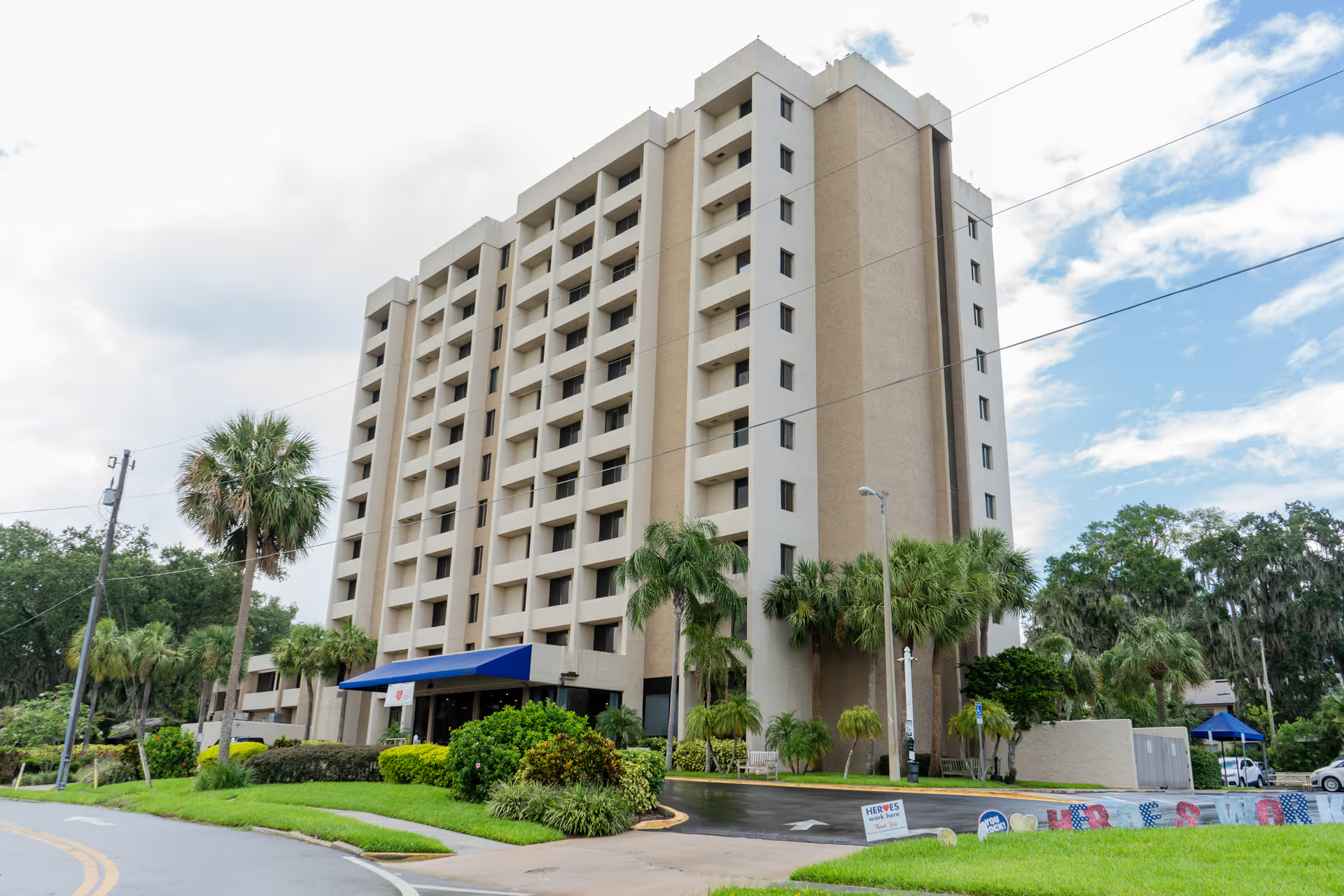
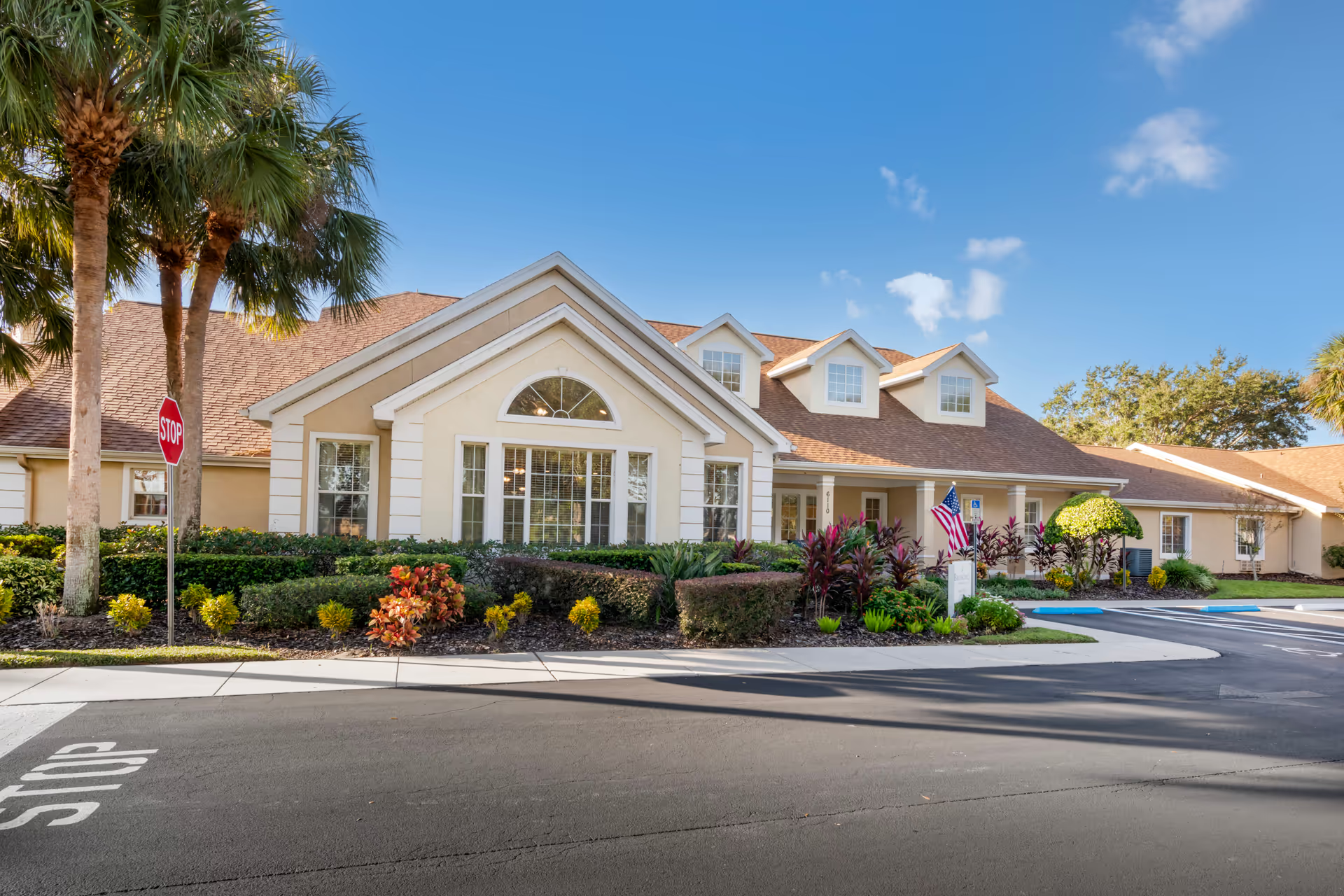
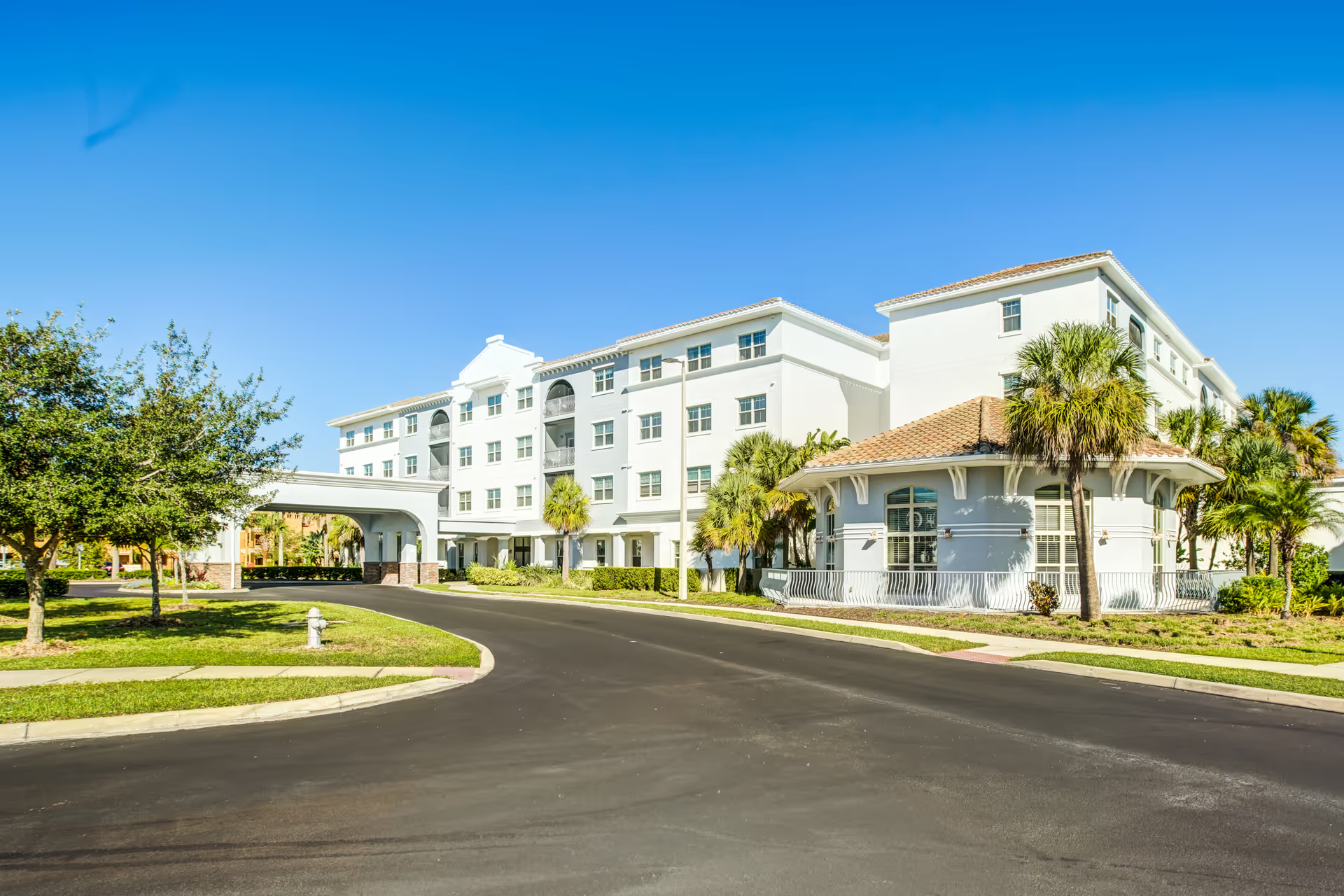
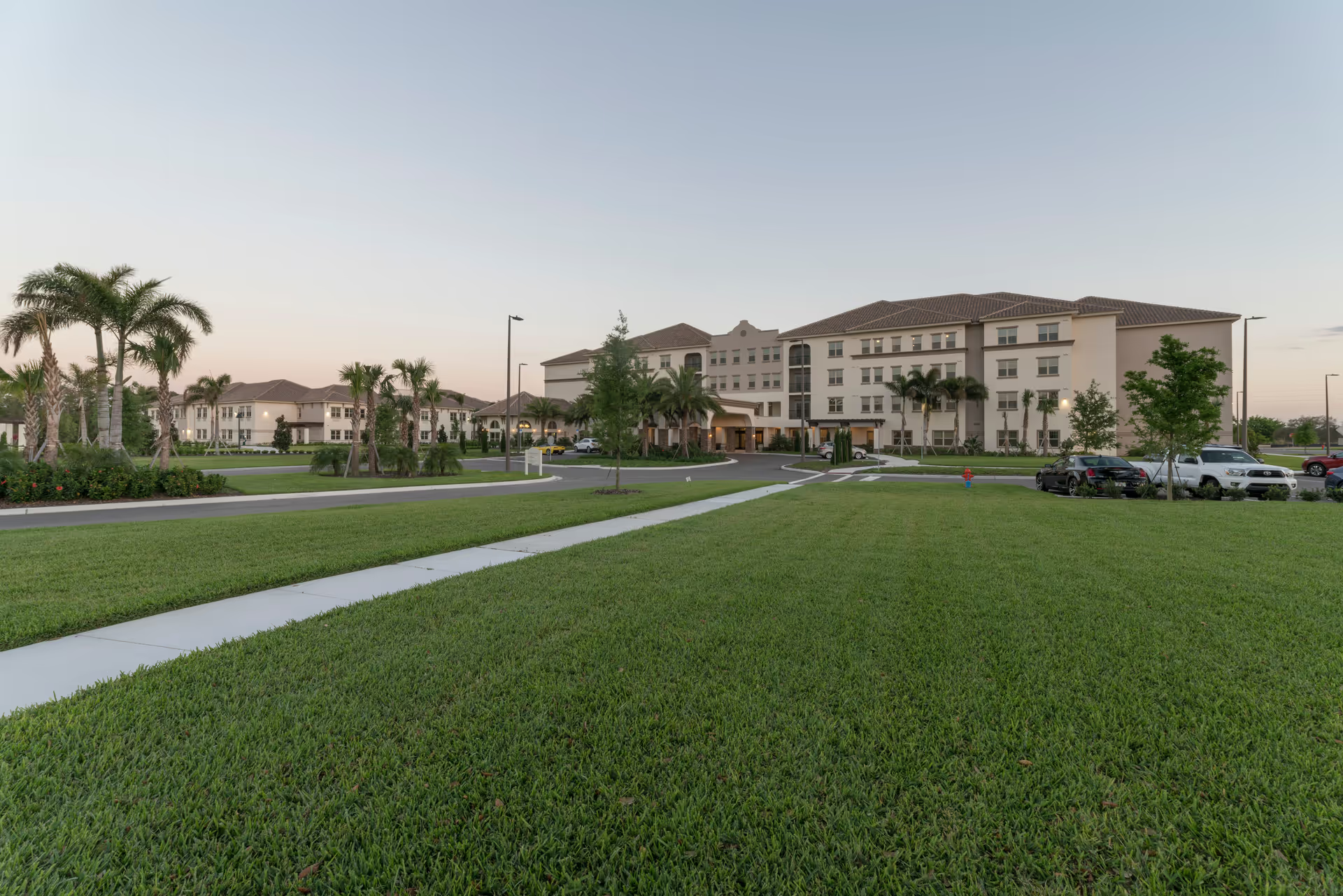
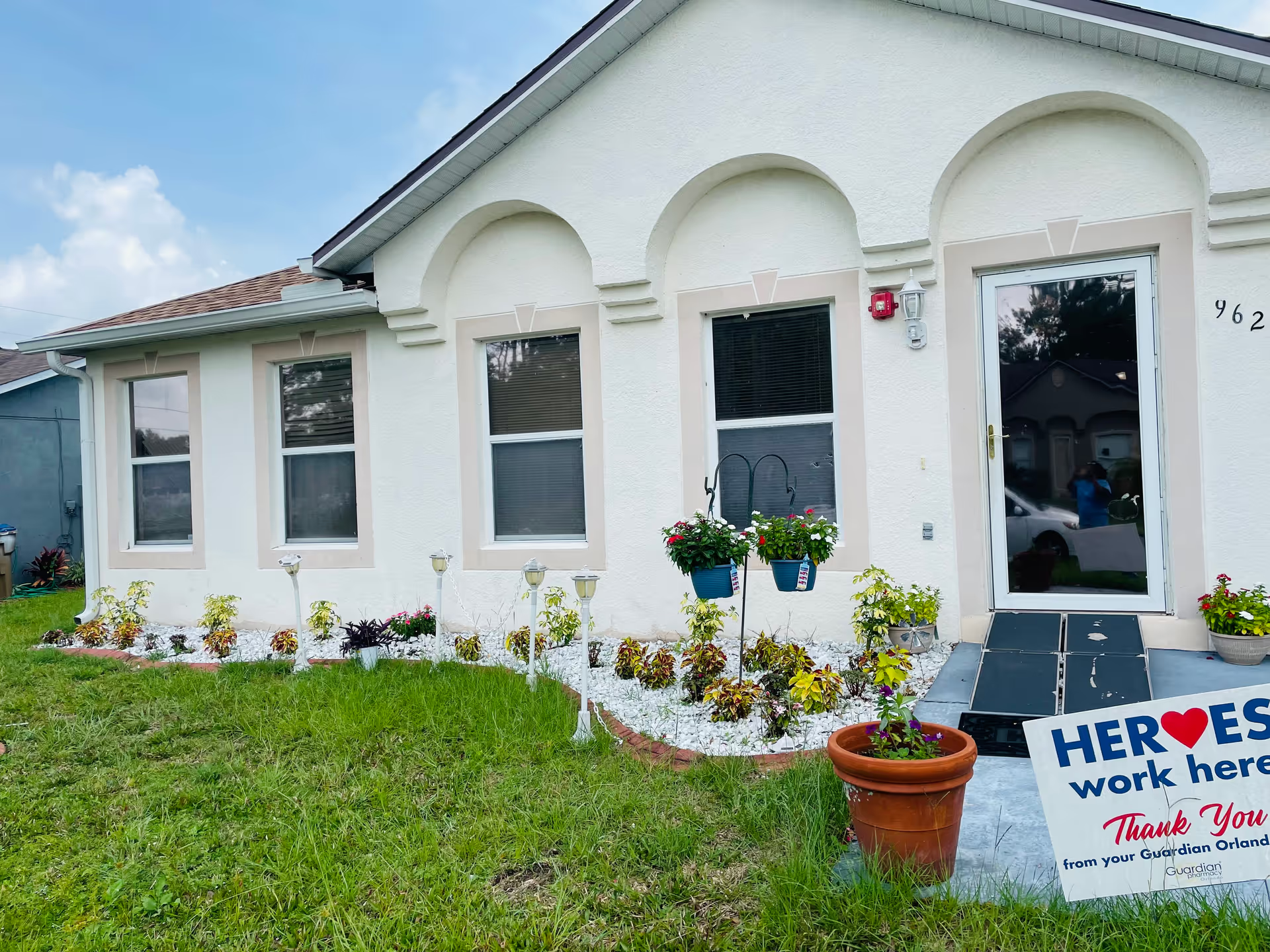
Facilities and environment: Common areas and exterior grounds are often described as clean, bright, and well cared for, and the single-floor layout is convenient for mobility. Units tend to be small and, in some cases, dated; reviewers note tiny kitchenettes, narrow private-room footprints, and 1980s décor in parts of the building. Renovations are underway in places, which many reviewers view positively but which can also cause temporary disruption. Pest-control and sanitation/odor concerns are raised in a number of accounts and should be explored during an on-site visit.
Management and operations: Experiences with management are mixed. Several families praise helpful admissions staff and engaged executive leadership who facilitate smooth transitions. Conversely, other reviews describe inconsistent communication, lapses in notifying families about significant events, and process gaps (intake/bed management, laundry, housekeeping). Staffing turnover is mentioned as a contributor to uneven experiences. The facility appears less well suited for residents who require late-stage dementia care or a seamless transition to higher-level skilled nursing, as on-site skilled-care capacity and dementia-specific services are limited.
Notable patterns and recommendations: Strengths are concentrated in person-centered caregiving, active social programming, and a small, community-oriented environment. Areas to verify in person include unit size and layout, current housekeeping and pest-control practices, the facility’s approach to personal-care scheduling, and the consistency of management communication. Prospective residents with high clinical needs or progressive memory impairment should confirm availability of appropriate clinical supports or a clear transition plan to higher-level care. A tour that includes observation of meal service, an activities session, and discussion with both admissions and nursing leadership is advisable to assess fit.