Across the reviews, Dayspring Senior Living presents a mix of clear strengths and recurring operational issues. The most consistent positives relate to staff quality: reviewers frequently described caregivers as compassionate, attentive, and familiar with residents by name. Multiple accounts highlight long staff tenure and a family-like atmosphere, with specific praise for individual staff members and for accessible leadership. The facility’s scale and layout — a smaller community with about 32 rooms — are seen as beneficial for personalized attention, and many families valued the 24-hour care model, generator backup, gated campus, outdoor space, and up-to-date infection-control practices.
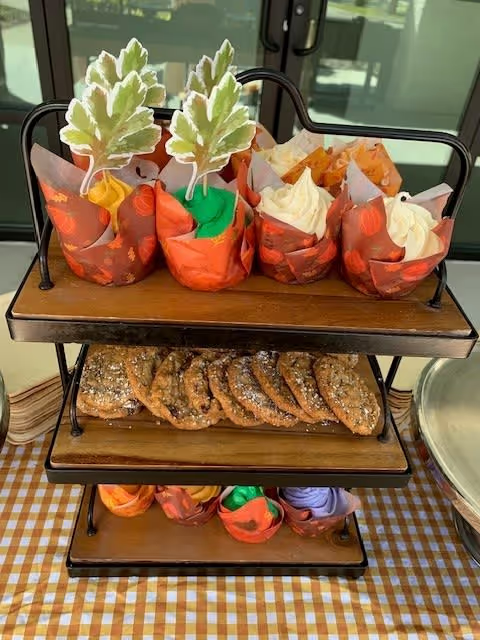
Dining and activities offer a generally positive experience for many residents. Several reviewers complimented meal portion sizes, pleasant food aroma, and regular social events such as bingo, puzzles, and afternoon treats. That said, meal service execution and dining support were inconsistent in some accounts: examples include missing dining amenities and calls for improved mealtime assistance. Activity levels also varied; while some residents appeared engaged and supported, others were described as disengaged or sleeping through communal periods, suggesting uneven programming or participation.
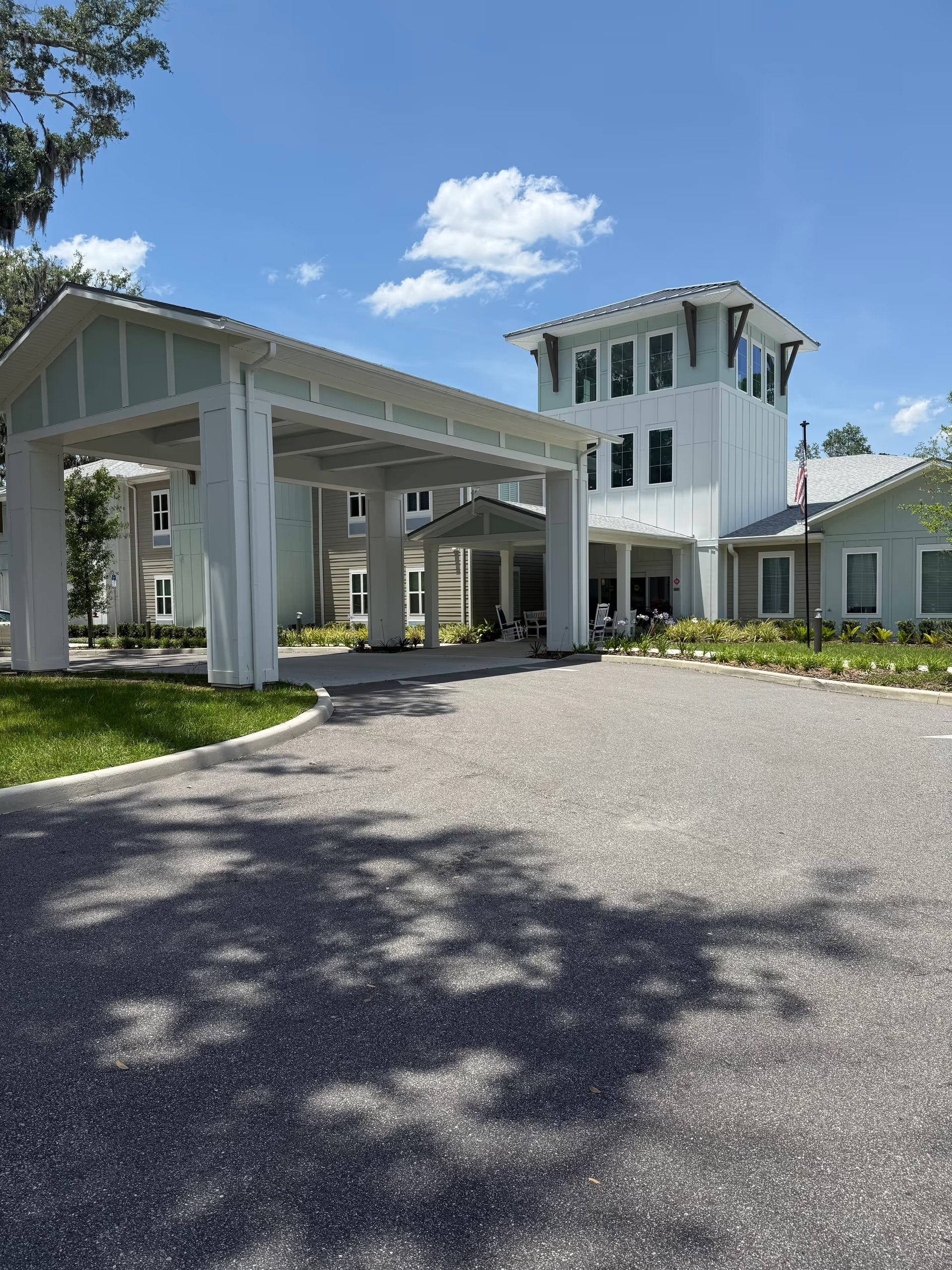
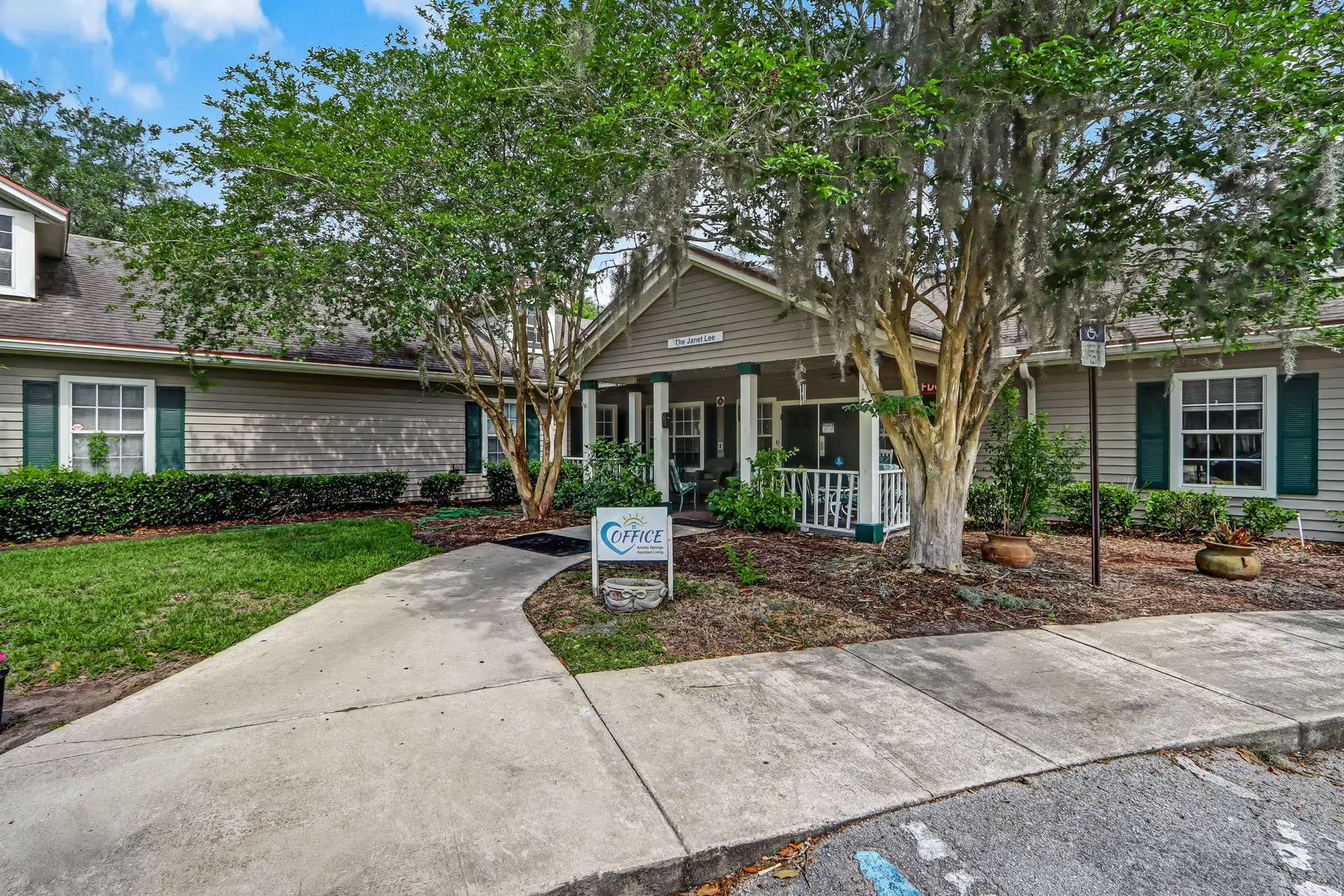
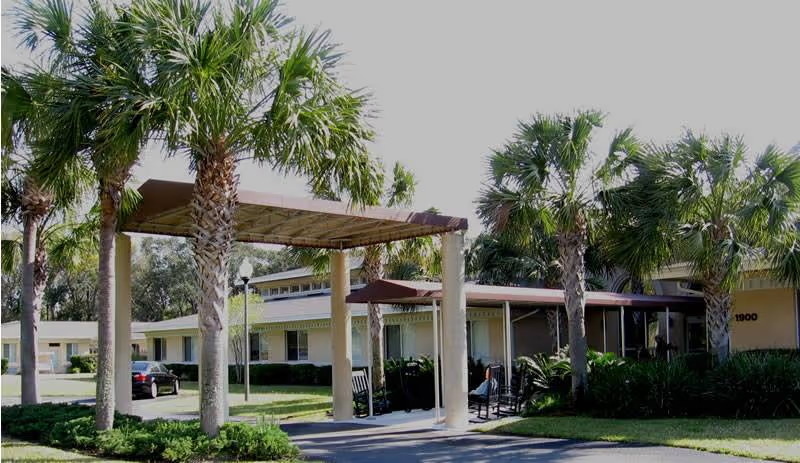
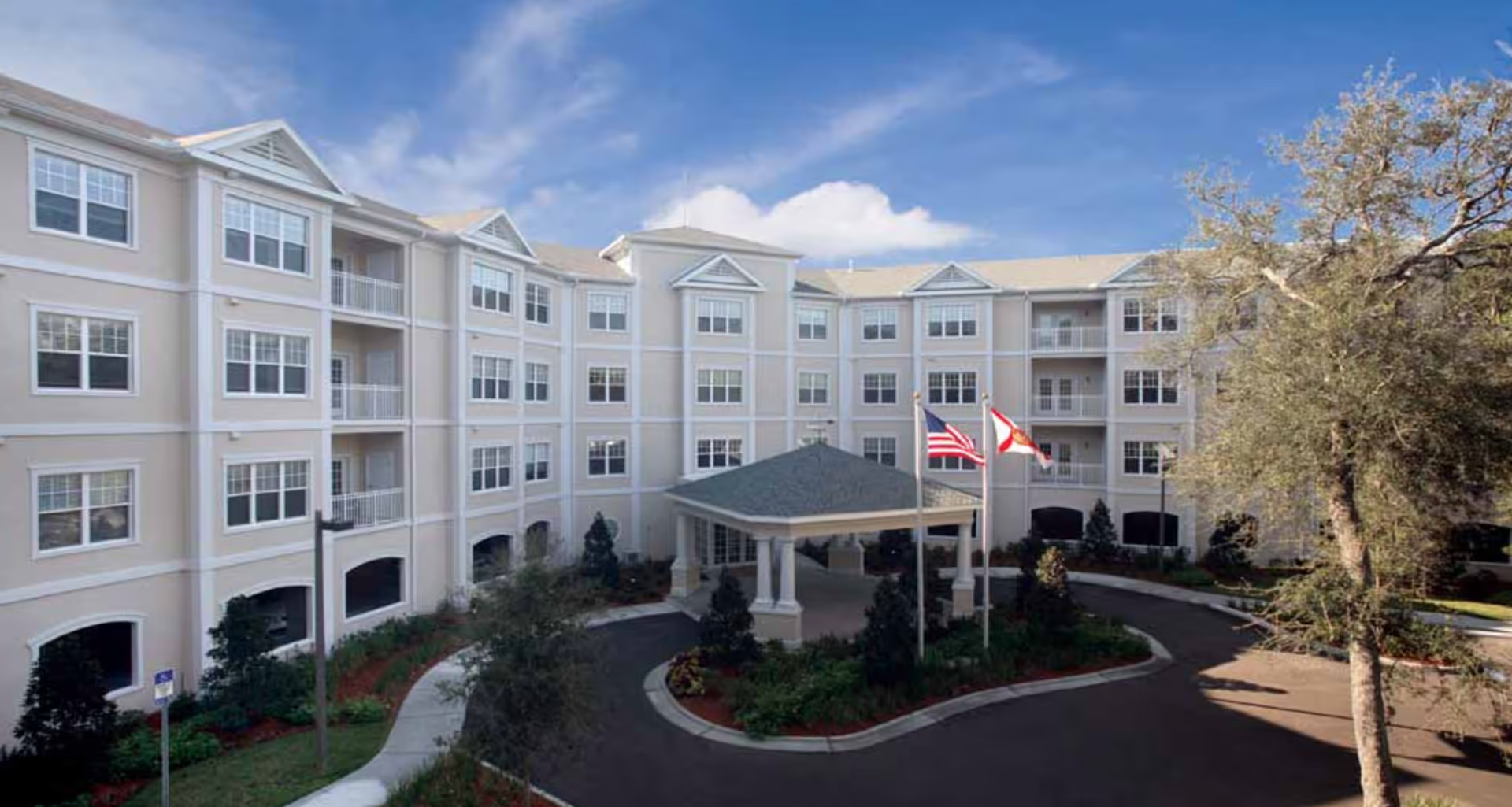
Facility condition and layout generate both praise and criticism. Many families described the building as clean, modern, and well-maintained with large windows and tranquil décor; others noted small room footprints, limited closet/storage space, and shared bathroom arrangements that may affect comfort for some residents. A few reviewers described parts of the campus as having an institutional or sterile feel, indicating that experience can differ by unit or neighborhood within the facility.
Operationally, the most notable concerns involve communication, billing, and safety protocols. Several reviewers raised issues about inconsistent communication with families, including delays or gaps in notification after clinical incidents. Relatedly, concerns about billing transparency—unexplained fee increases and memory-care fees applied without clear signage or explanation—were flagged as an area needing clearer policies and documentation. There were also isolated but significant sanitation and kitchen-hygiene concerns that would warrant administrative review and corrective action. Staffing consistency and competence were praised in many accounts, yet others described periods of understaffing or variable caregiver performance, indicating room for improvement in scheduling, supervision, and training.
In sum, Dayspring appears to offer a caring, small-community environment with many strengths in staff relationships, cleanliness, and safety infrastructure. Prospective residents and families should weigh those strengths against operational caveats: verify room size and bathroom arrangements, ask for detailed billing explanations, request the facility’s clinical-incident notification procedures, and inquire about kitchen hygiene audits and activity participation rates. For families who prioritize individualized attention and a small, well-maintained community, Dayspring may be a strong fit; families prioritizing transparent billing, consistently robust dining service, and larger private living space should seek clarifications during tours and admissions discussions.