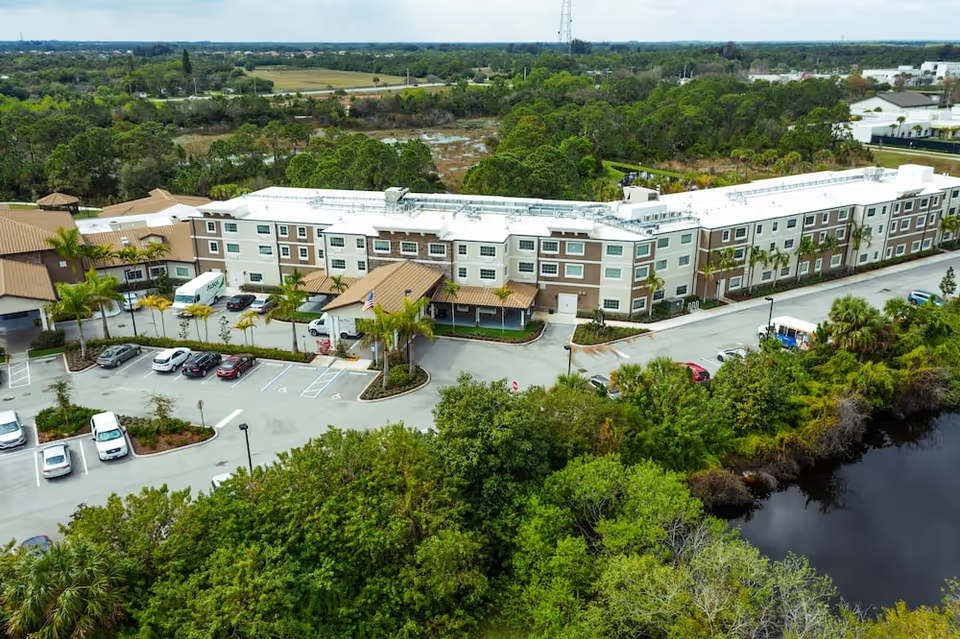
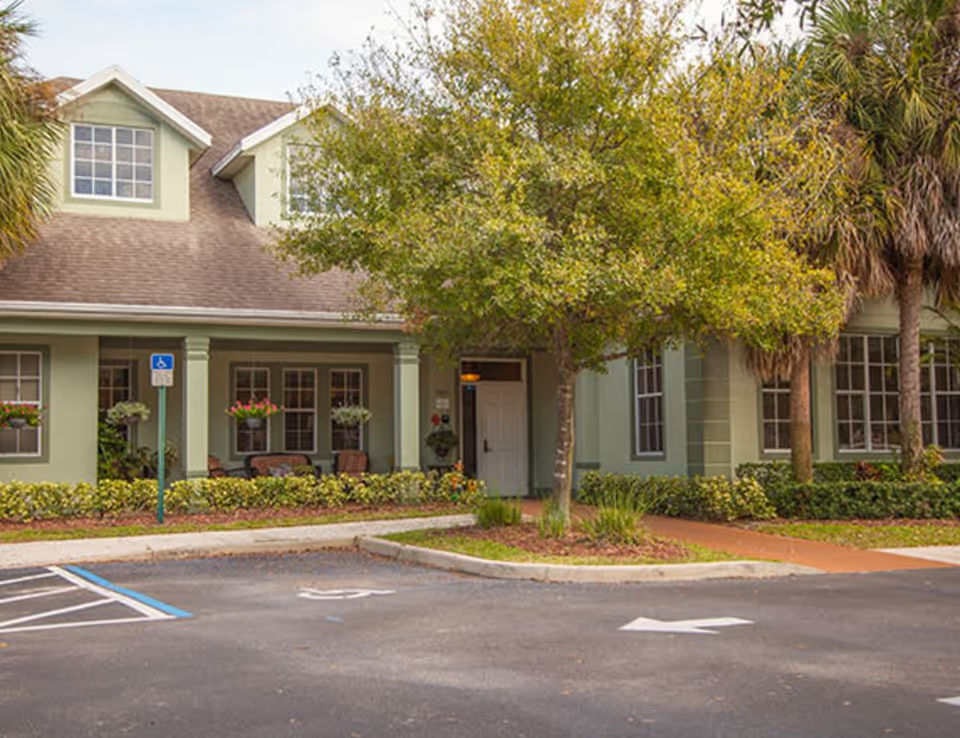
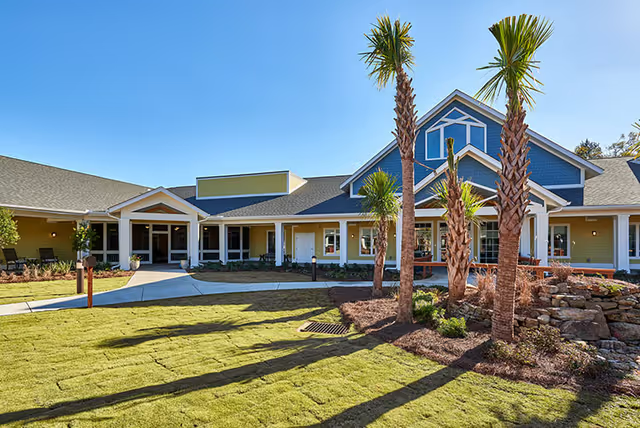
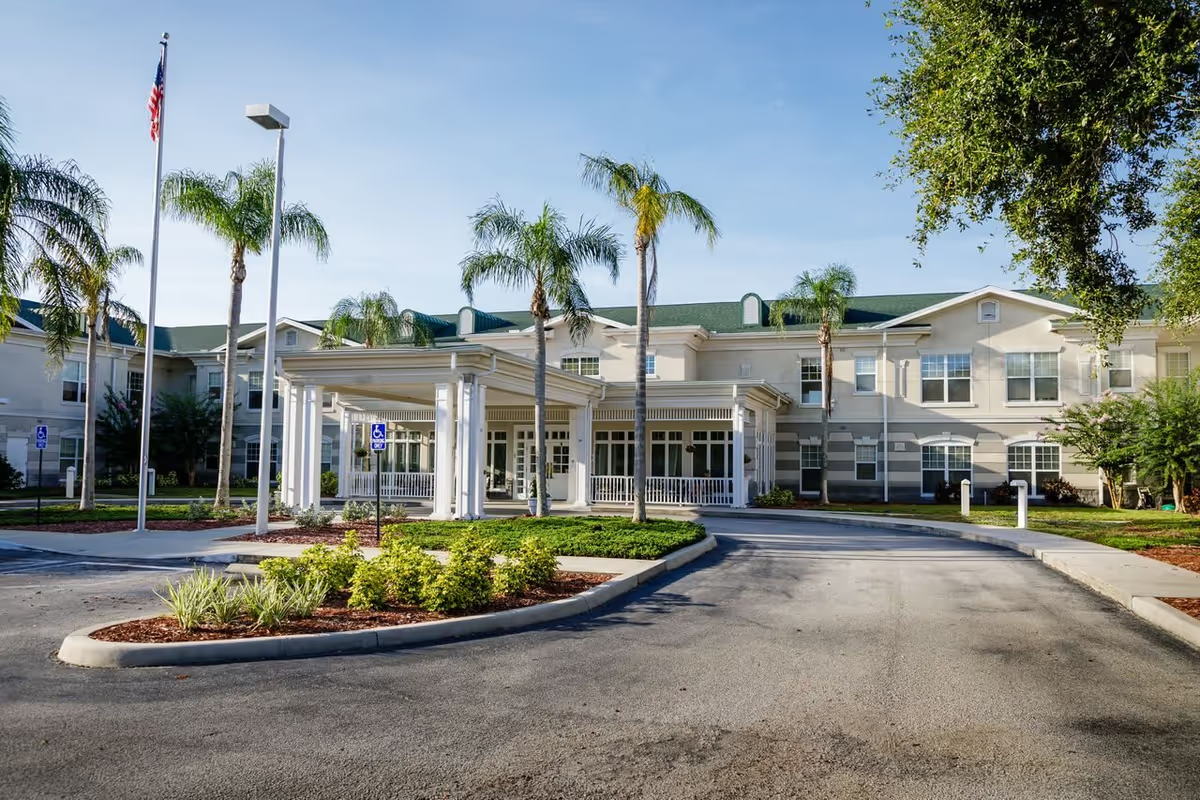
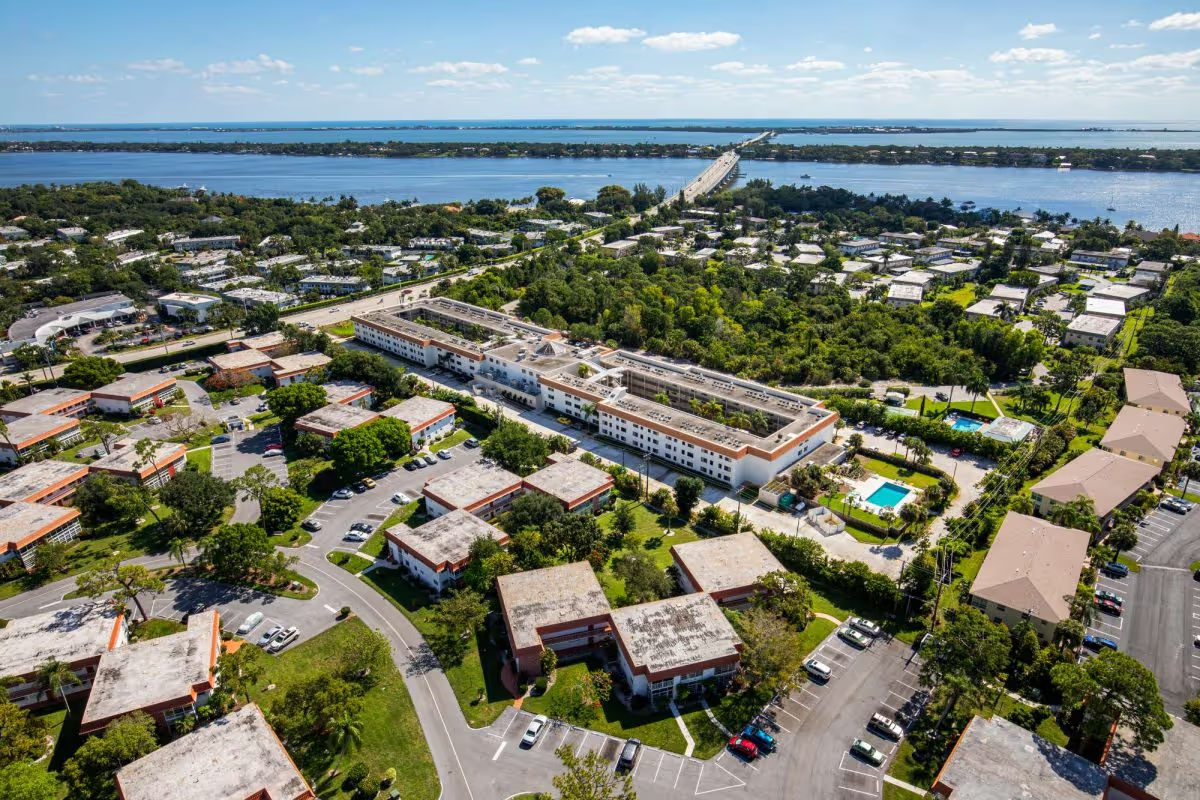
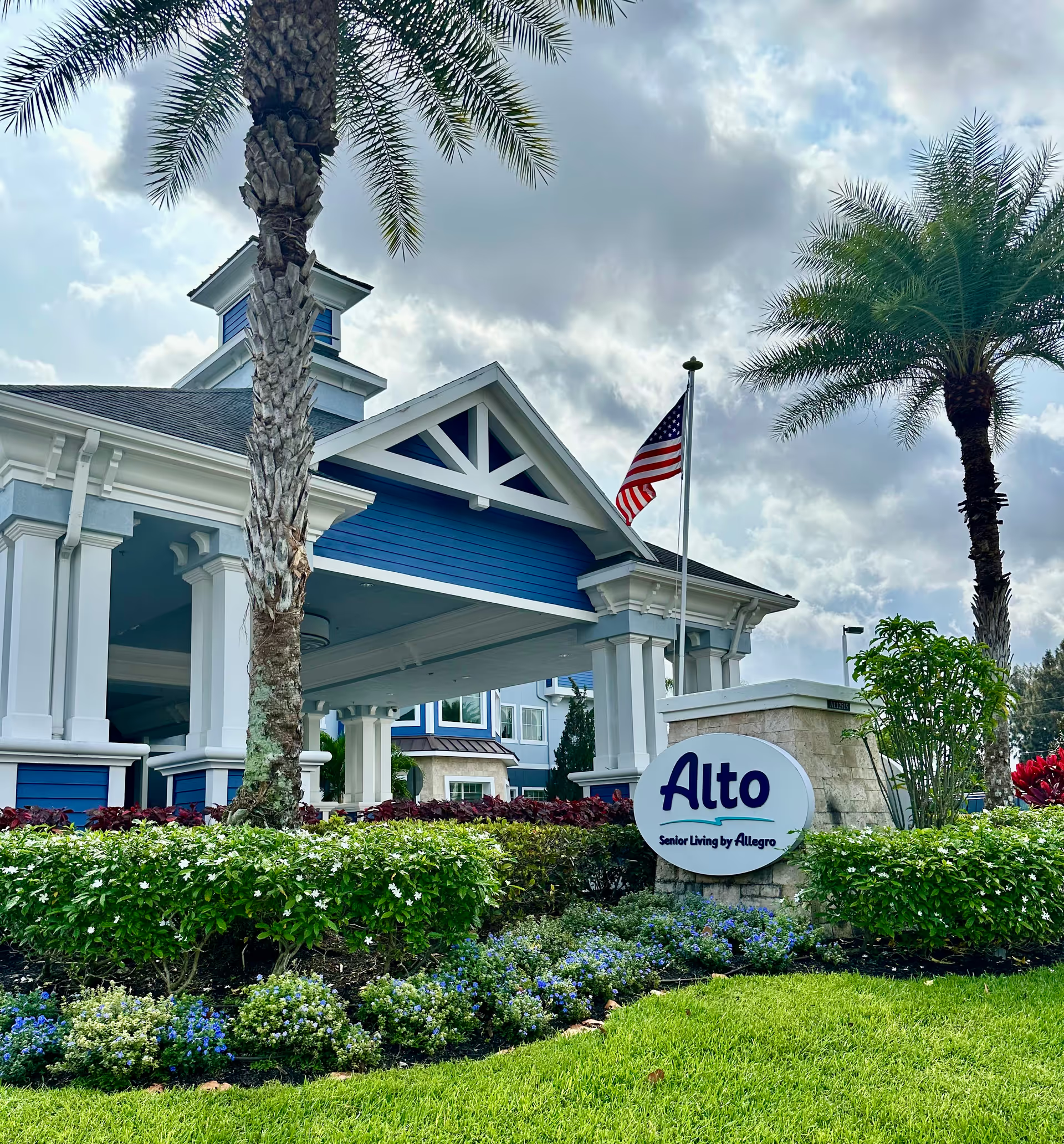
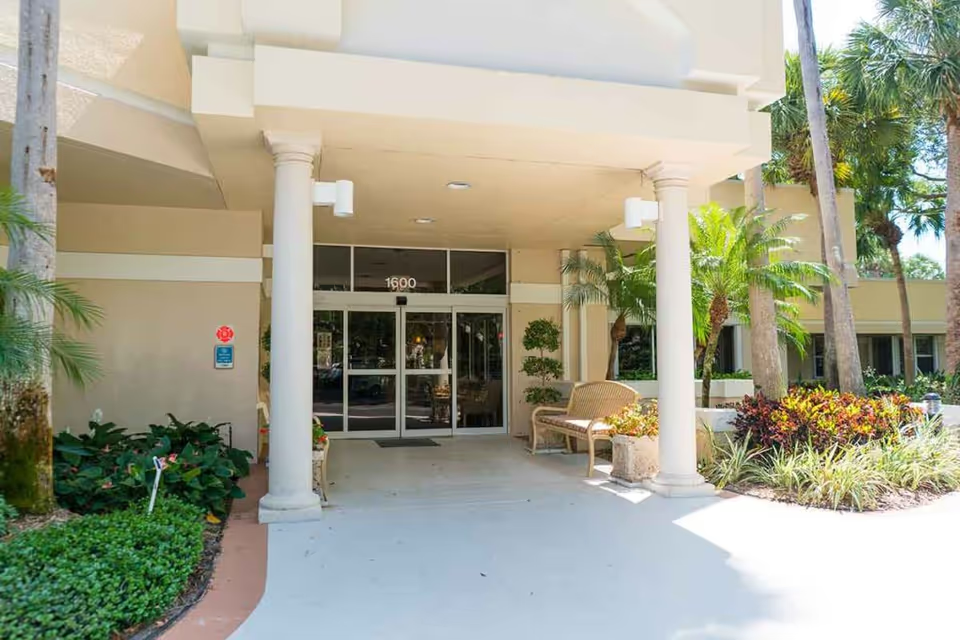
Discovery Commons Hobe Sound receives frequent praise for its staff, atmosphere, dining, and building quality. Many families and residents describe caregivers as compassionate, attentive, and relationship-oriented; reviewers commonly note a warm, home‑like culture, proactive leadership at the front‑end of the community, and staff who learn residents’ preferences. The property itself is frequently described as new or recently updated, clean in many areas, and attractively designed with private units, balconies or corner windows, pleasant common spaces, and responsive maintenance support.
Dining and activities are consistent strengths in the reviewer set. Multiple accounts highlight nutritious, well‑prepared meals, accommodating dietary options, and an active dining director. The activity program spans social games, arts and crafts, outings, happy hours, and entertainment; reviewers report ample opportunities for social engagement and opportunities to leave the community for meals and events. On‑site conveniences such as salon services, mobile medical/dental visits, a handicap shuttle, and technology‑help programs are cited as supportive to day‑to‑day living and family peace of mind.
Despite the positive themes, there are operational concerns that recur across reviews and warrant direct inquiry. Several reviewers described issues consistent with medication‑management weaknesses and delays in correcting medication-related problems. There are also accounts indicating sanitation and incontinence‑care concerns in particular areas, alongside statements that contrast highly positive cleanliness impressions—suggesting variability rather than uniformly high performance. Staffing patterns are another area to probe: comments cite both dedicated, long‑standing caregivers and periods of short staffing or personnel deemed insufficiently qualified for certain needs.
Clinical‑safety and communication patterns also emerge as mixed. A small number of reviewers described significant clinical incidents and delayed detection of a fall that resulted in injury; others reported challenges with emergency contact information and inconsistent communication from leadership. Relatedly, a few accounts raised concerns about infection‑control and vaccination practices during an earlier public‑health period. Memory‑care families indicated that while basic support is present, some residents would benefit from more memory‑specific programming and activities.
Overall, the dominant pattern in these summaries is strong family‑level satisfaction with staff attentiveness, dining, activities, and the physical environment, coupled with notable operational weaknesses in clinical systems, sanitation consistency, staffing stability, and communication. Prospective residents and families should weigh the facility’s strengths in hospitality and engagement against these operational items by asking targeted questions during a visit (medication‑management protocols, overnight monitoring, staffing ratios, infection‑control policies, documented incident follow‑up, and memory‑care programming) and by requesting recent regulatory history and references from current families.