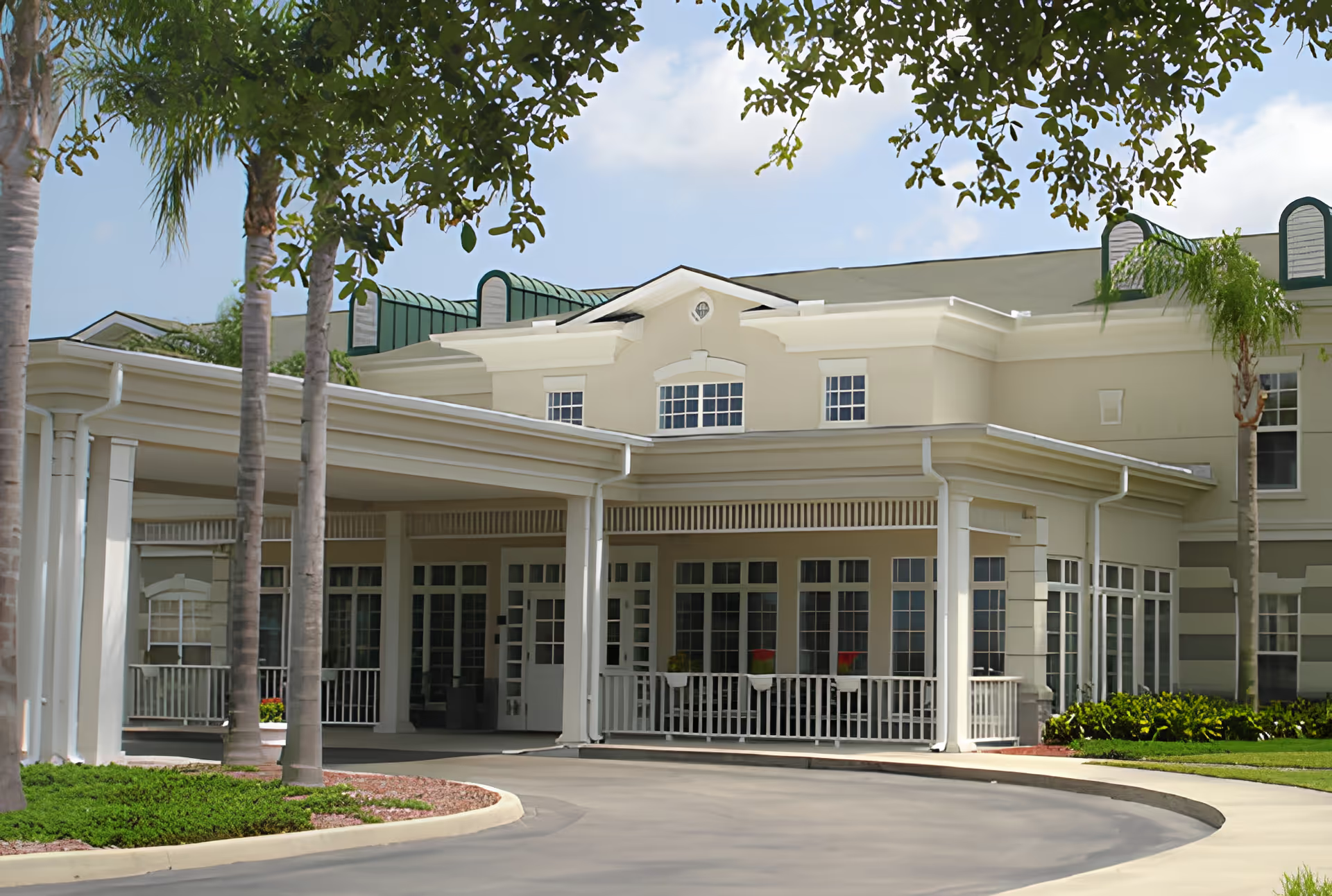
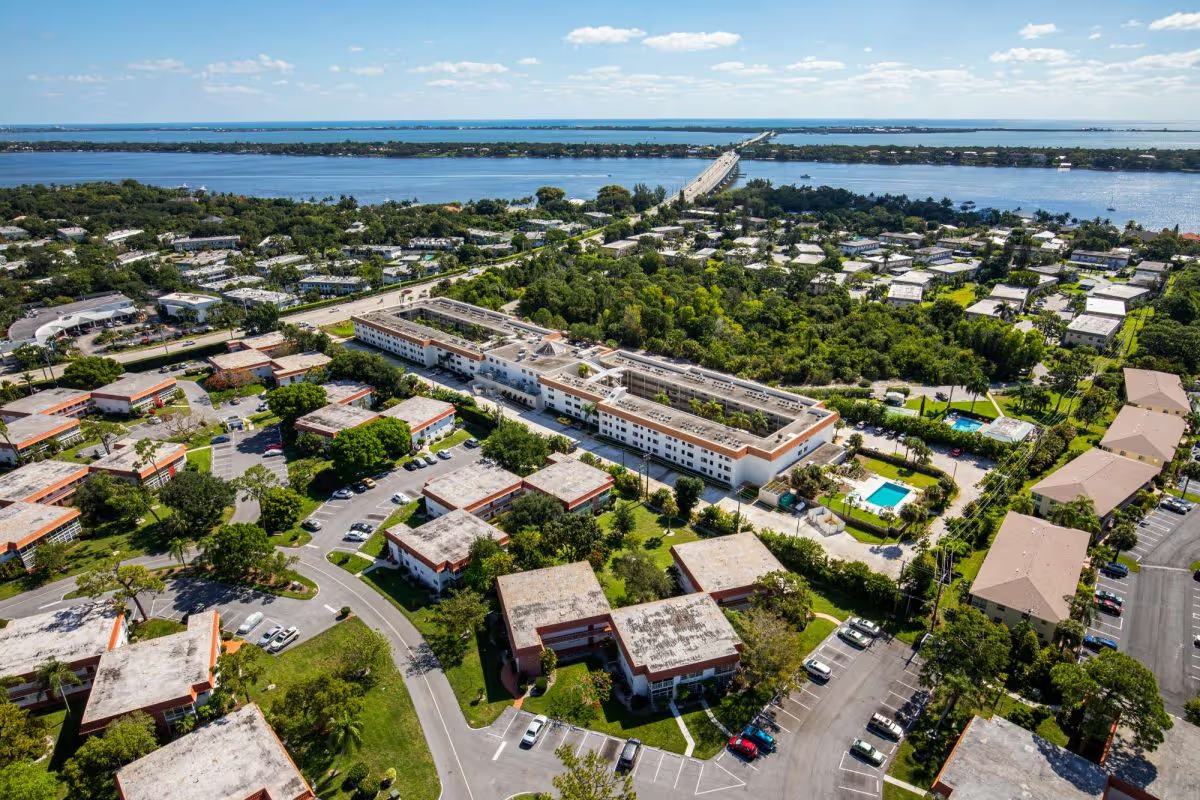
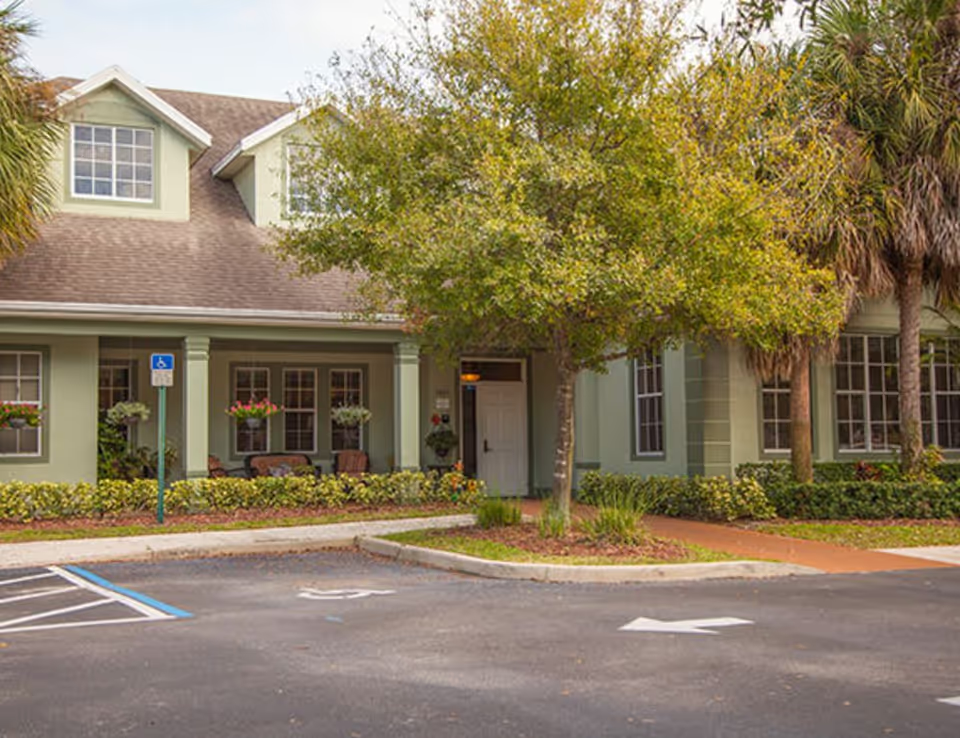
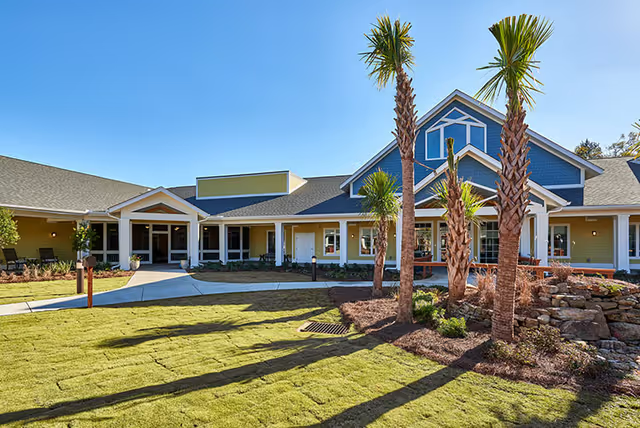
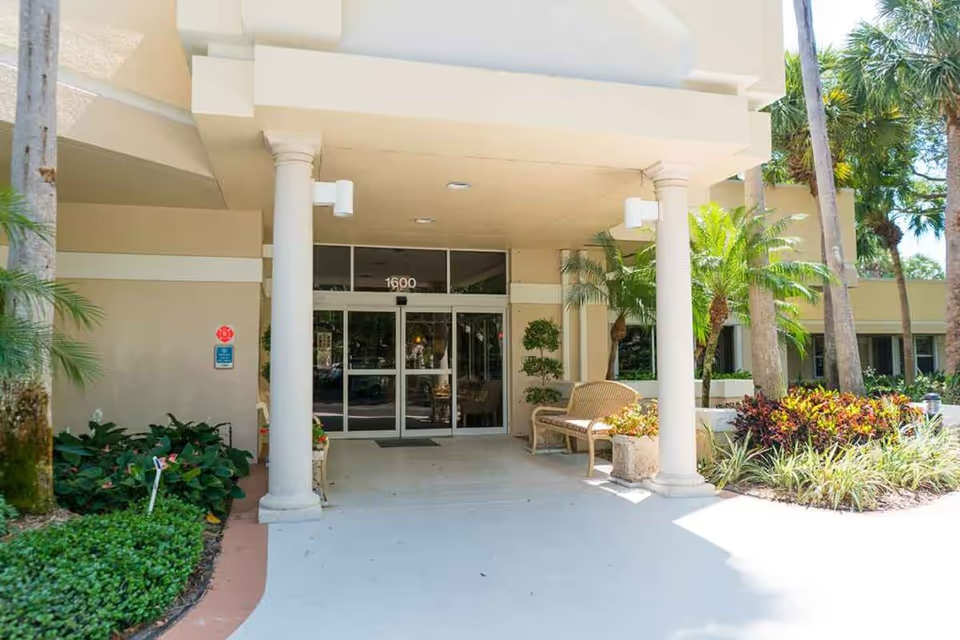
Overall impression: Stuart Lodge (Alto Stuart) presents as a largely renovated, lodge-style assisted living and memory-care community with a strong emphasis on social life, hospitality, and a homelike environment. Many reviewers praise the facility's decor, courtyard, communal spaces and the chef-driven dining experience. Activity programming, entertainment, and family-friendly amenities (movie rooms, chapel, pool, guest meals) are frequently cited as strengths that support resident engagement and socialization.
Care and staff: The dominant theme across reviews is staff dedication: nurses, CNAs, activity directors, dining staff and admissions personnel are repeatedly described as compassionate, attentive and personable. Several families singled out members of the clinical and leadership teams for effective oversight and supportive transitions. At the same time, there is a discernible pattern of operational concerns around staff stability and clinical consistency. Reviewers described staffing turnover, periods when nurses and aides appeared overextended, and delays in assistance for personal-care needs. A subset of reviews described serious clinical incidents and concerns following a resident's death and other adverse outcomes; while these appear to be individual claims, they point toward potential gaps in clinical oversight, incident response, and family notification practices that prospective families should investigate during a tour and reference checks.
Dining and activities: Dining quality is generally viewed positively — reviewers highlight chef-prepared meals, made-to-order options, and flavorful menus. However, there are also recurring notes about menu repetition and uneven accommodation of special dietary requests. The activities program is a clear advantage for many residents: organized social events, bingo, card games, outside entertainment, happy hours and field trips are commonly praised, and activity staff are often described as energetic and resident-focused.
Facilities and accessibility: The property is frequently described as bright, clean and recently updated in many areas, with attractive common spaces, a courtyard and accessible circulation in several units. That said, some reviewers note variability across the building: certain wings or activity rooms are described as dark, narrow or awkwardly laid out, and there are occasional housekeeping and maintenance inconsistencies (carpet spots, need for painting) in parts of the community. Unit sizes range from modest to spacious; several families appreciated private apartments with kitchenettes but also noted that some smaller units can feel cramped relative to the community's price point.
Management and communication: Leadership receives mixed feedback. Many families commend individual leaders (including named nursing directors and admissions staff) for responsiveness, thorough tours and hands-on involvement. Conversely, other reviewers describe challenges with recent management changes, perceived inexperience in new administrators, inconsistent follow-through on promised services, and lapses in communication (including voicemail/switchboard issues). These themes suggest that administrative continuity and responsiveness can vary over time and may be influenced by recent staffing changes.
Notable patterns and advice for families: Stuart Lodge offers a strong social environment, attractive amenities and many examples of excellent person-centered care. At the same time, patterns of clinical inconsistency, staffing turnover, and communication gaps recur enough that prospective residents and families should perform targeted due diligence. Recommended steps include asking about current staff turnover rates, incident reporting and family-notification procedures, oxygen and medication-management protocols, specific dining accommodation practices, and observing lighting, layout and cleanliness in the exact unit under consideration. For families with higher or rapidly escalating care needs, confirm the facility's admissions screening and transfer policies and whether the community can manage progressive clinical requirements or has reliable pathways for higher-level care if needed.