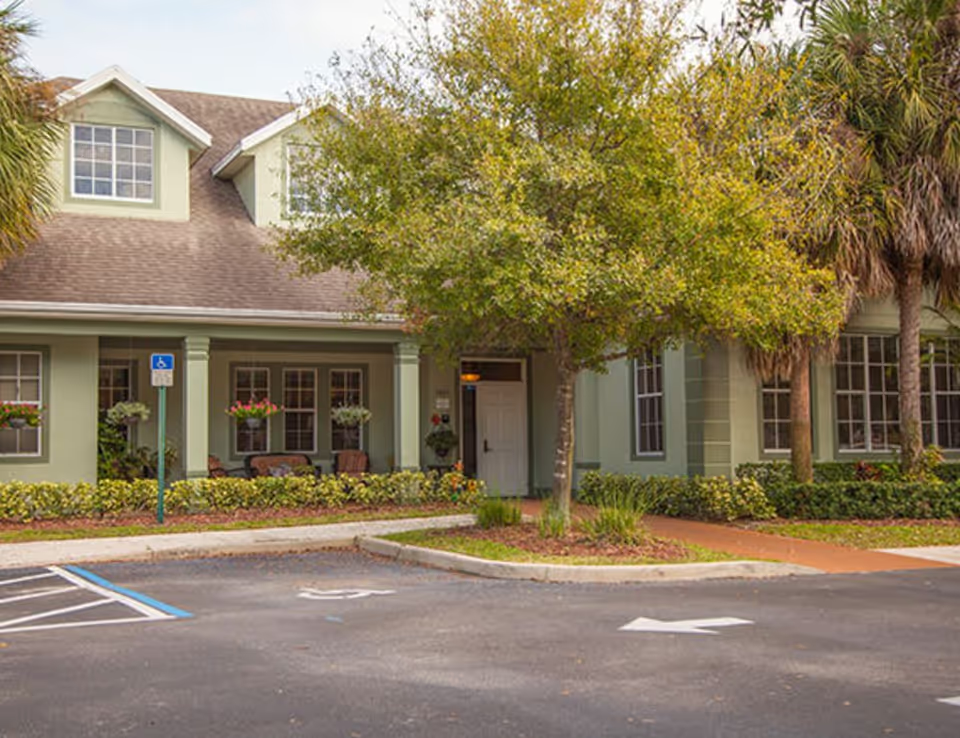
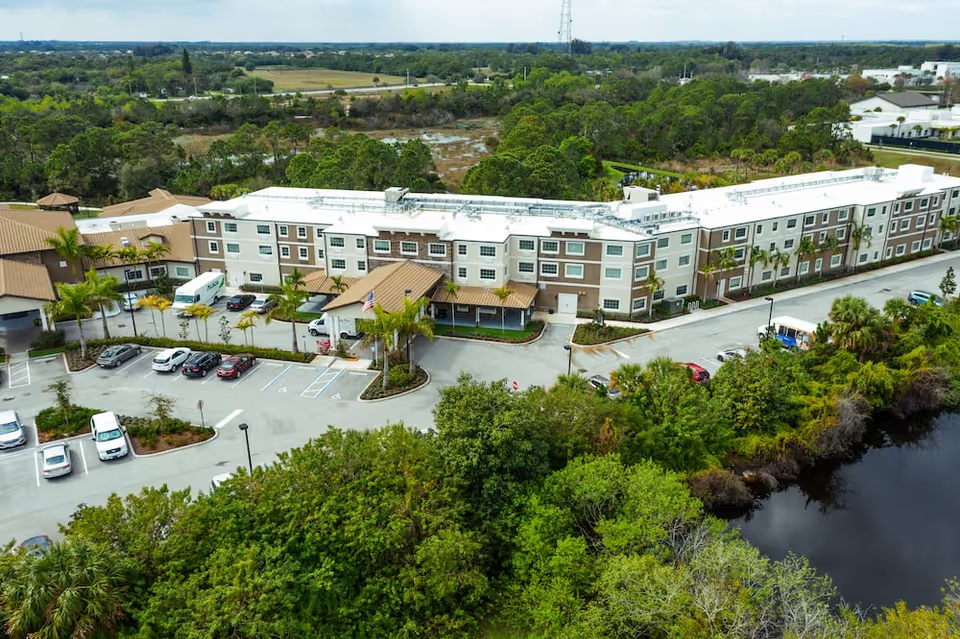
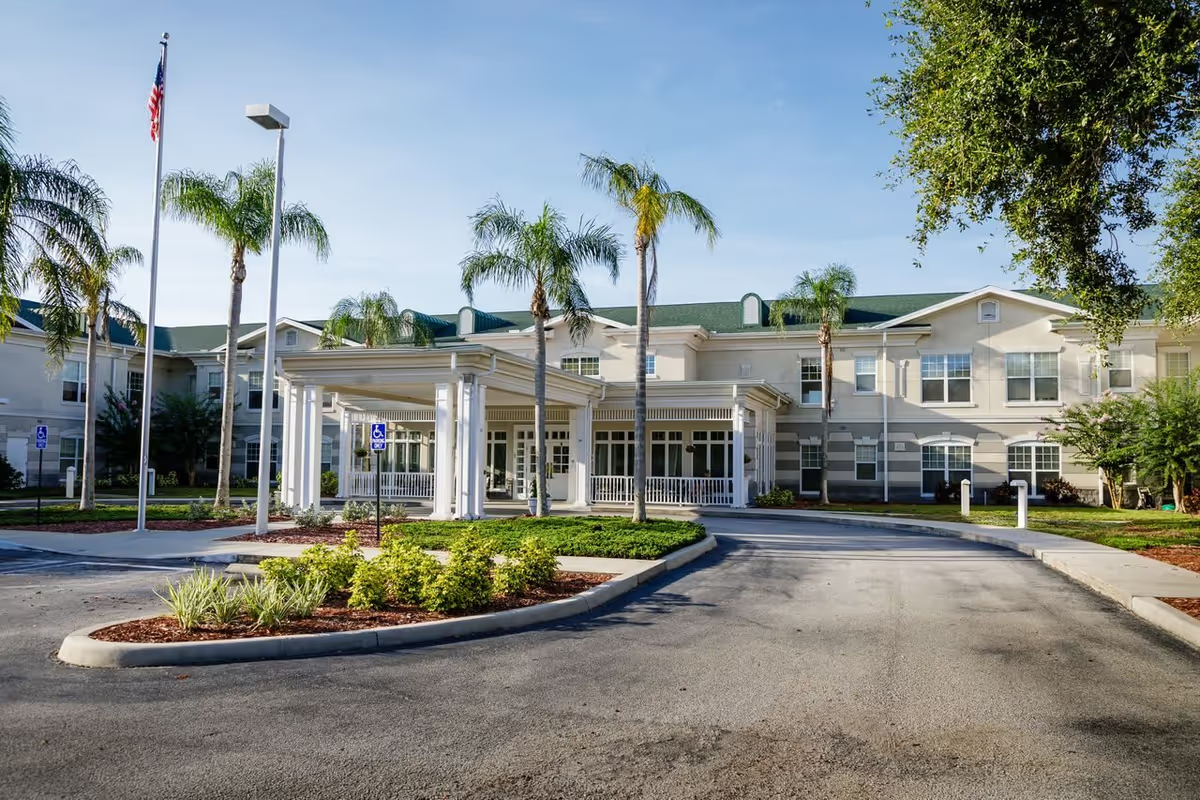
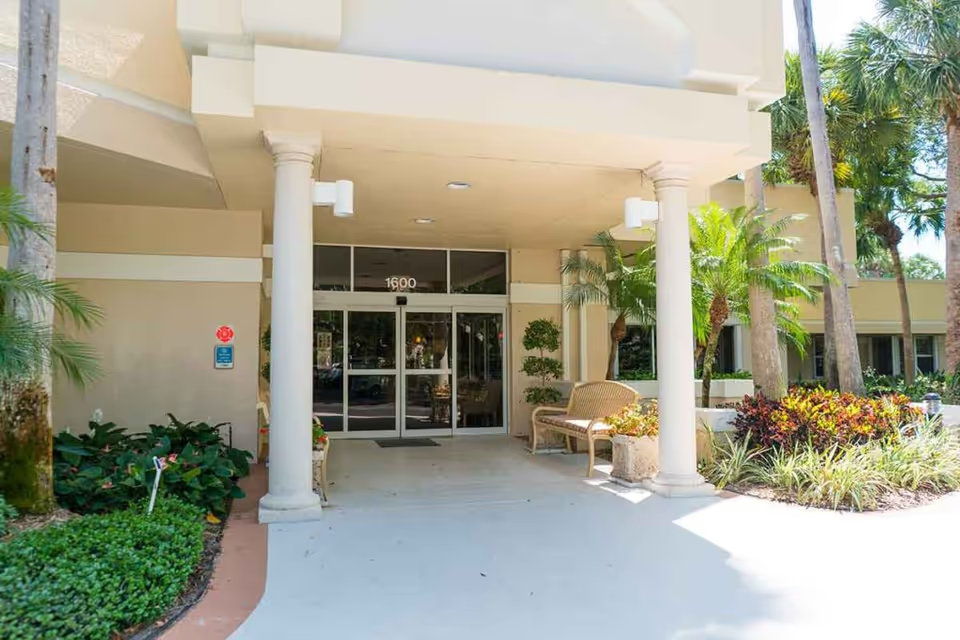
Symphony at Stuart presents as a modern, attractively designed senior living community with many reviewers praising its physical plant and hospitality features. The facility is frequently described as new or recently renovated, with well-appointed apartments (hardwood floors, quality cabinetry and countertops), bright public spaces, pleasant courtyards, and a range of on-site amenities including a movie/theater room, gym, beauty salon, library, bistro/coffee bars, and multiple dining venues. The layout, with common areas grouped to aid wayfinding, and accessible corridors supports residents who use walkers and those with mild memory impairment.
Staff performance is a prominent strength in many accounts. Reviewers commonly describe staff as compassionate, attentive, and personable; several families cited effective move-in support and regular communication from nursing leadership. The community offers in-house clinical services (physical therapy, podiatry, dermatology, diabetic care) and has staff who can coordinate care and update families, which reassures long-distance caregivers. At the same time, there is a recurring pattern of staffing instability and turnover; this contributes to variability in day-to-day care and occasional reports of delayed responses, inconsistencies in medication handling, and lapses in housekeeping. These patterns suggest that care quality can depend on staffing levels and specific shift coverage.
Dining and activities are central features. The dining program is described as chef-driven with a varied menu, flexible hours, and social dining options; several reviews highlight special meals and holiday menus positively. However, reviewers also describe inconsistency in meal preparation—complaints about overcooked items, repetitive offerings, or quality fluctuation appear alongside praise, indicating uneven execution. The activities program is broad and active, including music and live entertainment, bingo, crafts, cooking and gardening classes, outings, happy hours, and theater events. Engagement is robust for many residents, but participation and program continuity vary; some residents find the offerings highly engaging while others are less interested or experience curtailed programming.
Management and operational patterns show mixed signals. Many reviewers commend responsive leadership and an engaged management team that addresses concerns; others report sales pressure during admissions, unmet promises from the marketing process, and intermittent slow follow-up. Housekeeping and sanitation are generally noted as strengths by many, yet a subset of accounts point to cleanliness inconsistencies that management appears to be working to resolve. Pricing is another consistent theme: the community is positioned at a higher price point, and families should expect supplemental fees for certain services; rent increases and affordability are a consideration for prospective residents on fixed budgets.
Overall, Symphony at Stuart appears to offer high-quality accommodations, a rich activity calendar, and a hospitality-oriented culture that many families find reassuring. Prospective residents and families should weigh these strengths against operational caveats: evaluate staffing levels and turnover patterns, clarify medication-management and clinical-communication processes, confirm expectations around dining quality and additional fees, and discuss how the memory-care neighborhood is integrated and secured. An in-person tour that includes meetings with nursing leadership, a sample meal, and review of recent activity calendars will help determine fit for an individual’s clinical needs and social preferences.