Reviewers present a polarized view of care at this facility. Positive comments emphasize compassionate, dedicated caregivers and an effective rehabilitation program: several families described skilled physical and occupational therapy, attentive rehab staff, and nursing personnel who supported patient mobility and recovery. Some reviewers also praised a welcoming admissions experience, convenient visitor access, a varied meal menu, and clean, orderly rooms and common areas.
Alongside these strengths are repeated operational concerns that affect safety, dignity and daily life. Staffing levels and RN coverage were cited as inconsistent, with reviewers linking low staffing to slow responses to calls, delayed medication administration, and gaps in basic care. Multiple accounts indicate issues with medication administration and documentation, delayed or missed analgesia, and uneven pain management. Reviewers also described weak fall-prevention practices and lapses in monitoring residents at risk of bed-exit.
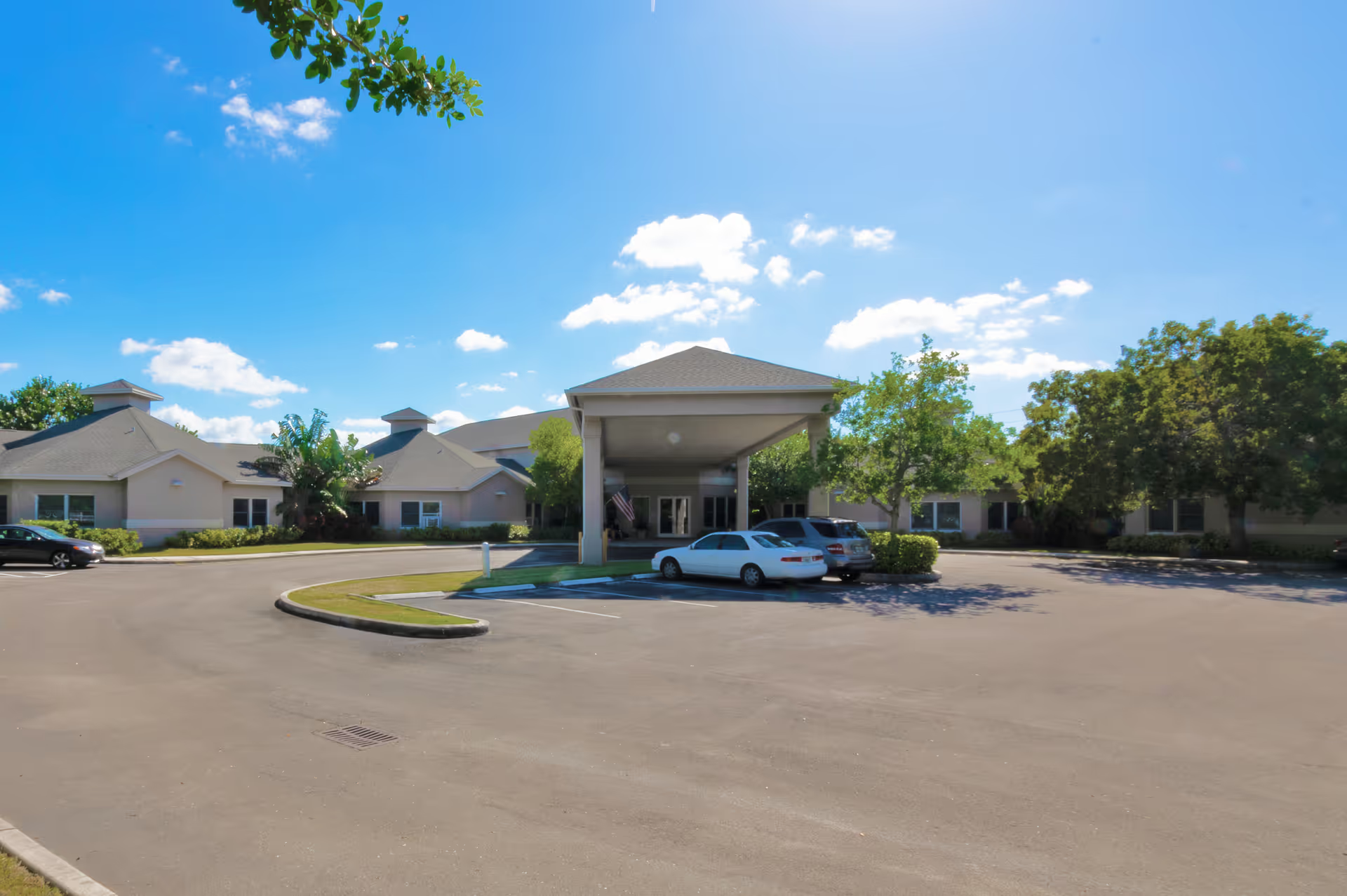
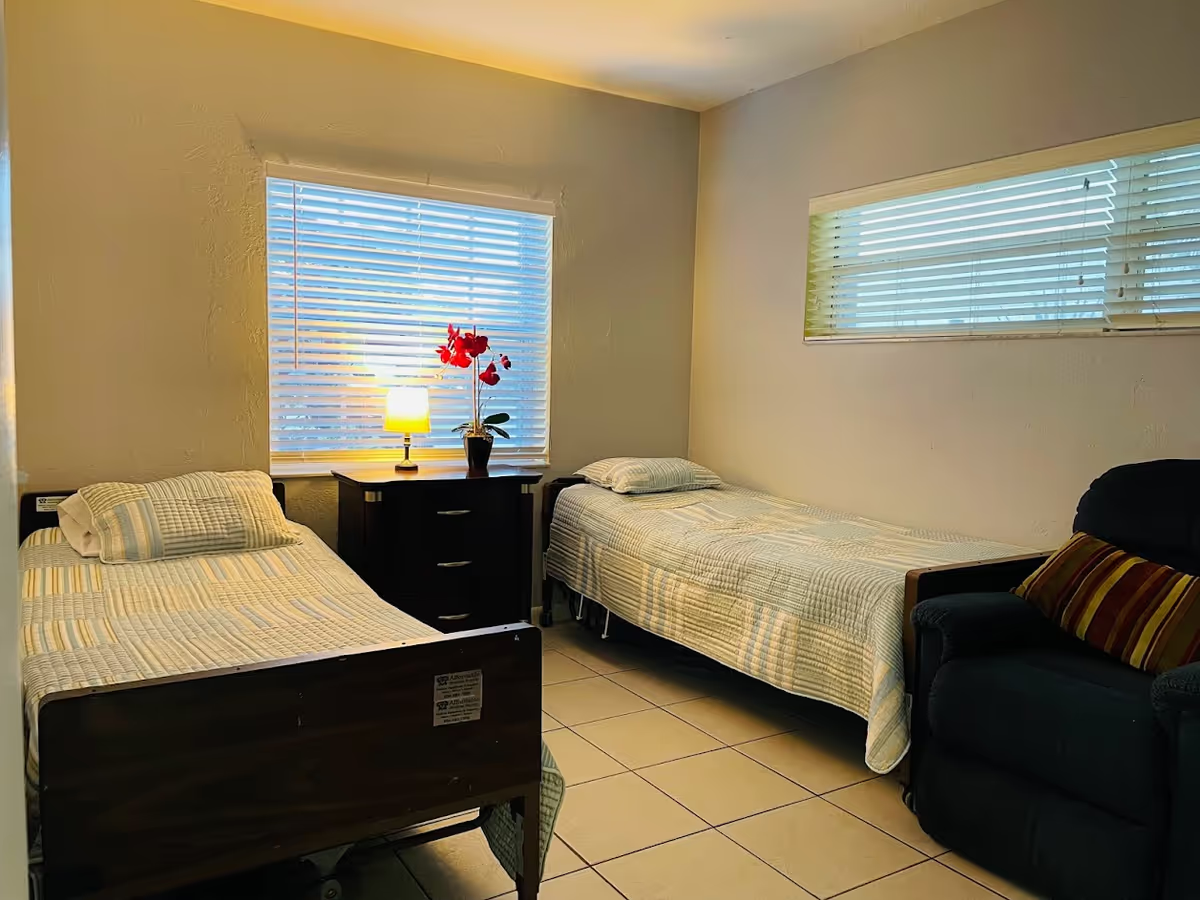
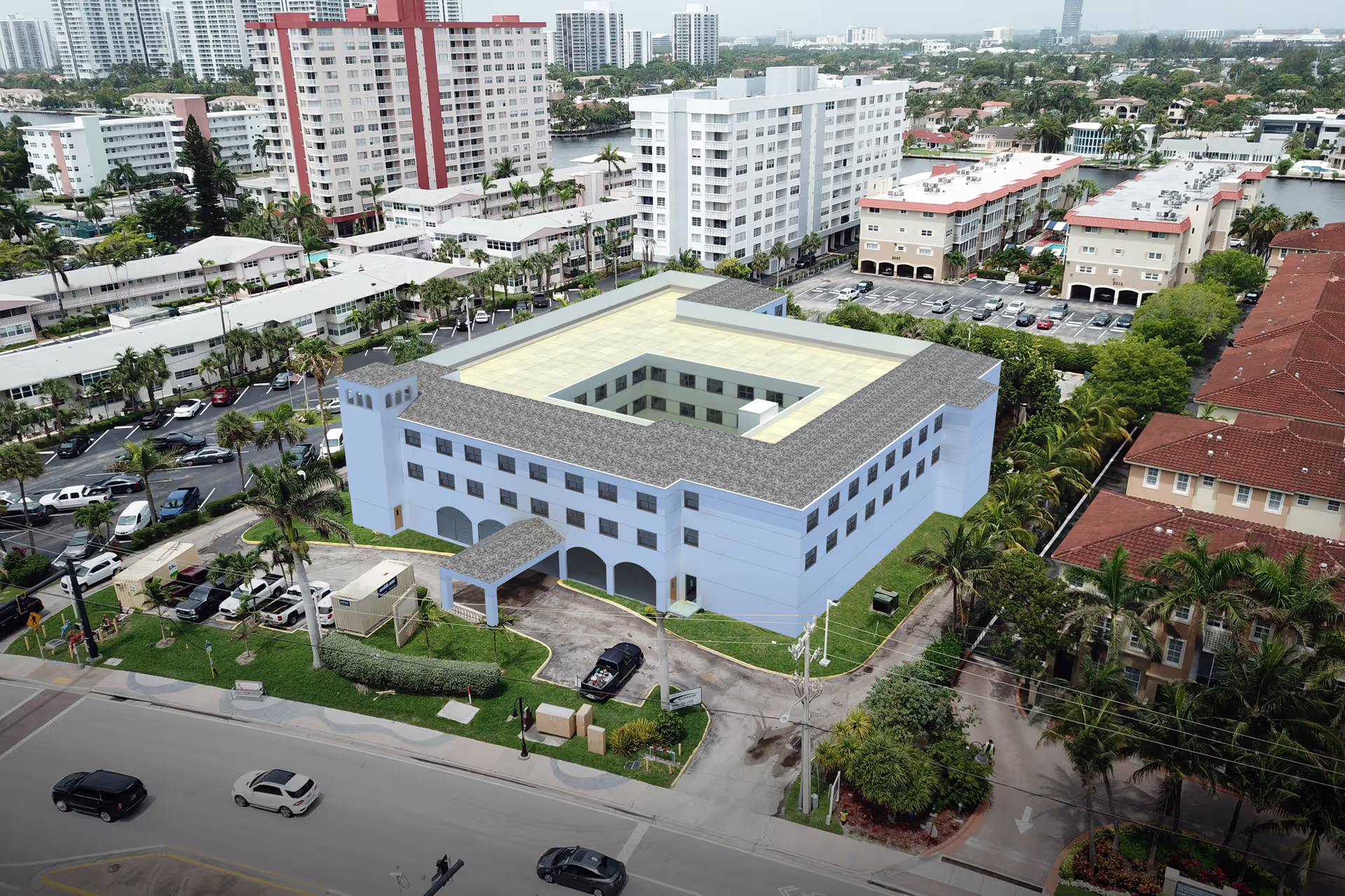
Facility and environmental issues form a distinct pattern. Several reviewers noted deferred maintenance (including water and ventilation problems), sanitation and incontinence-care concerns, localized odor issues, and pest-control concerns in some units. The building’s age and high-density long-term wing (including shared triple-occupancy rooms) were identified as contributors to crowding and to limitations in privacy and bathing access. These environmental factors, coupled with inconsistent infection-control practices reported by some families, raised questions about overall facility upkeep.
Communication and management practices were another area of mixed feedback. While some families experienced clear, compassionate interactions, others reported poor communication, language barriers among staff, and limited orientation for new residents and families. A number of reviewers raised concerns about how advance-care directives and end-of-life decisions were handled and about family notification and involvement in care decisions; these are serious issues that prospective families should verify directly with management. There are also accounts alleging significant safety events that underscore the need to confirm current protocols for oxygen access, transfer readiness, and post-incident follow-up.
Taken together, the pattern is one of uneven performance: strong rehabilitation services and committed caregivers coexist with operational weaknesses in staffing, medication management, maintenance, sanitation, and communication. Prospective residents and families considering this facility should tour in person, ask specific questions about current staffing ratios, medication-safety protocols, fall-prevention measures, infection-control and pest-management programs, and procedures for honoring advance directives. Reviewing recent inspection reports and speaking with current families may help clarify whether the facility’s strengths are being sustained and whether the operational issues have been addressed.