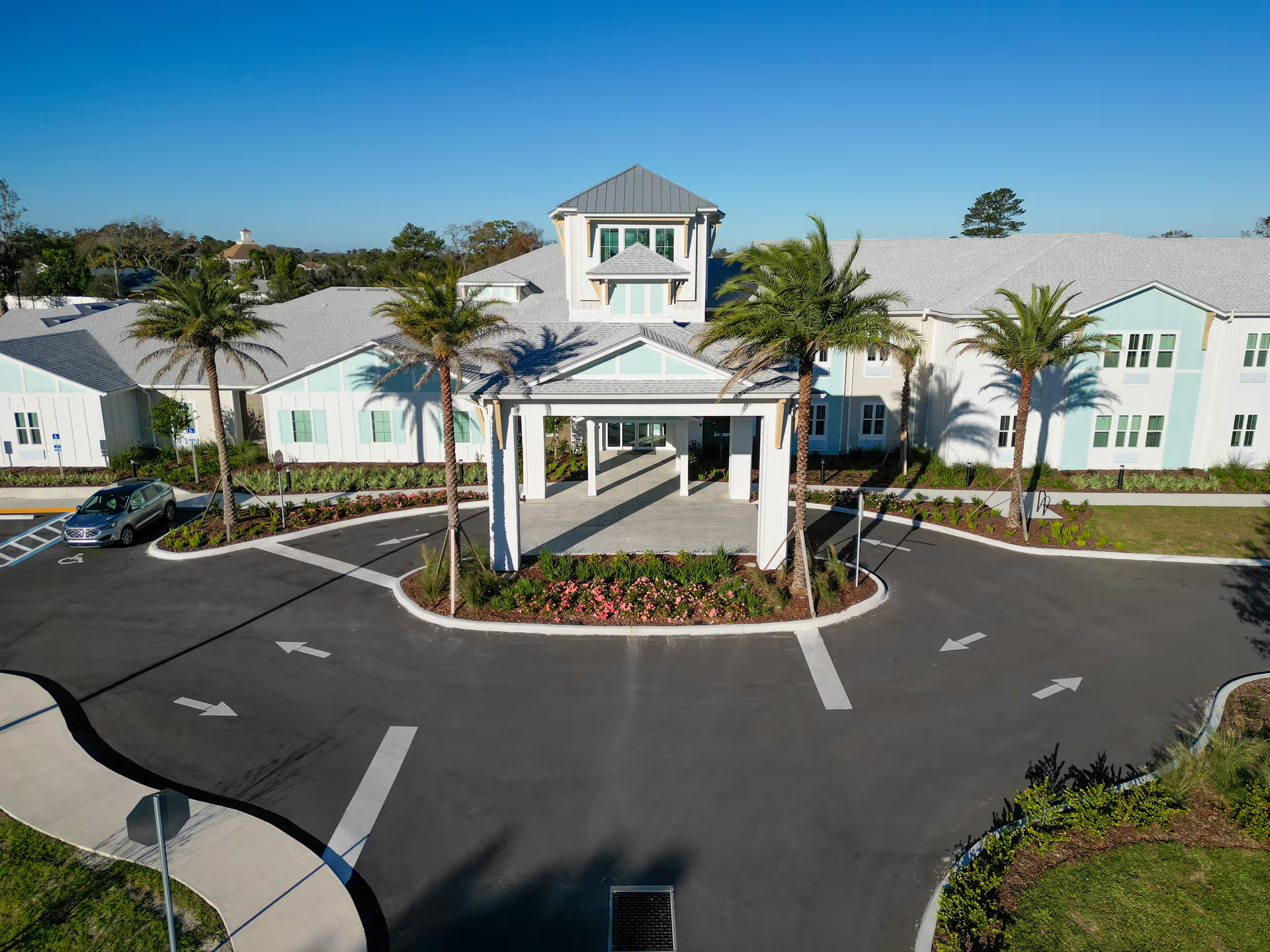
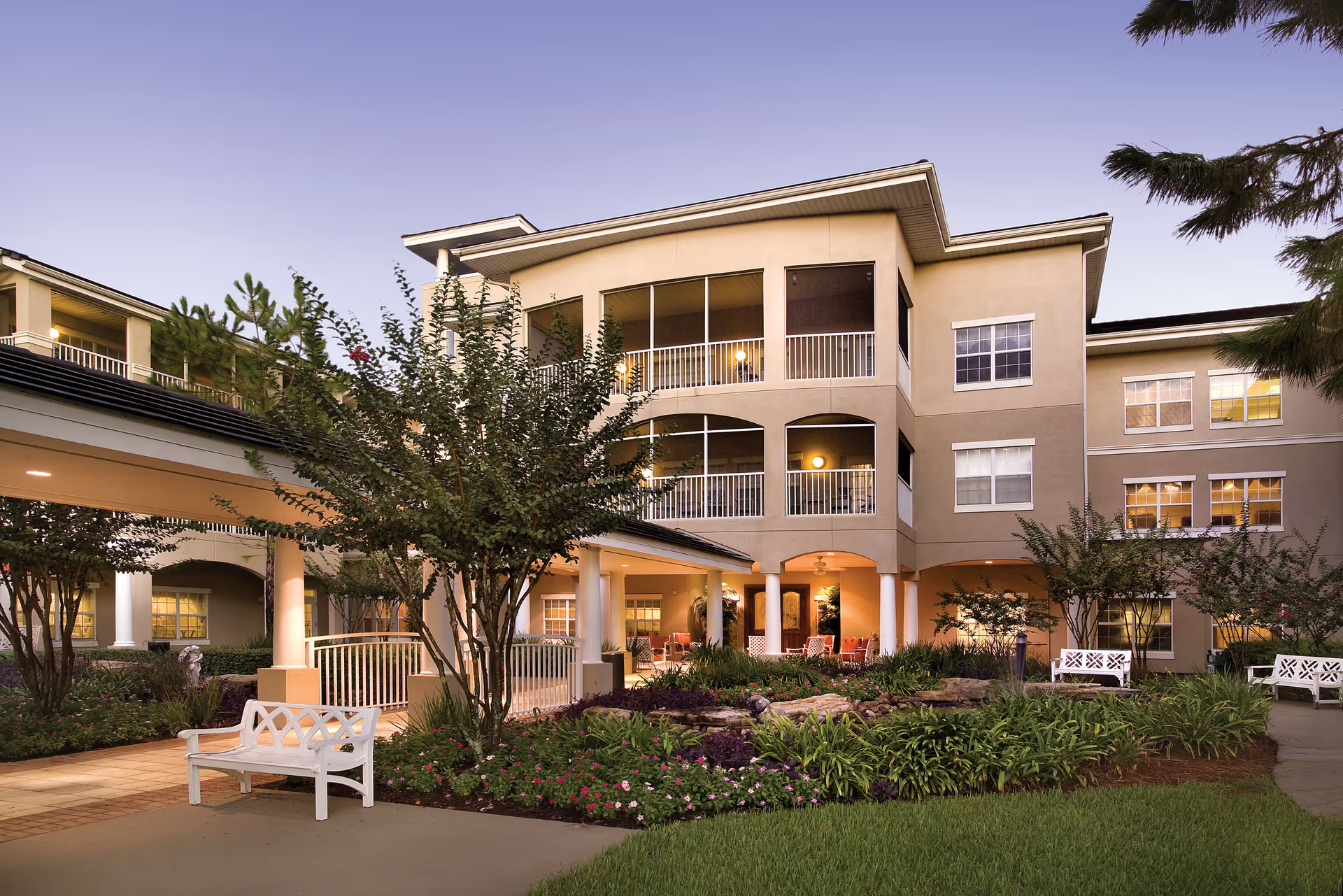
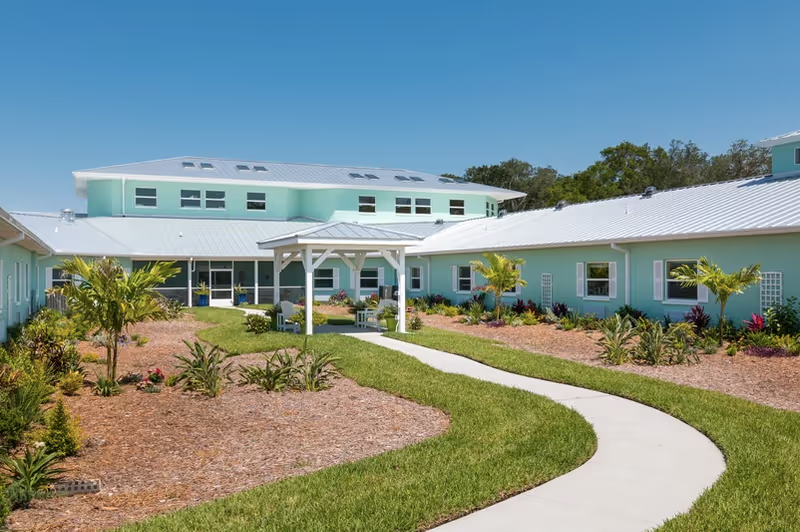
The reviews indicate a facility with clear strengths in bedside caregiving, therapy services, and social programming alongside measurable operational inconsistencies. Many family members and residents praise the nursing and CNA teams for compassionate, attentive care; multiple staff members and therapists were named for above‑and‑beyond efforts. Rehabilitation services (PT/OT/Speech) and restorative programs receive frequent positive mention, and housekeeping, laundry, and common‑area maintenance are described as reliable in numerous accounts. The facility’s physical plant and grounds are often characterized as modern and well kept, with active activity schedules and veteran‑support offerings that support social engagement and morale.
At the same time, a recurrent theme is variability in day‑to‑day execution. Staffing shortages and workload pressures are cited as contributing to delays in responding to call lights, pain‑medication timing issues, and incomplete delivery of scheduled treatments. Several accounts raise concerns about medication administration reliability and gaps in clinical oversight—including limited physician availability or after‑hours clinical leadership—which in some cases was associated with escalations of care and hospital transfers. Families should consider asking about shift staffing levels, on‑call clinical coverage, and medication‑administration protocols when evaluating placement.
Dining and nutrition are another mixed area. Many reviewers described palatable meals and helpful dining service, but others cited inconsistent food quality and problems with specialized diet management (for example, renal diets). Housekeeping and laundry are often praised, yet there are reports of sanitation variability and pest‑control concerns in specific units; these patterns suggest that the facility’s cleanliness performance may be uneven across shifts or areas. Prospective residents should observe meal service and inspect rooms and dining areas during visits.
Communication and administrative practices show both strengths and vulnerabilities. Several families appreciated helpful, transparent front‑desk staff and accessible leadership; however, others reported frustrating billing interactions, high out‑of‑pocket cost pressure, and difficulty obtaining timely answers after hours. There are also serious governance concerns cited by some reviewers, including allegations of theft and questions about management culture and accountability. Those are distinct from clinical complaints but important to investigate through direct questions about financial controls, grievance processes, and administrator accessibility.
In summary, Bayonet Point Health Center demonstrates notable clinical and social strengths—particularly in therapy services, compassionate caregivers, and active programming—but exhibits operational weaknesses that can materially affect resident experience. The most consistent areas to probe during a tour are staffing consistency (especially nights and weekends), medication‑administration safeguards, clinical oversight/physician coverage, specialized diet handling, sanitation controls, and billing/accountability procedures. Families who visit should observe multiple shifts if possible, request written policies on staffing and medication administration, review sample menus for dietary needs, and clarify the facility’s processes for reporting and resolving concerns.