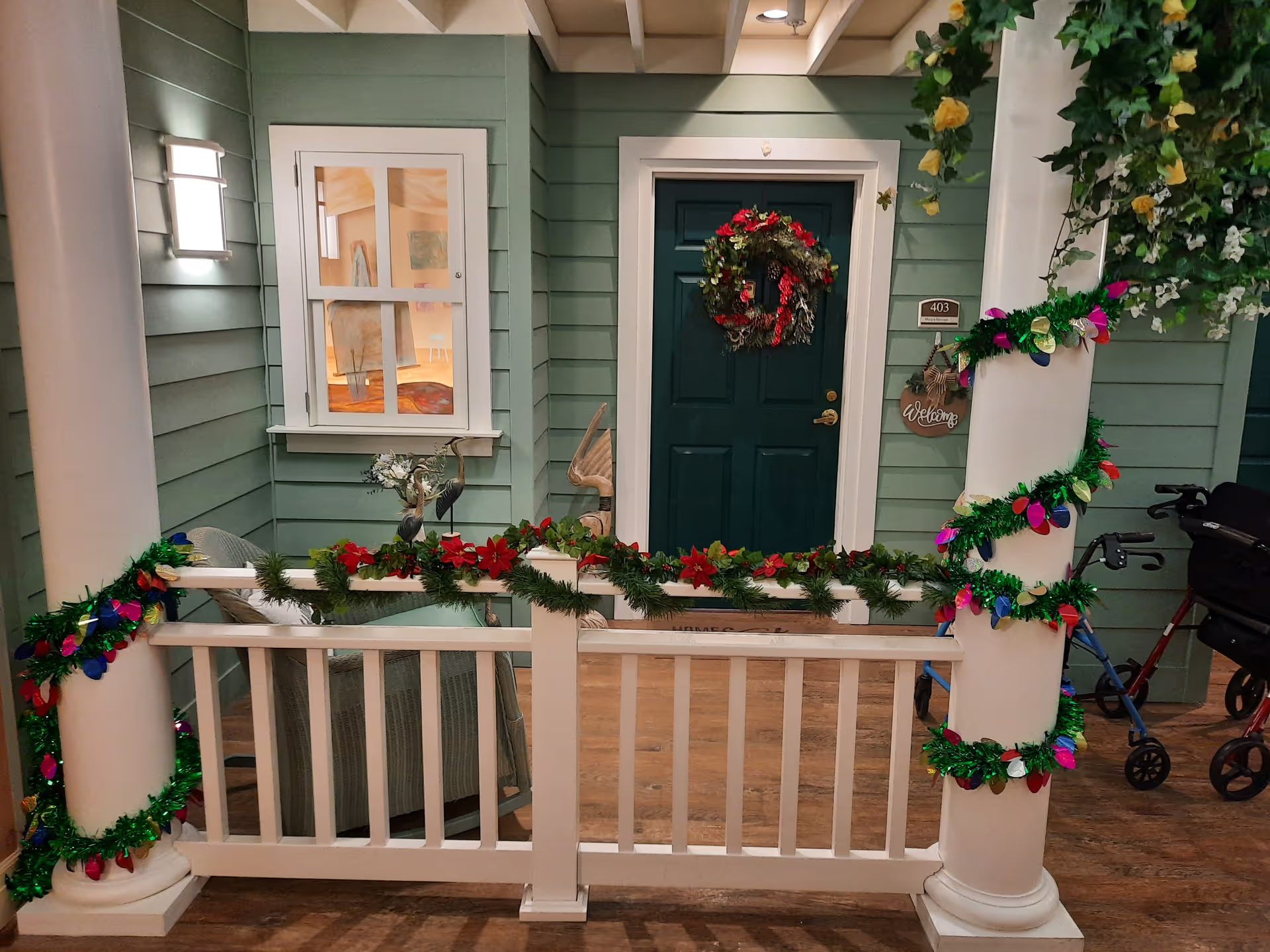
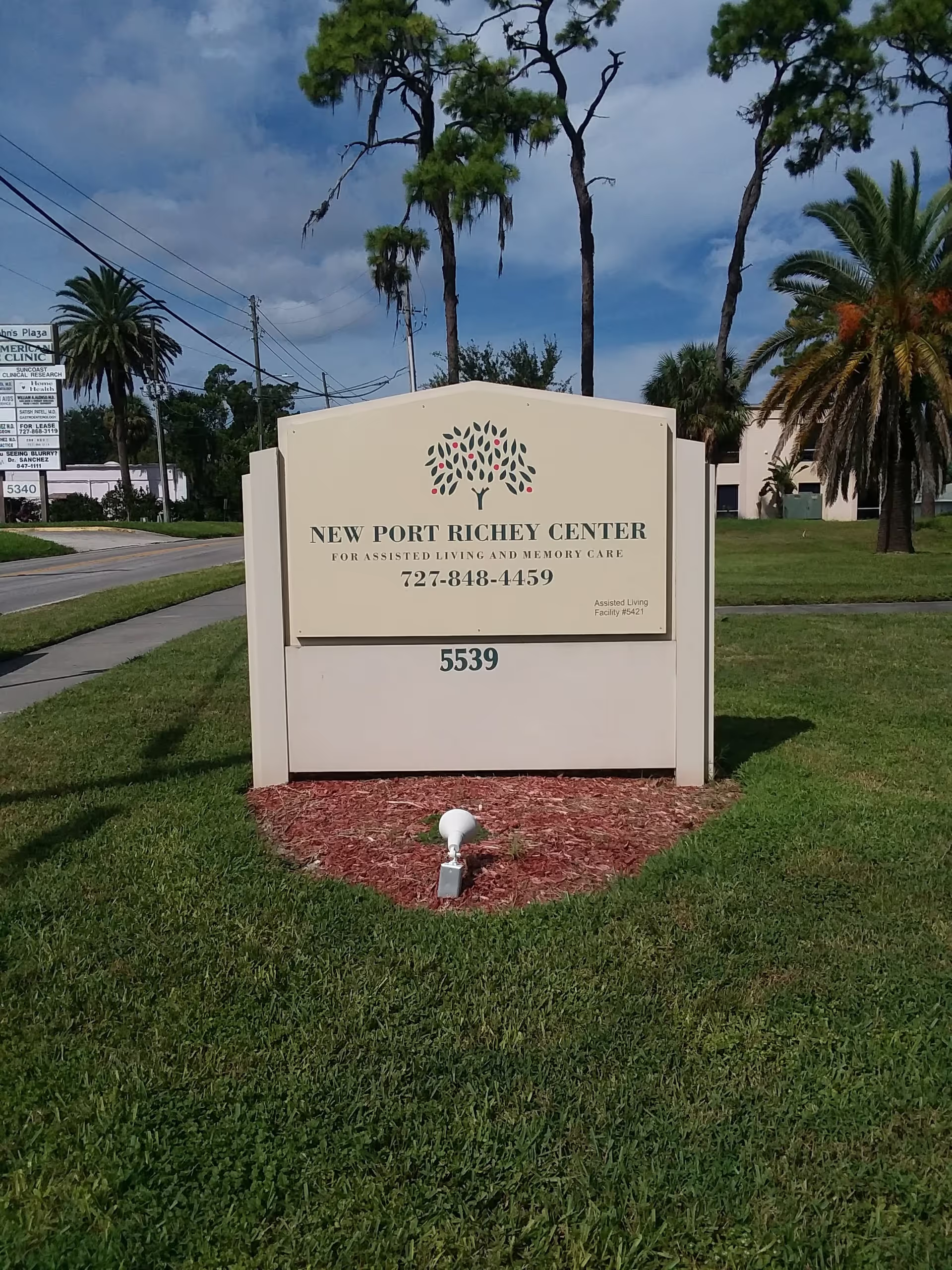
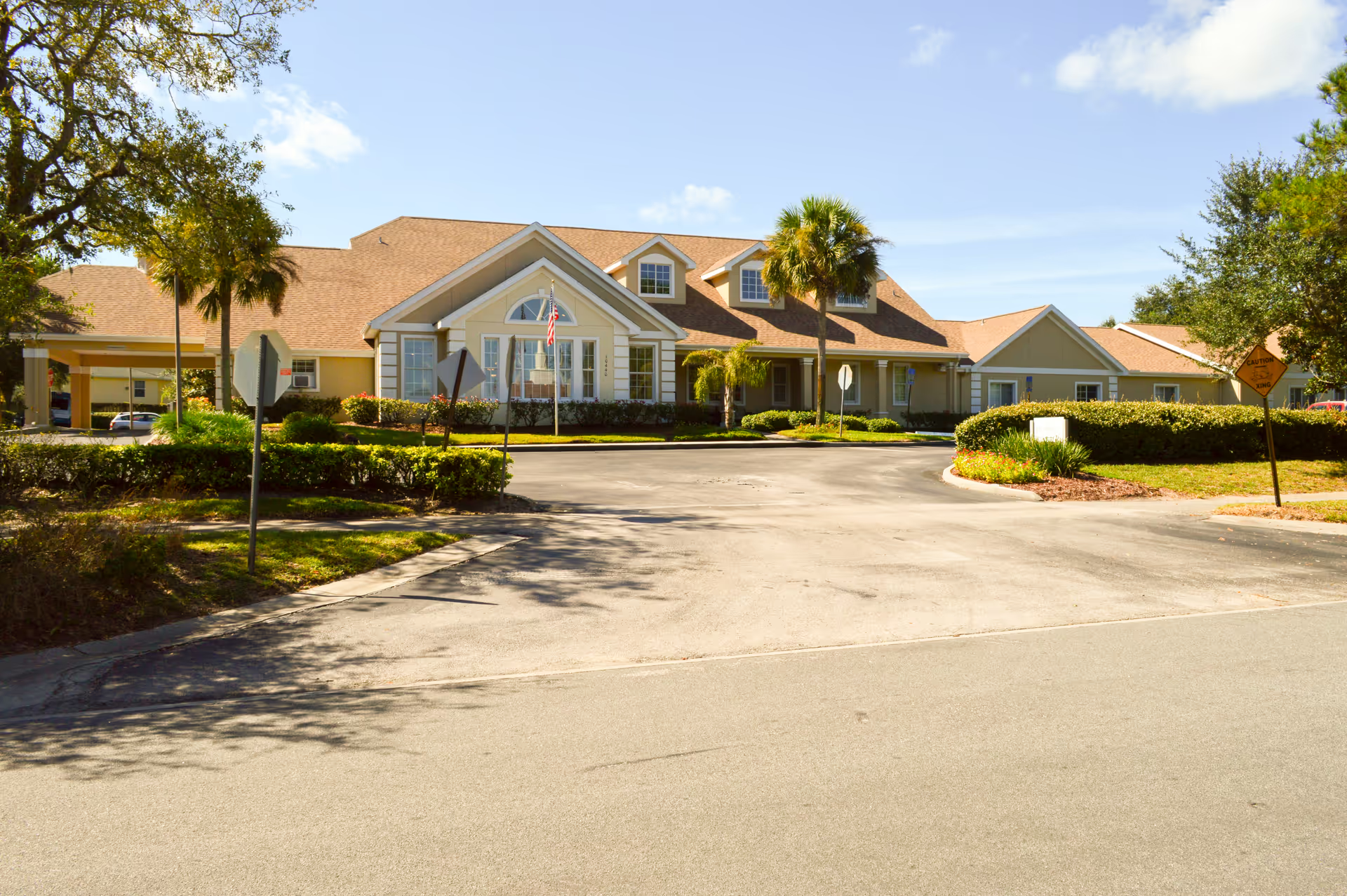
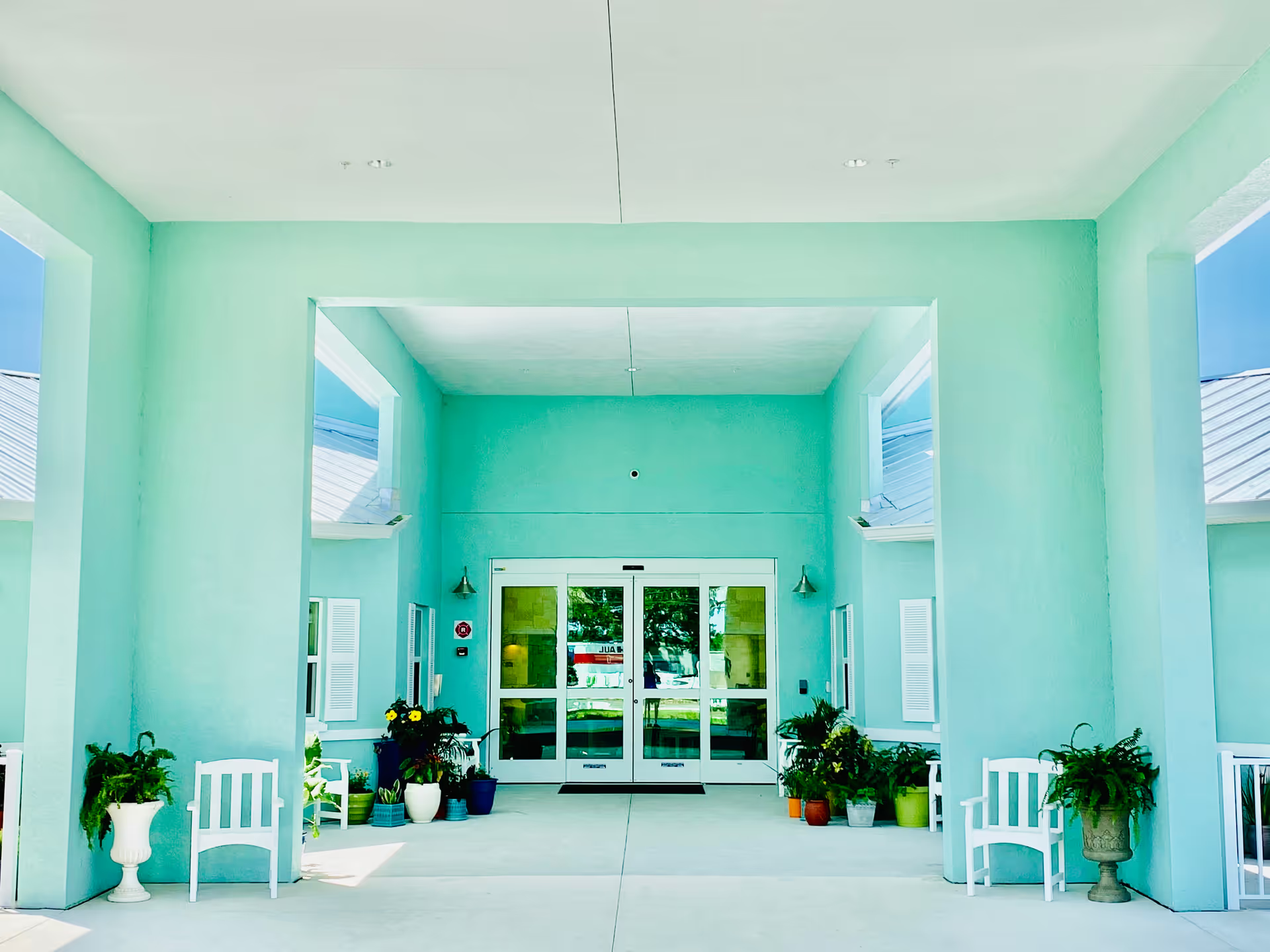
The Canopy at Beacon Woods elicits a strongly mixed but characteristic pattern: many families and staff praise a new, well‑appointed campus with attractive architecture, landscaped grounds and spacious private apartments, while others identify operational gaps that have produced uneven resident experiences.
Facilities and atmosphere are frequently cited as strengths. Reviewers commonly describe a modern, resort‑like design with flexible apartment options, welcoming common areas and a pleasant outdoor courtyard. Several accounts highlight that the memory‑care unit was intentionally designed for visibility and flow, with a nurse‑station configuration that supports supervision of common spaces.
Care quality and staff behavior receive polarized assessments. A large set of comments commends direct‑care teams as attentive, compassionate and willing to go above and beyond; families report strong day‑to‑day support and good family communication in many cases. Conversely, other accounts describe inconsistent staffing levels, overworked caregivers, variable supervision, and language barriers that hinder effective communication. These operational weaknesses translate into variability in responsiveness and conduct across shifts and units.
Dining and nutrition are overall positive aspects. Multiple reviews praise the chef, customizable menus and diabetic‑friendly options; food quality is often described as a differentiator for the community. At the same time, a subset of families raised dietary safety concerns and prescription/dietary coordination issues, indicating room for tighter clinical coordination between dietary and nursing services.
Programming and resident engagement are similarly mixed. Many residents and families report an active calendar, meaningful activities and off‑site excursions that support social engagement. However, some units—particularly memory care—are described as having limited or inconsistent activity intensity, suggesting that programming delivery is uneven across the community.
Management and operational patterns are a central area of concern. Positive remarks note accessible, responsive administrators and quick issue resolution in some instances. Counterbalancing those are repeated observations of leadership turnover, inconsistent administrative oversight, delayed or ineffective complaint resolution, and gaps in documentation practices. Operationally significant issues include sanitation concerns in certain areas, inconsistent medication and medical‑record updates, security/financial control weaknesses (including allegations of theft and rent discrepancies), and at least one noted infection event that resulted in hospitalization; these raise questions about infection‑control preparedness and routine compliance practices.
For prospective residents and families: the Canopy offers many structural advantages—a modern campus, strong dining, and the potential for compassionate, resident‑centered care. At the same time, prospective stakeholders should actively probe operational consistency: ask about current staffing ratios and turnover, language capabilities of direct‑care teams, infection‑control protocols, medication reconciliation and medical‑record practices, activity schedules in the specific unit of interest, and security/financial controls. Touring multiple units during different shifts and speaking directly with current families and unit staff can help assess whether the facility’s positive features are being delivered consistently for the unit and timeframe relevant to your decision.