Overall impression: Inverness Club Senior Apartments presents a blend of clear strengths and operational gaps. Strengths center on dining, select aspects of staffing continuity, and unit amenities; weaknesses relate primarily to staffing patterns, activity programming, cleanliness consistency, bathroom accessibility, and communication from management.
Care and staffing: Many reviewers highlight a helpful and professional frontline team — kitchen, dining, and caregiving staff are frequently described as friendly, responsive, and resident-focused, and several long-tenured employees are credited with contributing to continuity of care. At the same time, there are indications of high turnover in some roles and occasional skepticism about staff skill levels and coverage. A key operational limitation noted is constrained staffing during evenings and weekends, which reduces available on-site assistance outside typical business hours.
Dining: Dining is a consistent strength. Multiple comments praise restaurant-style meals, an outstanding chef, an accommodating kitchen staff, and a recently renovated dining room. The program offers menu variety and flexible dining times, which residents and families identify as meaningful quality-of-life features.
Activities and engagement: Organized activities appear limited by the absence of a dedicated activity director; programming relies heavily on volunteers. This model may work for residents who are independently active or who can engage with volunteer-led options, but it also creates variability in the frequency and scope of scheduled activities and events.
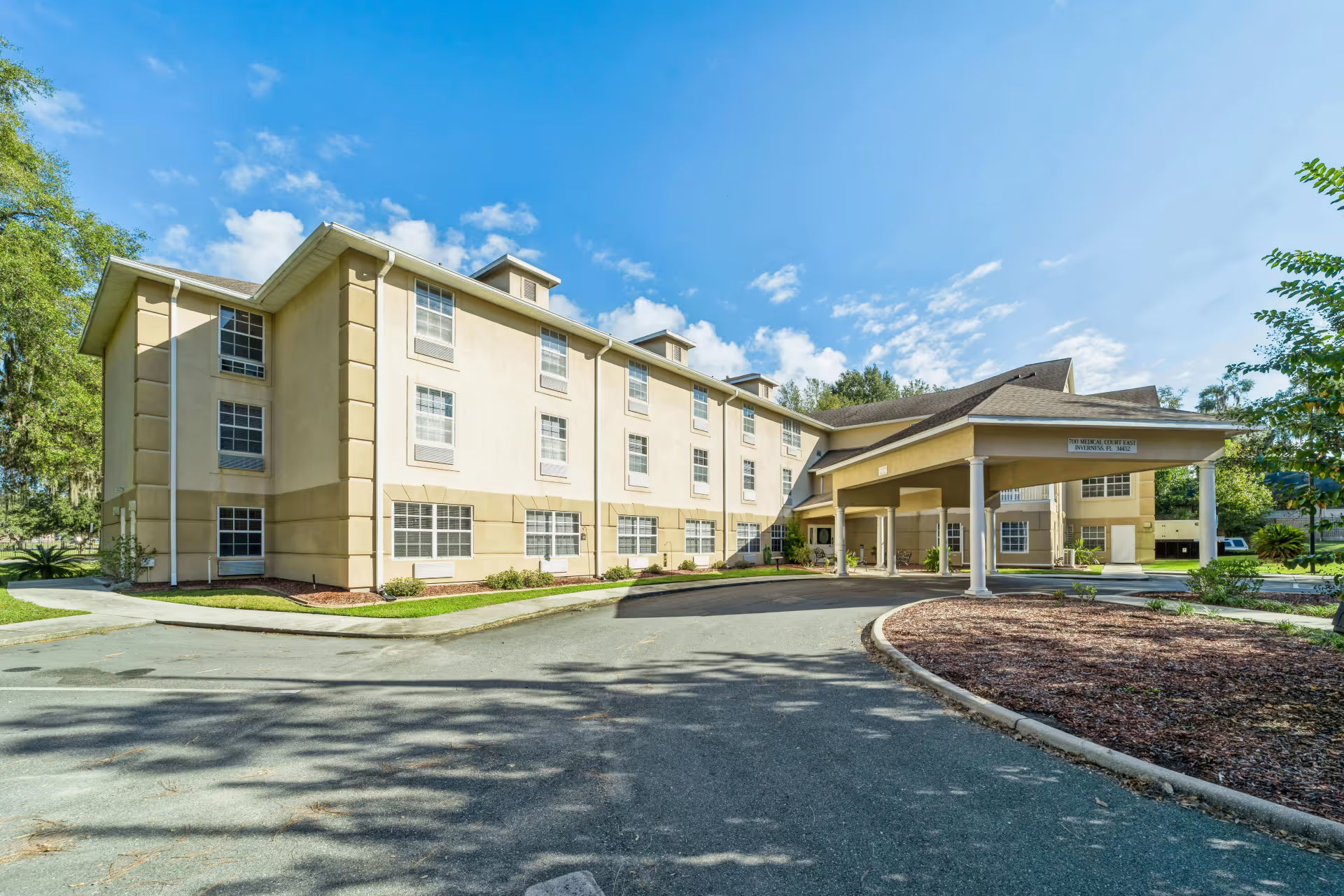
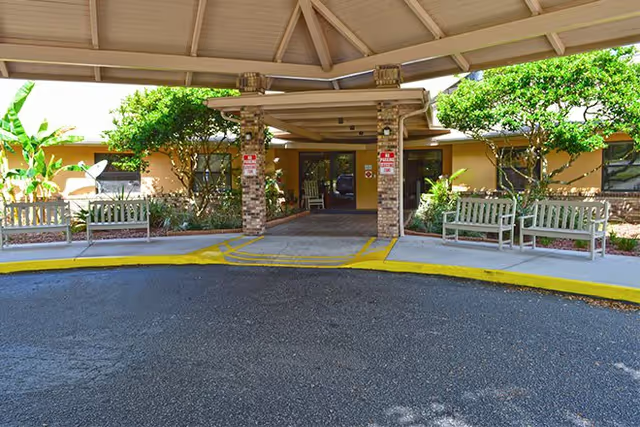
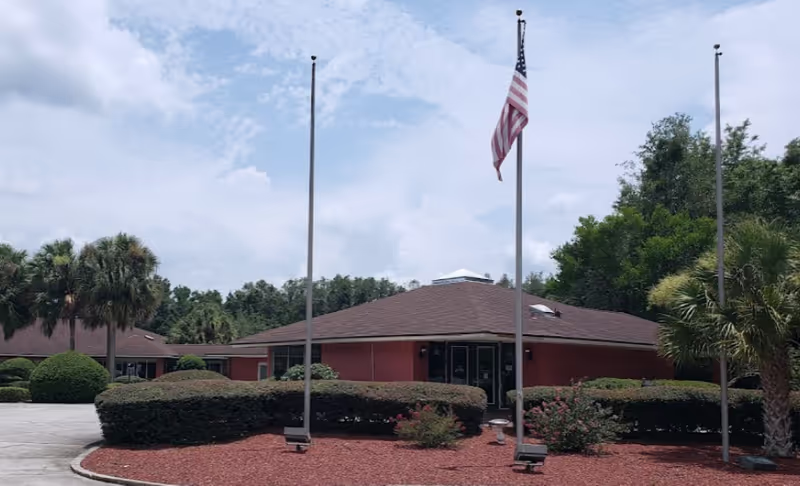
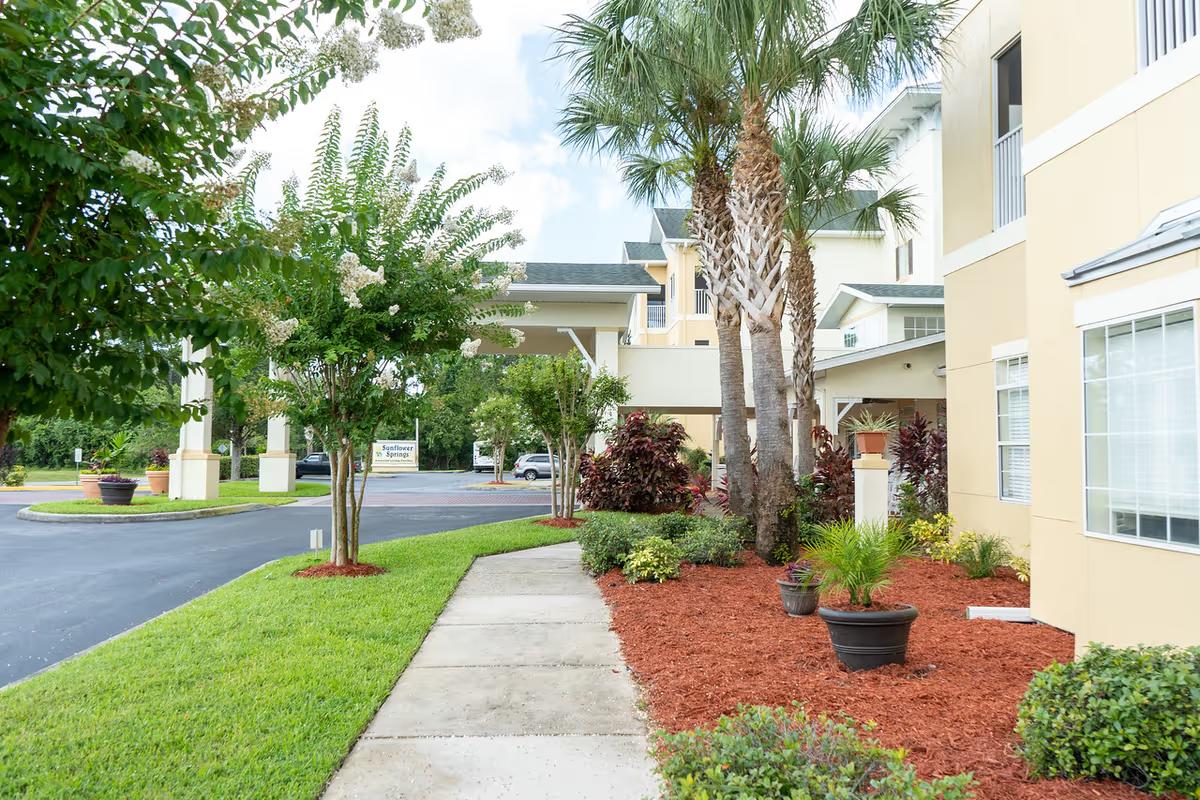
Facilities and accessibility: Apartments are described as adequate and well-equipped, with full kitchens and comfortable one-bedroom layouts in many units. Grounds maintenance and exterior areas, including proximity to fairways/greens, receive positive mention. Bathroom accessibility is a mixed picture: some units have walk-in showers and step-in conversions, but reviewers note uneven implementation of accessible bathing features, limited seating in some bath designs, and ongoing need for additional accessible upgrades.
Cleanliness and maintenance: Cleanliness elicits divergent views. Several accounts describe the facility and dining areas as immaculate and well maintained; others raise sanitation concerns and clutter-management issues in certain common areas or units. These inconsistencies suggest variable housekeeping execution rather than a uniform facility condition.
Management and regulatory concerns: Management actions draw mixed reactions. Some residents appreciate rule enforcement — including oversight of external care providers — while others perceive administrative defensiveness and insufficient responsiveness to resident feedback. There are also mentions of questions about adherence to applicable standards and regulatory expectations, indicating a need for clearer communication and documented compliance efforts.
Notable patterns and advice for prospective residents: If dining quality, an active kitchen team, and affordable/subsidized housing are priorities, the facility demonstrates clear strengths. Prospective residents and families should assess needs for evening/weekend assistance, bathroom accessibility, and the availability of consistent activity programming. Ask management for specifics on staffing schedules, housekeeping protocols, planned bathroom upgrades, activity leadership, and documentation of regulatory compliance to ensure the facility’s operational practices align with the resident’s care and lifestyle needs.