Overall impression: Reviews present a predominantly positive view of the facility’s day-to-day culture, with repeated praise for caring staff, an active social program, and attractive, recently renovated spaces. Many families and residents describe a warm, home-like atmosphere, strong leadership presence, and staff who go beyond routine duties. These strengths contribute to a sense of safety and improved quality of life for many residents, particularly around social engagement and therapy services.
Care and staff: Care quality is frequently described as attentive and respectful. Multiple accounts highlight med techs, nurses, the director of nursing, and the administrator as engaged and empathetic; staff are characterized as knowledgeable, warm, and willing to “go above and beyond.” At the same time, there are recurring operational concerns related to medication practices and the frequency of direct staff–resident interactions. These concerns suggest variability in clinical processes and in how consistently staff are available for routine check-ins.
Dining and clinical hygiene: Dining is commonly cited as a strength — varied, appetizing menus and pleasant meal settings are noted. However, there are intermittent complaints about meal temperature and food-handling practices that point to uneven meal-service execution. Sanitation and infection-control practices are generally positive in many accounts, but several reviews indicate cleaning inconsistencies and at least one infection-related concern, suggesting that housekeeping and food-service protocols may be inconsistently applied.
Activities and community life: Activity programming is a clear highlight. Reviewers consistently mention robust offerings (game room, billiards, library, music, gardening, structured activities) and an activities director who creates meaningful engagement. The facility’s social environment — friendly residents, holiday decorations, and gardening opportunities — is repeatedly credited with improving residents’ well-being and social connection.
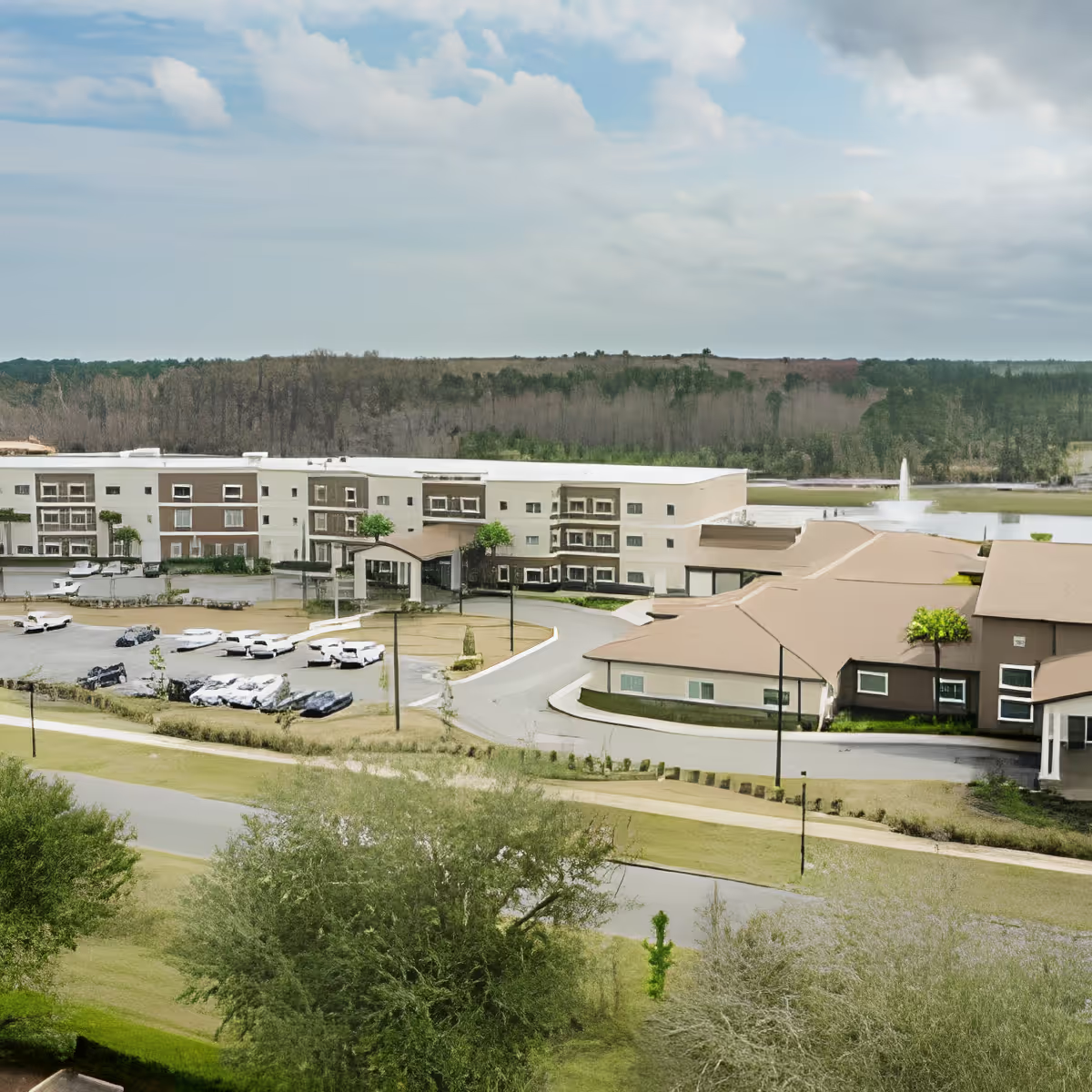
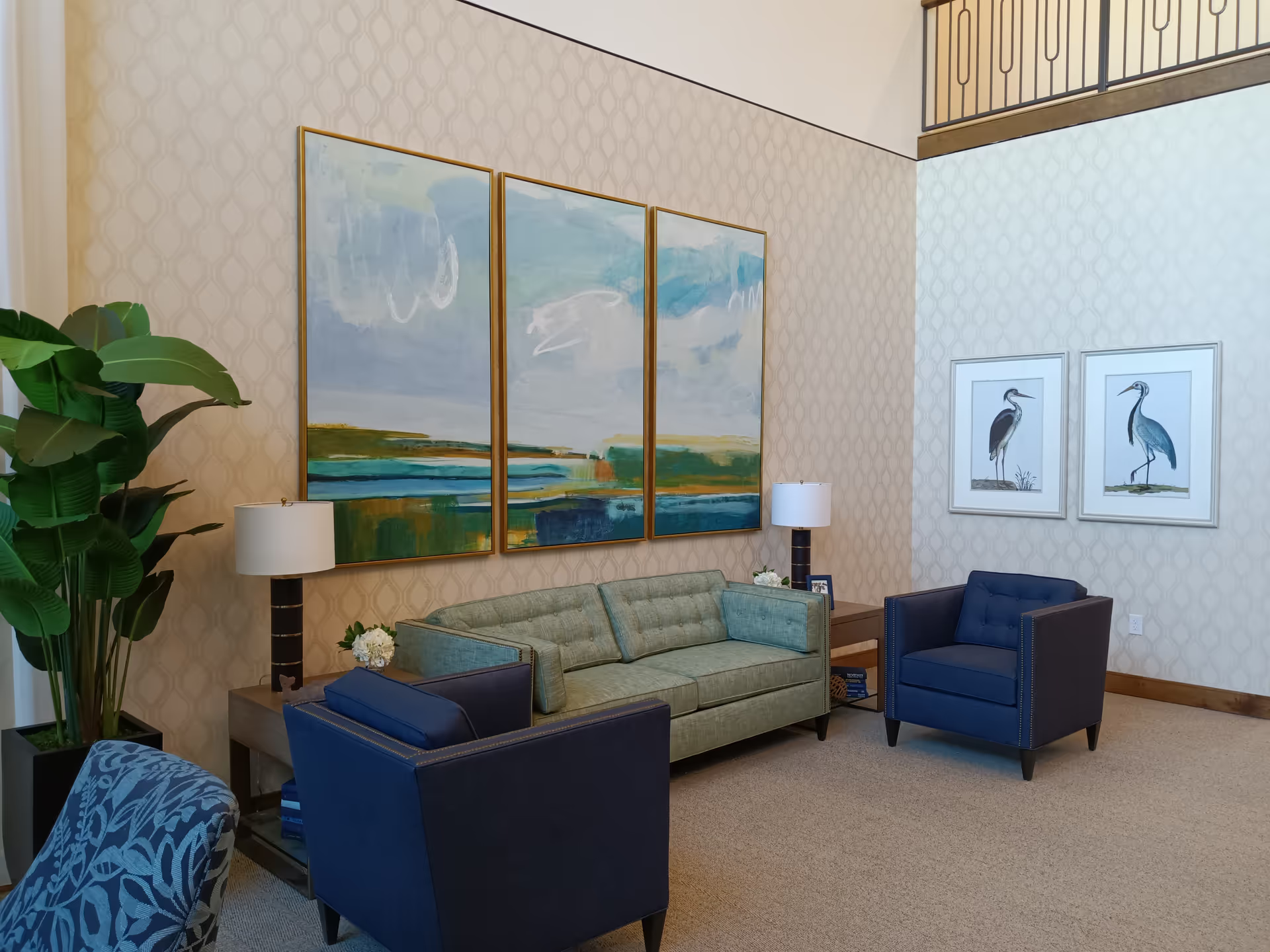
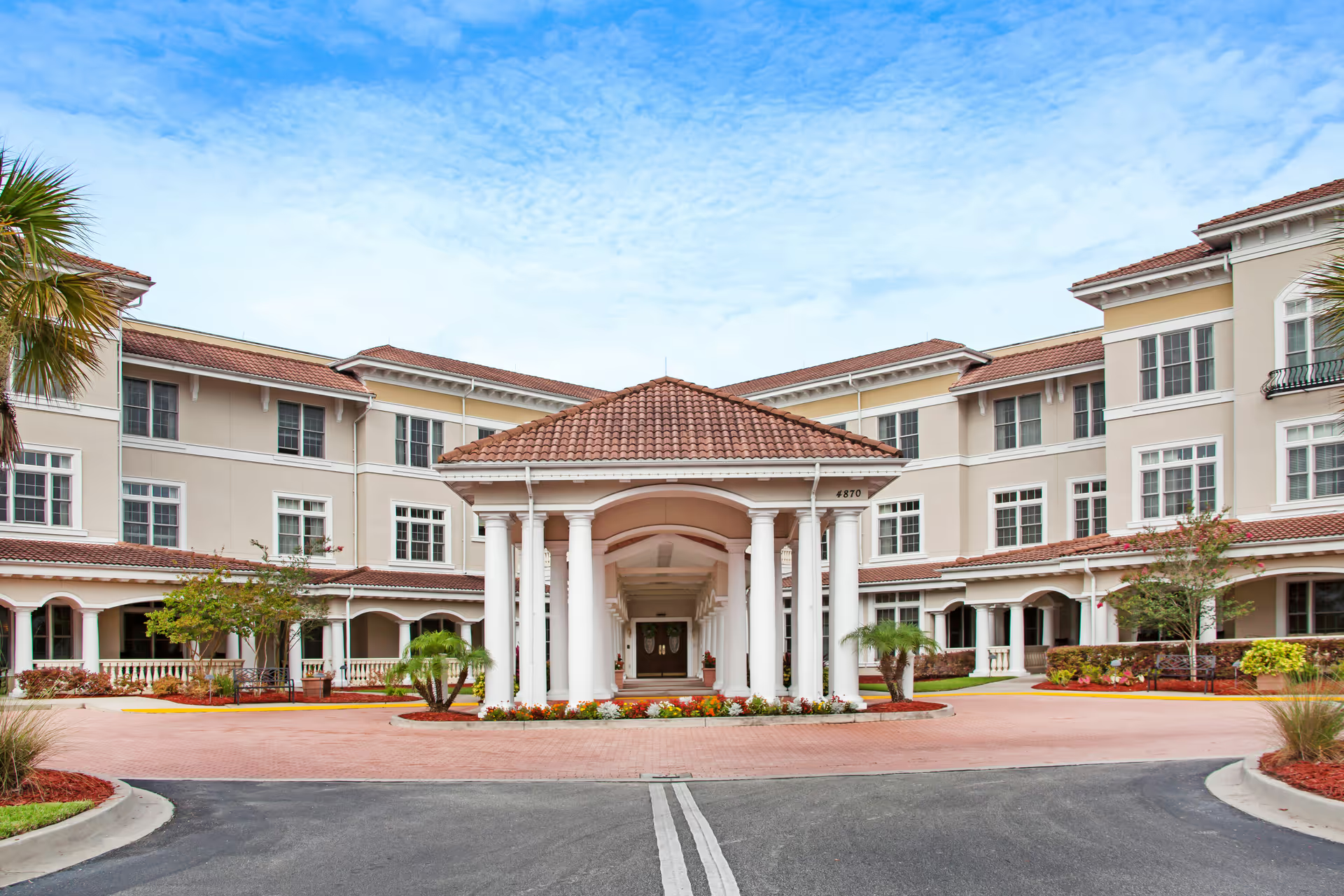
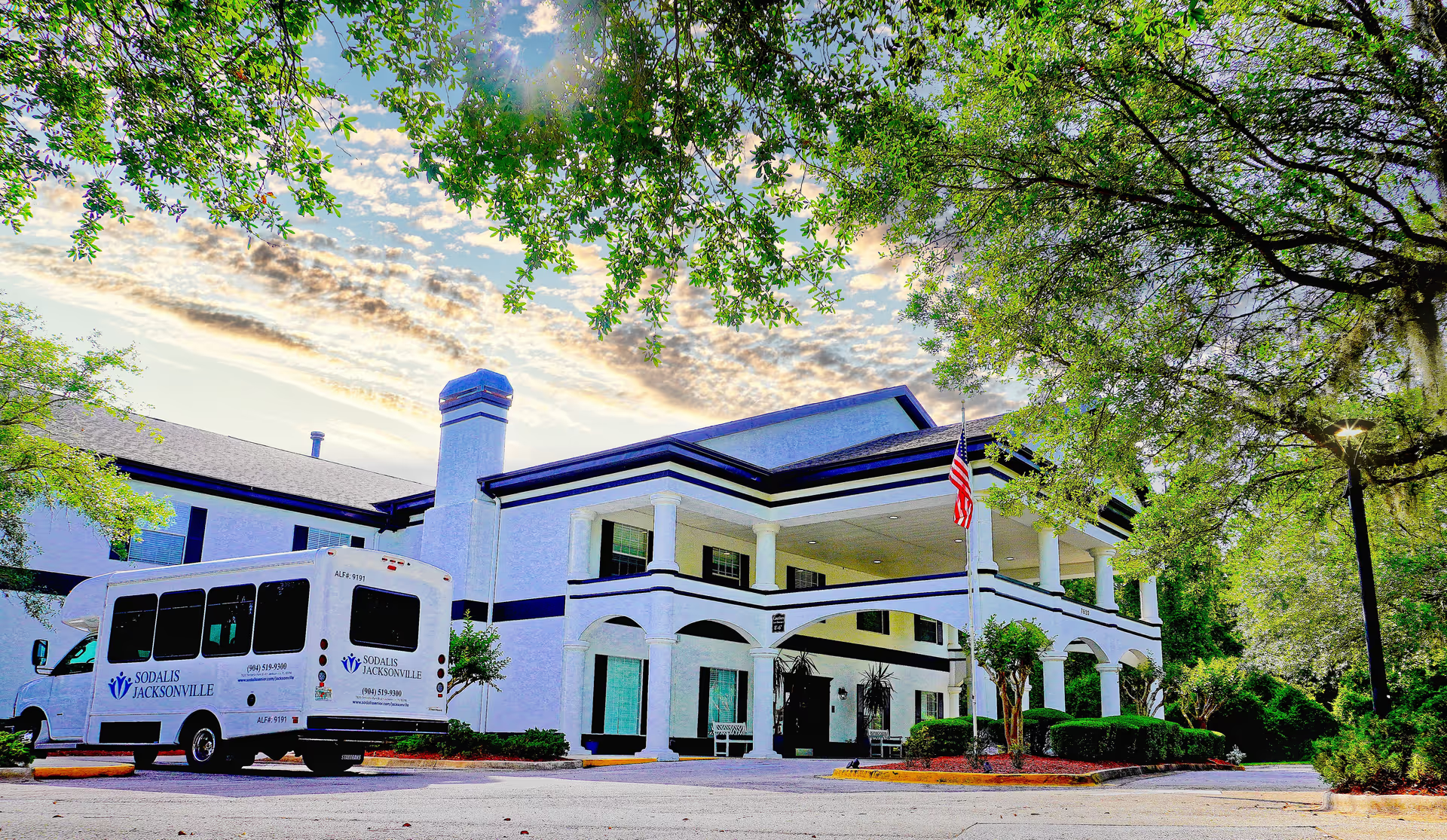
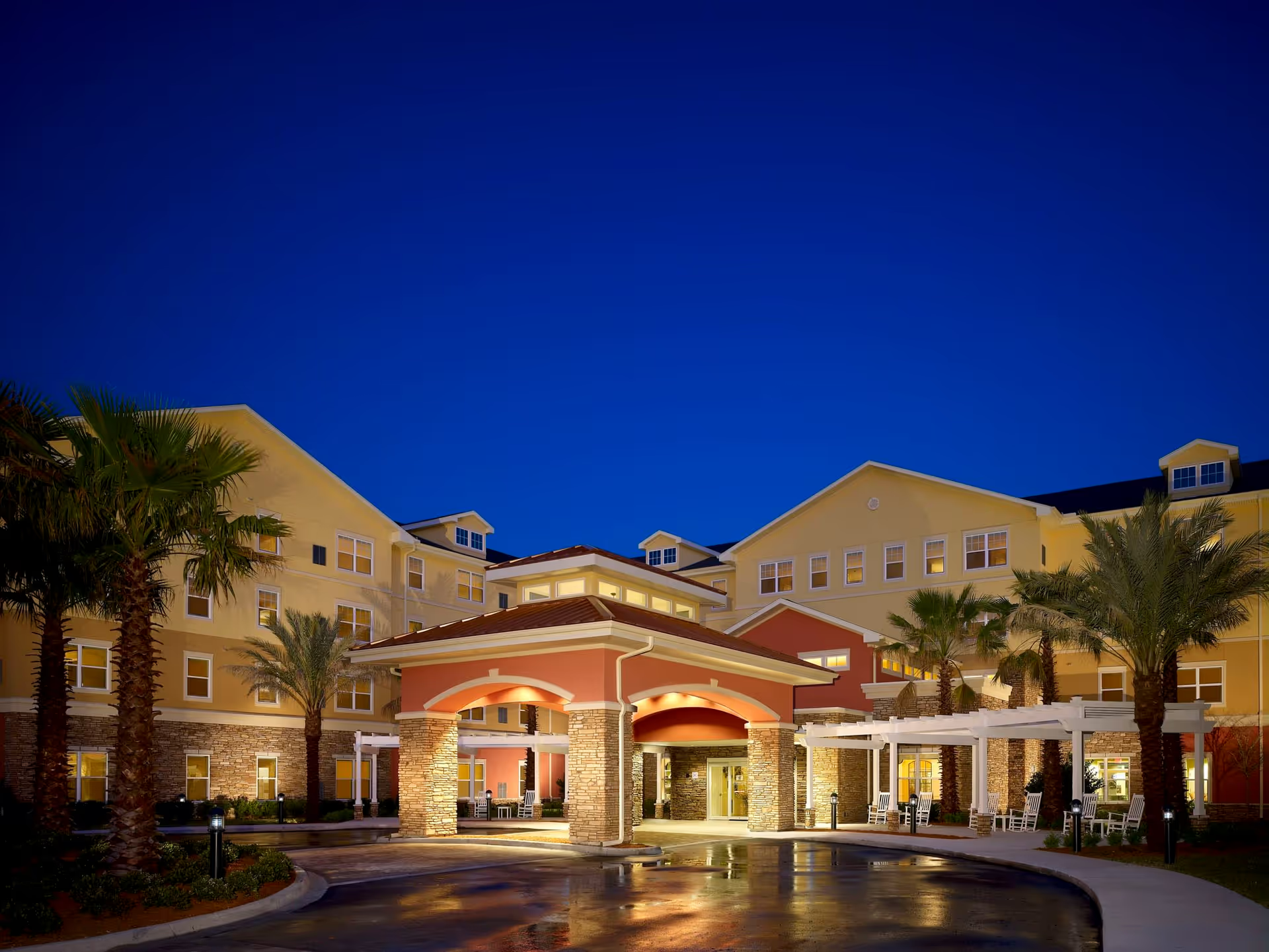
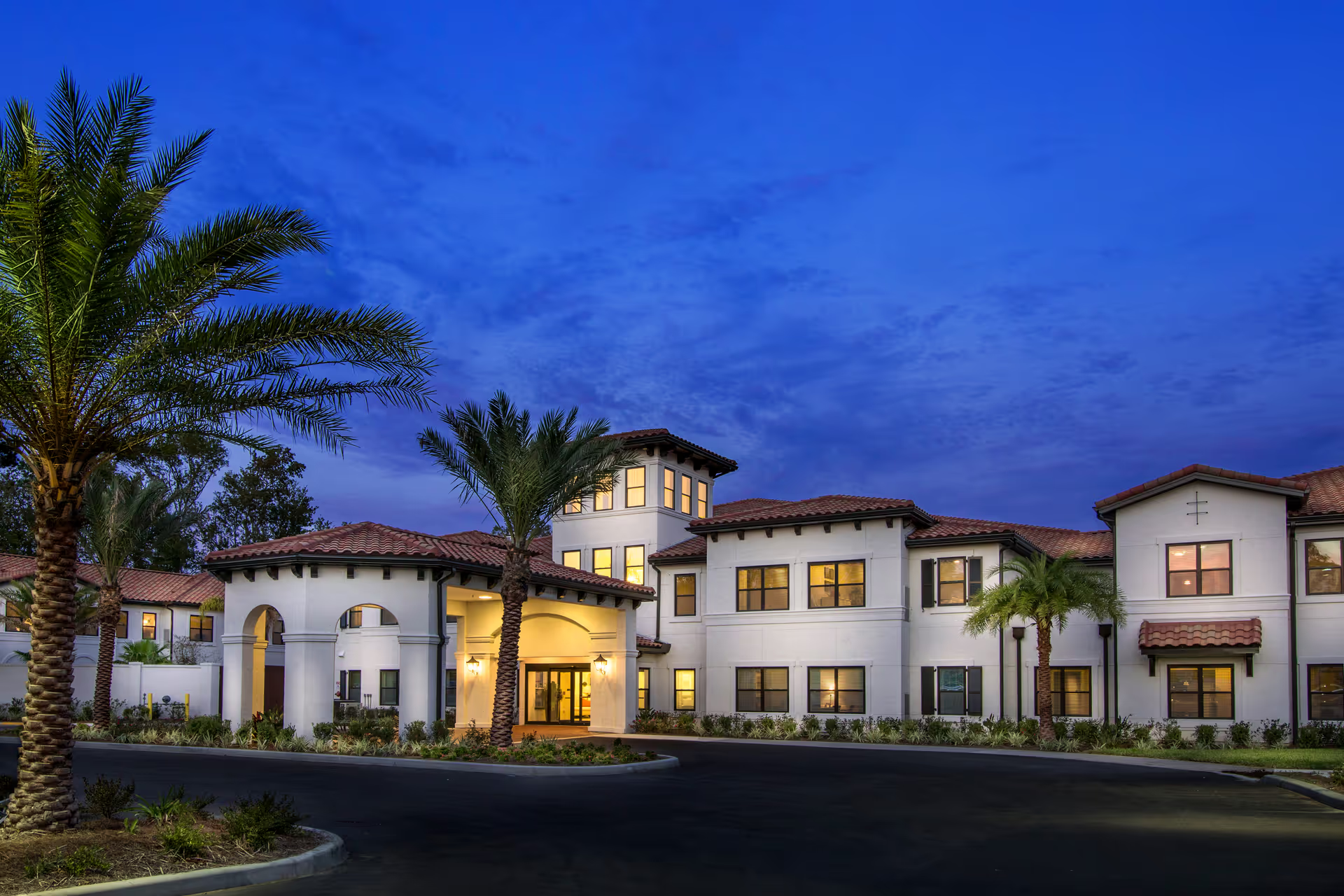
Facilities and safety: Physical spaces are described as well-furnished, peaceful, and recently updated. Gardens and communal common areas receive favorable mentions. Counterbalancing this are safety and security concerns raised around door access and night-time security procedures. There are also reports of roommate-related distress and noise issues, indicating a need for clearer roommate-matching, noise-management, and conflict-resolution practices.
Management, communication, and complaints: Leadership and specific administrators receive strong praise for visible involvement and advocacy. Nevertheless, a consistent pattern of communication problems emerges: unreliable phone lines, difficulty reaching staff or obtaining timely updates (including hospital transfers), and unclear or inadequate complaint channels. These operational communication gaps appear to be the most prominent negative theme and affect families’ confidence in incident follow-up and transparency.
Bottom line and considerations for families: The facility shows many hallmarks of a high-quality residential program — compassionate staff, strong activities, attractive spaces, and engaged leadership. Prospective residents and families should prioritize direct questions about medication-management protocols, food-service controls, nightly security procedures, and the formal complaint/incident-response process. An on-site visit to observe mealtimes, medication rounds, security measures, and activity sessions — plus contact-testing the facility’s communication pathways — will help assess whether the operational concerns noted align with current practices.