Overall impression: Reviews present a mixed but informative picture. Many comments emphasize strong interpersonal strengths — staff who are described as warm, kind, and personable; a family-like atmosphere; and individualized attention that prioritizes resident dignity. At the same time, a minority of reviews raise operational concerns that affect clinical reliability and outcomes. Prospective residents and families will likely see both clear strengths and areas that merit targeted questions during a tour.
Care and staff: Clinical caregivers receive frequent praise for compassion, attentiveness, and personalized approaches. Several reviewers highlighted nurses, therapists, and specific staff members who went above and beyond, and families described meaningful improvements in health and mood for some residents. The facility’s physical-therapy program and post-discharge follow-up were noted as effective. However, multiple accounts point to staffing shortfalls that can produce delayed responses to resident needs and inconsistent care continuity across shifts. A small number of reviews raised serious concerns about clinical escalation and end-of-life issues; these comments suggest a need for transparent discussion about clinical oversight, staffing ratios, and medication-review processes.
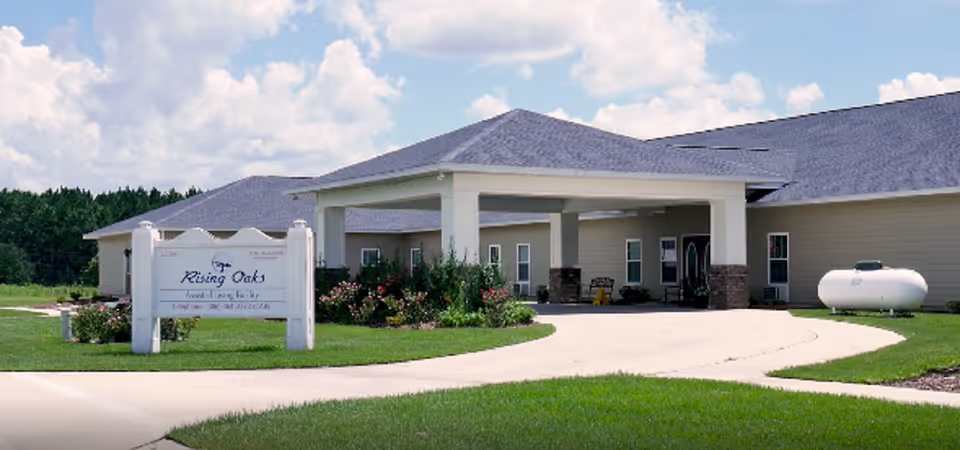
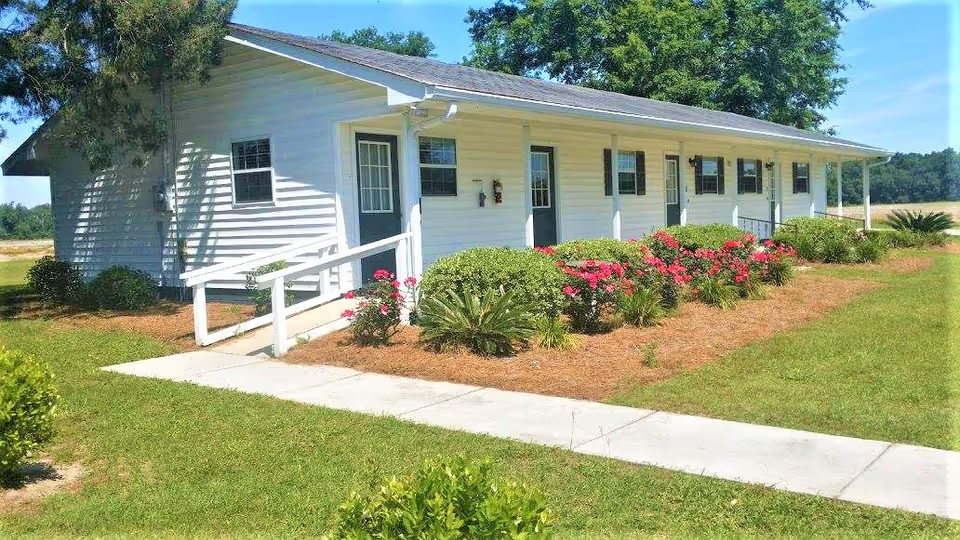
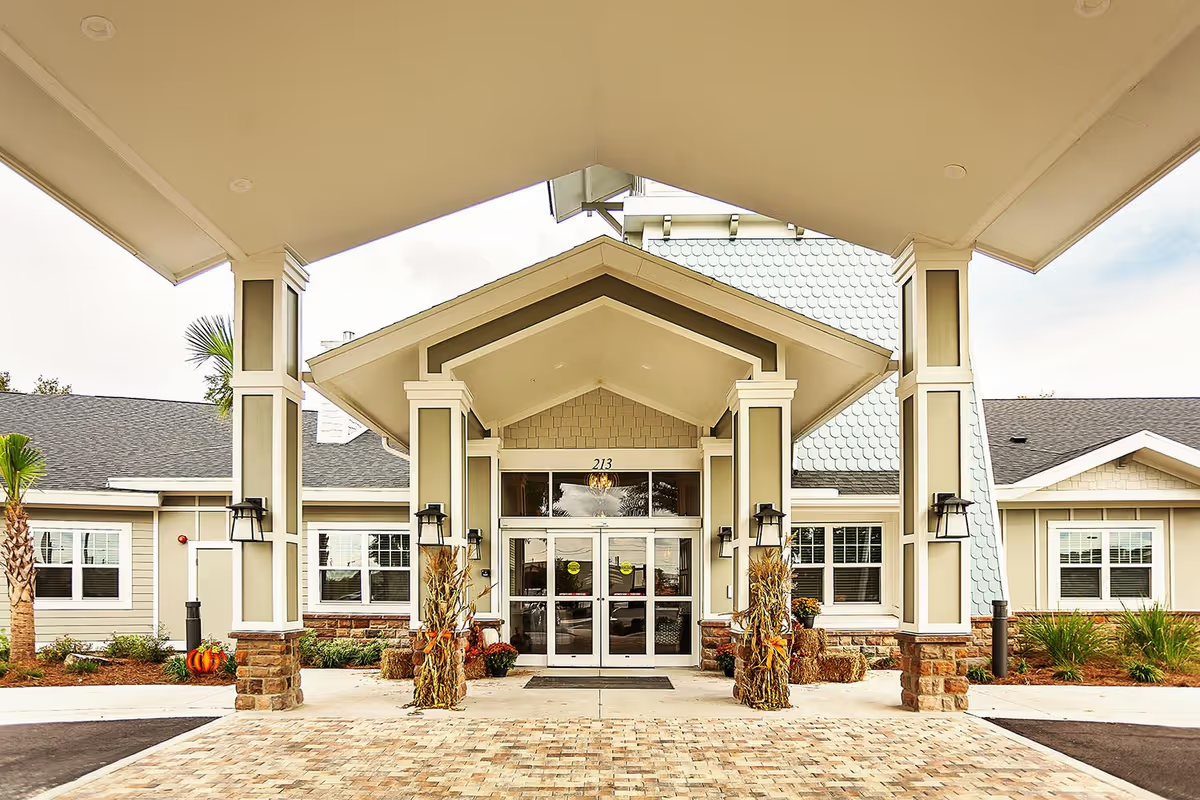
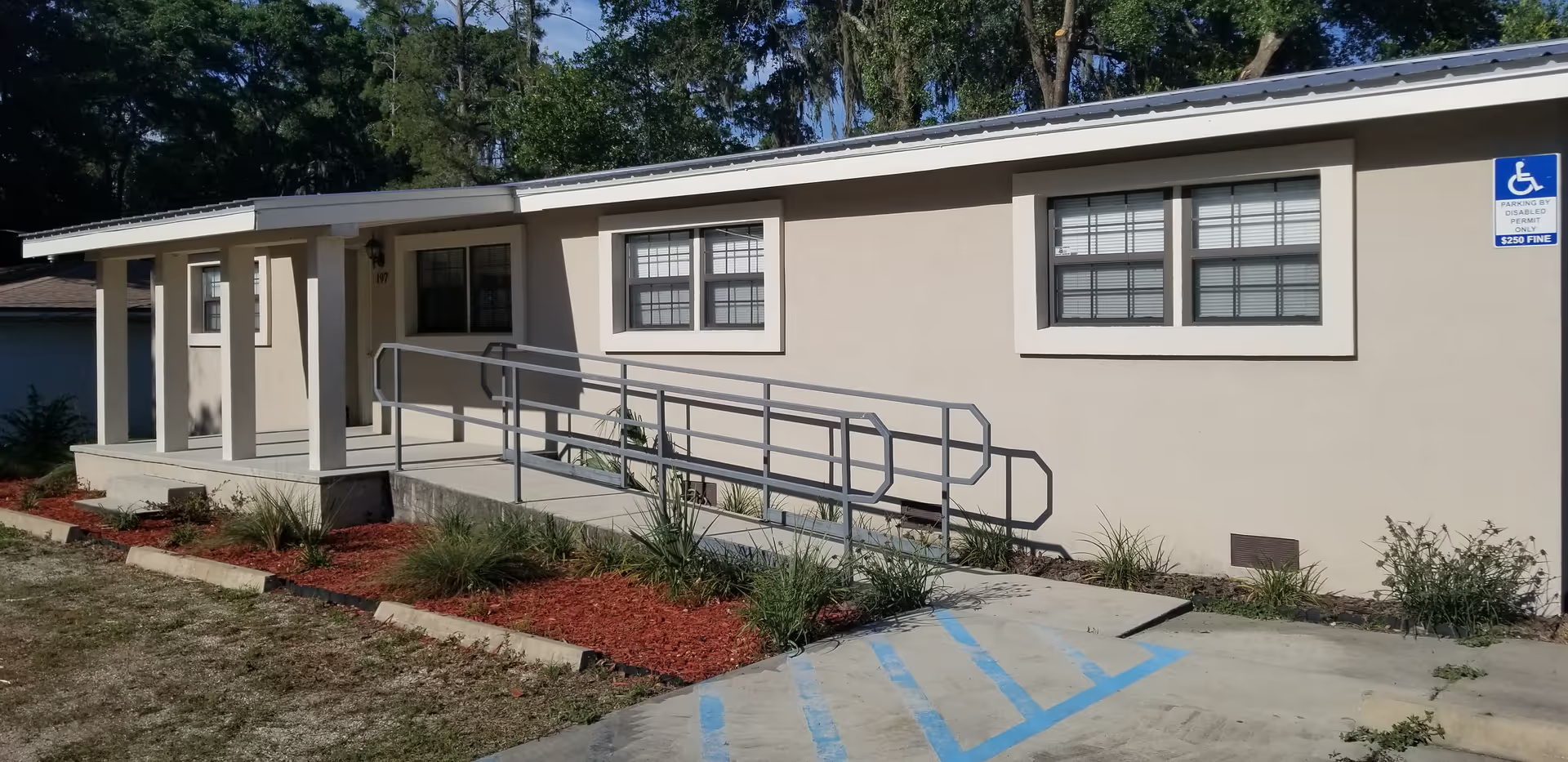
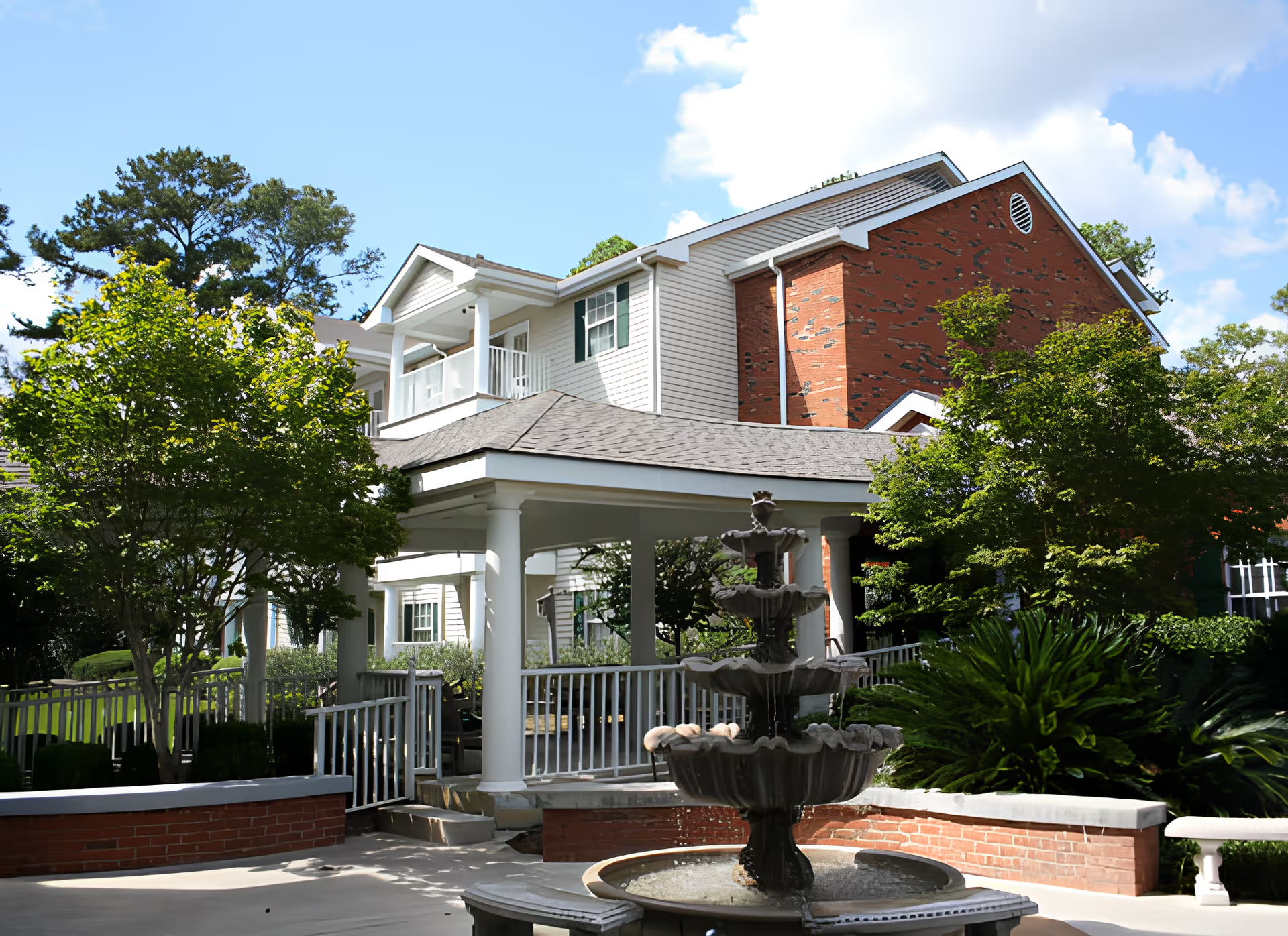
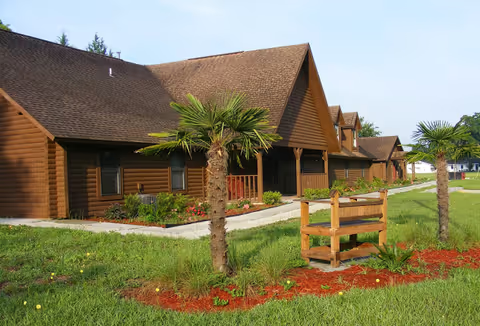
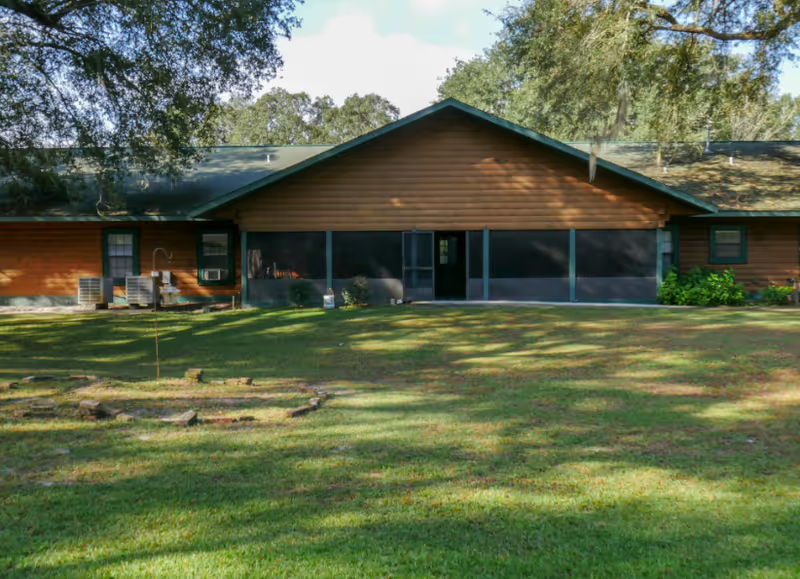
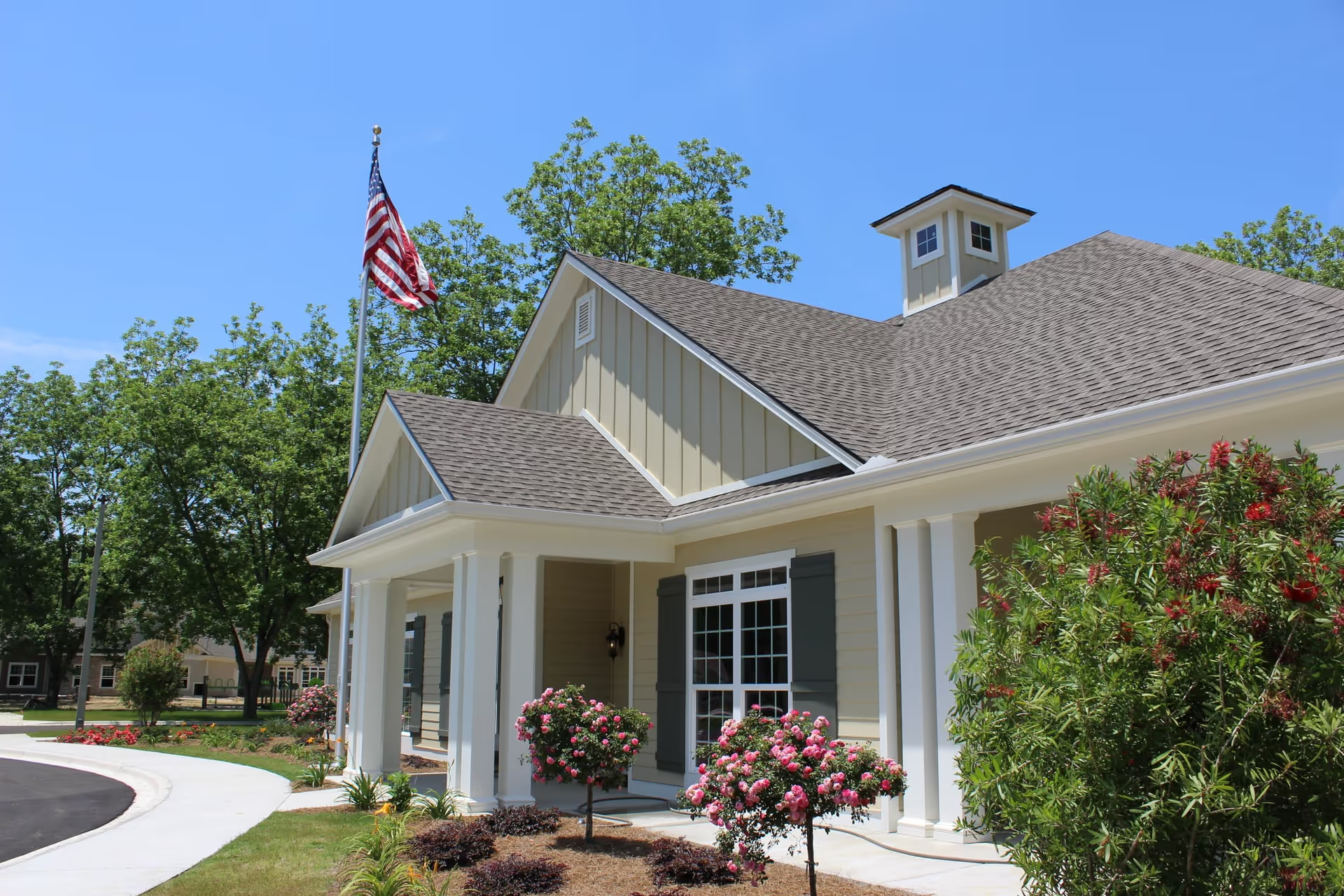
Dining, activities, and facilities: Activity programming is a clear strength — an engaged activity director and regular community events (yard sales, bake sales, weekly activities) contribute to social engagement. The facility itself is often described as clean, secure, and situated in pleasant surroundings. Opinions about meals are mixed: many reviews describe positive dining experiences, while others cite inconsistent meal quality. Those differences indicate variability in food-service satisfaction rather than a uniform standard.
Management and communication: Administrative, maintenance, and front-desk staff receive positive mention for being helpful and welcoming, and the placement/admissions process is described as supportive. Conversely, concerns about family communication during clinical incidents and about medication-management practices were raised. Collectively, the pattern indicates strong interpersonal and rehabilitative strengths alongside operational gaps in staffing, timely clinical responsiveness, and consistency of routine care tasks.
Takeaway: Suwannee Valley Nursing Center has notable strengths in compassionate caregiving, rehabilitation services, engagement programming, and facility upkeep. At the same time, recurring operational themes—insufficient staffing, delays in clinical response, variability in meal quality, and medication-management and basic-care task gaps—warrant careful inquiry. Families considering placement should discuss staffing levels, medication oversight, escalation protocols, and communication practices with management during visits to assess how the facility’s strengths align with the prospective resident’s needs.