Palm Vista Nursing and Rehabilitation Center receives consistent positive feedback for direct care and rehabilitation services while also showing recurring operational gaps that prospective families should evaluate.
Care and clinical staff are commonly described as compassionate and professional. Multiple comments highlight effective nursing care, with particular praise for the therapy team—physical therapists are noted for producing strong functional outcomes and helping residents regain independence after injury. Families also describe prompt resolution of concerns when staff intervene, and some reviewers cite supportive end-of-life involvement that allowed relatives to remain close.
Therapy and activities are a clear strength. The facility offers active rehabilitation programs and social opportunities (poetry events, seasonal celebrations) that residents enjoy. Pet therapy and allowance of visitor pets are repeatedly mentioned as meaningful quality-of-life contributors. These programmatic elements appear to support social engagement and recovery goals.
Dining and daily living receive generally favorable comments: several reviewers note home-style meals and positive impressions of food quality. The center's small, home-like atmosphere and visible community involvement contribute to a welcoming feel for many residents and visitors.
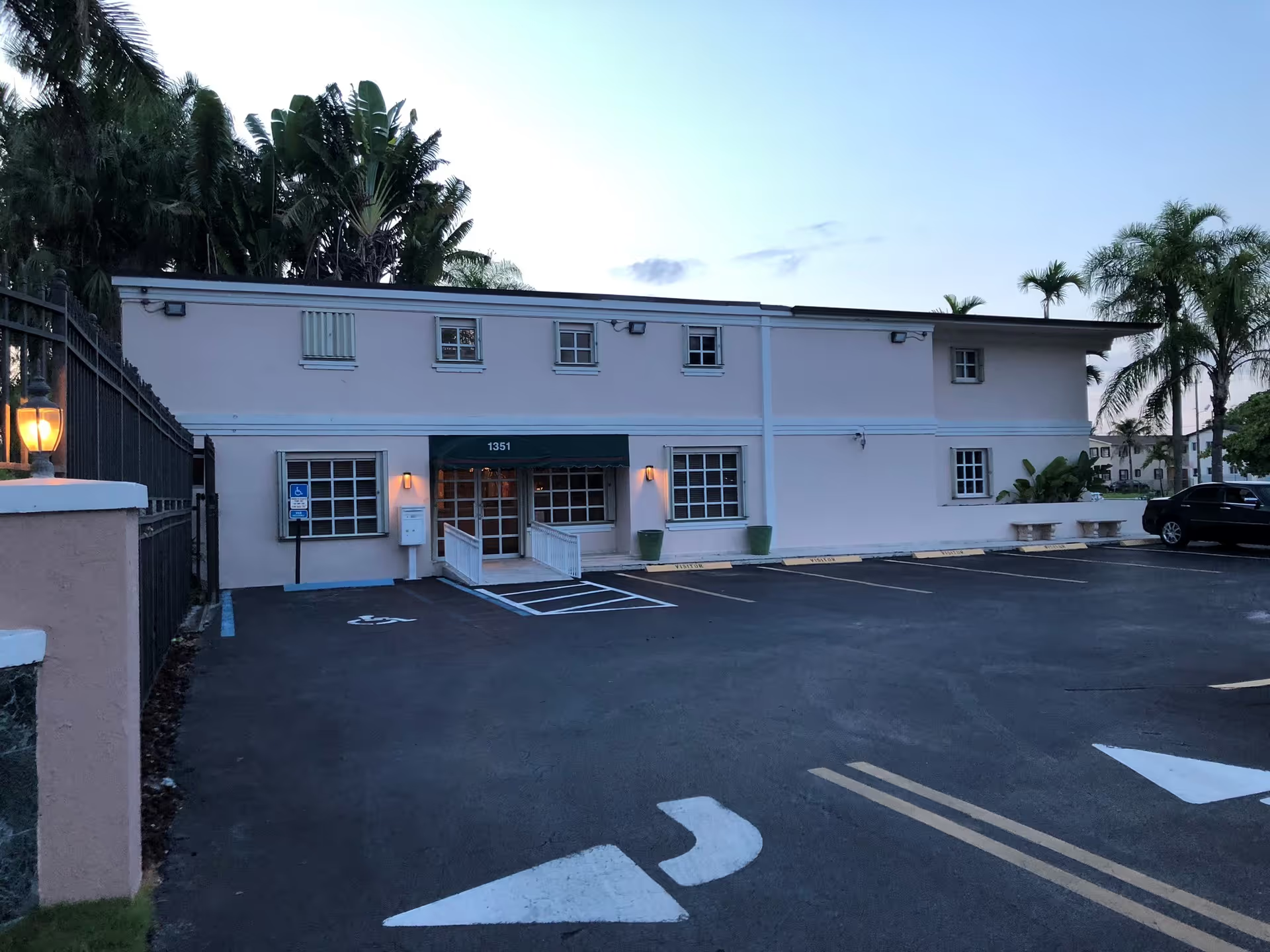
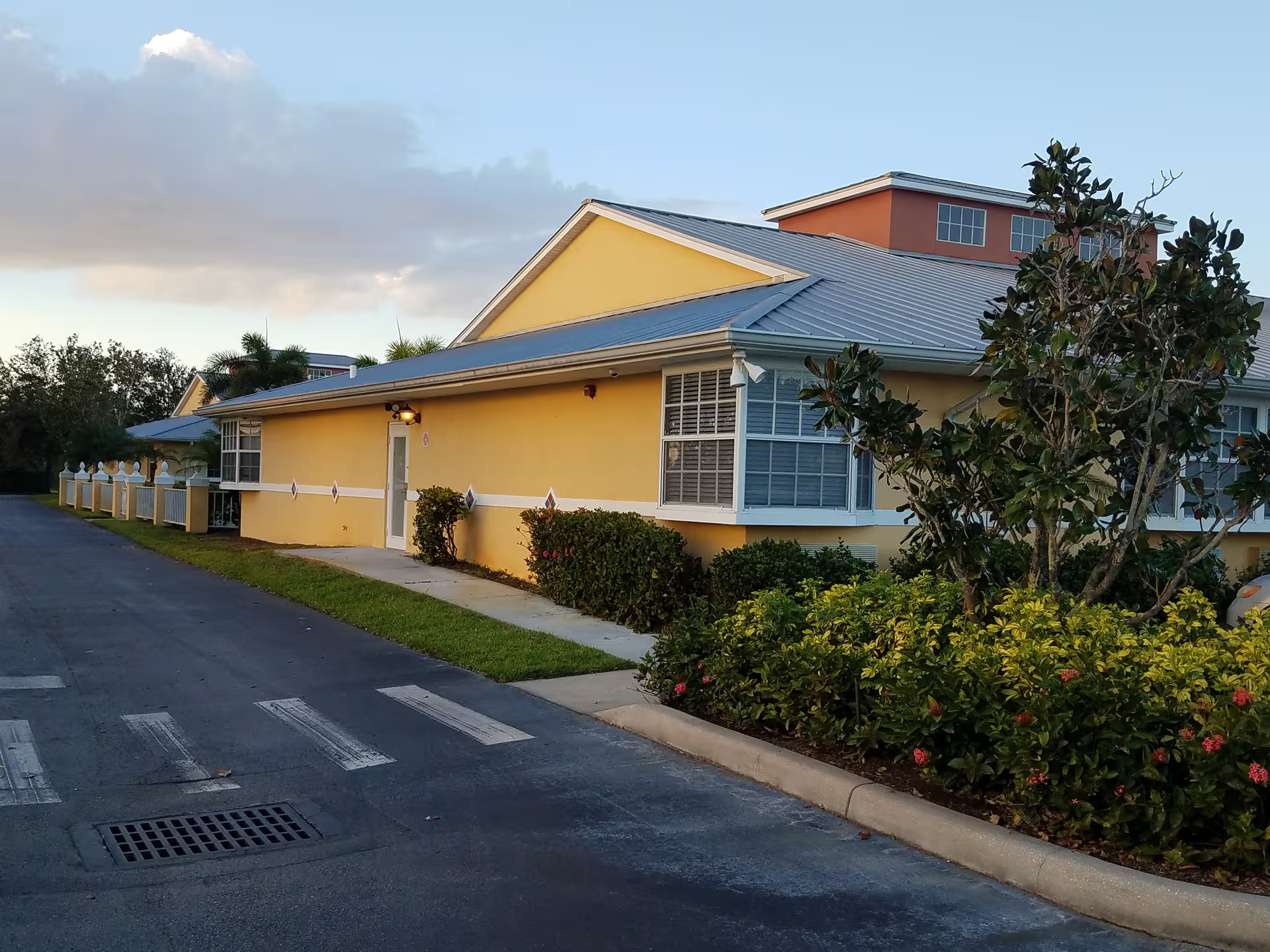
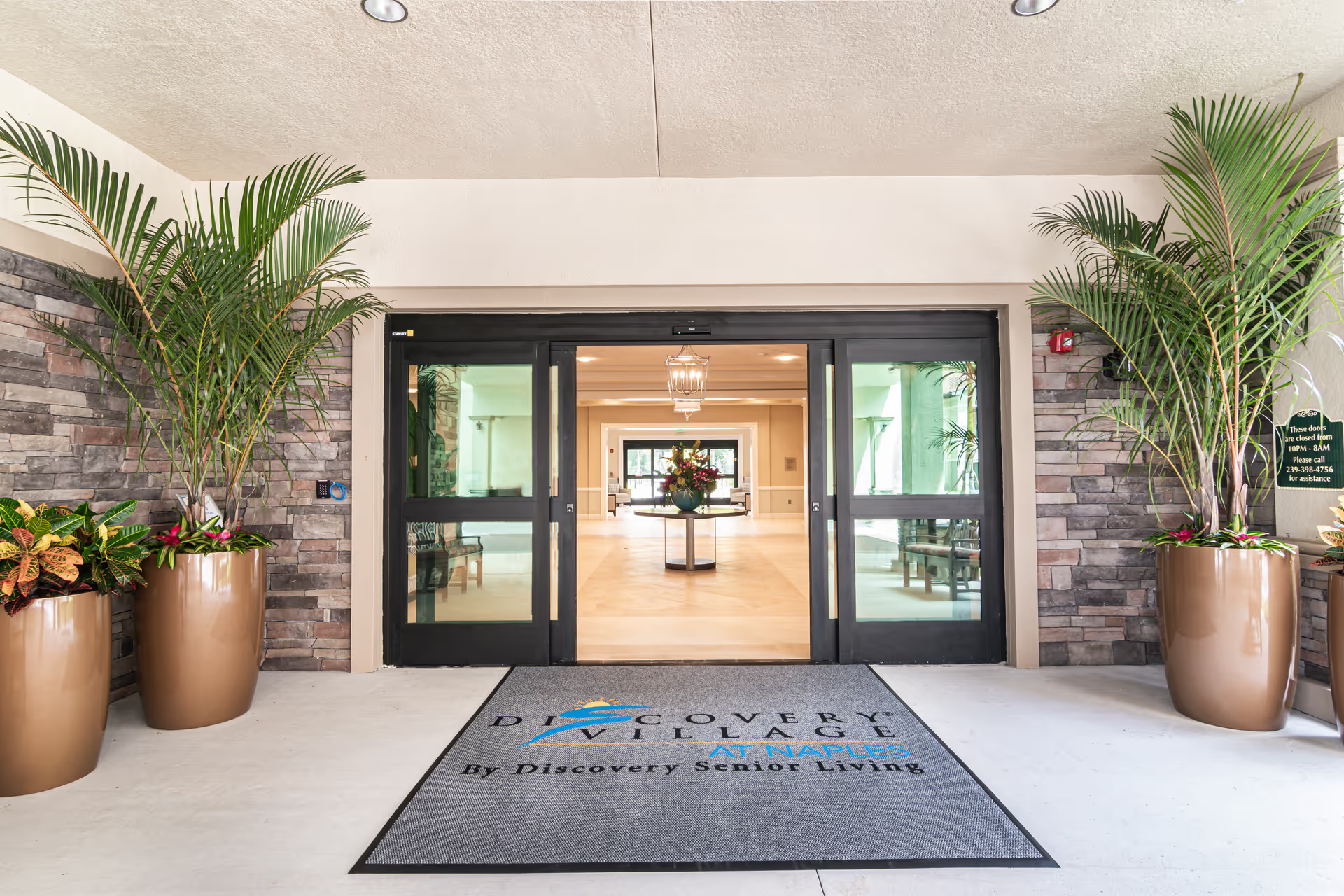
Operational and facility issues recur in the feedback. Front-desk procedures and visitor sign-in are described as inconsistent, leading to confusion at entry. Transfer coordination and internal communication during admissions or moves have produced delays, and infection-control or transfer protocols (including COVID-era procedures) have been inconsistently explained. Staffing levels are a notable concern—caregivers and CNAs are characterized as overworked in some accounts, which correlates with observations of delayed responsiveness and uneven attention across shifts. Cleanliness and sanitation are praised in many comments but also flagged in some common areas and floors, and the building is described as aging with variable room quality despite ongoing refresh efforts. Finally, a subset of comments raises concerns about medication-handling practices and aspects of clinical practice that warrant verification during a visit.
Management and leadership receive mixed but generally constructive mentions: some families find administrators accessible and helpful, and staff are described as trying hard under constrained conditions. For prospective residents and families, recommended next steps include touring multiple resident rooms to assess room condition, asking about staffing ratios and recent turnover, reviewing medication-management and clinical incident protocols, observing front-desk/visitor procedures, and meeting members of the therapy team to verify rehabilitation plans. These checks can help align expectations with the facility’s strengths in clinical care and rehabilitation while clarifying operational areas that may need attention.