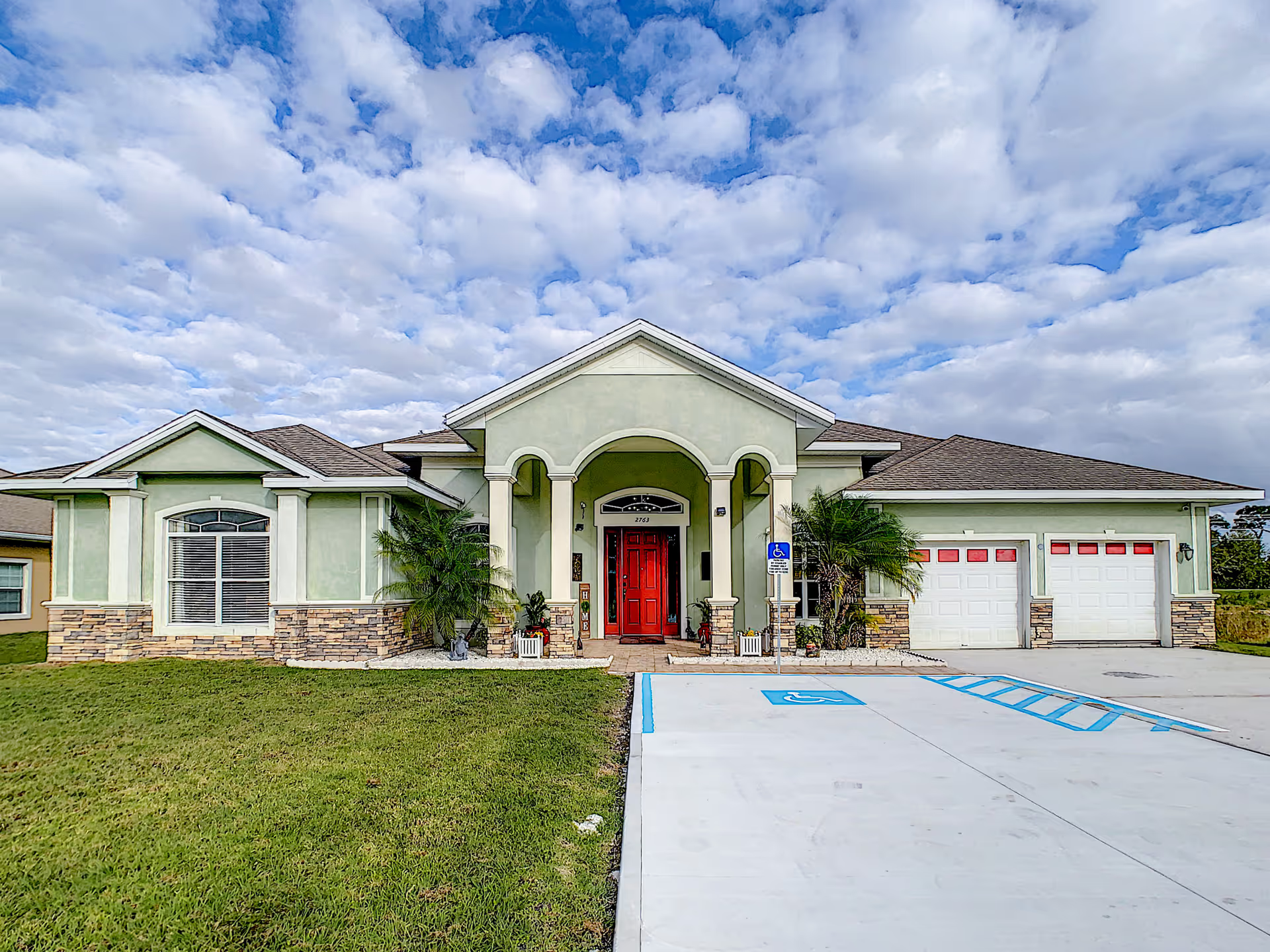
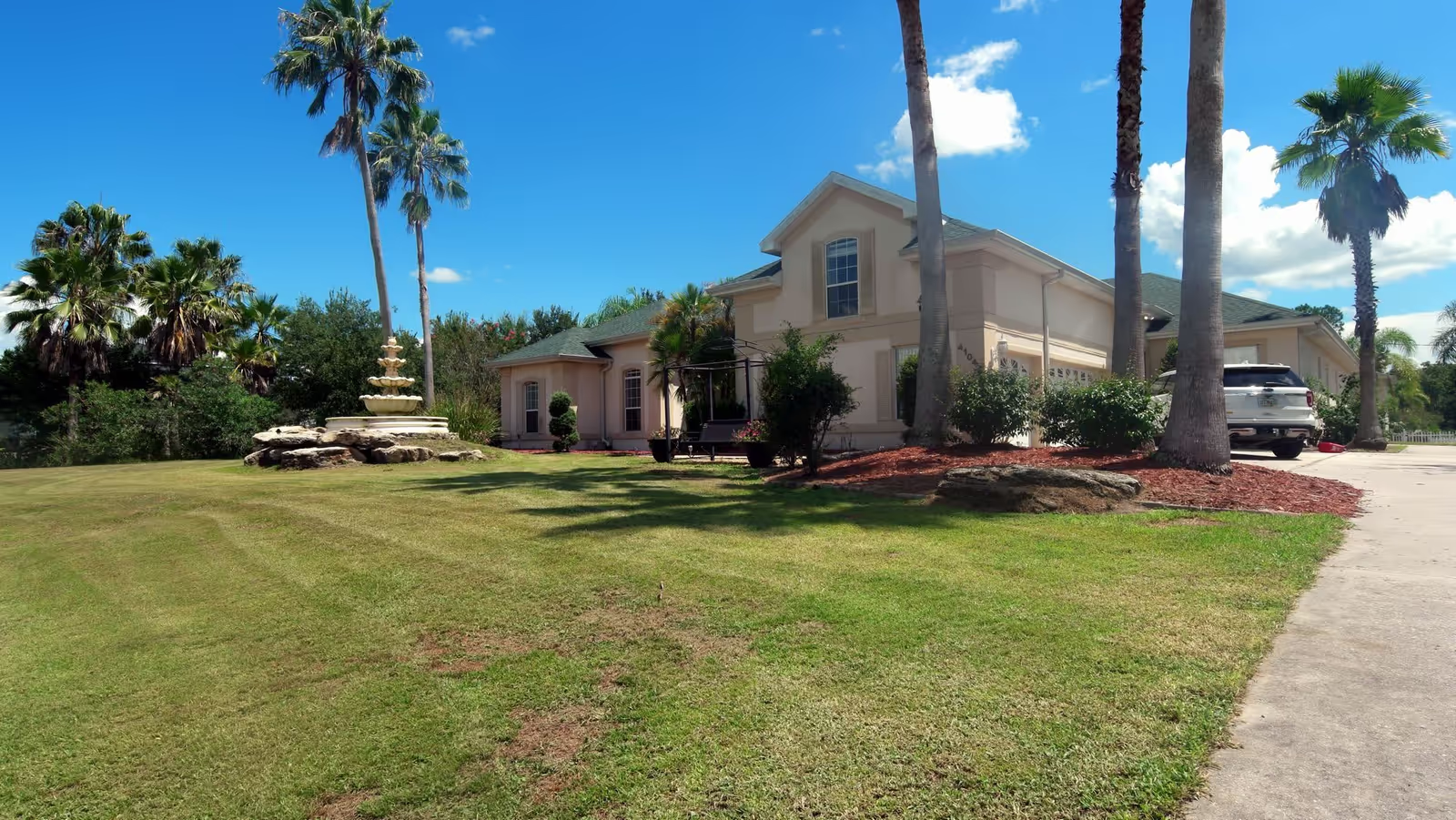
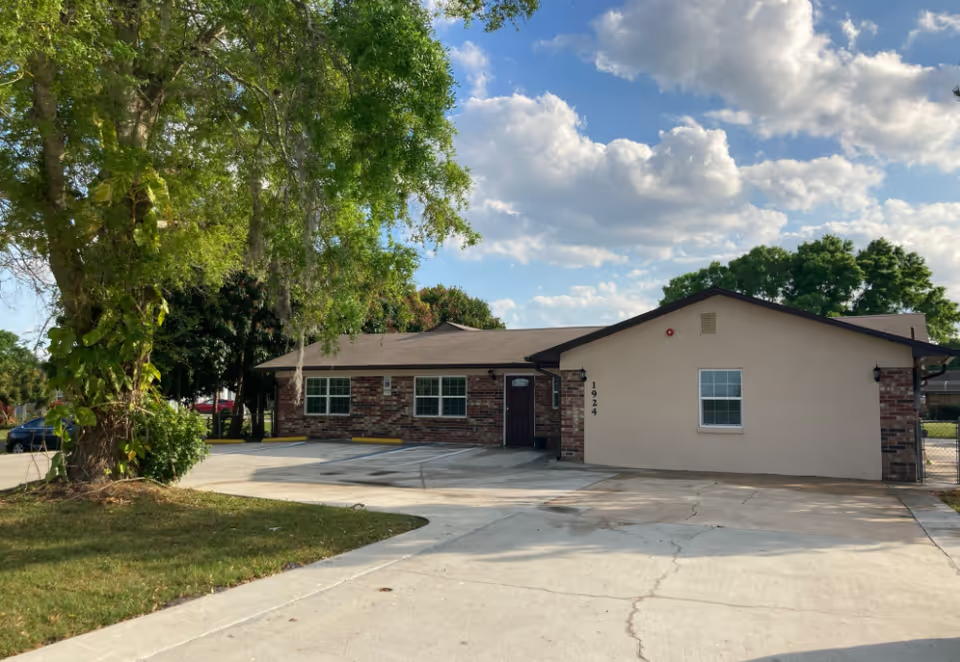
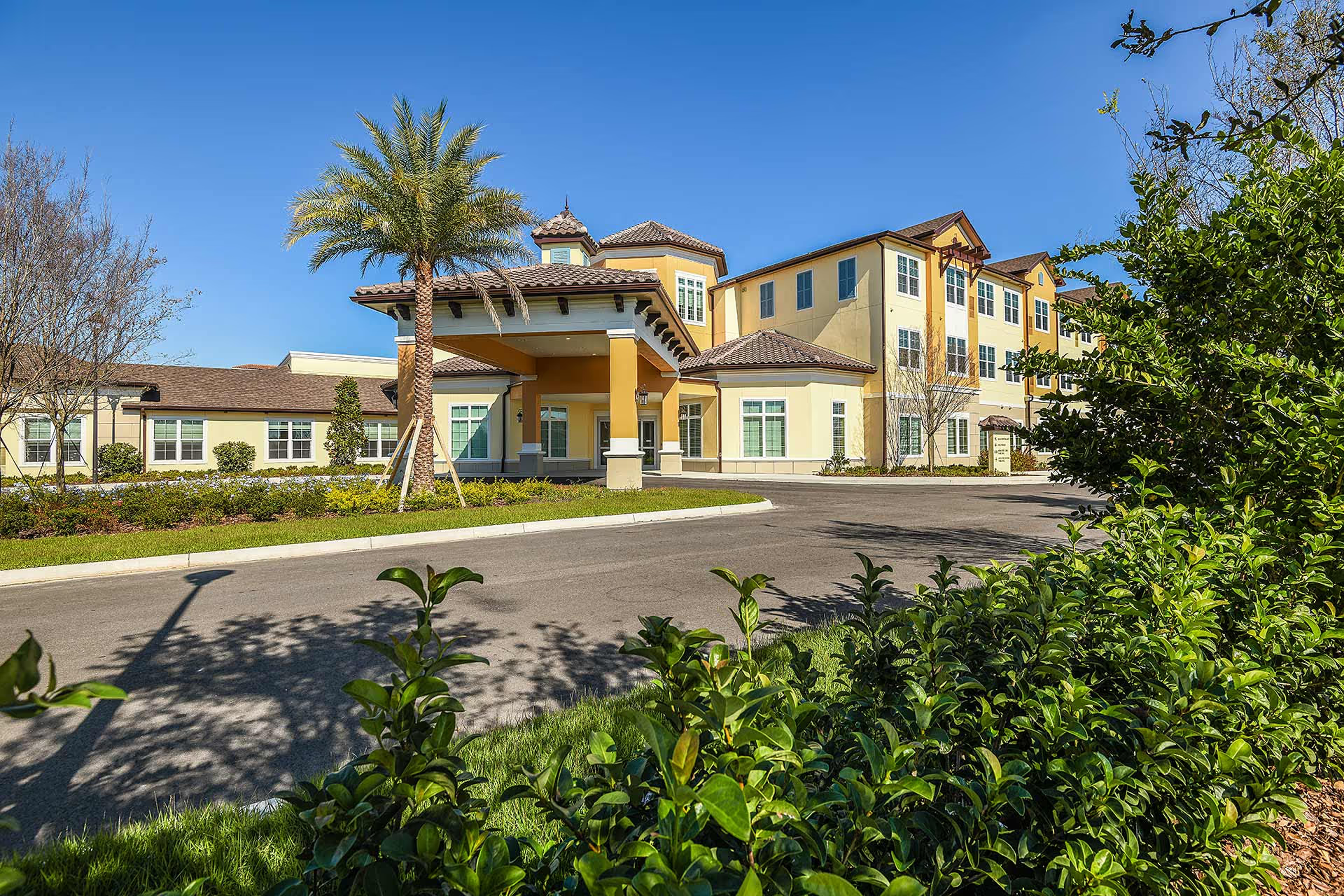
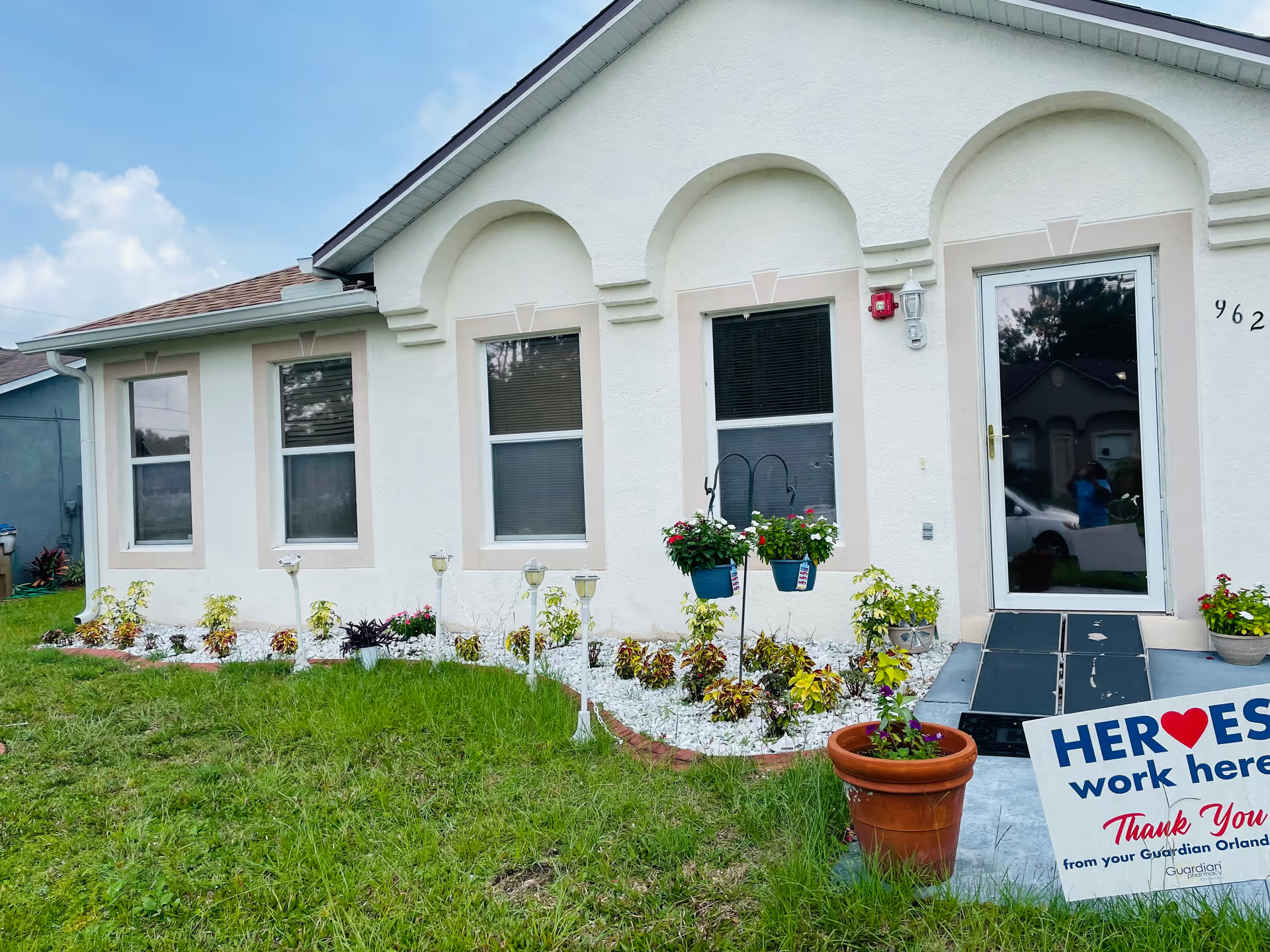
The Courtyard at Granada presents as a small, well-kept assisted-living home with strong aesthetic and location strengths. The property is described as a stately Florida ranch house with shade trees, walk paths, gardens and an interior courtyard; rooms are characterized as well-decorated, clean and safe. Its central location near Kissimmee, Orlando and area attractions is a convenience point for families, and the facility’s size contributes to a quiet, low-density residential atmosphere.
Care and staff performance are mixed but lean positive. Multiple accounts emphasize welcoming, compassionate caregiving and an attentive administrative presence that provides updates and reassurance. Some families reported that loved ones adjusted well and received compassionate support, which gave them peace of mind. At the same time, reviewers also described instances where staff appeared less knowledgeable about specialized care needs, particularly for residents with higher-acuity or advanced memory impairments. This creates a nuanced picture: generally warm interpersonal care, with occasional gaps in specialized clinical knowledge.
Daily life and programming appear limited relative to larger communities. The facility offers personal services and small celebrations (hairdresser visits, birthday cakes), but activity levels are described as low and several residents may remain in their rooms during the day. One reviewer noted plans for expanded weekly activities, indicating management awareness of engagement shortfalls; prospective families should clarify the current activity schedule and participation expectations during a visit. There is limited specific feedback about dining beyond celebratory events, so prospective visitors should request sample menus and observe meal service directly.
Operationally, the facility shows both strengths and inconsistent execution. The administrator is frequently praised for responsiveness and compassionate communication, yet there are reports of administrative unpreparedness at touring appointments and an inability to discuss pricing during some visits. Cost is a recurring concern: the atmosphere is sometimes described as upscale and pricing is perceived as high. Crucially, reviewers raised licensing and care-scope limitations: the community may not be licensed or configured to accept residents with certain higher-acuity or progressive memory-care needs, and memory-care spaces do not appear fully separated from assisted-living areas.
Implications for prospective residents and families: The Courtyard at Granada may be a good fit for individuals seeking a small, peaceful, well-maintained assisted-living environment with personable staff and attractive grounds. It is less clearly appropriate for residents who require dedicated memory-care units, higher-acuity clinical support, or robust daily programming. Before committing, families should verify licensing and acceptance criteria for specific care needs, observe a full activity day if possible, review pricing and contract details in advance, and ask targeted questions about staff training for dementia care and routine administrative processes.