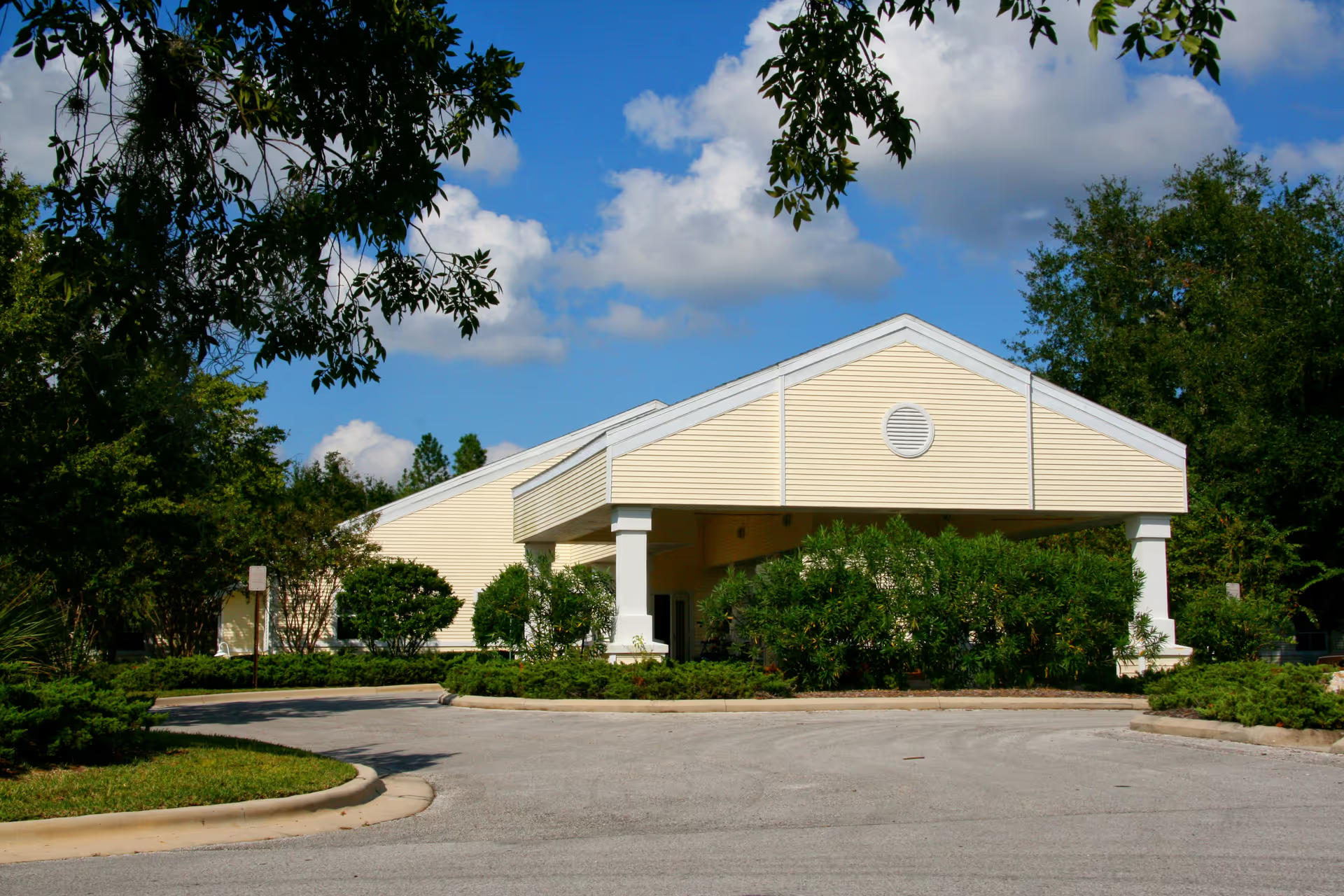
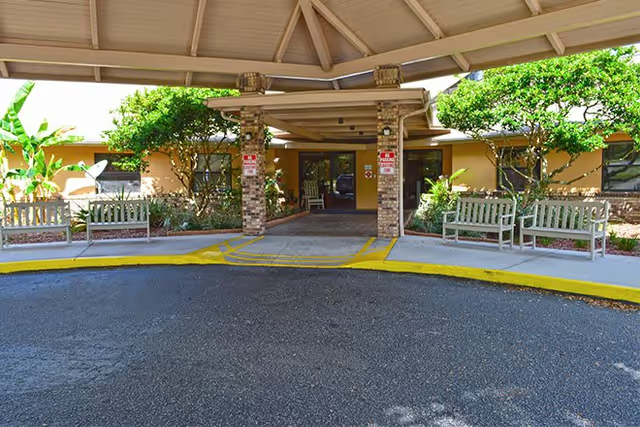
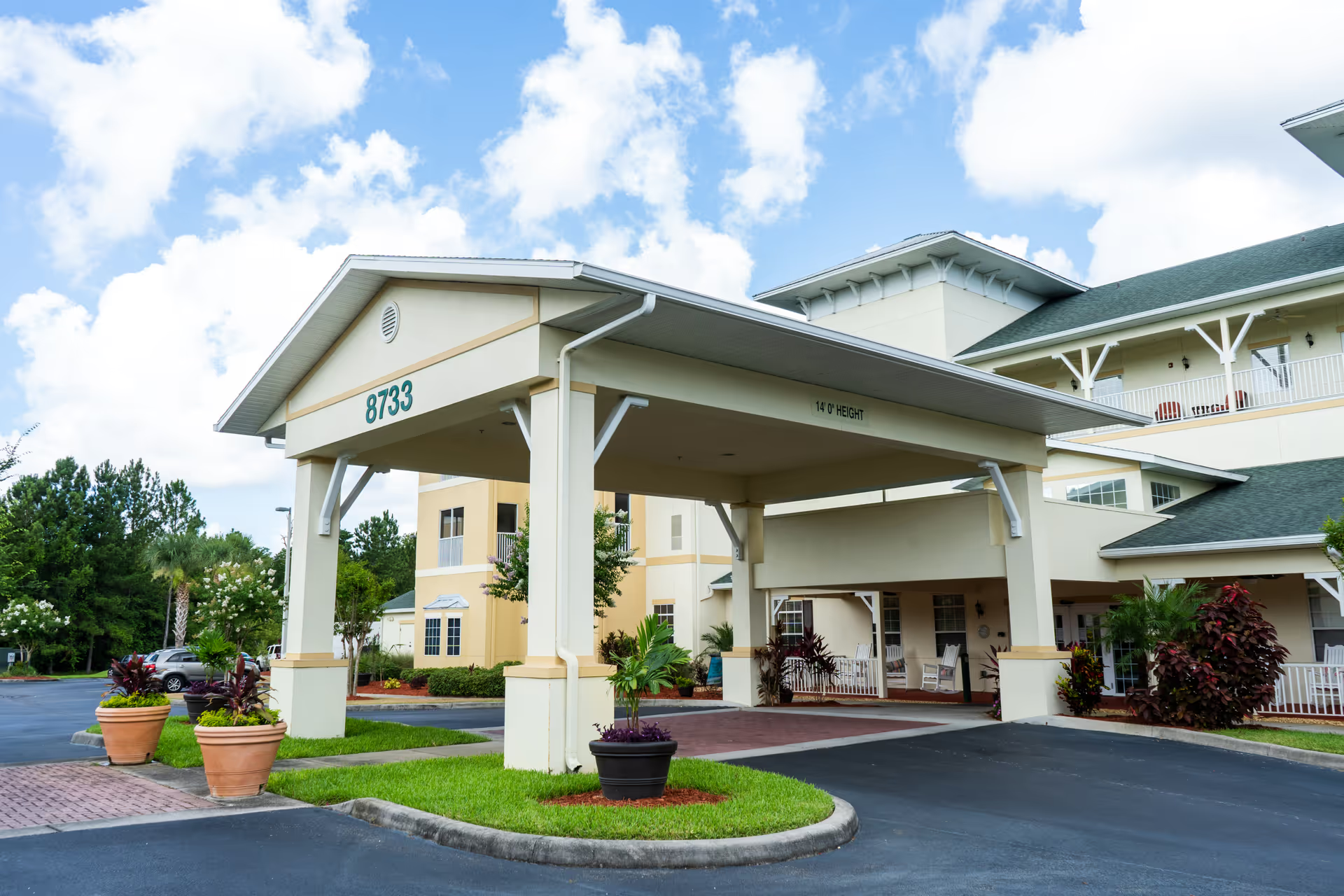
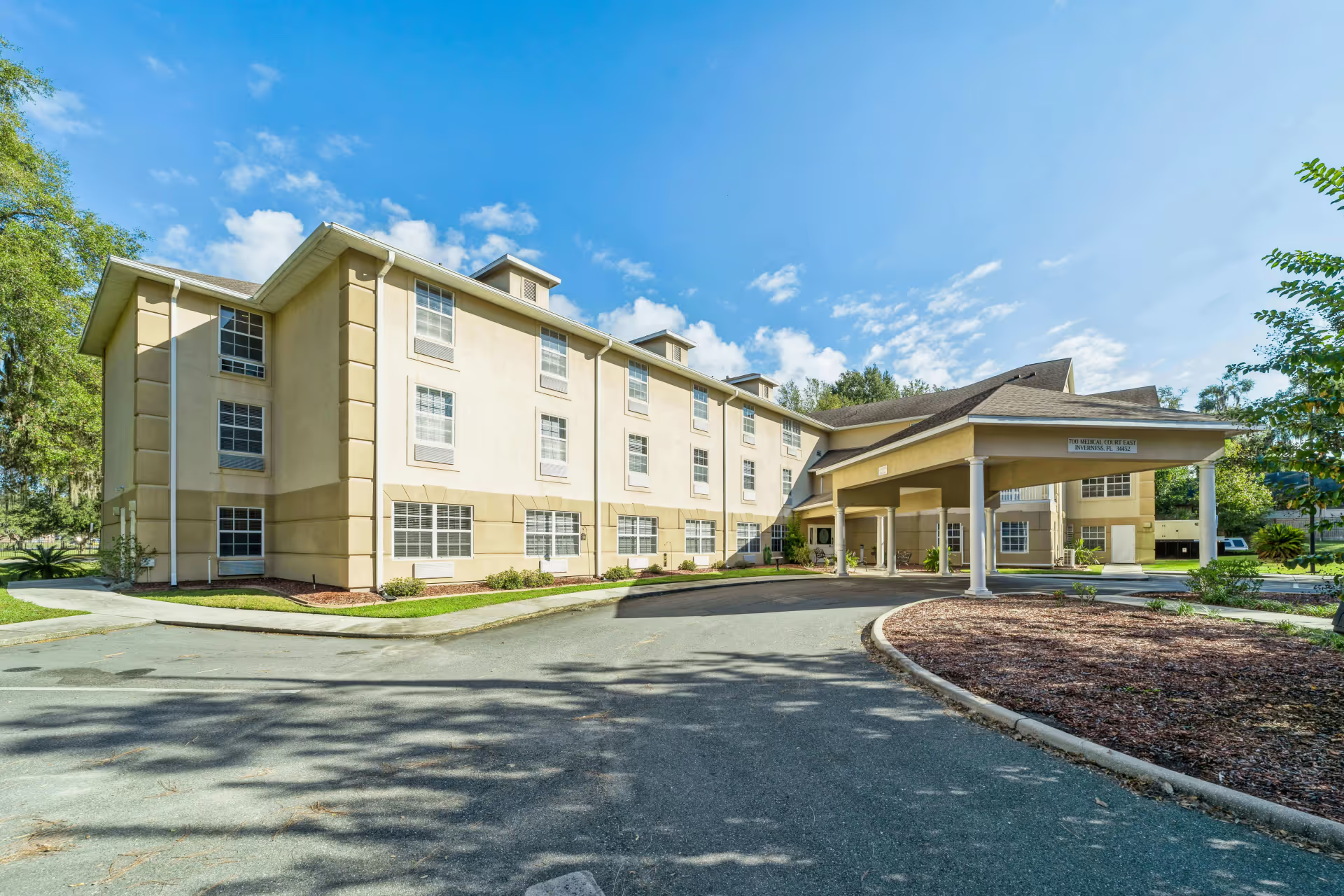
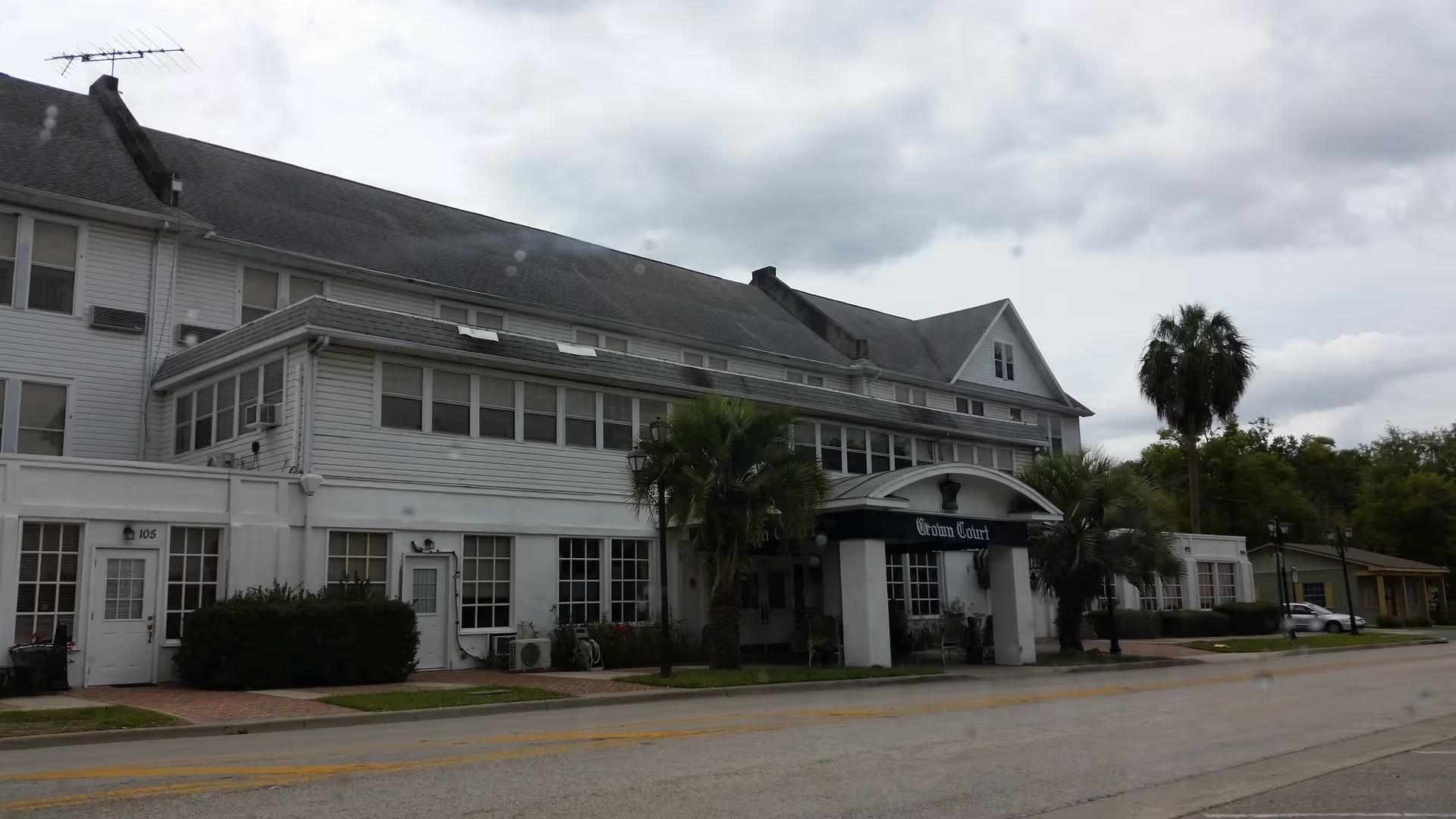
Life Care Center of Citrus County elicits strongly mixed impressions. Many families and patients praise the compassionate tone of nursing assistants, CNAs and therapy teams; numerous accounts describe friendly, attentive caregivers, effective rehabilitation (including physical and speech therapy) and strong wound-care skills. The admissions experience and transition for some residents is described as smooth, with helpful front-desk and social-work support. The facility’s physical environment is frequently noted as clean, attractive and recently updated, with landscaped grounds, large activity rooms, an on-site ice cream parlor and an active calendar of programs (music, bingo, dominoes, ukulele and holiday events) that many residents and visitors enjoy.
At the same time, a substantial cluster of reviews identifies operational weaknesses that have affected care experience and safety. The most consistent pattern is staffing variability: families report times when staffing levels appear insufficient to meet resident needs, leading to delayed responses to call lights, inconsistent bathing and toileting schedules, and longer waits for assistance. Relatedly, several accounts describe gaps in clinical coordination — delayed physician visits or orders, medication management problems, and slow responses to changes in condition — which raise concerns about how clinical information flows between shifts and disciplines.
Dining and hospitality are another area of contrast. When the kitchen and dining teams are functioning well, reviewers highlight enjoyable meals, nutritional accommodations and resident-centered touches such as daily ice cream. Other reports describe inconsistent meal quality or temperature and occasional interruptions in service. Facility-level sanitation and pest-control were flagged in a number of reviews (leading to calls for more aggressive pest-control measures) and there are recurring laundry and personal-belongings management issues that have caused frustration for families.
Safety and incident response were raised repeatedly as well. Specific reports describe delayed or missing responses to call mechanisms, problems with bed equipment and transfer practices that contributed to falls or injuries. There are also several serious family concerns about end-of-life care, clinical incident follow-up, and financial/property handling; a small number of narratives include alleged financial misconduct or theft, which families should treat as a high-priority inquiry during placement discussions.
Management and culture appear uneven across shifts and teams. Many reviewers commend individual staff members and some managers for going above and beyond, and several accounts describe responsive leadership and effective problem resolution. Conversely, other families describe inconsistency in complaint handling, variable communication, and occasional defensive responses from staff or administration. These mixed signals suggest that performance may depend heavily on unit staffing, particular shifts, or individual employees.
For prospective residents and families: the facility offers clear strengths in rehabilitation, therapy services, social programming and an inviting physical environment. However, the pattern of concerns around staffing consistency, timely clinical coordination, sanitation and personal property management is notable. Recommended pre-admission steps include asking specific questions about current staffing ratios, on-site physician coverage and medication-order processes; requesting recent pest-control and inspection records; observing care during different shifts (including evenings/nights); clarifying laundry and valuables policies; and establishing a family communication plan for incident escalation. These targeted inquiries can help align expectations with the facility’s variable performance patterns and identify whether the current operational state meets an individual resident’s clinical and safety needs.