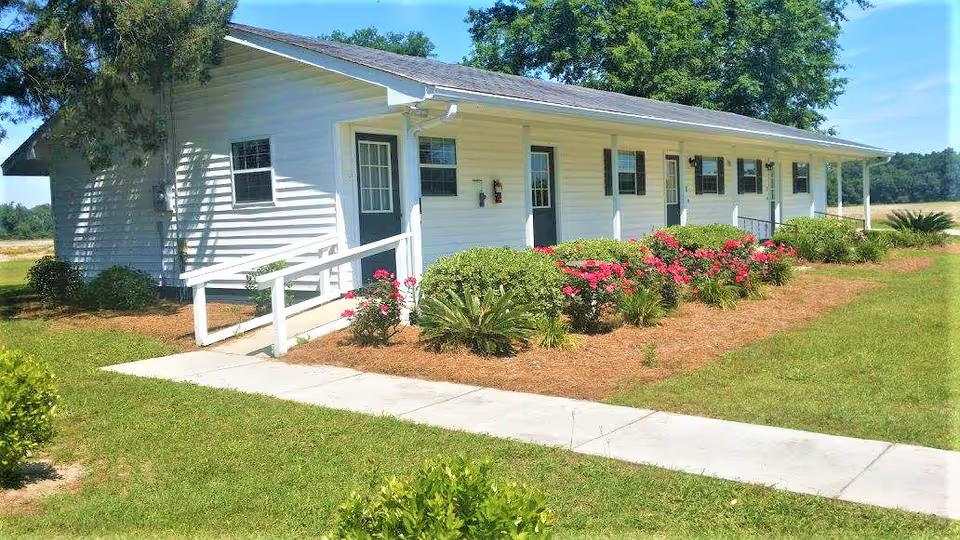
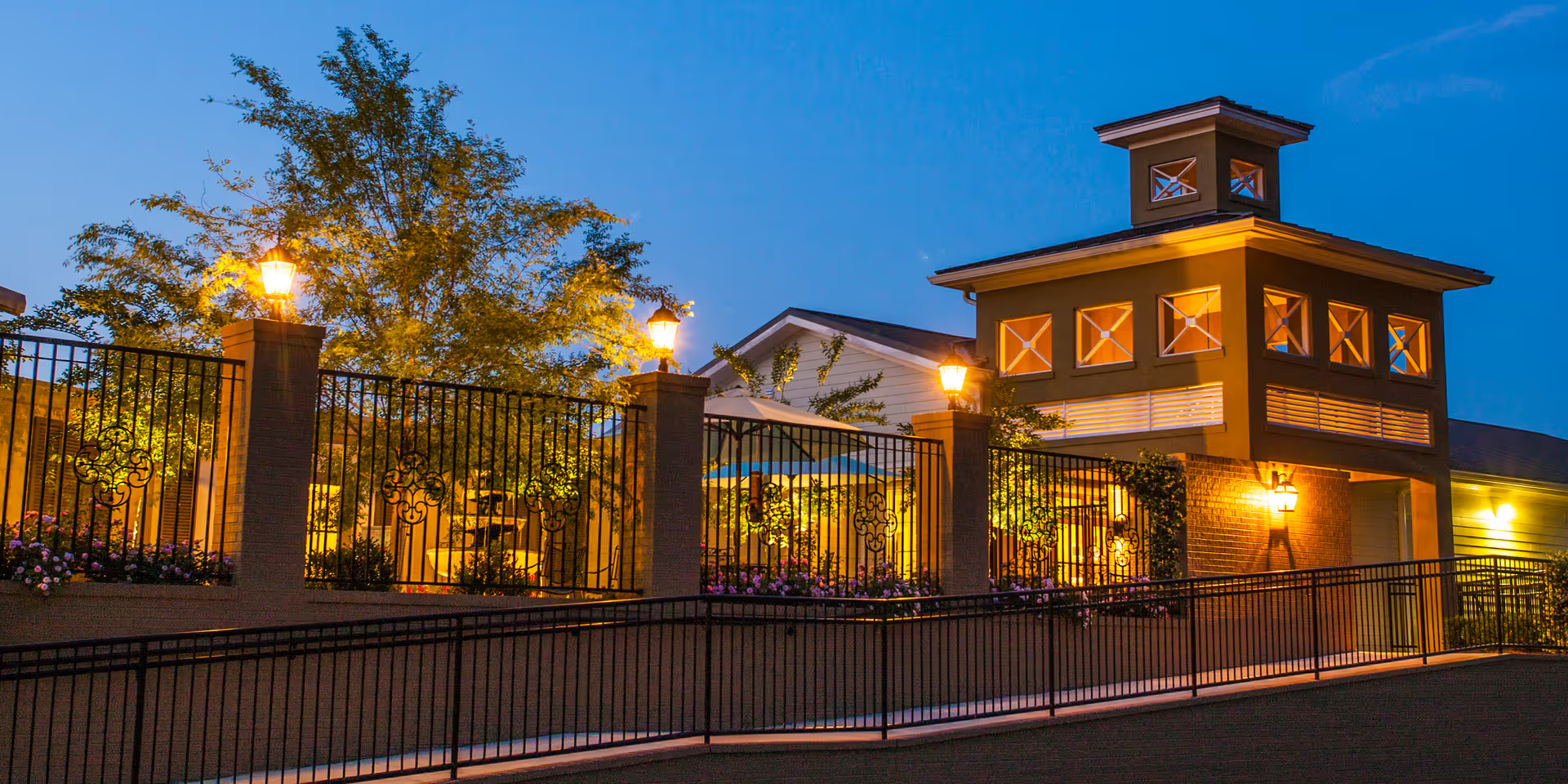
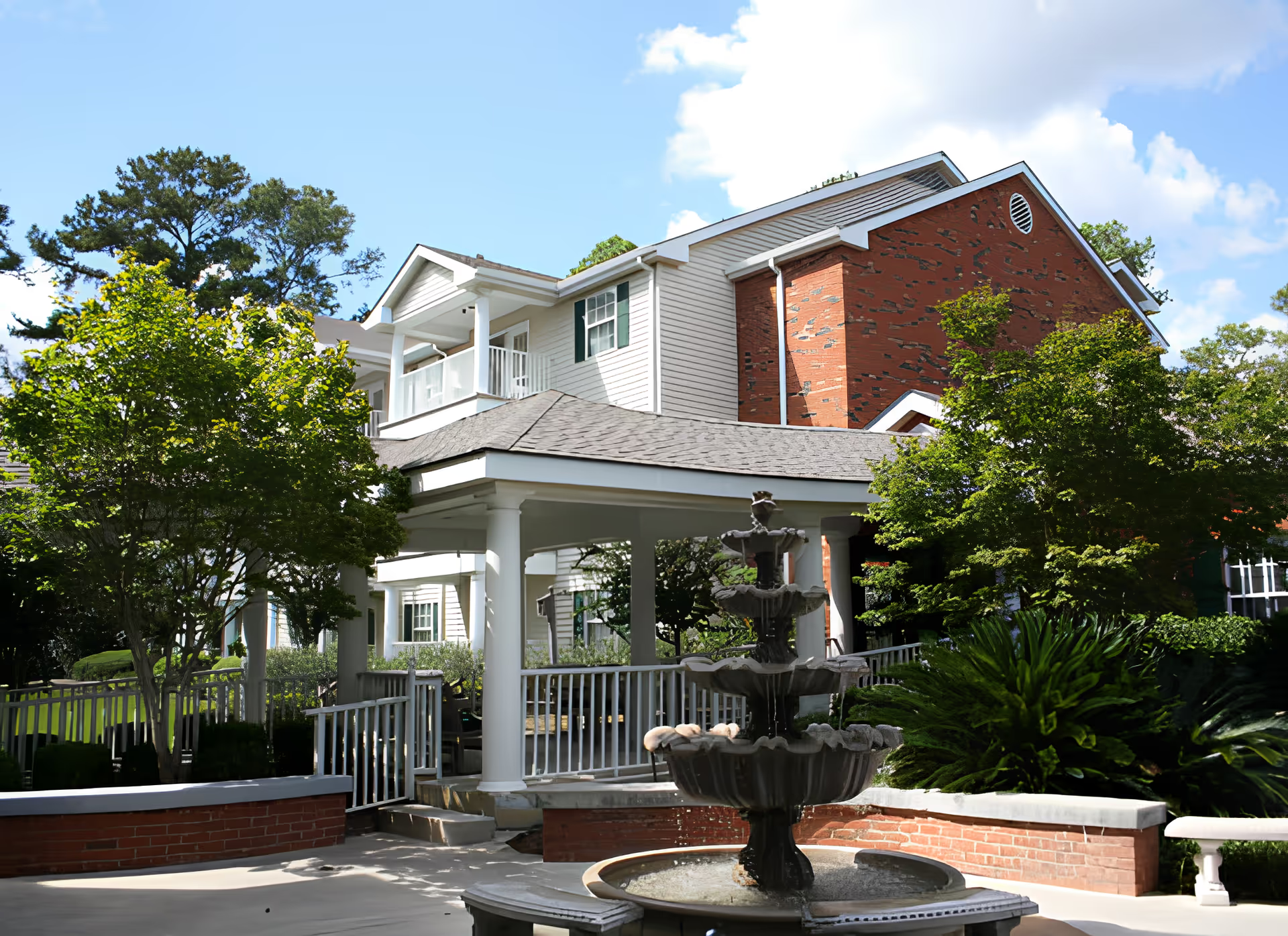
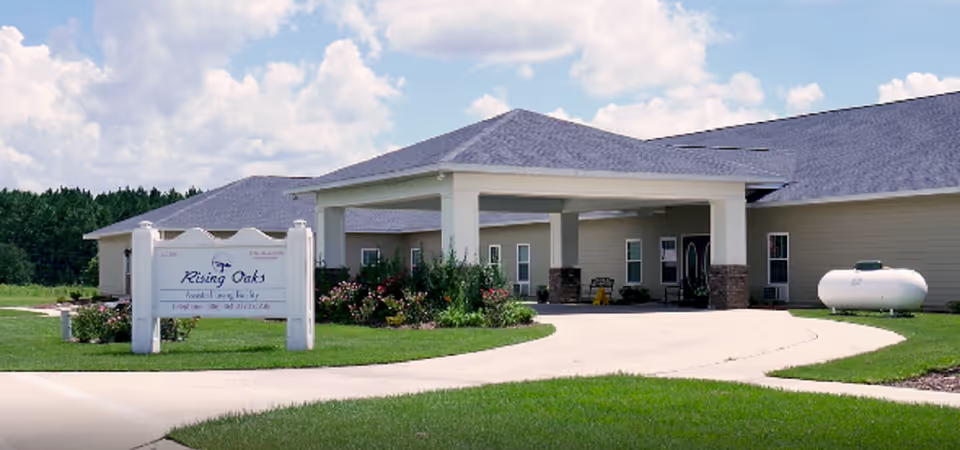
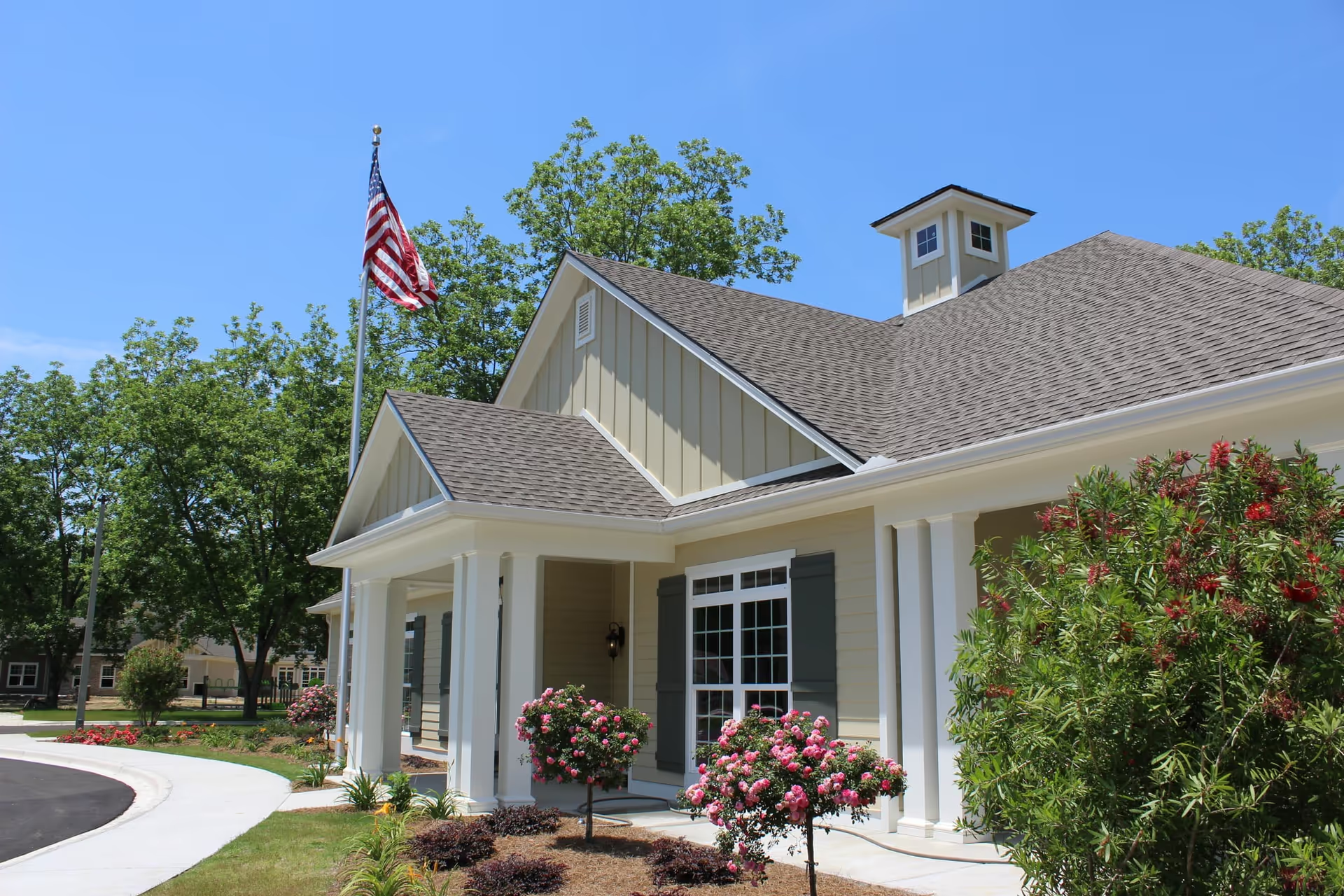
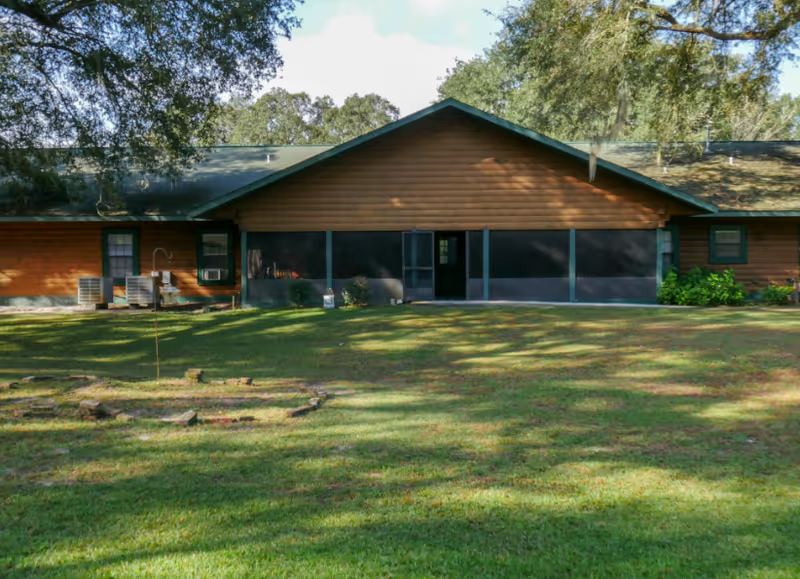
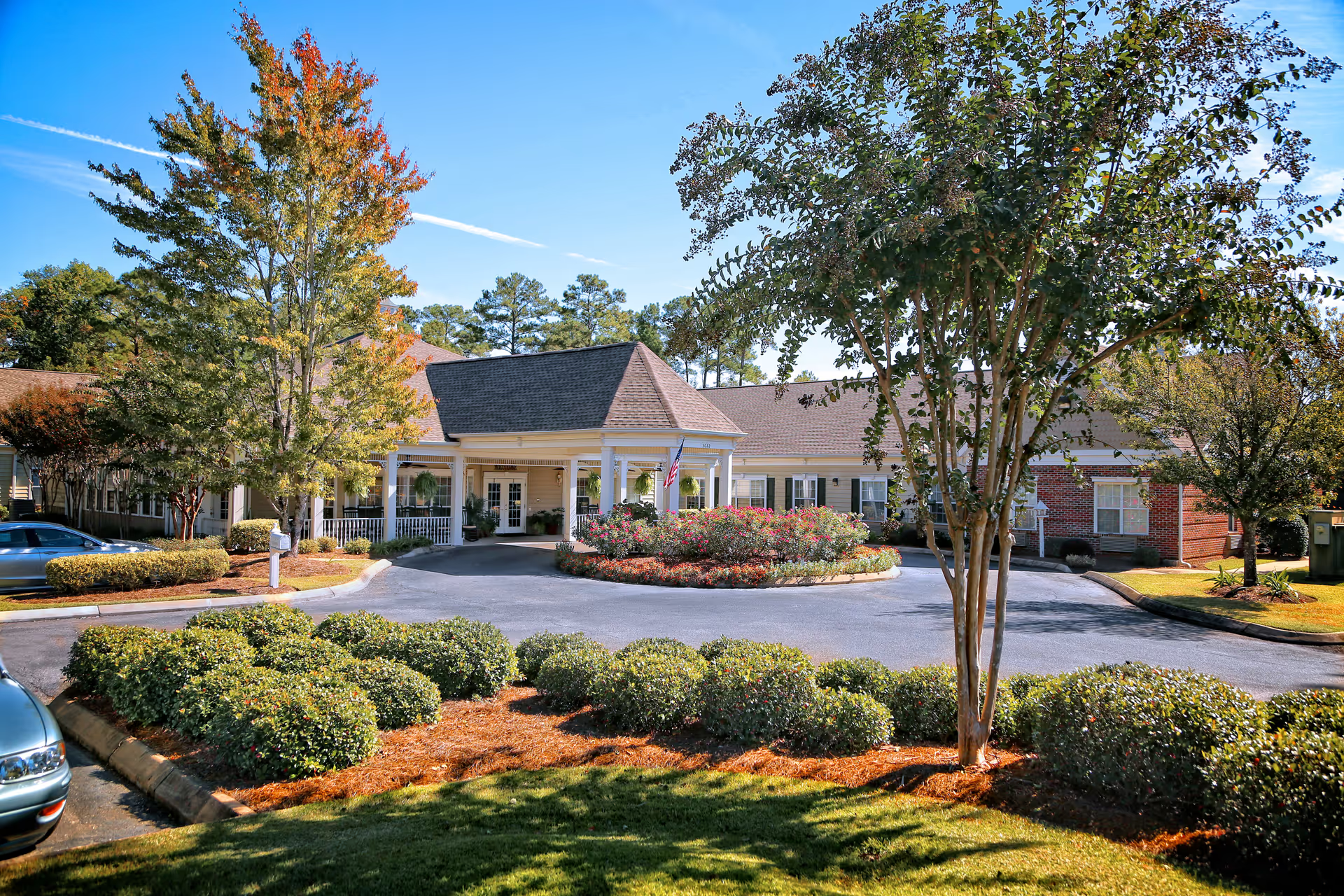
The reviews present a mixed but informative picture of Lake Park of Madison Nursing and Rehabilitation. Many families and visitors describe a clean, bright facility with pleasant décor, active communal spaces, and an environment that can feel welcoming and homey. The facility offers rehabilitation services and has a visible clinical team; numerous accounts highlight friendly, respectful caregivers, a helpful nursing staff, and activities such as Bingo, crafts, game nights, and community visits that contribute to social engagement. Dining is often described positively when the in-house chef and meal service are functioning well, and families note celebratory touches like birthday recognition that support resident dignity.
At the same time, there are recurring operational concerns that prospective families should weigh. Several accounts point to inconsistent staff professionalism and variable responsiveness from nursing aides and administration. Staffing shortages and gaps in front-desk or reception coverage are reported, which can contribute to delays in communication and supervision. Clinical coordination issues are described in areas such as medication responsiveness and pain management; these suggest opportunities for more reliable care processes and clearer escalation protocols. Relatedly, some reviewers raised safety and equipment concerns, including older manual beds, missing mobility aids in rooms, and equipment-placement issues that may indicate weaknesses in maintenance and transfer-safety practices.
Facility upkeep and sanitation present a mixed picture. While many visitors praise overall cleanliness of common areas and well-groomed residents, other reviews describe sanitation concerns in specific bathrooms and areas, and note dated furnishings consistent with an older physical plant. These contrasts underscore variability in housekeeping and environmental maintenance. Dining quality also appears inconsistent: when the kitchen and staff are fully engaged reviewers report good meals, but other comments describe nutrition and meal-quality gaps.
Communication and management practices are another notable pattern. Families mentioned late-night notifications about changes in resident status, perceived shortcomings in administrative transparency, and limited flexibility during infection-control periods. Conversely, many reviewers complimented individual staff members for being informative, accommodating, and compassionate. This suggests that while frontline caregivers often perform well, facility-level systems for communication, visitor coordination, and administrative oversight may need strengthening.
In summary, Lake Park of Madison demonstrates clear strengths in social programming, a welcoming atmosphere, and instances of high-quality personal care and rehabilitation. However, reviewers collectively point to operational inconsistencies—particularly around staffing coverage, clinical coordination (including pain and medication management), sanitation in select areas, equipment maintenance, and administrative communication—that prospective residents and families should investigate further. Visiting the facility at different times of day, asking about staffing ratios, maintenance schedules, medication-administration protocols, and emergency-readiness procedures, and speaking directly with nursing leadership can help clarify how the facility addresses these areas of concern.