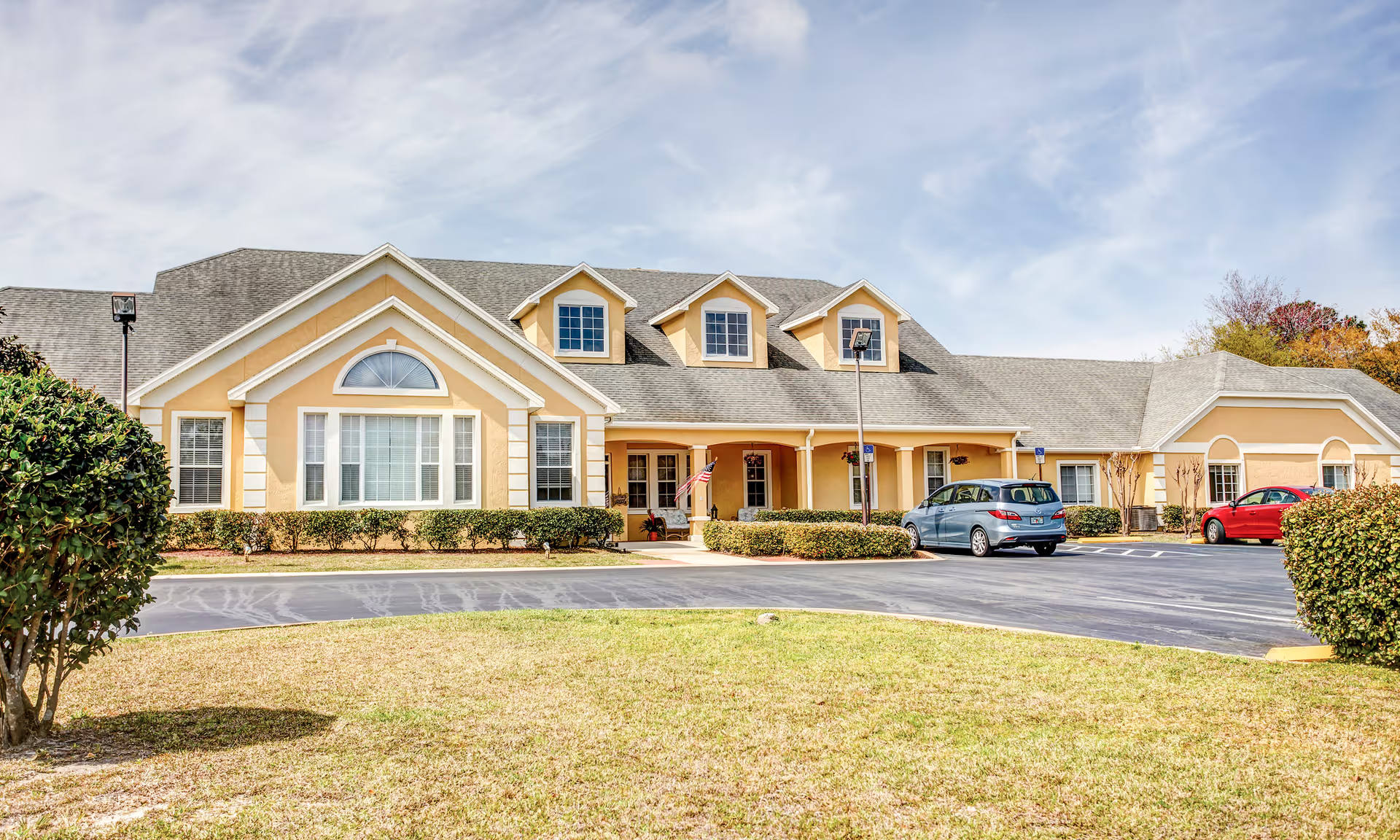
Overall impression: Courtyard Healthcare Center elicits strongly mixed impressions. Many reviewers praised individual caregivers, therapy outcomes, and the facility’s physical environment; other reviewers raised significant operational and clinical concerns. Prospective residents and families should expect a facility where care experience can vary substantially depending on unit, shift, or specific staff assigned.
Care and clinical oversight: Rehabilitation and therapy services are consistently highlighted as a strength—reviewers noted excellent PT/rehab results and praised therapists for measurable improvement. Nursing and CNA staff receive frequent praise for compassion and hands-on care in many cases. However, there are also reports that indicate inconsistent clinical monitoring and follow-up, including concerns about skin integrity, incontinence-care practices, and delays in medication administration. Some families described serious adverse outcomes and concerns following a resident’s death; these descriptions point to gaps in clinical incident response and in communication with families. In short, clinical quality appears uneven: strong when staffing and oversight are effective, but vulnerable to lapses when those systems fail.
Staff, communication, and management: Staff-level interactions range from highly positive (empathetic admissions personnel, helpful floor staff, named caregivers praised) to problematic (unresponsive or unclear staff behavior and poor bedside communication). Administrative responsiveness and billing communication were repeatedly called out as weak by multiple reviewers. There are also several comments about unclear signage or inconsistent directions, which can compound stress for visitors and new residents. Families looking at this facility should evaluate current management accountability, staffing consistency, and the facility’s incident-communication protocols during a tour.
Dining and activities: Dining impressions are mixed. Some reviewers found meals satisfactory or praised special-event meals (for example, Thanksgiving), while others described food as typical institutional fare and suggested upgrades. Activity offerings are present — church services, bingo, family nights, and animal visits were specifically noted — but availability and frequency appear inconsistent across reports. Those seeking a robust, predictable social program should verify the activity calendar and participation levels directly.
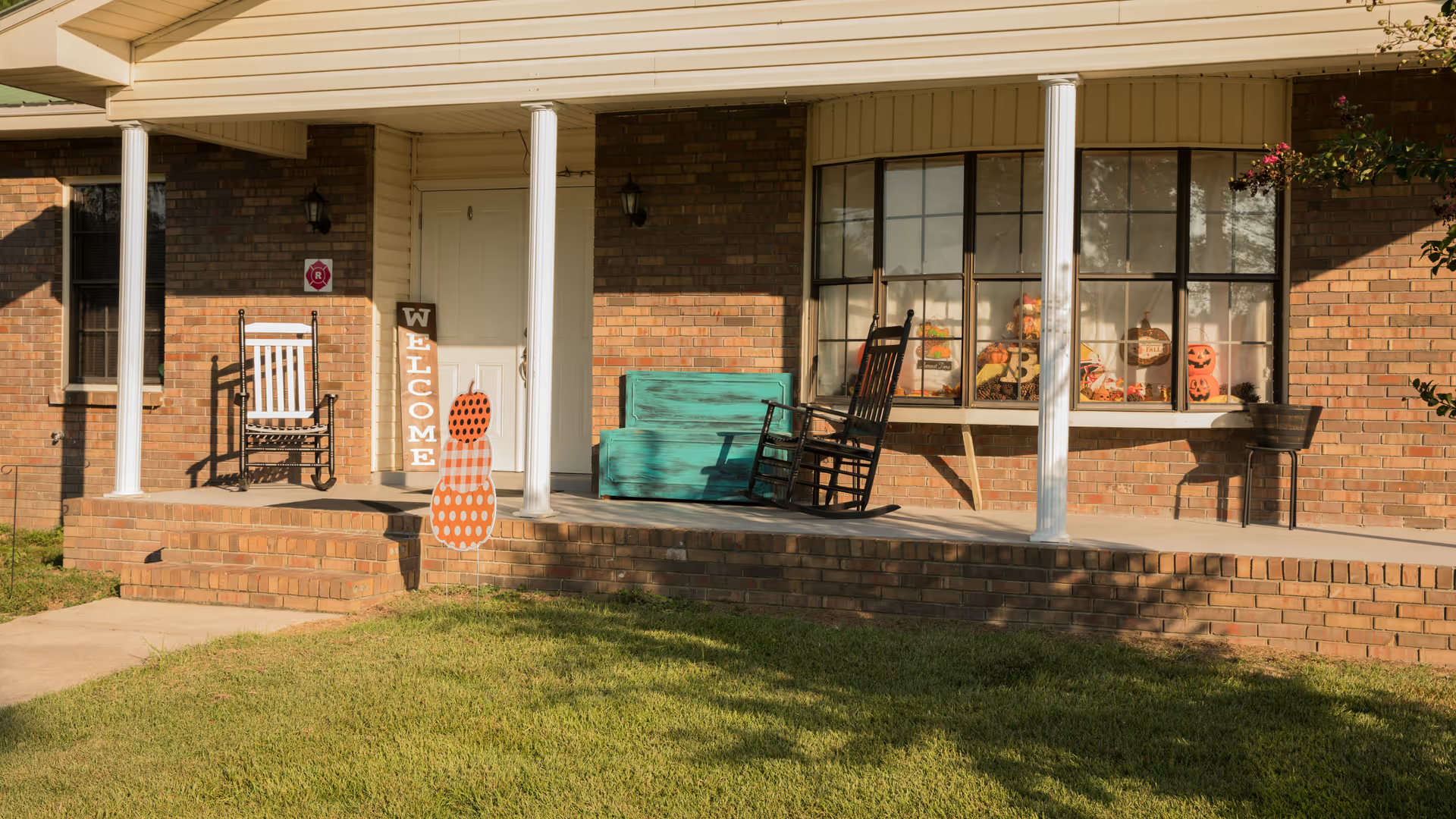
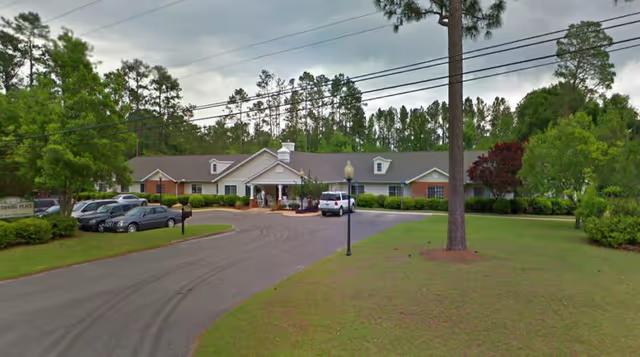
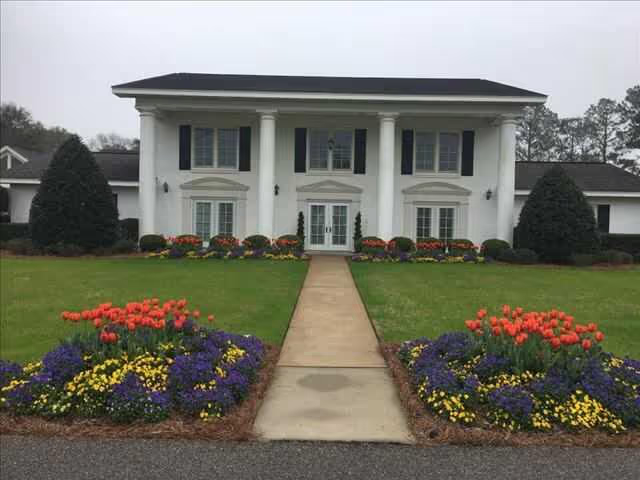
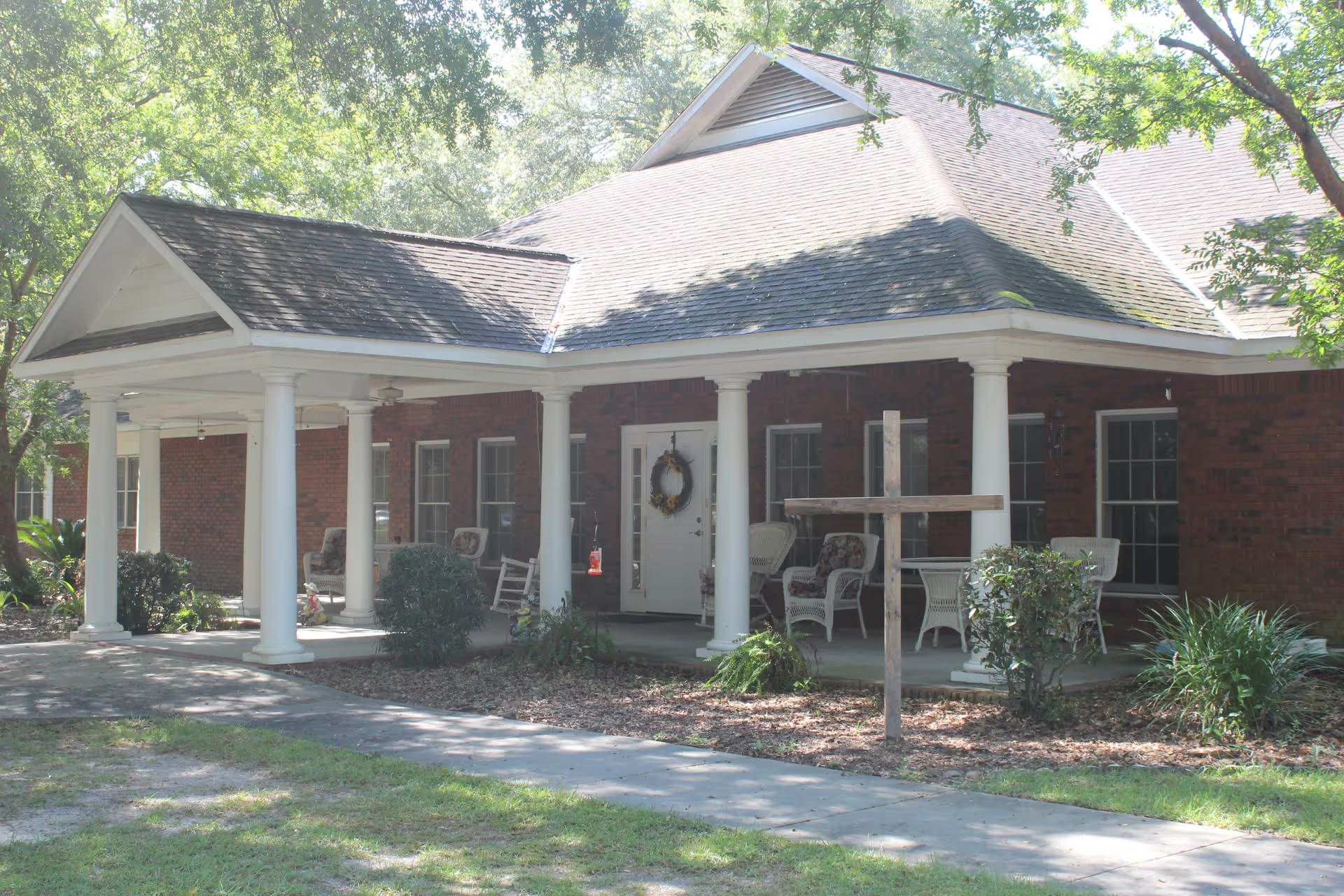
Facilities and operations: Physical plant features draw praise: clean rooms, private bathrooms, two courtyards, labeled hallways, and opportunities for personalization. Pet therapy and outdoor spaces are positive differentiators. At the same time, reviewers raised operational concerns that affect resident comfort and safety: HVAC and ventilation maintenance issues, odor concerns in some common areas, laundry management problems (missing or damaged garments), and inconsistent housekeeping in certain units. These are facility-level operational items that merit direct inquiry during a visit.
Notable patterns and recommendations for families: The most consistent pattern is variability—strong therapy outcomes and caring staff coexist with operational and clinical inconsistencies. Before deciding, families should: (1) tour multiple units and speak with nursing leadership about staffing levels and wound/skin-care protocols; (2) request recent therapy outcome metrics and examples of incident-response procedures; (3) ask about laundry handling and lost-item policies; (4) review the activity calendar and meal menus; and (5) confirm points of contact for billing and family communication. Doing so will help determine whether the facility’s strengths align with a particular resident’s needs and whether management has addressed the operational gaps raised in these reviews.