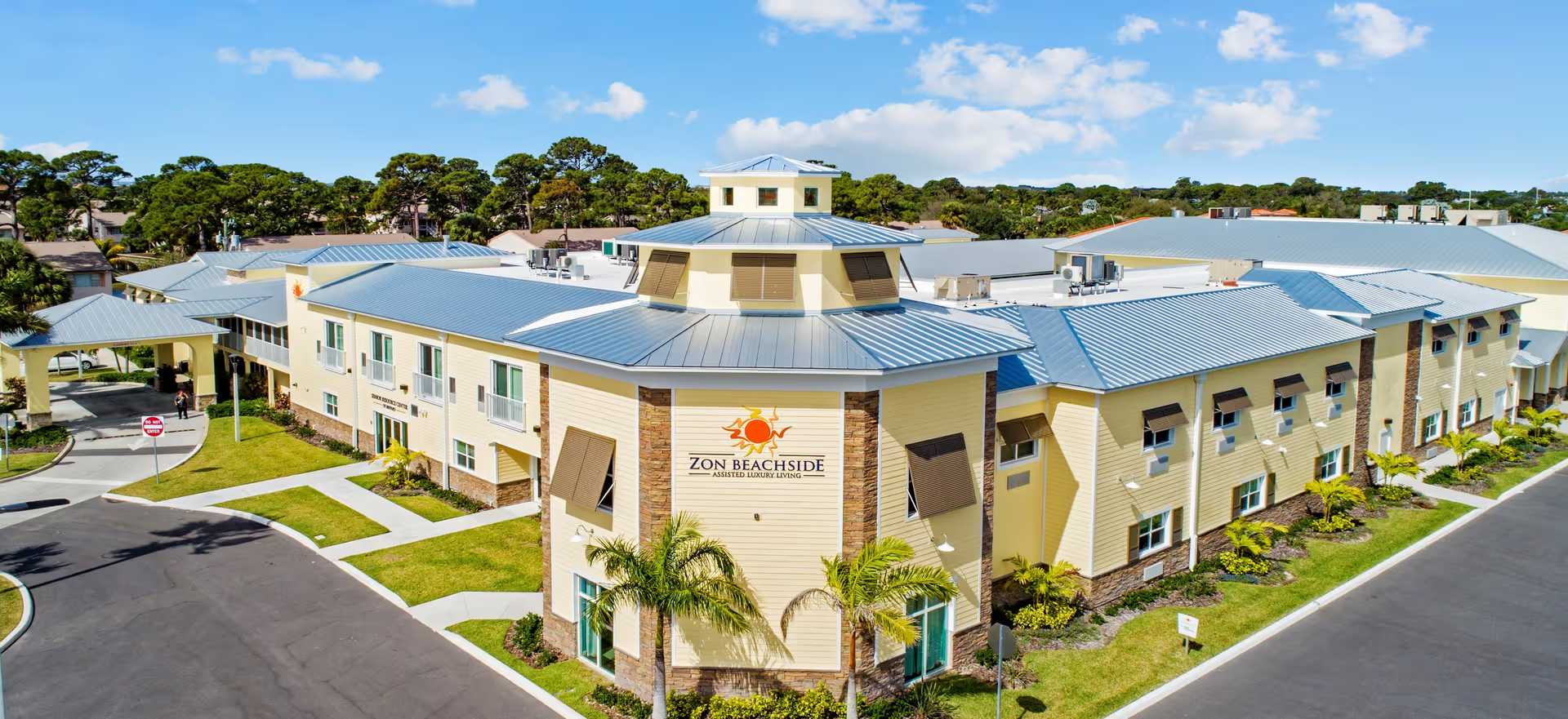
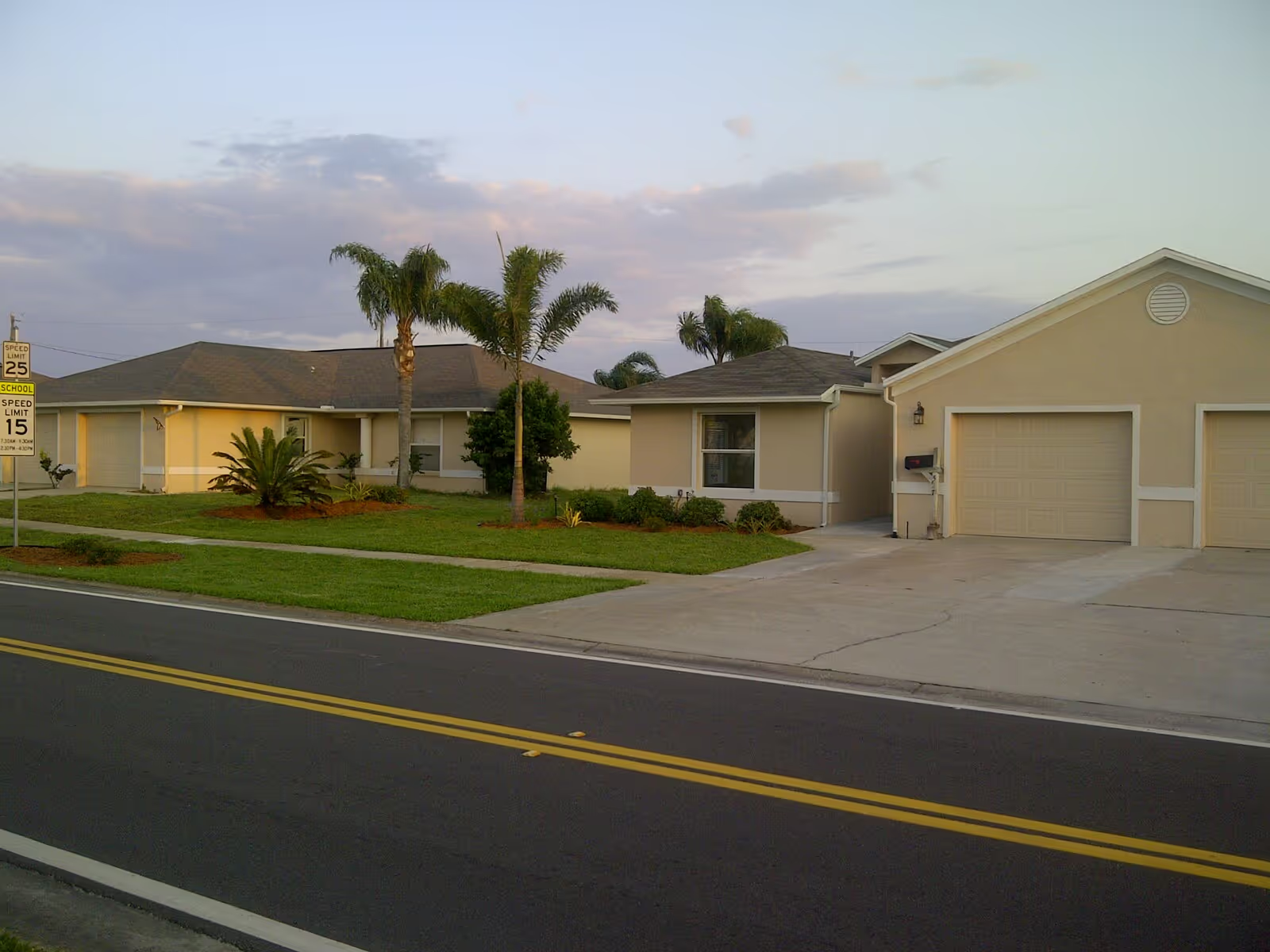
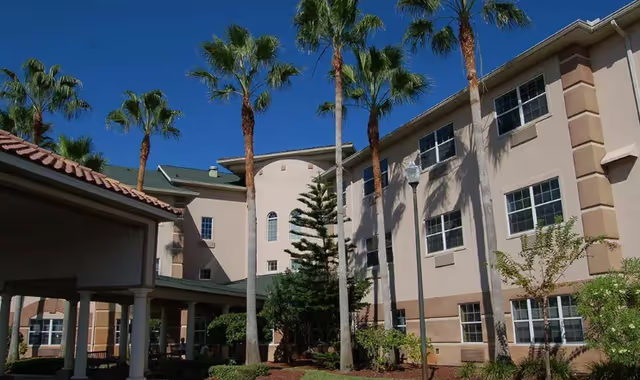
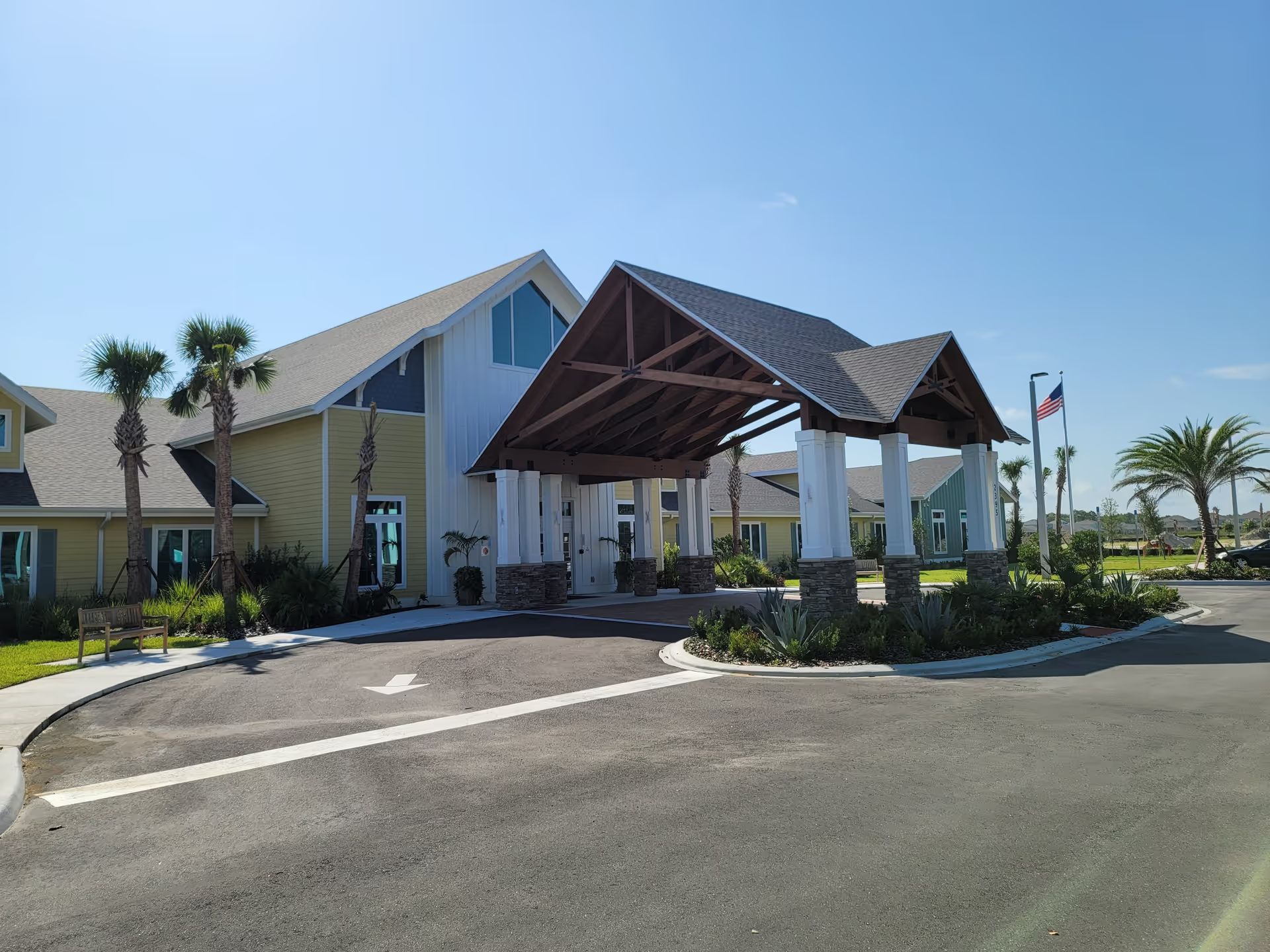
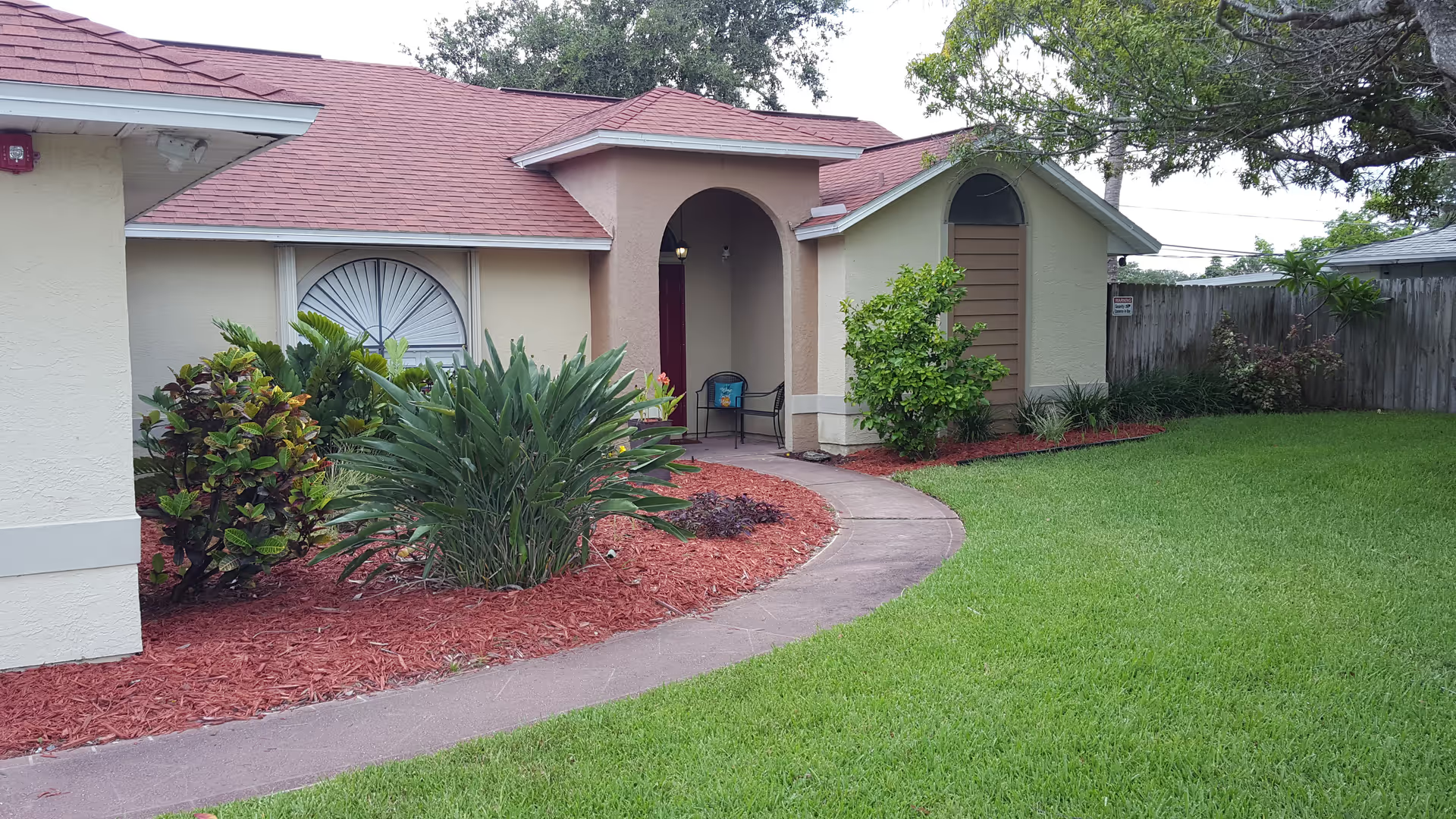
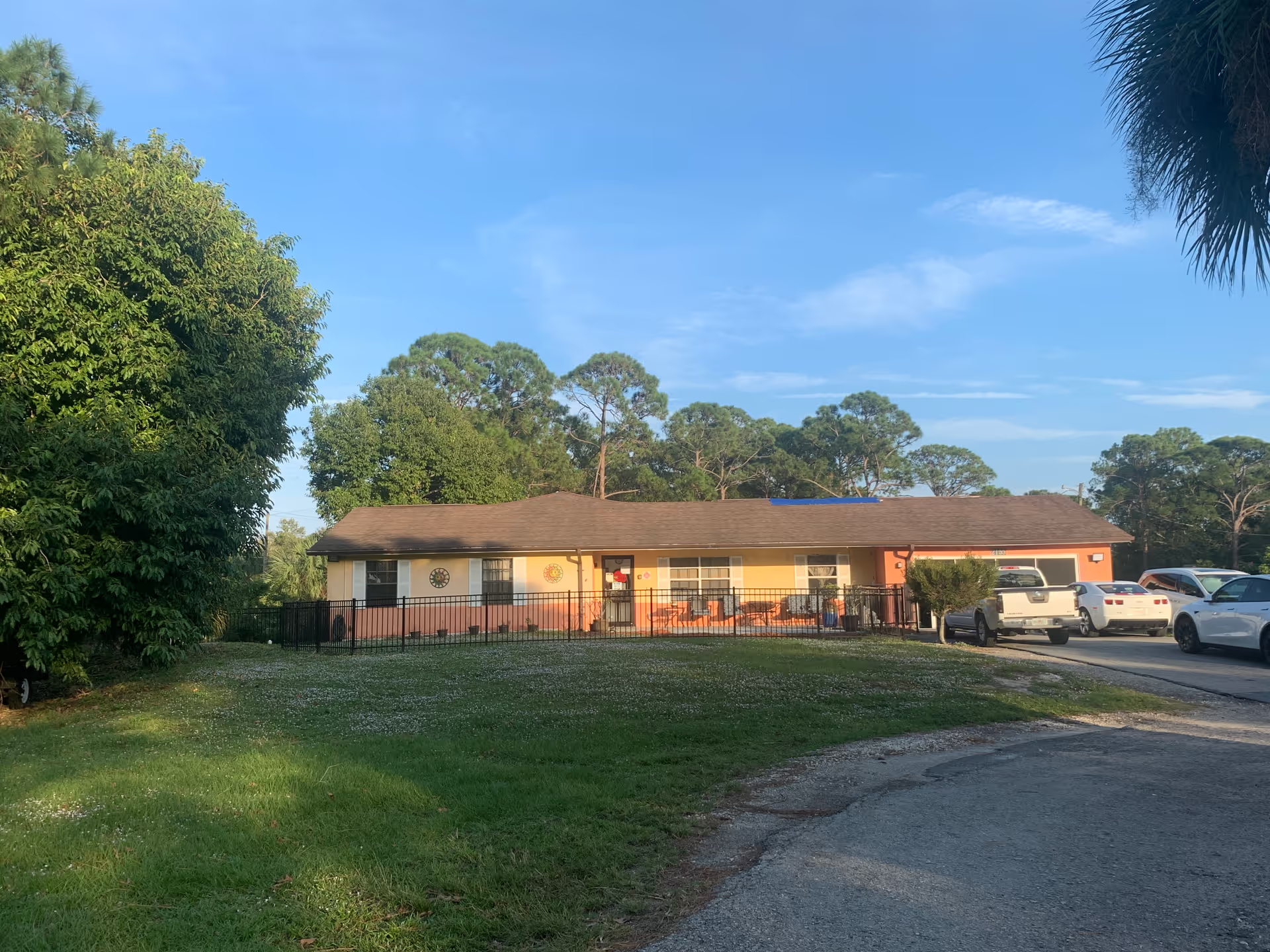
Greenwood Place presents as a well‑appointed assisted living community with a number of operational strengths and several recurring operational weaknesses. The facility is frequently described as clean, attractively renovated, and furnished with abundant common spaces — including large porches, lake and golf course views, a roomy dining room, and a variety of social areas. Unit types vary, with many residents noting large, well‑laid‑out one‑bedroom apartments; however, some unit types (studios or smaller rooms) have limited closet and storage space.
Care and staffing are an area of mixed but important emphasis. Many families and residents praise the caregiving teams as professional, compassionate, and personally engaged; leadership is often singled out for responsive communication and an open‑door approach. The community maintains an on‑site medical and therapy presence (physician, physical/occupational/speech therapy) and provides 24/7 assistance, medication administration, and rehabilitation services. At the same time, reviewers repeatedly described operational problems consistent with staffing shortages and turnover: variability in day‑to‑day caregiver availability, instances of delayed clinical response, and inconsistent personal‑care schedules. These patterns suggest uneven reliability in clinical follow‑through and overnight capability.
Dining and activities are prominent features. The dining room is commonly described as restaurant‑style and many reviewers praise the chef and special offerings such as Sunday brunch. The activity program is likewise a strength for numerous residents — with an energetic activities director, frequent events, social gatherings, off‑campus trips, and exercise programs. That said, accounts of inconsistent food quality and limited dietary accommodations (for example, difficulty obtaining gluten‑free meals) indicate variability in the culinary program and in individualized meal service.
Operational and administrative issues surfaced across reviews. Concerns include inconsistent medication control processes, billing and payment communication gaps, and limitations in transportation for larger mobility devices. Management continuity is mixed: some reviewers highlight highly engaged executive leadership, while others describe administrative turnover and unresolved billing or payment promises. The facility also lacks on‑site memory care and skilled nursing, which limits suitability for residents needing higher acuity services.
In evaluating Greenwood Place, prospective residents and families should weigh the facility’s clear strengths — attractive environment, active social life, on‑site therapy resources, and many staff who are praised for compassionate care — against the reported operational weaknesses: variability in staffing and clinical responsiveness, inconsistent meal quality and dietary accommodations, administrative communication and billing gaps, and limited transport accessibility for some mobility equipment. For individuals requiring dependable high‑acuity medical care, memory care, or guaranteed specialized diet management, these operational traits suggest the need for additional due diligence (direct questions about medication protocols, staffing ratios, emergency response processes, and written dietary accommodations) before making a placement decision.