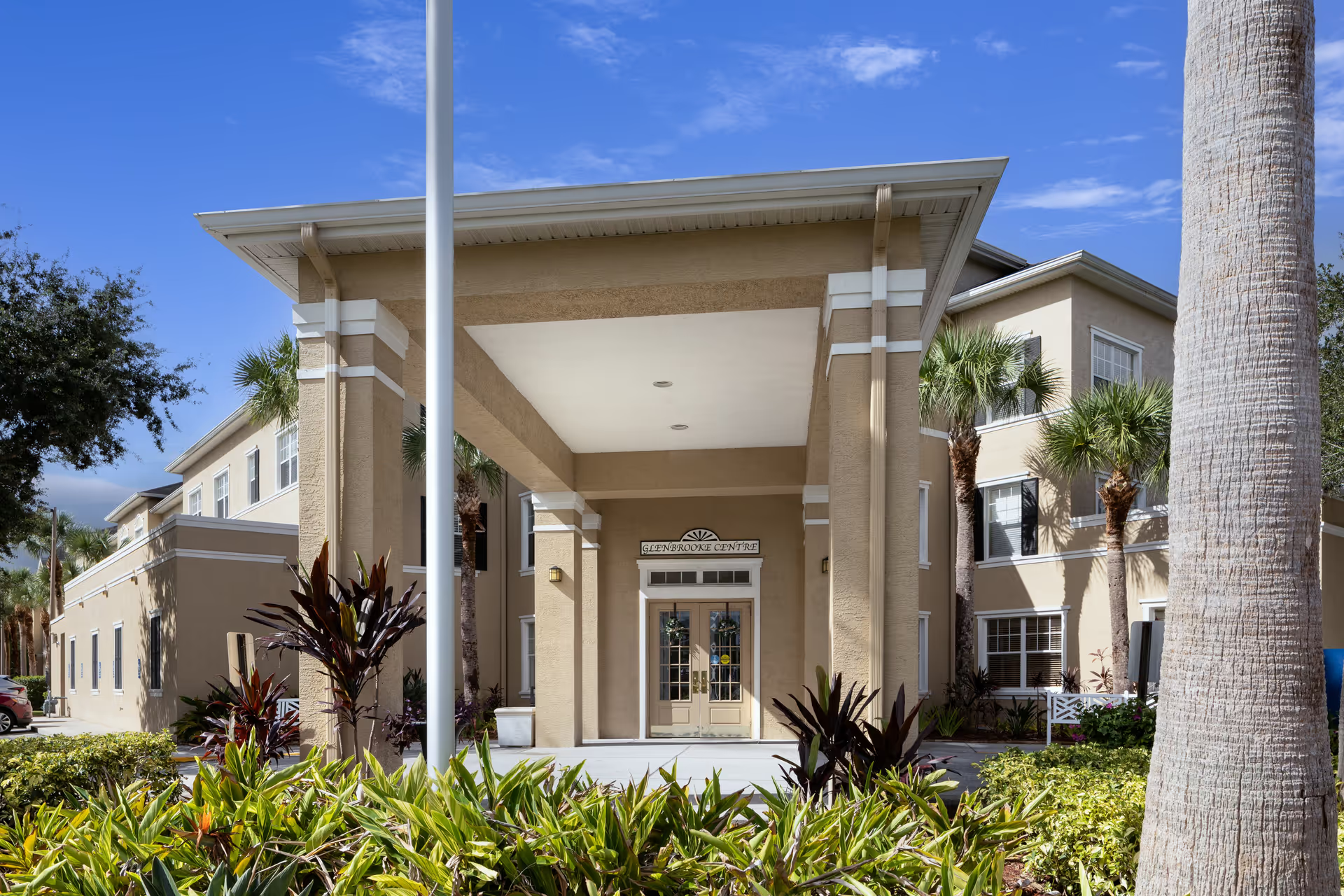
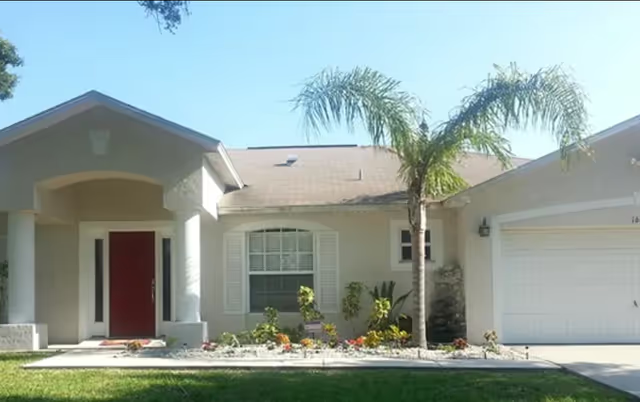
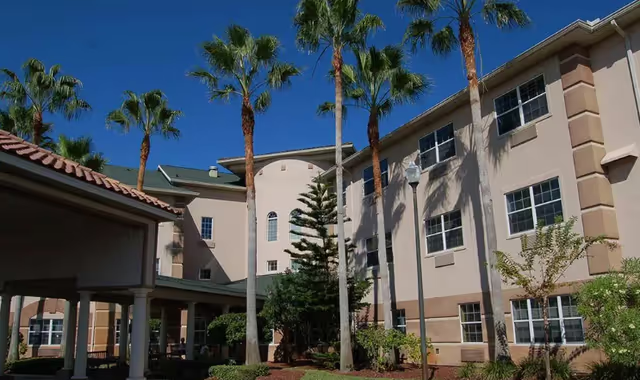
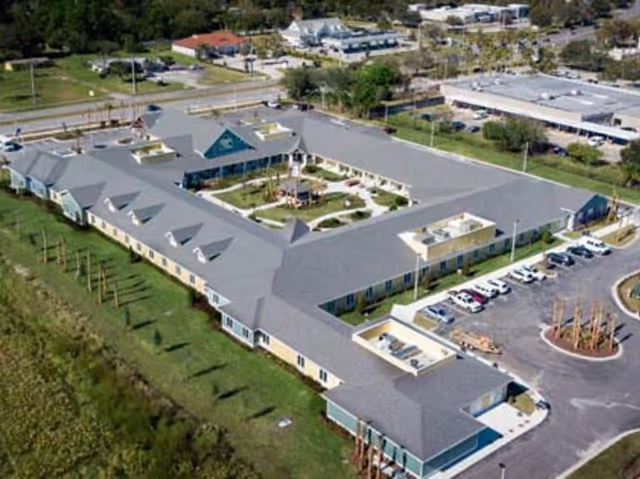
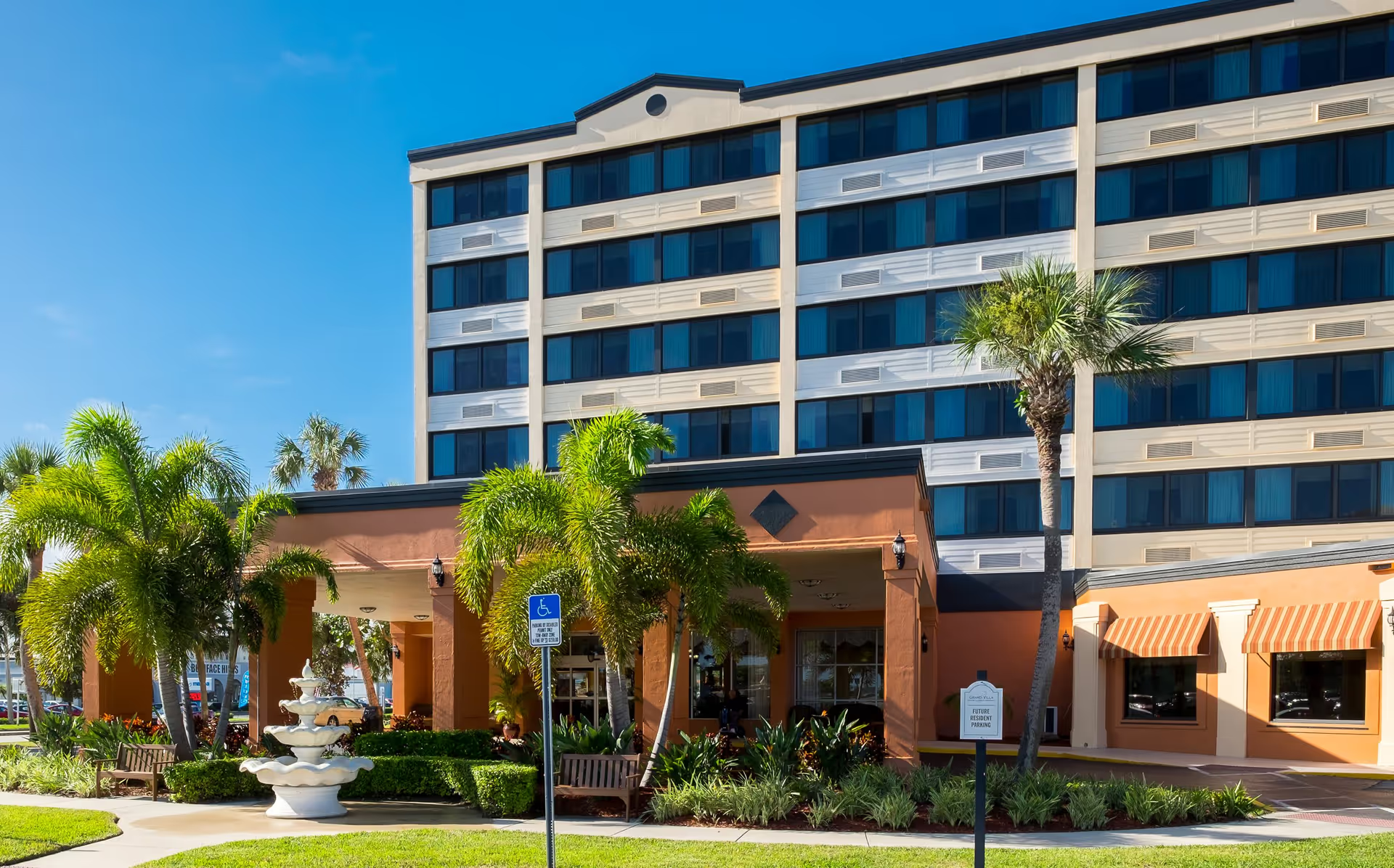
Overall impression: The Fountains of Melbourne presents as a well‑maintained, amenity‑rich senior living community with a strong emphasis on social programming and resident quality of life. Reviewers commonly highlight attractive grounds, modern communal spaces, and a range of on‑site amenities (swimming pool, fitness center, library, salon) that support an active lifestyle. Apartment layouts are frequently described as spacious and comfortable, with options that include kitchens, screened porches, and multiple floor plans that help residents personalize living spaces.
Staff and care quality: Staffing is a prominent strength in many accounts. Families and residents repeatedly describe caregiving staff, nursing personnel, and administration as compassionate, attentive, and long‑tenured; anecdotal praise includes individualized attention, strong onboarding and orientation for new residents, and nursing teams that discuss care plans. The community's emergency preparedness and pandemic response also receive commendation, with references to generator capacity and concentrated infection‑control efforts. At the same time, there are recurring operational concerns: reviewers indicate variability in staffing levels and occasional turnover, and some describe gaps in clinical follow‑up and medication‑management practices. These comments suggest generally strong day‑to‑day caregiving with episodic inconsistencies in clinical coordination.
Dining and food service: Dining is a defining feature of the community experience. Many reviewers praise restaurant‑style dining rooms, scratch‑made offerings (including a noted pastry program), themed meals, and flexible menu choices. Breakfast is often singled out as particularly strong. However, dining consistency is uneven: several accounts cite slower service at lunch and dinner, limited meal hours for independent living (two meals a day in some plans), and occasional variability in food quality. These patterns point to an overall robust culinary program with room for operational improvements in service timing and menu consistency across all living levels.
Activities and social life: Activity programming is uniformly cited as a major asset. The calendar is described as busy and varied — fitness classes, arts and crafts, virtual and physical bowling, card games, book clubs, outings to museums/theaters, and themed social events — contributing to a lively, “cruise‑like” atmosphere that many residents and families appreciate. Staff involved in activities are characterized as energetic and resident‑focused, and the community supports both casual socialization and organized enrichment that facilitate friendships and engagement.
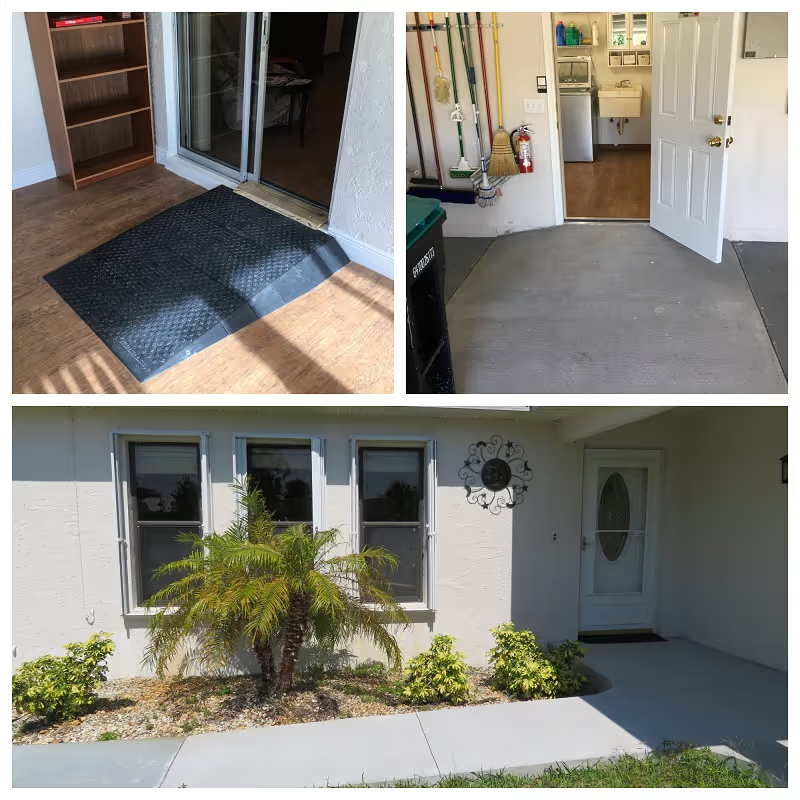
Facilities and logistics: The physical plant earns high marks for cleanliness, upkeep, and aesthetic presentation. Outdoor areas, courtyards, and screened porches are well regarded. Some operational tradeoffs are noted: a number of reviewers mention centralized per‑floor laundry rather than in‑unit machines, parking that can be distant from main entrances, and occasional accessibility limitations in older units. Memory care services appear limited; reviewers advise that the community may be less suitable for residents with advanced wandering or memory‑impairment needs.
Management and value: Management receives mixed but generally positive commentary for responsiveness, orientation programs, and handling of large‑scale events (for example, hurricane staffing and COVID mitigation). Praise for staff communication coexists with concerns about administrative tone, billing transparency, and periodic reductions in services tied to cost. Cost is a consistent theme — many find the facility pricier than alternatives, and some express concerns about value and fee increases. Prospective residents and families should weigh the community’s high level of amenities and programming against cost and assess clinical needs (especially memory care) and parking/accessibility requirements when making decisions.
Bottom line: The Fountains of Melbourne is frequently characterized as a high‑quality, activity‑focused community with dedicated staff and strong communal amenities. It is well suited to independent and assisted‑living residents who prioritize social engagement, dining experiences, and a well‑maintained environment. Prospective residents with advanced memory‑care needs, limited budgets, or specific accessibility requirements should clarify service limits, dining schedules, clinical follow‑up processes, and parking logistics during the tour process to ensure the community matches their operational needs and expectations.