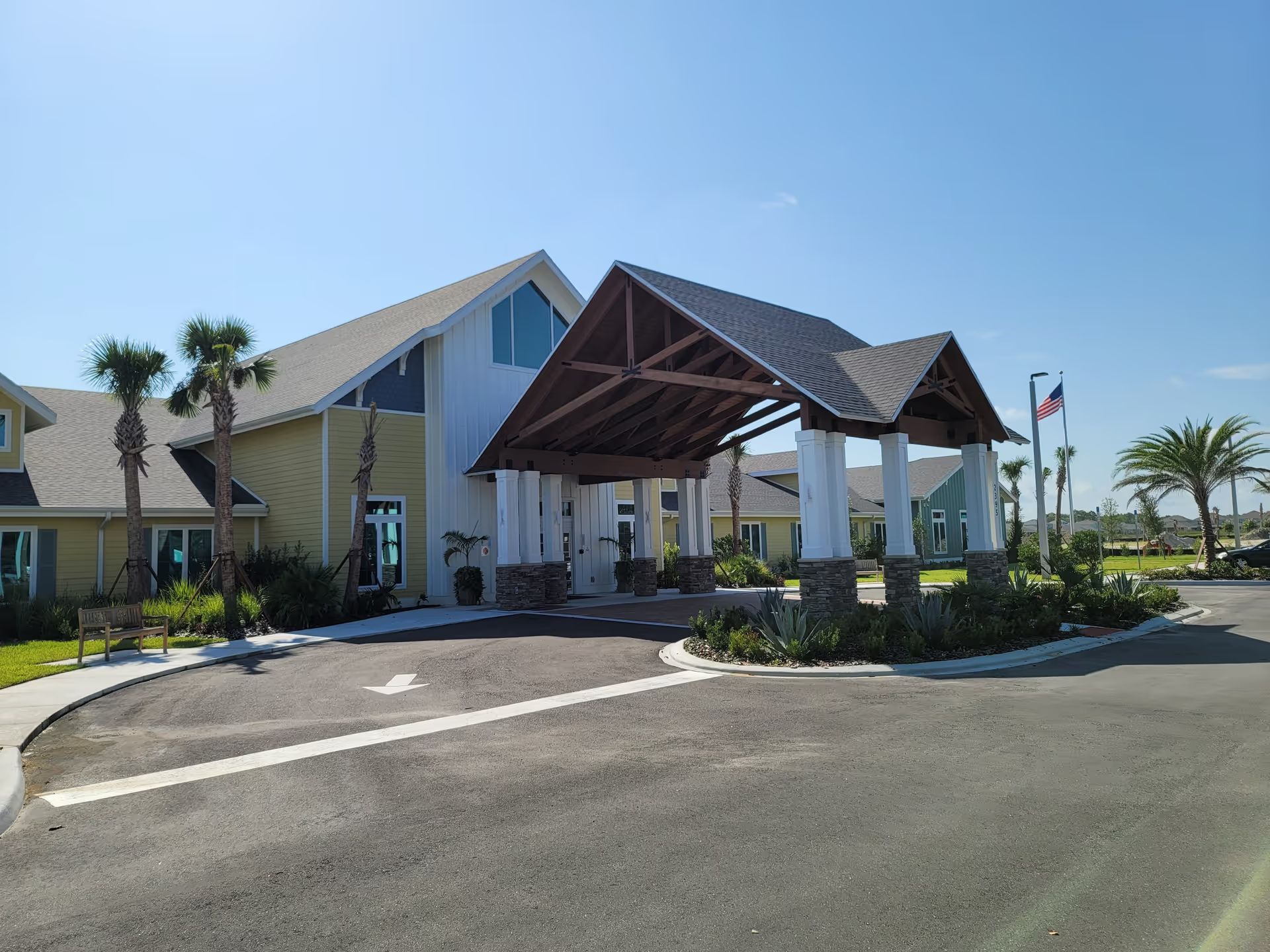
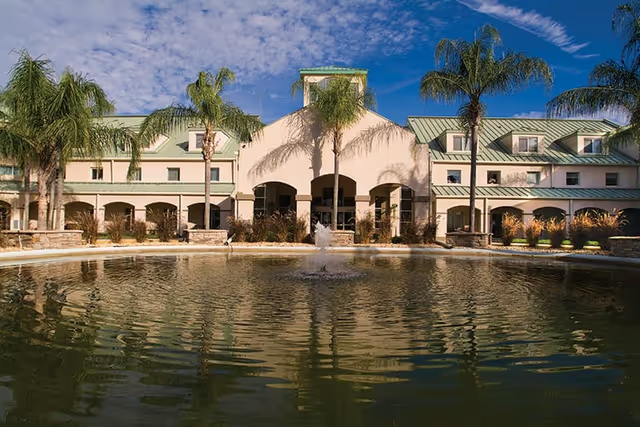
Victoria Landing presents a mixed but clear profile: many residents and families praise the campus for its premium riverfront location, resort-like common areas, and strong social programming. The facility’s physical attributes are consistently highlighted — attractive renovated interiors, a large heated pool with river views, spacious public gathering spaces, a library, salon and therapy services, and apartment-style units with balconies and small kitchenettes. Dining is a notable strength for many reviewers: restaurant-style service, a creative chef, generous portions and cooking demonstrations contribute to a lively dining atmosphere and a sense of hotel-like hospitality.
Activity programming and community life are repeatedly described as robust. Reviewers cite an active calendar (choir, bingo, games, local outings, and social events), structured dining tables intended to promote mingling, and transportation for appointments and excursions. These elements create a socially engaging environment many families find welcoming and supportive of independence. Housekeeping and groundskeeping are generally viewed positively; the property is often described as clean and well maintained.
Reports about clinical care and operations are more mixed. While a substantial number of families and residents commend compassionate CNAs, med techs, and front-line staff — and some single out nursing leadership and admission staff for positive interactions — other families describe operational failures that affect clinical safety and continuity. The recurring operational themes are inconsistent nursing quality, medication-management and documentation weaknesses, slow response times to call buttons, and periods of staffing instability including reliance on agency nurses. A number of families raised serious concerns about care delays and medication errors; some characterized these as allegations that warrant further scrutiny. There are also reports linking infection-control and clinical-monitoring gaps to hospital transfers in specific instances.
Management and communication practices show variability across reviewers. Some families find the administration responsive, helpful with billing and transition issues, and willing to implement improvements; others describe unresponsive leadership, inconsistent follow-up on concerns, and interpersonal tensions among staff and management. Several reviews mention improvements following leadership changes, suggesting the situation may be dynamic. Prospective residents should ask about current nursing leadership, staff turnover rates, agency-staff use, and the facility’s processes for medication control and incident reporting.
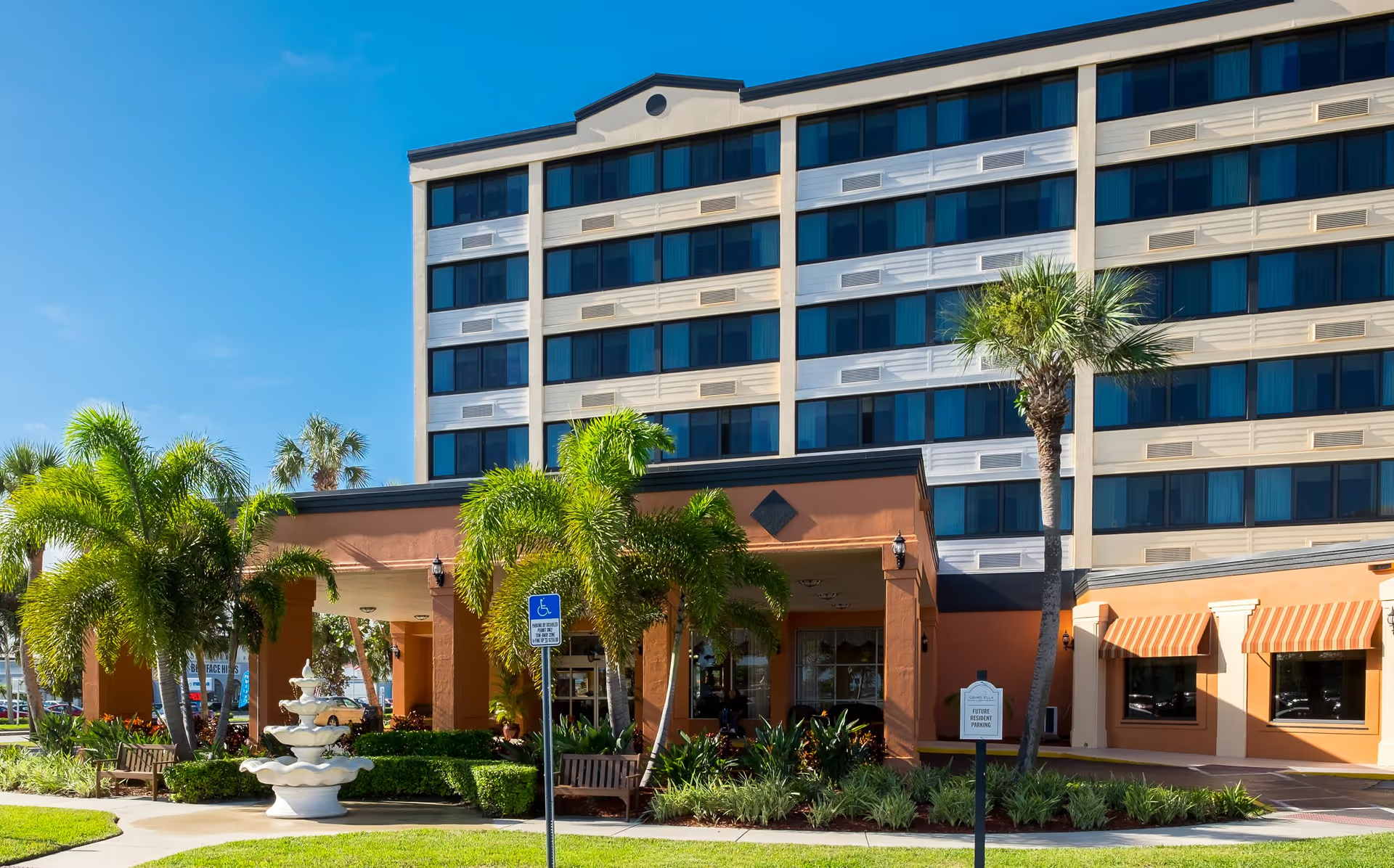
Practical considerations emerge repeatedly: private-unit sizes and closet/storage can be smaller than expected for the price point; the community is positioned at a premium cost that may pose affordability barriers for some; and the building’s height combined with limited elevator capacity can be an inconvenience. There are also operational features some families find restrictive, such as building-access hours at night and questions about monitoring in higher-dependency units.
In summary, Victoria Landing offers strong amenities, an engaging activities program, appealing dining, and an attractive riverside setting that many residents and families find very satisfying. However, the facility also shows patterns of operational risk in clinical care and staffing stability that merit careful inquiry. For prospective residents and families: during a tour, observe care workflows, ask for current staffing ratios and turnover statistics, review medication-management and emergency-response protocols, sample a meal, and speak with current residents and families about recent changes in leadership and clinical quality.