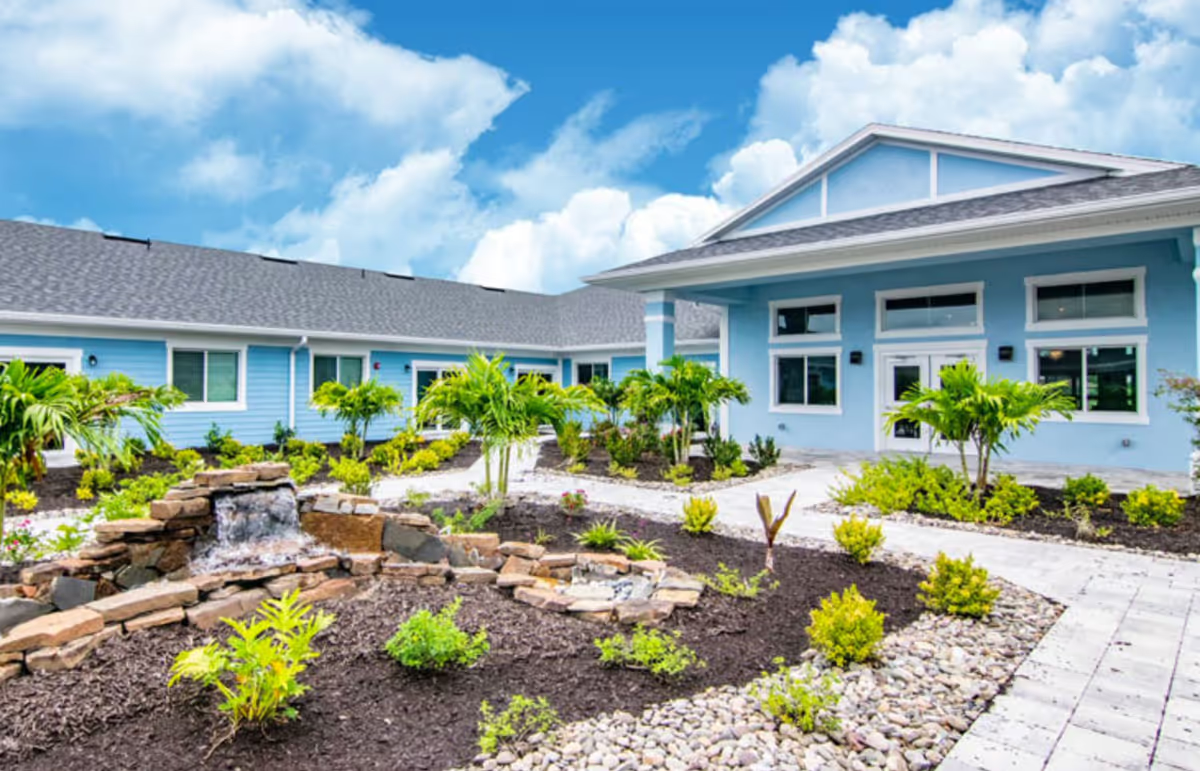
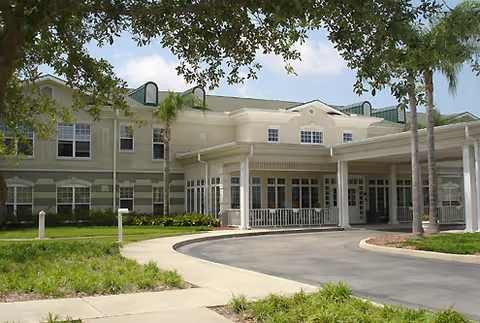
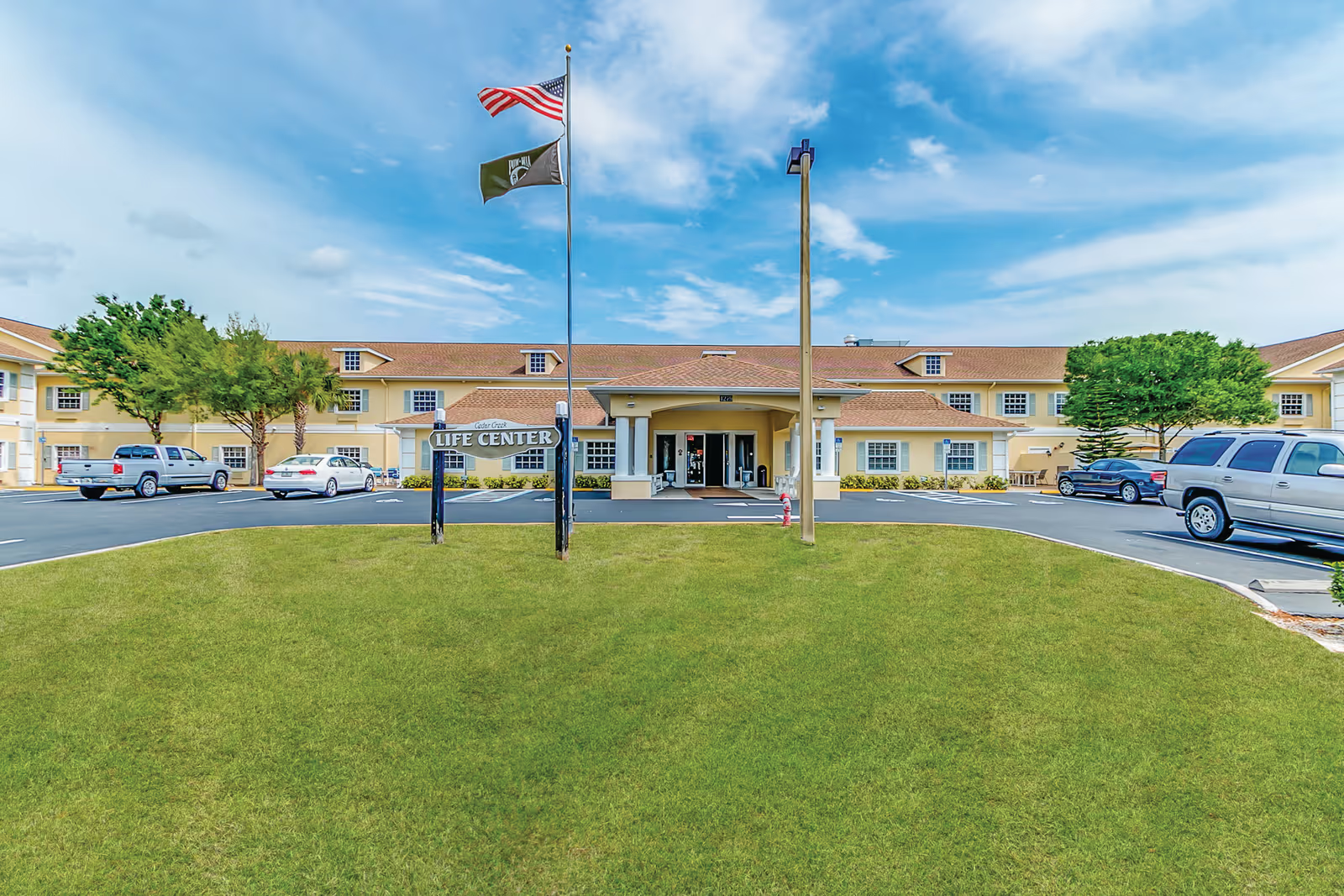
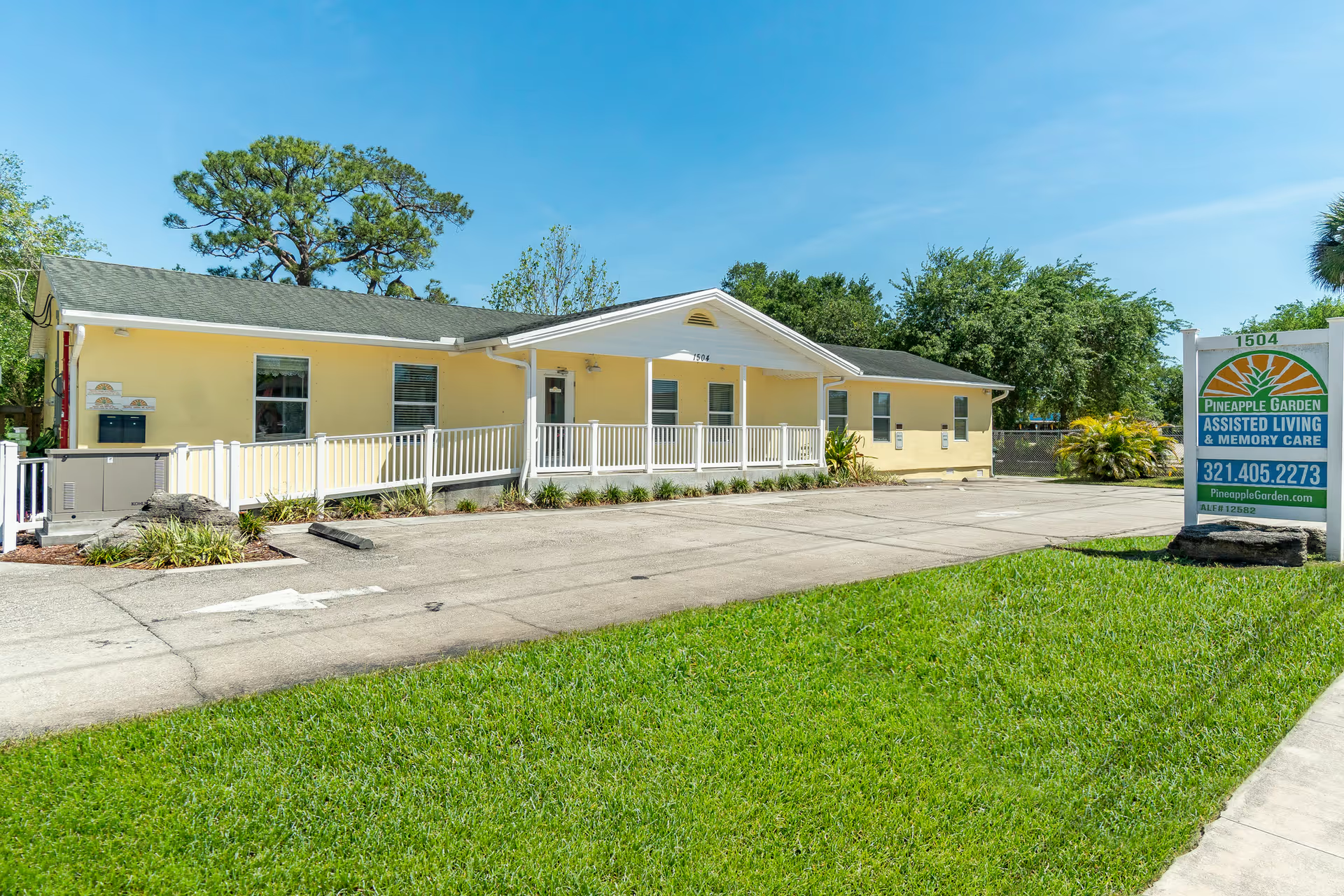
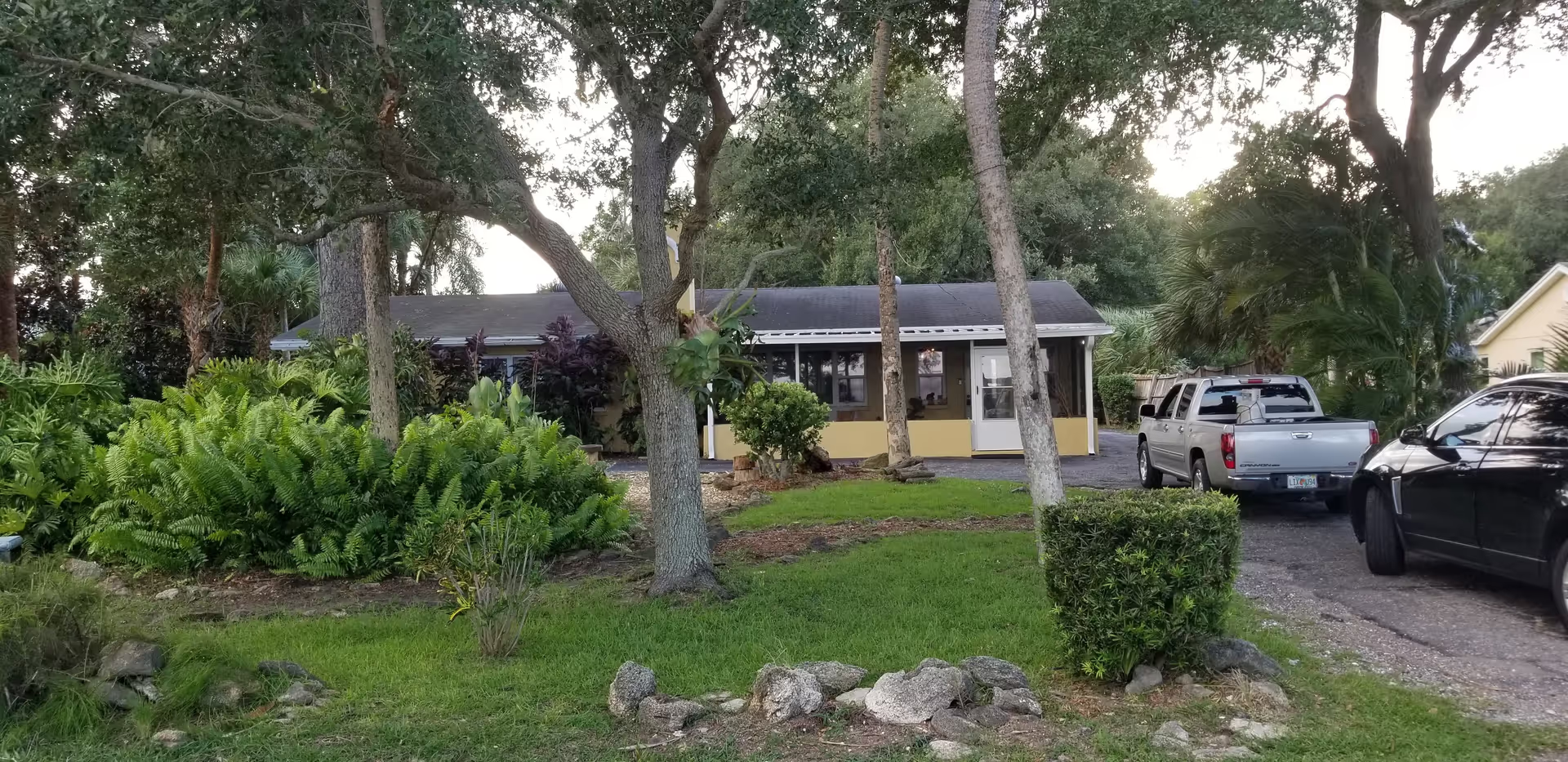
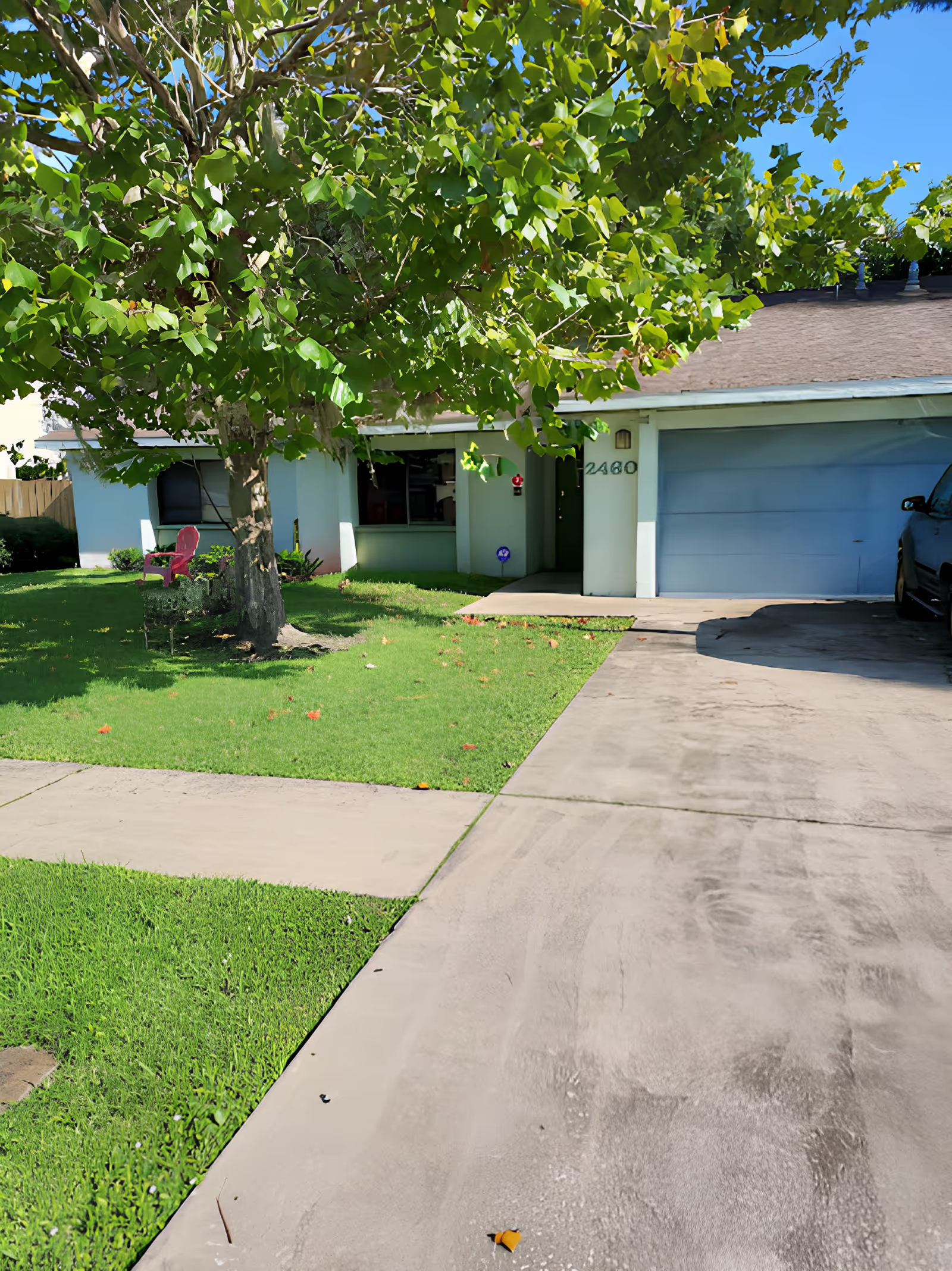
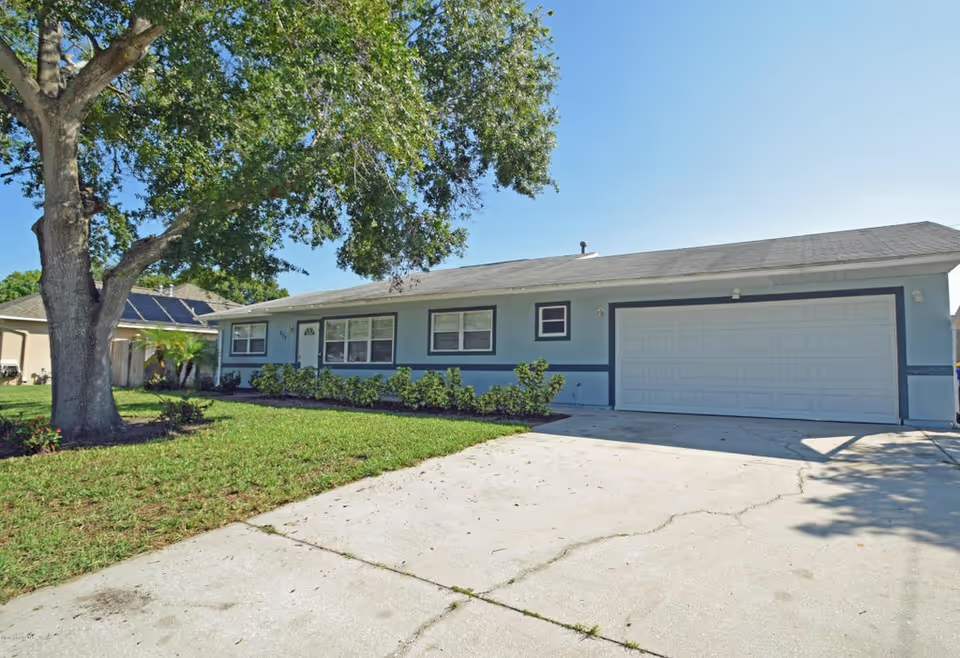
Across the collected summaries Farrington House projects the character of a small, residential assisted living home with an emphasis on personalized, family-style care. Reviewers consistently describe a warm, home-like environment, a high staff-to-resident ratio, and owners and staff who are personally engaged with residents. Cleanliness, recent home improvements and attractive décor (including seaside accents) are recurring strengths that contribute to a comfortable setting for short-term respite stays and longer residential placements.
Care quality and staffing are central positives in the material: staff are described as attentive, cheerful yet professional, and willing to learn and accommodate individual preferences. Families frequently mention clear, ongoing communication about care and a resident-centered orientation where personal choice is respected. The ownership team is portrayed as hands-on and invested in residents’ wellbeing, and the facility has documented safety measures and protocols that reviewers connected with a sense of security during pandemic conditions.
Dining and programming are also highlighted. Meals are characterized as home-cooked and nutritious, and the activity program includes themed parties, music, walks, and social interactions that help residents remain engaged. The facility’s small-group format and outdoor spaces (courtyard and grounds) support regular socialization and out-of-room activities; several accounts describe smooth transitions into assisted living and positive respite stays.
Facilities and management receive broadly favorable comments: the home is described as well maintained, immaculately clean, and enhanced with personal touches that create an inviting atmosphere. At the same time, one negative account raises a contrasting view of care quality under a recent ownership change. While most feedback emphasizes strong management and attentive owners, that dissent indicates there can be service variability associated with transitions in leadership or staffing.
Notable patterns for prospective families: overall impressions are strongly positive regarding the social environment, individualized attention, and cleanliness. The primary operational concerns to investigate further are variability in care consistency, the potential for service disruption during management transitions, and perceptions of value relative to cost. Visitors should observe staff–resident interactions, ask about current staffing ratios and clinical oversight, review recent quality or change-of-ownership documentation, and confirm contract terms and communication practices before making a placement decision.