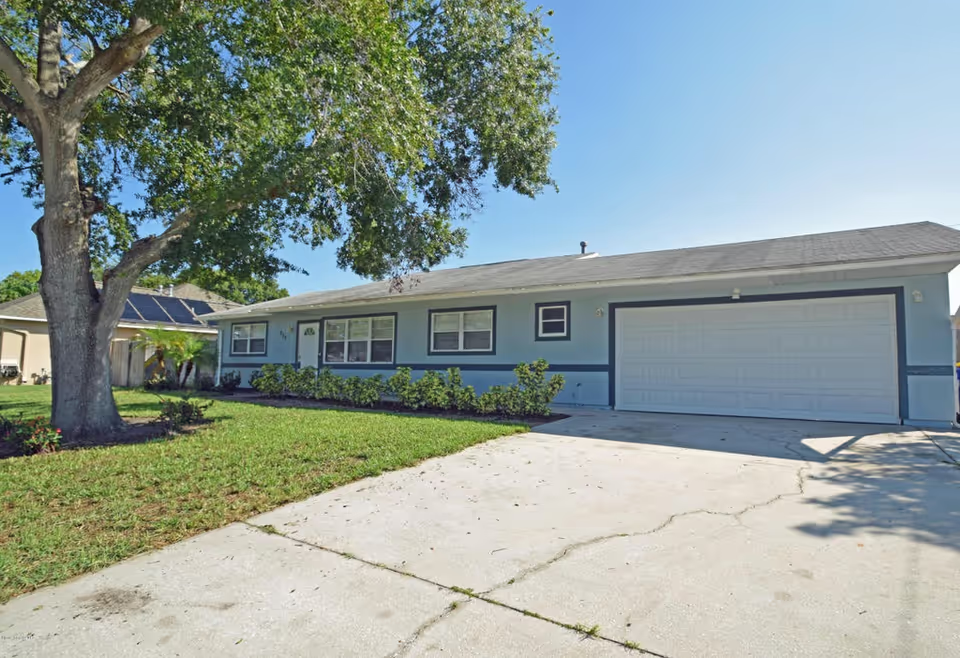
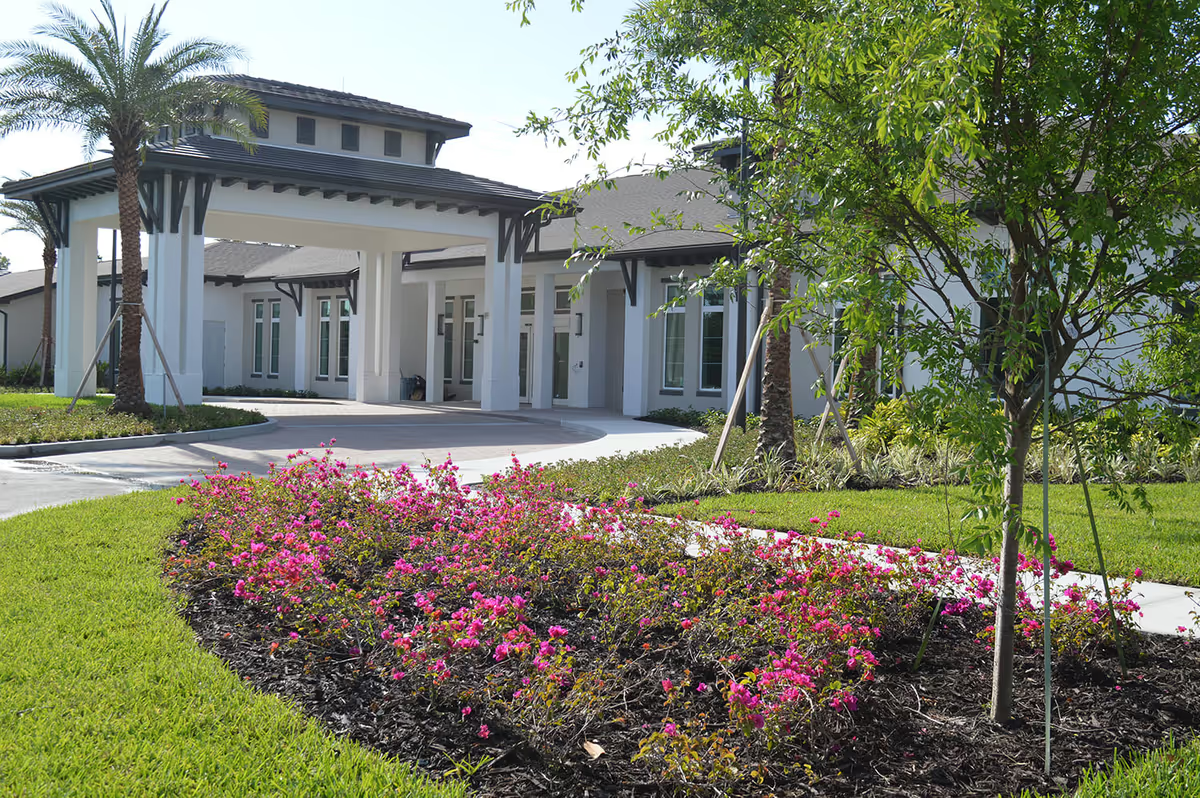
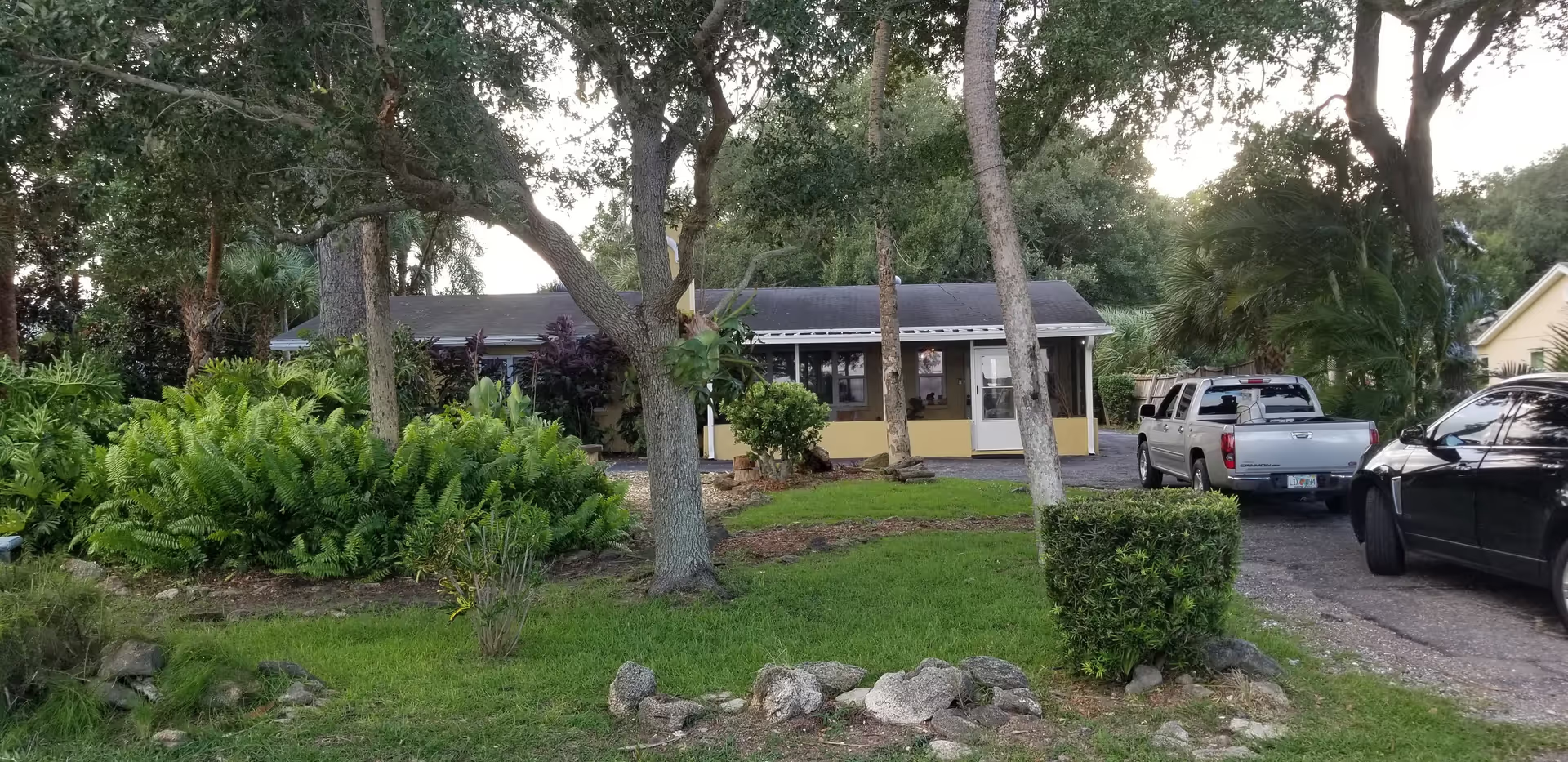
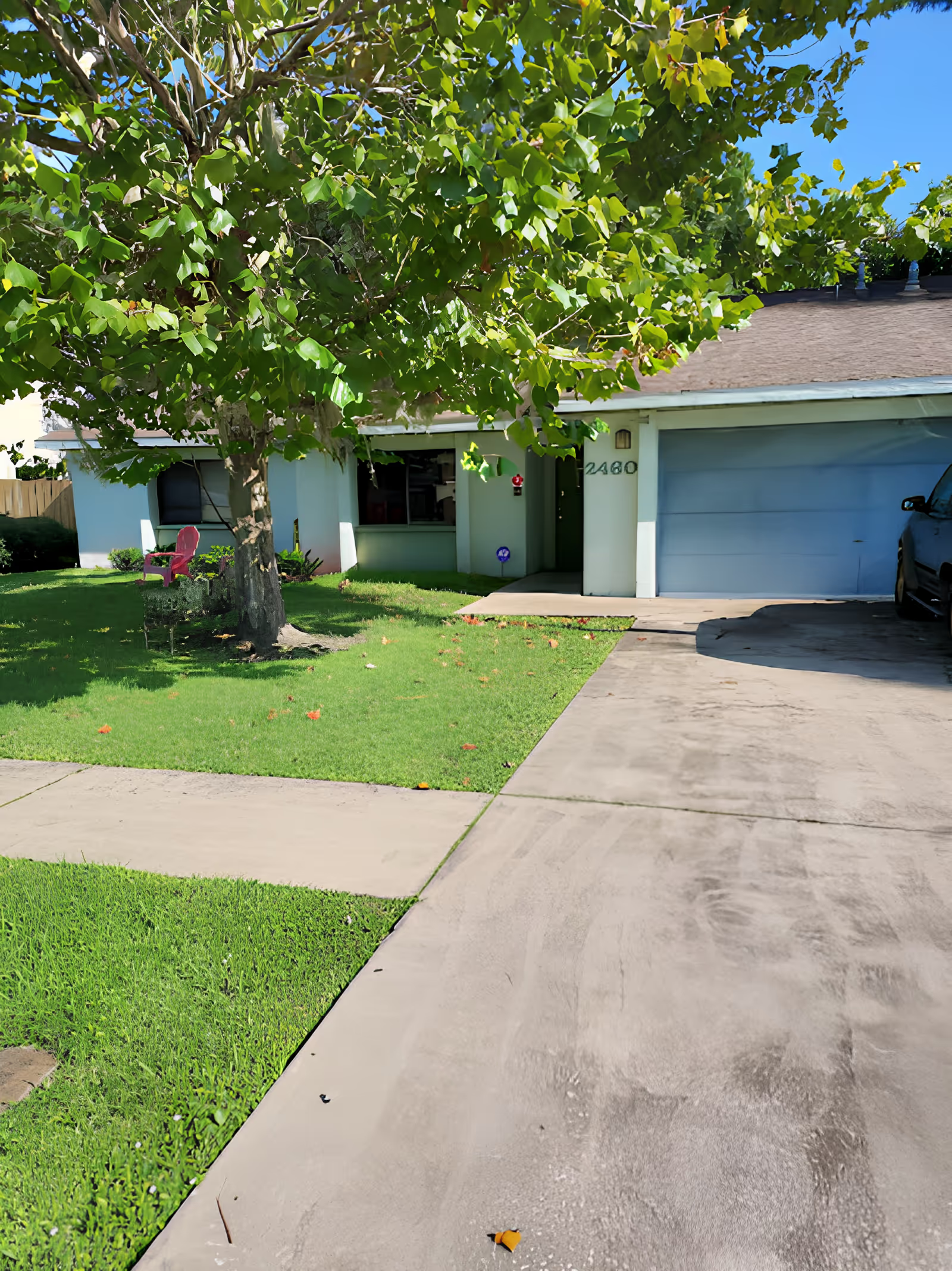
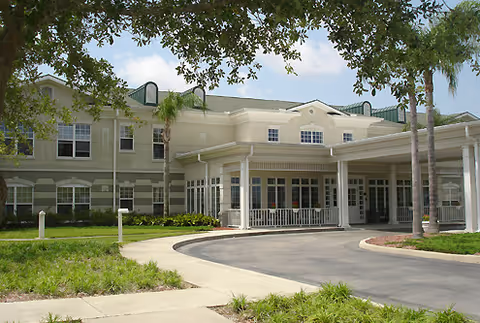
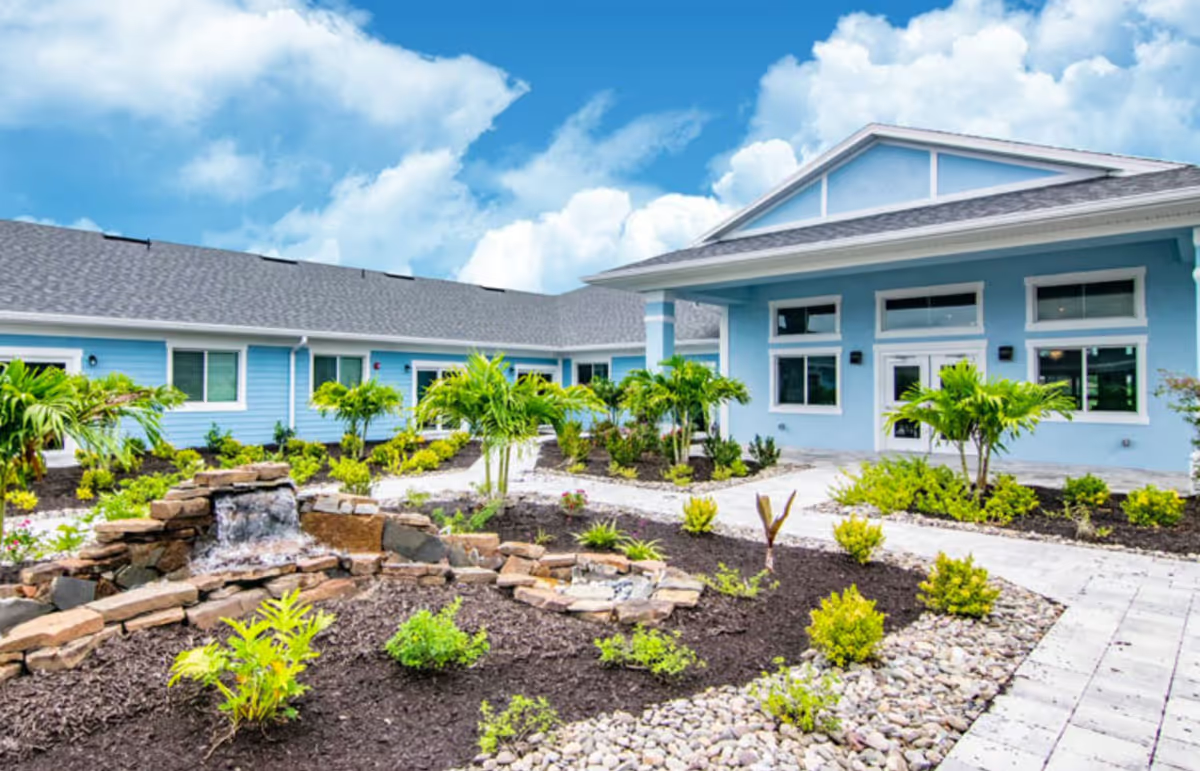
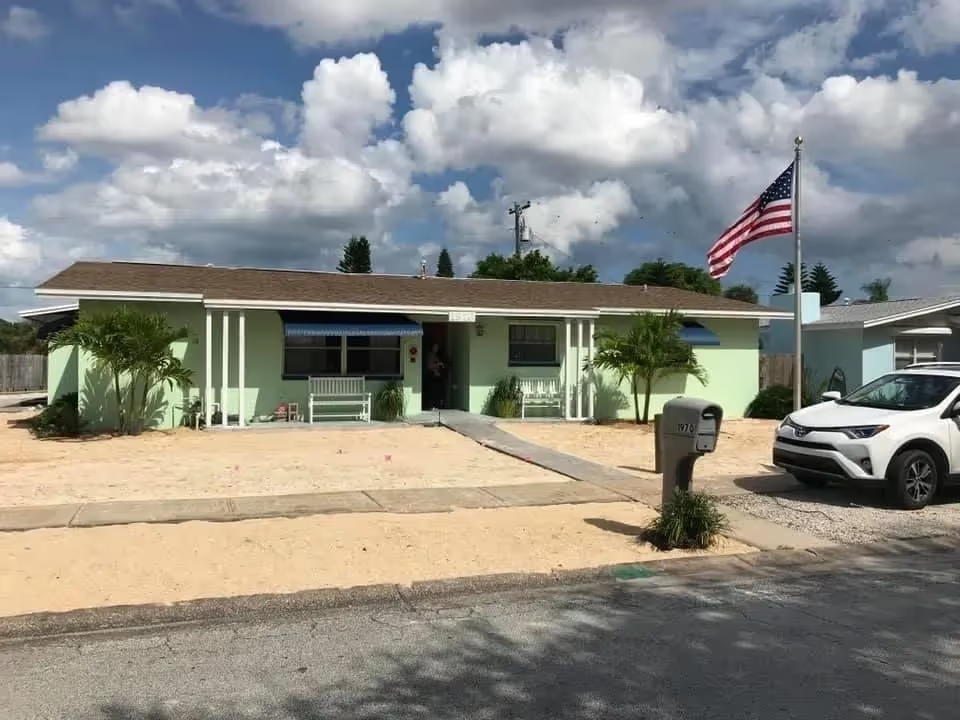
Pineapple Garden Assisted Living is consistently described as a small, family-run assisted living community with a home-like atmosphere and a high degree of personalized attention. Reviewers emphasize compassionate, attentive caregiving and a culture of dignity and respect; residents are described as being engaged in social activity and treated like family. The facility’s scale and layout—private furnished rooms, an open family room, bright common areas, and an outdoor courtyard and backyard—support a residential style of care rather than an institutional model.
Care quality and staffing are central strengths in the reviews. Owners and managers are frequently identified by name and portrayed as hands-on and accessible, with professional administrative and clinical staff in place to coordinate care. Families report clear, regular communication and prompt responses when needs arise. The community also coordinates with primary-care providers and hospice services when appropriate, which reviewers noted in the context of end-of-life planning and symptom management. Assistance with activities of daily living, including help with feeding and toileting, is provided and described as delivered with respect and attentiveness.
Dining and activities are presented as resident-focused and sociable. Meals are described as fresh and prepared daily, with special events such as pizza nights and regular music programming noted as recurring features. On-site activities include live music, social gatherings, and outdoor opportunities—walking paths, seating areas, a putting green, and animal visits—that create multiple low-intensity engagement options appropriate for assisted living residents. Reviewers also highlighted occasional organized visits and family-oriented events that foster community connections.
The physical environment is consistently characterized as clean, bright, and well maintained. Outdoor spaces are used actively for resident recreation and relaxation, and common rooms are described as inviting and suitable for visiting family members. The small scale supports privacy and a quieter atmosphere, and several families cited feeling reassured by the facility’s safety and security practices.
Notable patterns and limitations to consider: the small, family-operated model appears to be an intentional strength but also implies operational constraints. Limited bed capacity can affect availability and create wait-list situations; families seeking placement should verify occupancy and admission timelines. The community’s clinical scope is appropriate for assisted living-level needs and coordination with outside clinicians, but it may not provide the same range of on-site specialized medical, rehabilitation, or intensive memory-care services available at larger facilities. Because owners are closely involved in day-to-day operations, prospective residents and families should clarify backup supervisory arrangements and administrative processes in the event of changes in leadership or staffing.
Overall, Pineapple Garden presents as a well-regarded option for people seeking a small, personable assisted living setting with strong family-style caregiving, active social programming, and well-kept indoor and outdoor spaces. Prospective families should balance those qualities against the facility’s scale and service scope when considering residents with higher medical or rehabilitative needs.