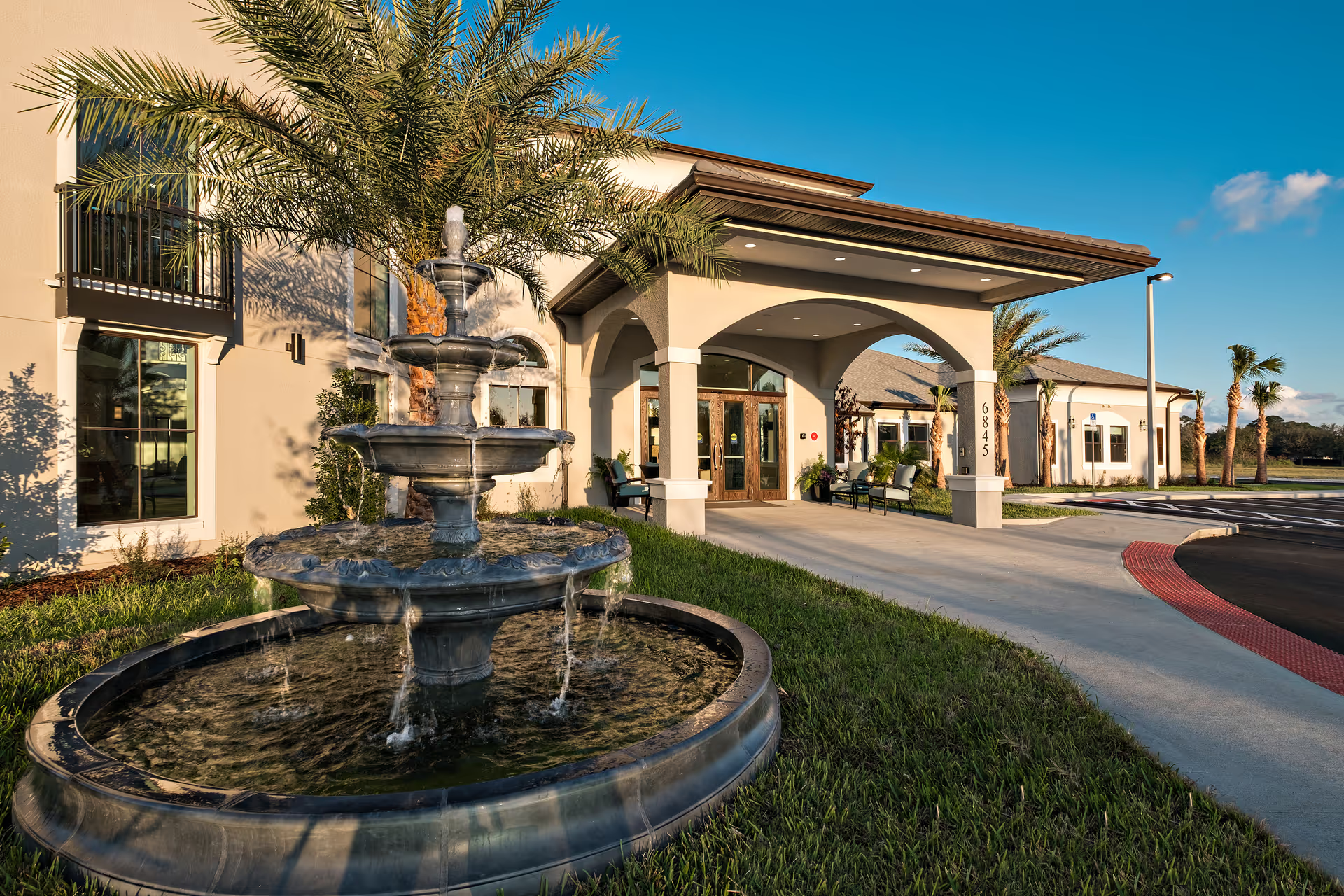
Alura Senior Living is described repeatedly as a new, upscale community with a resort-like aesthetic and a broad set of built-environment strengths. Reviews emphasize bright, modern interiors, well-maintained common spaces, multiple courtyards (including gardening plots and water features), and many hotel-style amenities such as a movie theater, salon, bar/coffee areas, gym and on-site physical therapy. Many families and visitors find the facility design, layout and outdoor spaces conducive to socializing and daily life.
Care and staffing receive mixed but substantive attention. A strong theme is praise for direct-care employees, nursing staff, and therapy teams; several reviewers highlight prompt emergency response, hands-on nursing, and particular memory-care leadership as clear organizational strengths. At the same time, operational patterns point to inconsistent staffing levels and elevated turnover among aides, which reviewers associate with variable day-to-day care consistency. Several accounts raise concerns about medication-administration practices and family communication around clinical changes; these suggest that clinical coordination and handoffs are areas that require monitoring and potential improvement.
Dining and programming are other prominent features. Many reviewers compliment the dining rooms, presentation and the availability of multiple entrée options, as well as social dining flexibility (no assigned seating, ability to eat on one’s schedule). Activity programming—live music, crafts, social hours, and themed events—is frequently cited as robust and creative. However, food quality and menu variety appear variable across reports, with some noting overly salty dishes, limited special-diet accommodations, or inconsistency in taste and offerings. Activity delivery also shows unevenness: while a visible group of residents participates regularly, some residents and families describe a lack of proactive engagement for individuals who are less social or more isolated.
Operational and management patterns reflect a community in active development. Multiple reviews portray visible, engaged leadership and an organizational commitment to improvement; owners and directors are frequently named and praised for addressing issues. Concurrently, reviewers describe administrative disorganization at times—examples include delays in communication, problems with move-in logistics, issues with deposits/refunds requiring follow-up, and transportation limitations. Cleanliness at the unit level is another recurring concern: while the facility overall is described as clean and well-maintained, a subset of experiences point to room-level sanitation issues that management should address through standardized housekeeping protocols.
Notable risk signals include the combination of staffing variability, isolated clinical coordination concerns, and a small number of more serious allegations involving staff conduct and security processes. Those items appear less common than the positive observations but are significant enough to recommend specific due diligence. Cost and affordability are also important practical considerations; the price point is frequently described as high relative to some alternatives, and families should evaluate payment, insurance compatibility and refund policies closely.
For prospective residents and families considering Alura, useful follow-up questions would include: current staffing ratios by shift and memory-care unit, medication administration policies and family-notification procedures, housekeeping schedules and sanitation checklists, special-diet accommodations and menu-sampling, transportation options, and written details on deposits/refunds and trial periods. Overall, Alura presents as a modern, amenity-rich community with many strong caregiving and therapeutic resources, but prospective families should confirm operational consistency and clinical communication practices to ensure the community’s day-to-day delivery matches the facility’s evident design and leadership strengths.