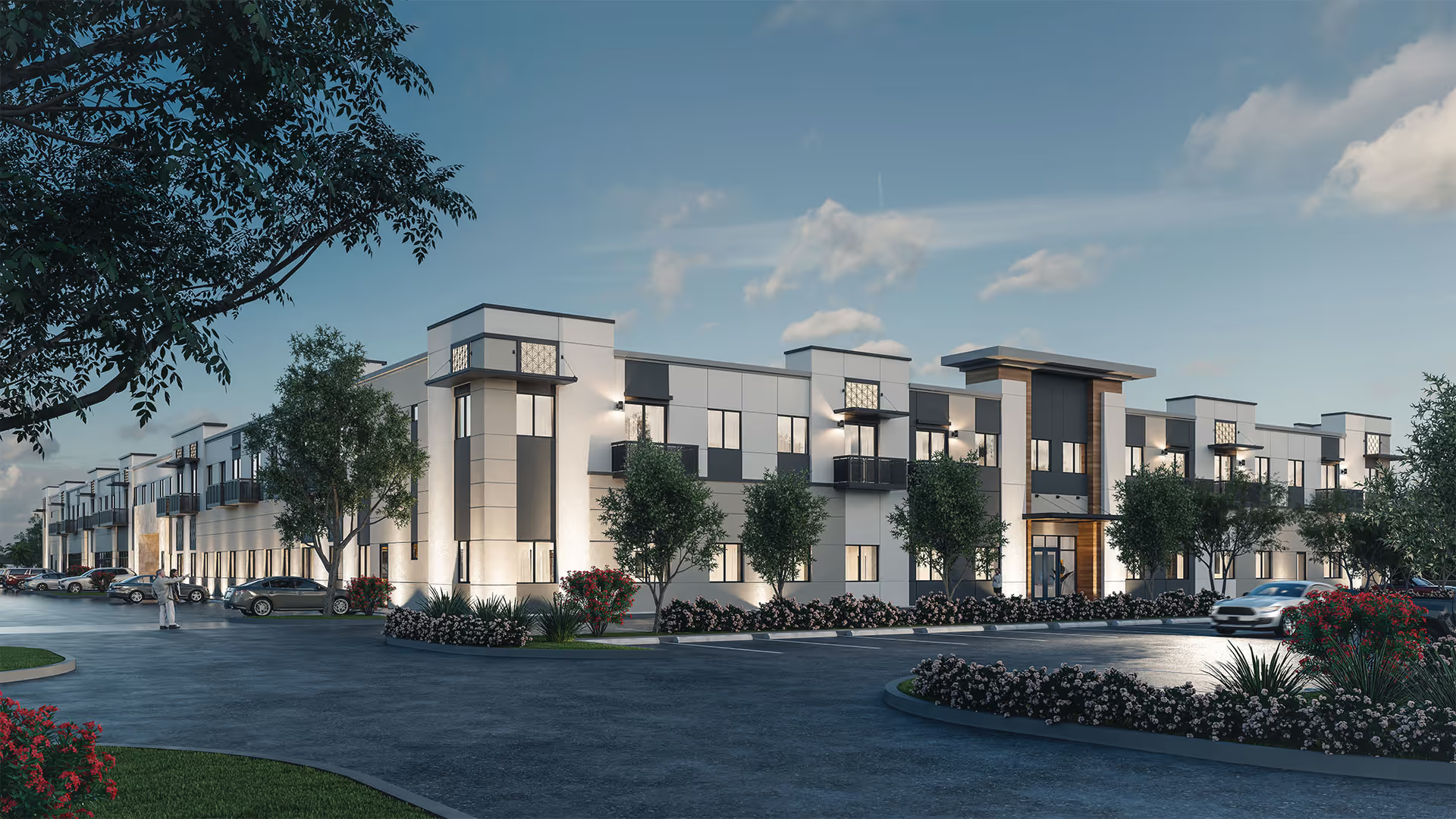
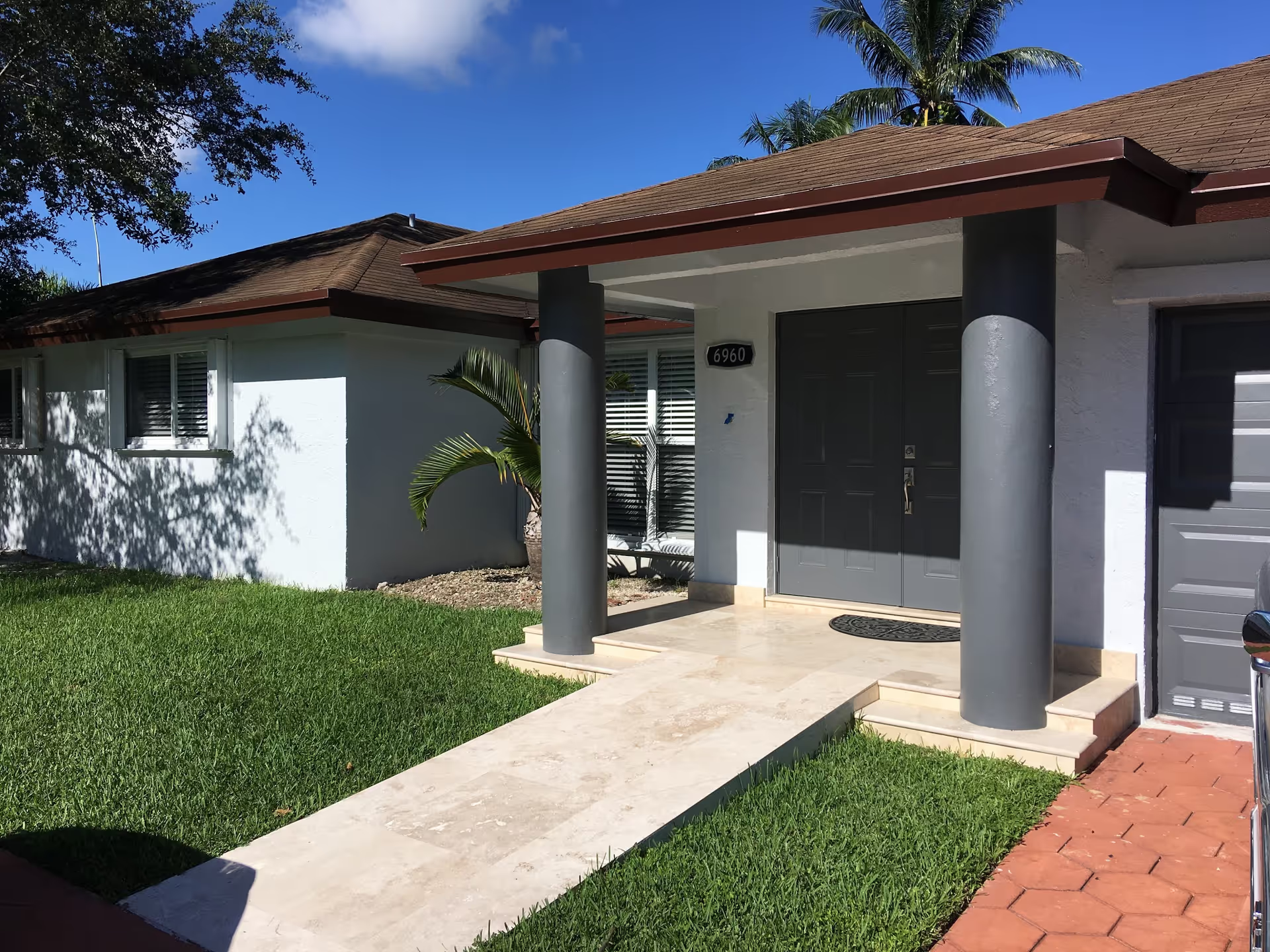
The reviews for The Palace Nursing and Rehabilitation Center are highly polarized, with many families and patients praising the facility’s clinical strengths while others raise significant operational concerns. On the positive side, the facility receives repeated commendation for compassionate nursing care, attentive CNAs, and an effective rehabilitation program. Physical and occupational therapy are frequently described as skilled, personalized, and instrumental in successful discharges home. Social services and admissions staff are often noted as helpful and communicative, and many reviewers highlight a welcoming reception, engaging activities program (including family events), and well-kept resident rooms and common areas in parts of the property.
Dining and activities are strong selling points for many families: a number of reviews note nutritious, customizable meals, frequent events, outings, and a lively activities calendar that supports resident engagement. Maintenance responsiveness is also cited positively in multiple accounts, contributing to the perception of a well-maintained facility in some wings. These positive patterns suggest the facility can provide high-quality rehabilitation and a family-oriented atmosphere when staffing and processes are functioning as intended.
However, a consistent countervailing theme is variability in day-to-day operations. Multiple reviewers describe sanitation and housekeeping inconsistencies and occasional odor concerns in particular areas or bathrooms. There are repeated accounts of lapses in overnight monitoring and delays in attending to residents, as well as concerns about medication administration and clinical coordination that have, in some cases, led to emergency transfers. Therapy scheduling and the initiation of post-operative care are described as uneven; some families experienced prompt, effective therapy while others reported delayed or inadequate therapy starts.
Communication and staffing present another mixed picture. While many families praise staff responsiveness and clear clinical updates, others describe language barriers, inattentive conduct, and variability in staff professionalism. Infrastructure and maintenance concerns appear as well: reviews reference older beds and fixtures, occasional rust or water issues, and variable responsiveness to repair requests. Food quality and meal-service continuity are similarly inconsistent across reports, with some reviewers praising the cuisine and others describing missed meals or poor preparation.
A smaller set of reviews raises serious clinical concerns, including accounts of significant adverse events and concerns following a resident's death. These are described as isolated but severe and are paired in several reviews with critiques of post-incident communication and family outreach. There are also recurrent comments about front-desk or security oversight gaps and a perception among some families that administrative attention can be payment- or insurance-focused rather than communication-focused.
Practical takeaways for prospective residents and families: The Palace demonstrates clear strengths in rehabilitation, therapy, social engagement, and compassionate care from many staff members. At the same time, variability in housekeeping, overnight monitoring, medication coordination, and facility upkeep suggests the importance of targeted questions during a tour — for example, about staffing ratios, overnight monitoring protocols, medication-administration procedures, therapy start times for post-operative cases, and how maintenance requests and family communications are handled. Given the polarized feedback, an on-site visit, conversations with the therapy and nursing leadership, and direct checks on cleanliness and staffing during different shifts will help assess whether current operational performance aligns with a prospective resident’s needs and expectations.