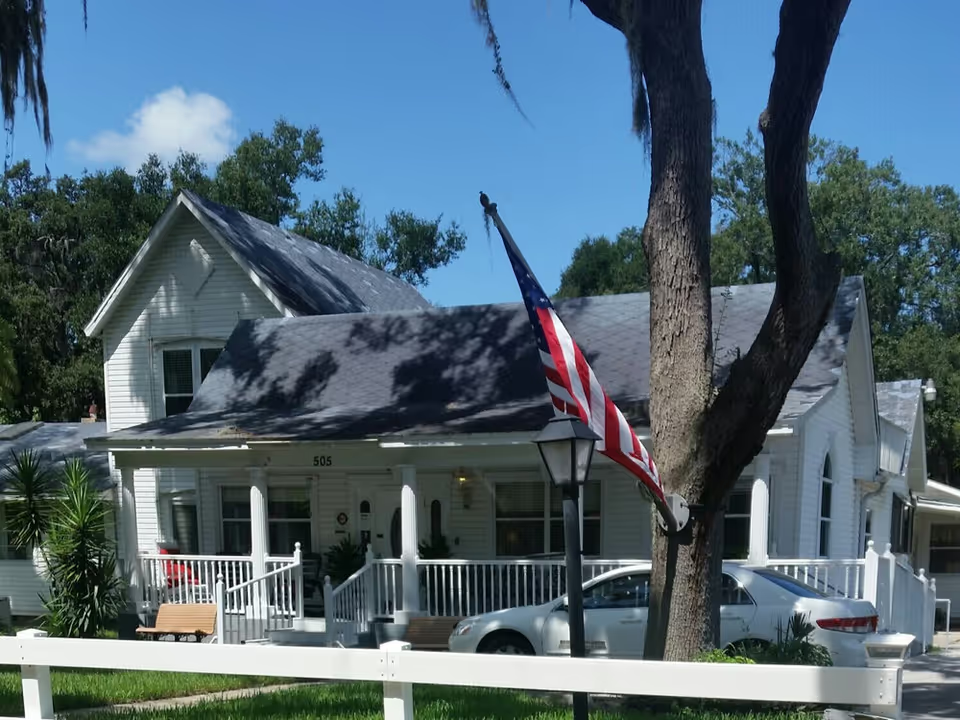
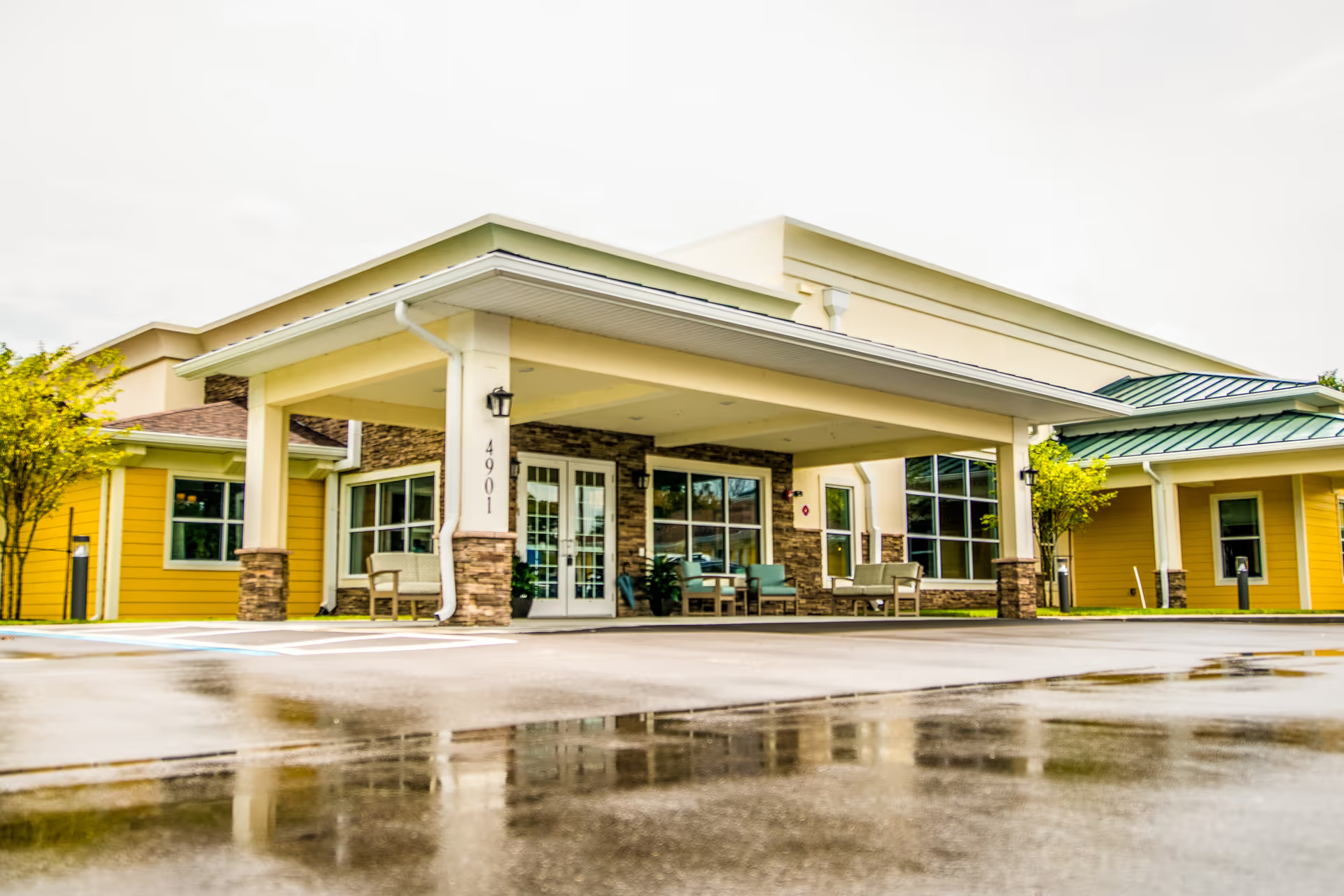
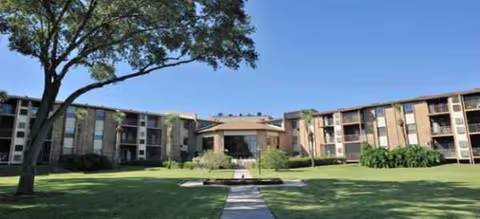
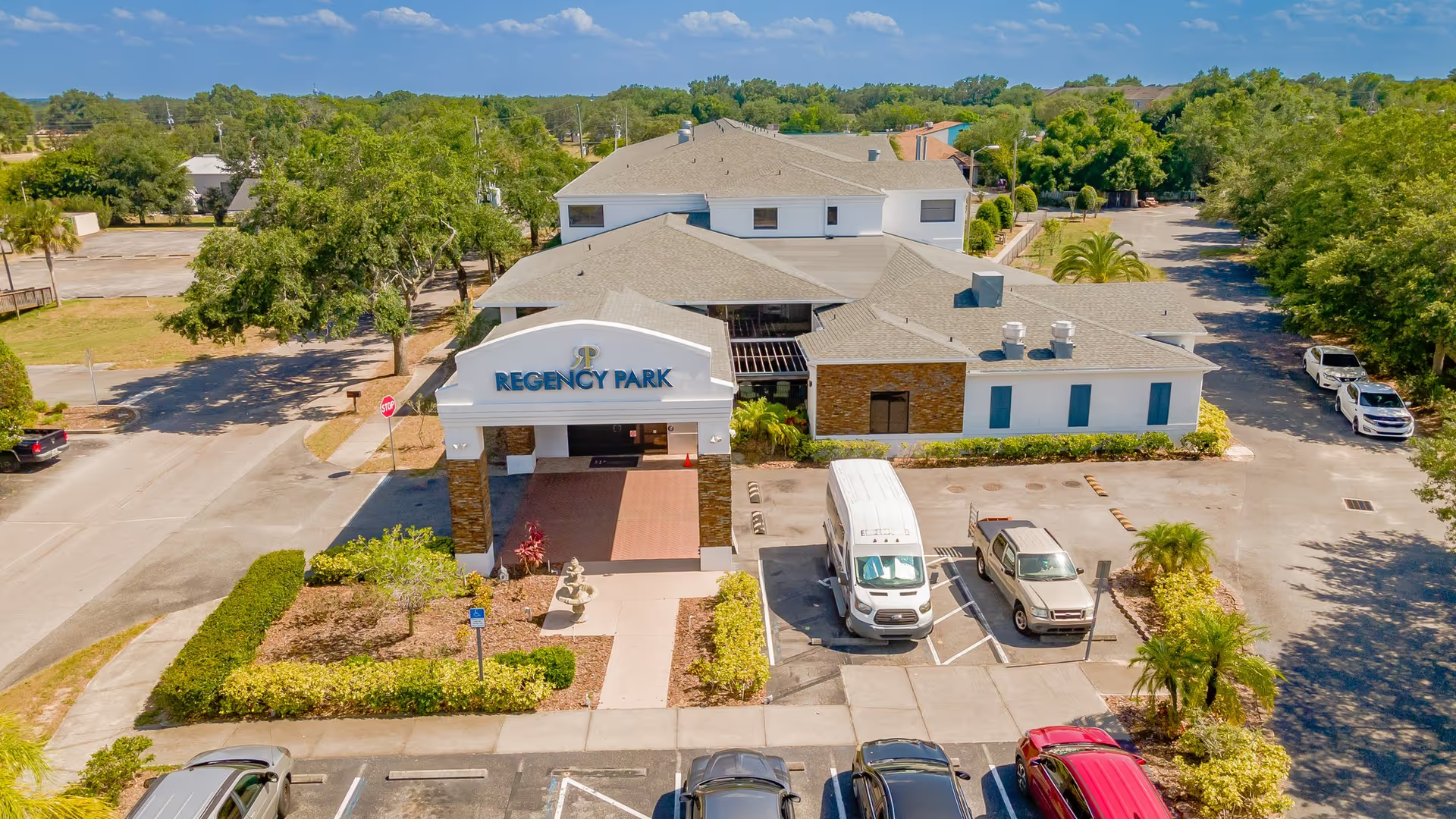
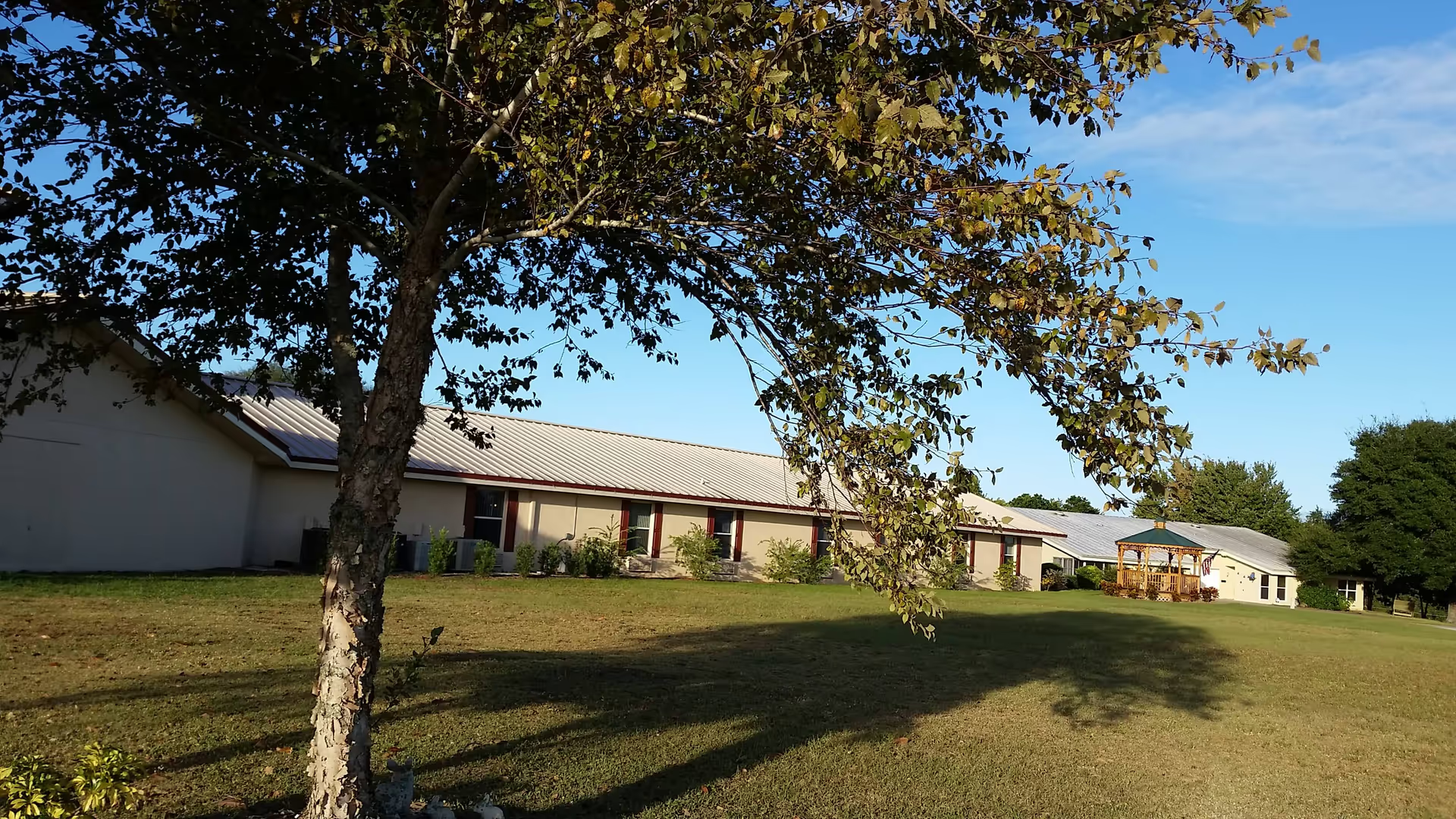
The Oaks at Waterman Village presents as a well-established, full-service retirement community with extensive amenities and a broad continuum of care. The campus and grounds are frequently described as attractive and well maintained, with garden and bird‑watching areas, tree-lined streets, and multiple common spaces. Housing options span standalone villas and garden homes to duplexes and newer apartment-style units, offering single-level designs, in-unit laundry and full kitchens, covered parking, and pet-friendly yards. The campus layout also provides adjacency to assisted living and memory-care services, which supports residents who anticipate evolving care needs.
Clinical and rehabilitative services are consistently cited as strengths. The community maintains on-site medical resources, strong home-health partnerships, and a rehab unit noted for effective physical therapy and positive outcomes. Families and residents report coordinated outpatient therapy and accessible medical-support services, and several comments highlight a positive transition to higher-acuity care when needed. These elements suggest a capable clinical infrastructure for post-acute and ongoing medical needs.
Staff and dining receive sustained praise. Staff are commonly described as friendly, compassionate, and helpful in everyday operations and during care transitions; dining is frequently noted for quality, variety, and sizable portions across multiple venues, including a bistro and several dining rooms. Social and lifestyle programming is broad and active — arts and crafts, card and table games, bridge clubs, pickleball and shuffleboard, fitness and yoga classes, pools, chapel activities, weekly hair appointments, and regular outings with shuttle service — supporting an engaged, active resident population.
Operational patterns and areas for prospective residents to evaluate include availability and administrative communication. The community operates with a long waiting list and limited immediate openings, and some families described challenges obtaining clear financial details about buy-in fees and apartment pricing. Admissions and phone responsiveness were noted as inconsistent in some contacts, and ongoing construction was reported to create traffic-flow complications at the entrance. A small number of comments referenced supervisory or staff‑morale concerns; overall staffing impressions remain positive, but the remarks indicate potential variability in supervisory conduct or internal communication at times.
In sum, The Oaks at Waterman Village appears to offer a comprehensive, amenity-rich retirement environment with strong rehabilitation and dining services, a wide array of activities, and a cohesive campus community. Prospective residents and families should weigh the community’s high demand and waiting-list realities, seek clear written financial disclosure during touring, and ask specific questions about housing-condition differences between older and newer units and about current construction impacts prior to commitment.