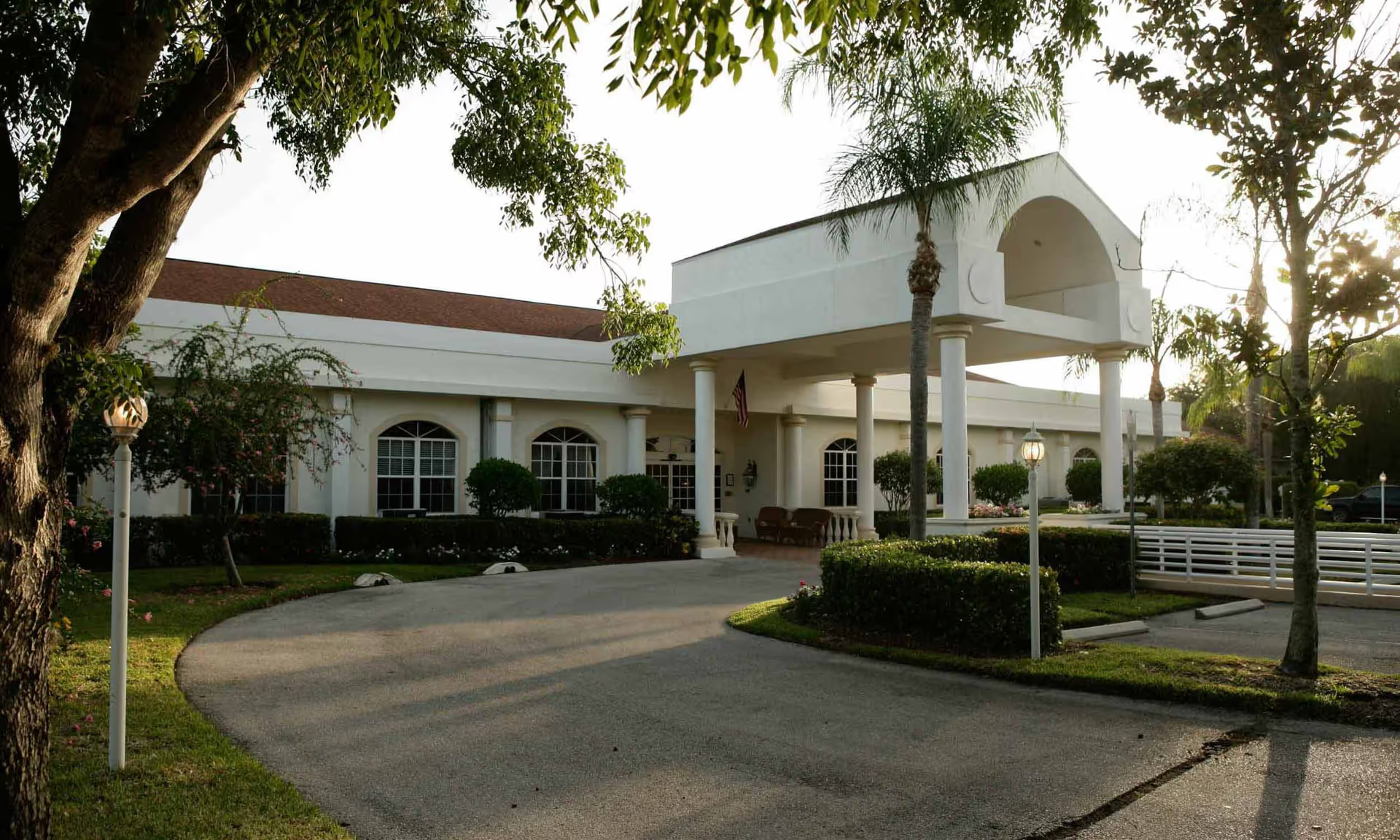
Overall impression: Reviews indicate that Premier Place is generally perceived as a high-quality rehabilitation and short-term care provider with a hotel-like facility, private rooms, and a strong emphasis on therapy-driven recovery. The most frequent strengths cited are the clinical therapy programs (PT/OT and speech), attentive social-work support, and dining that many families characterized as restaurant-quality. Multiple accounts emphasize a positive rehabilitation culture, coordinated discharge planning, and staff who focus on returning residents home safely.
Care and clinical services: Clinical care and therapy are consistently highlighted as core strengths. Physical and occupational therapy teams are described as skilled, engaged, and outcome-oriented; speech therapy is singled out in several accounts for measurable swallowing and diet progression. Nursing and CNA staff are praised for compassion and professionalism, and social-work leadership receives repeated positive mention for communication and family support. At the same time, there are operational concerns that prospective families should note: several reviews raise issues about inconsistent responsiveness to basic needs and call lights, and a small number of accounts raise questions about medication-administration processes and staff credentialing. These latter items suggest prospective families should verify medication protocols, staff licensure checks, and escalation pathways during their evaluation.
Dining and activities: Dining is a prominent positive theme—many reviewers describe gourmet meals, accommodating dietary considerations, and a notable pastry program. Meals are often framed as a morale booster for residents. The facility also offers a range of activities (live music, painting, movie nights, social dining and games) that support social engagement during rehabilitation. However, there are mentions of reduced or inconsistent activity availability in some accounts and communication barriers around meal-selection forms (language/accessibility), which may affect participation for residents with limited English proficiency.
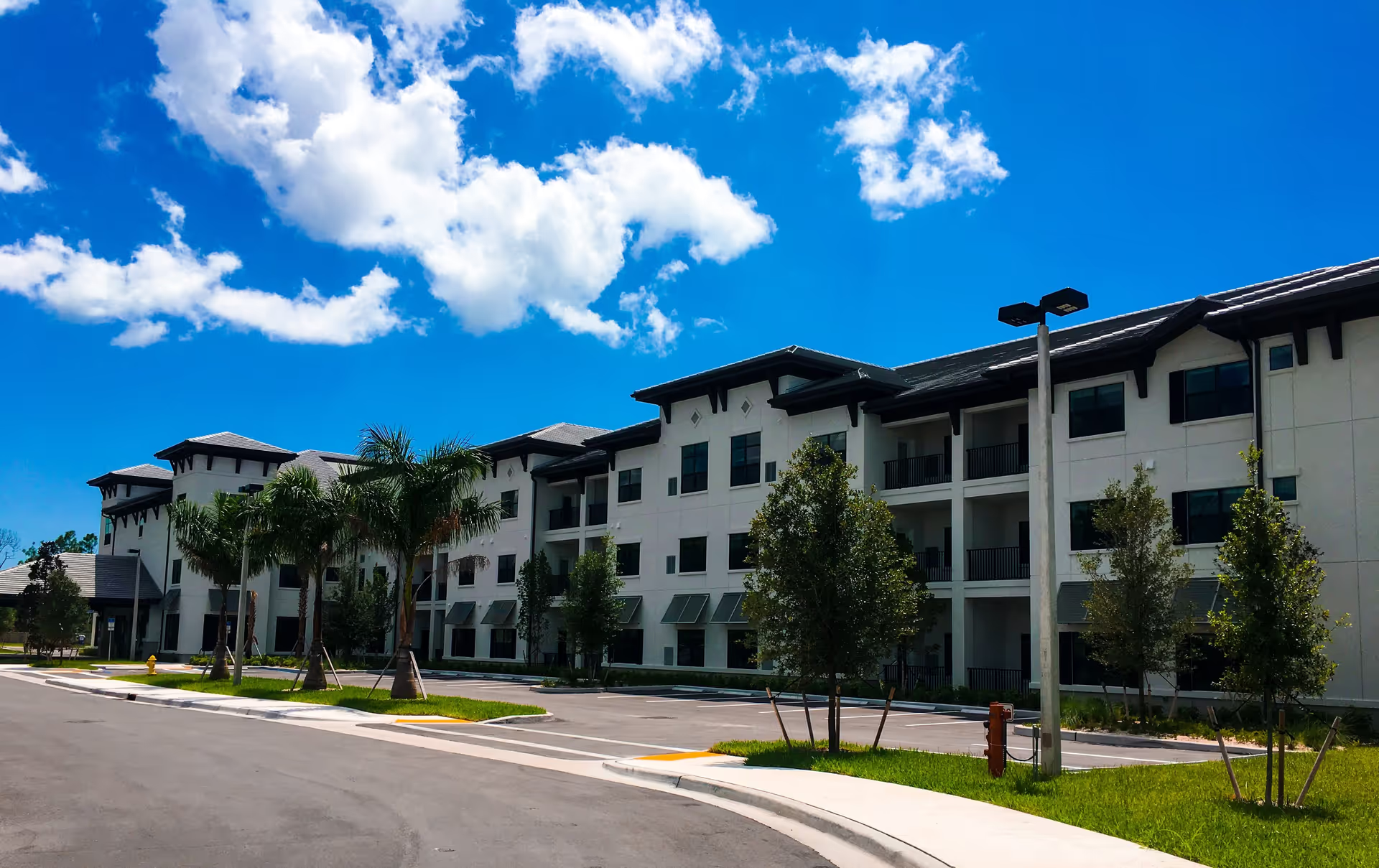
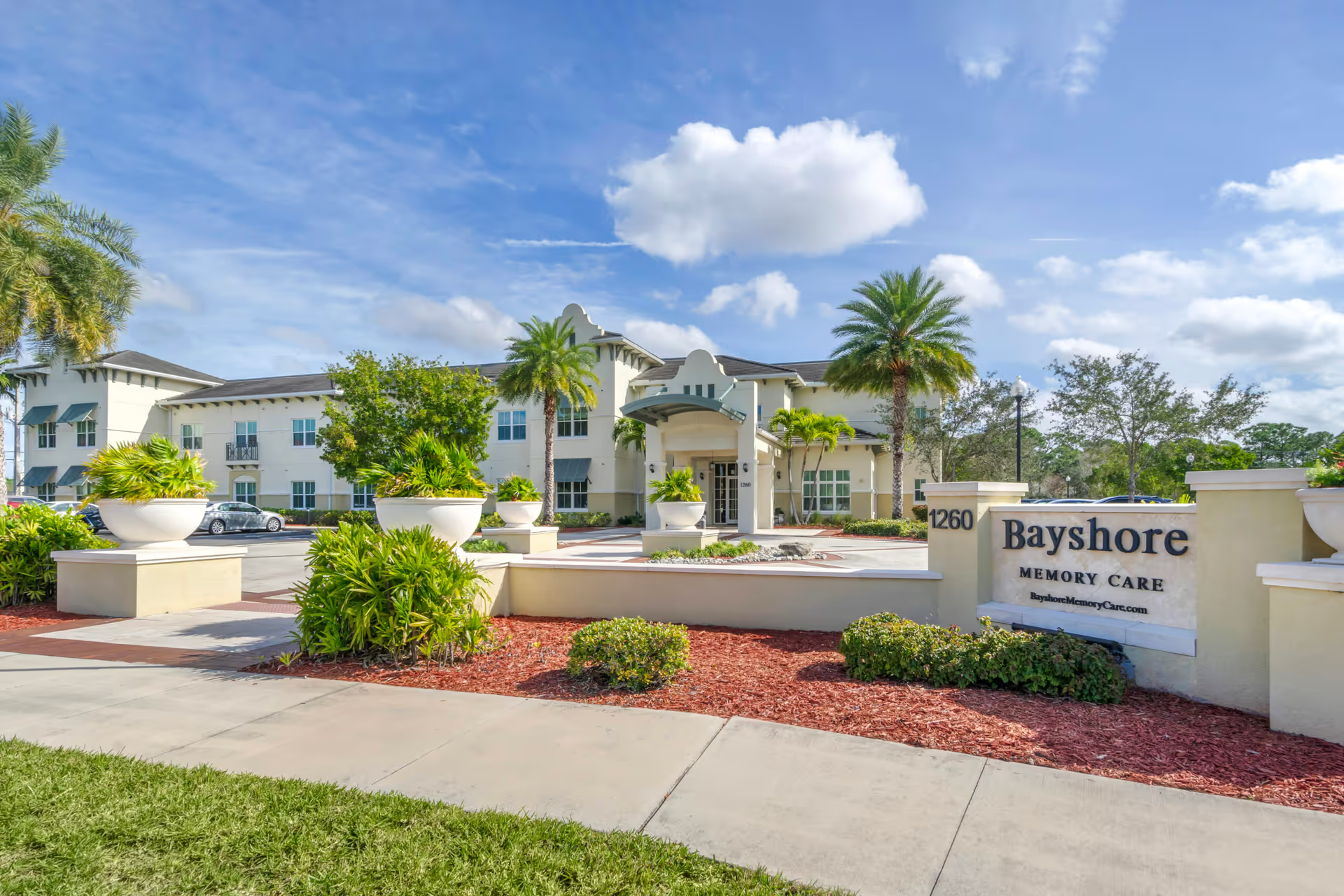
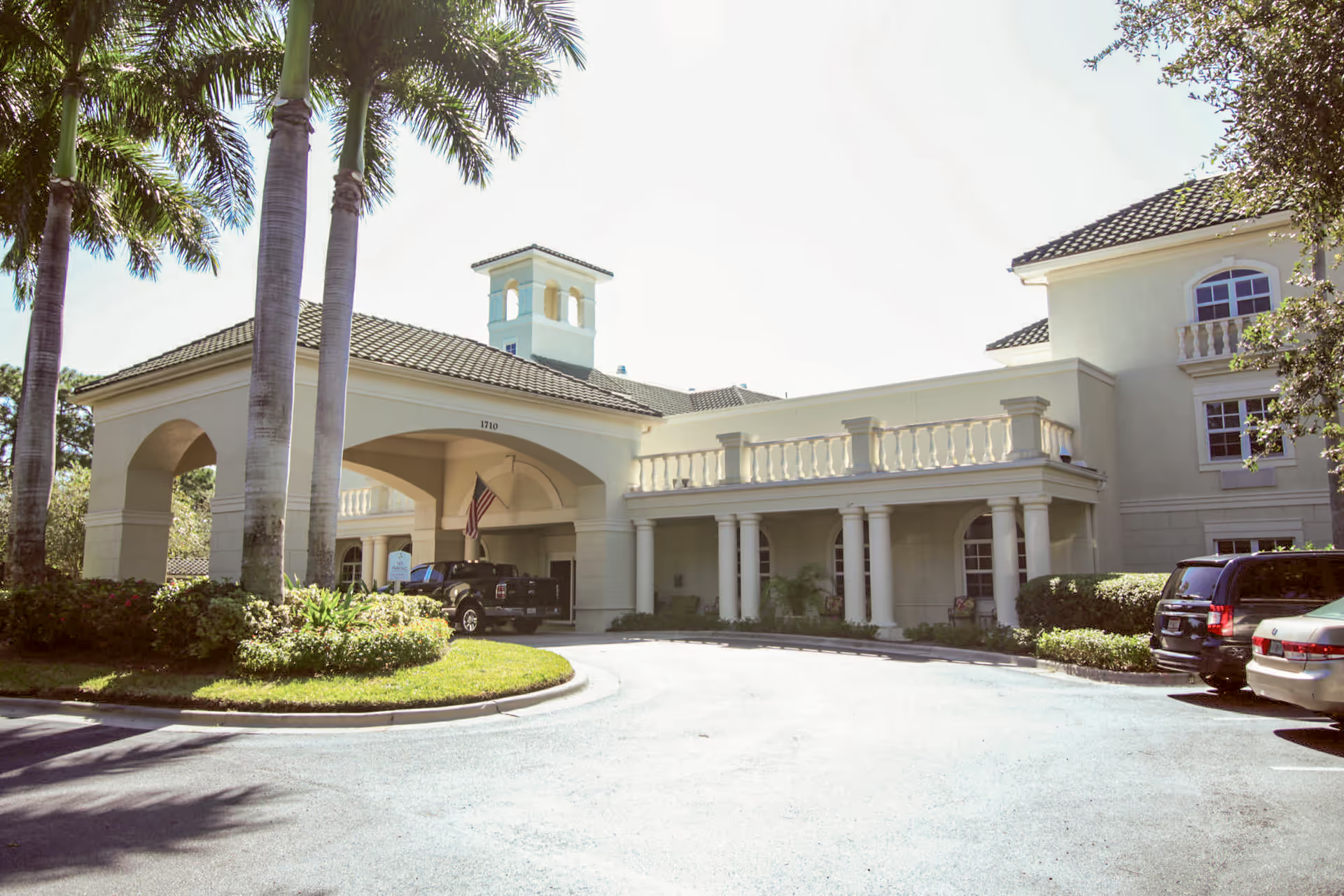
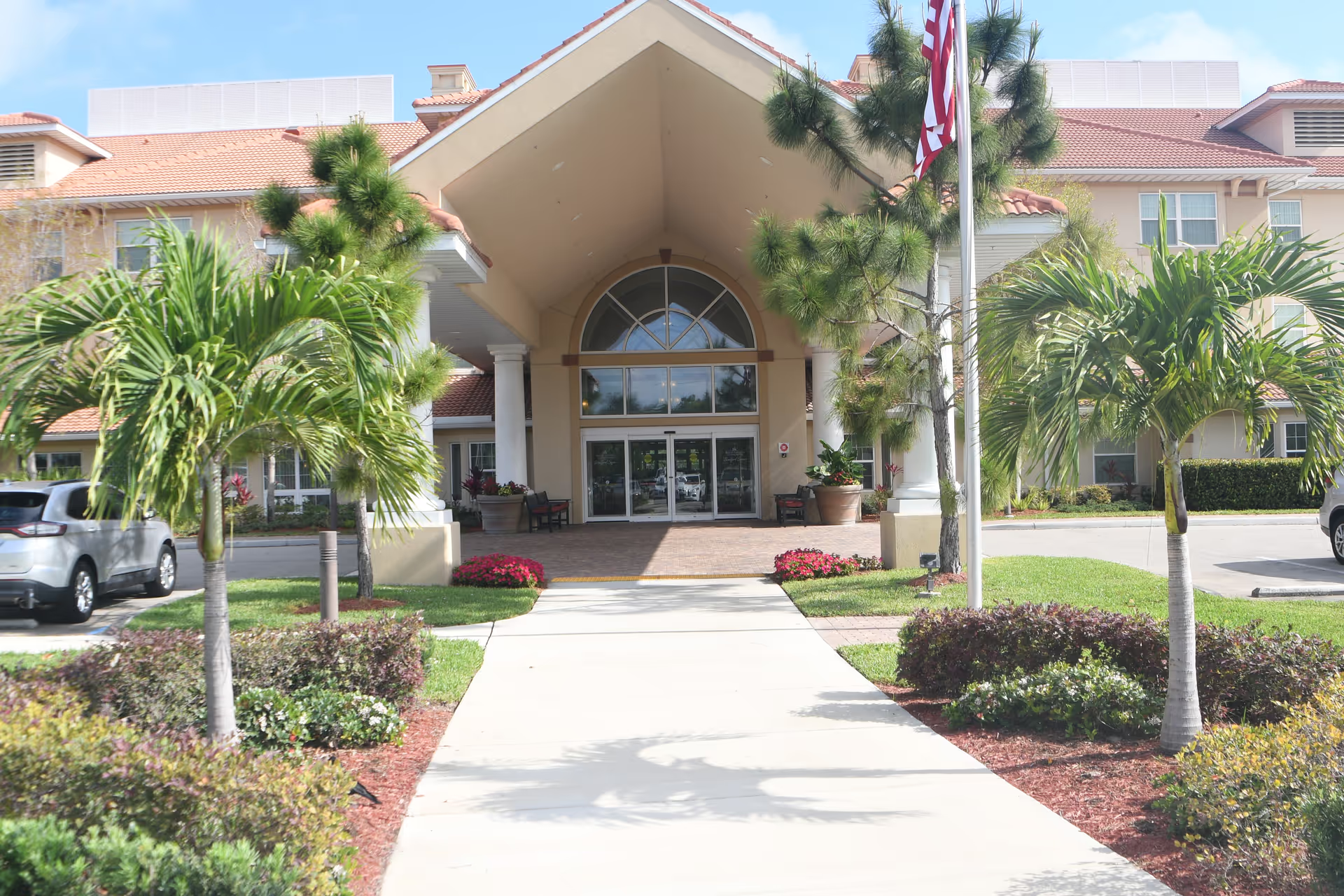
Facilities and management: The physical plant receives consistently favorable comments: clean, well-appointed rooms, leather recliners, and a well-equipped therapy gym contribute to the perceived hospitality model. Leadership and front-line managers are frequently praised for responsiveness and coordination of care; named staff are repeatedly thanked for going above and beyond. Contrastingly, a number of reviews describe frustrating admissions interactions or variability in admissions decisions, and some concerns about staff language ability and interpersonal consistency. These patterns point to a generally strong institutional model with occasional weaknesses in administrative consistency and direct-care communication.
Notable patterns and guidance for families: The aggregate picture is one of strong therapy outcomes, high-quality meals, and a supportive, hotel-like environment that many families recommend for short-term rehab. The main operational risks to probe further during a tour or intake conversation are language support for non-English speakers, responsiveness protocols for call lights and basic needs, medication-administration and credential-verification procedures, the consistency of scheduled activities, and admissions decision policies. Asking to meet therapy staff, review staffing ratios, see recent activity calendars, and review credentialing/medication-safety policies can help families confirm whether Premier Place’s strengths align with their loved one’s needs.