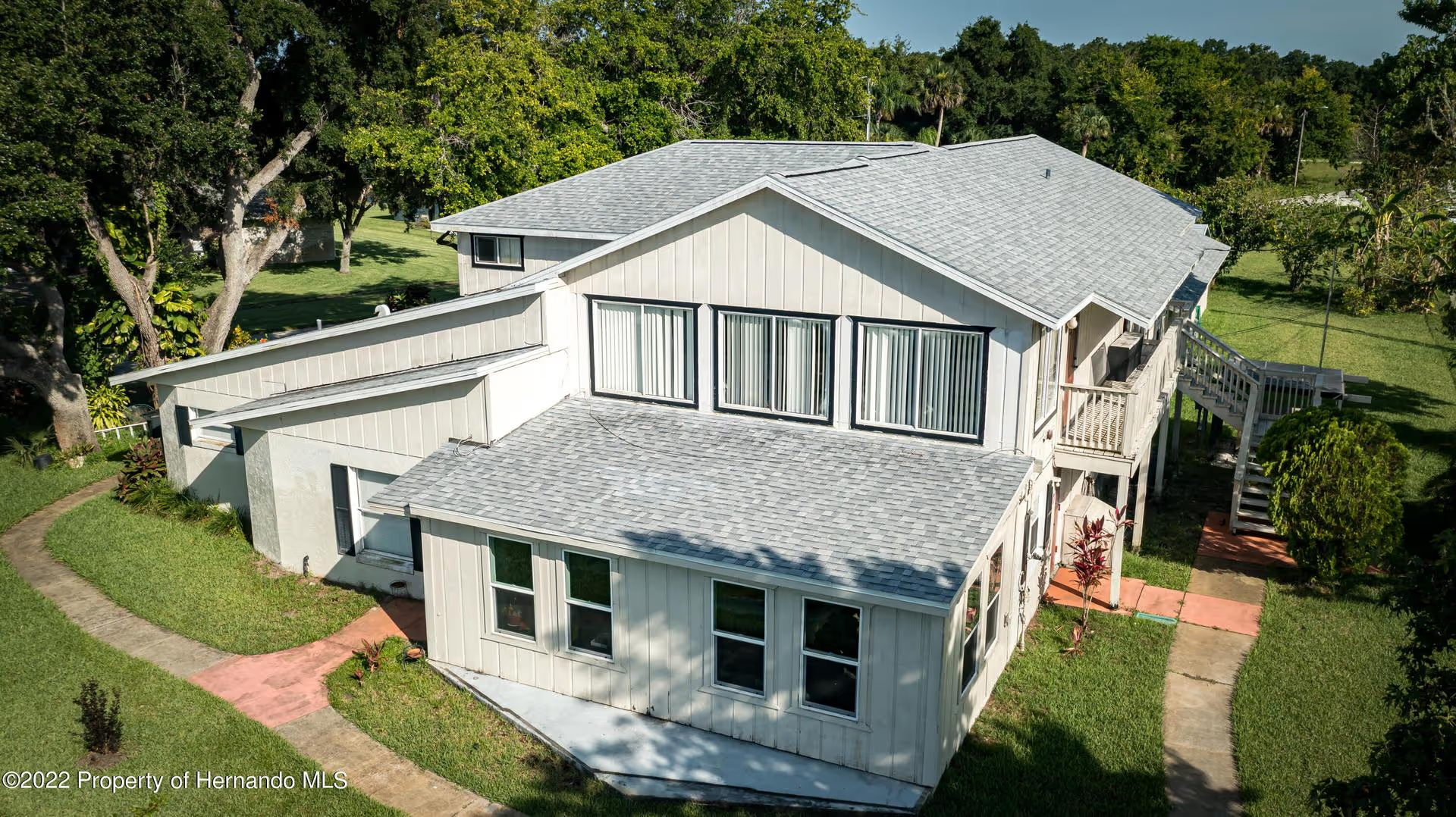
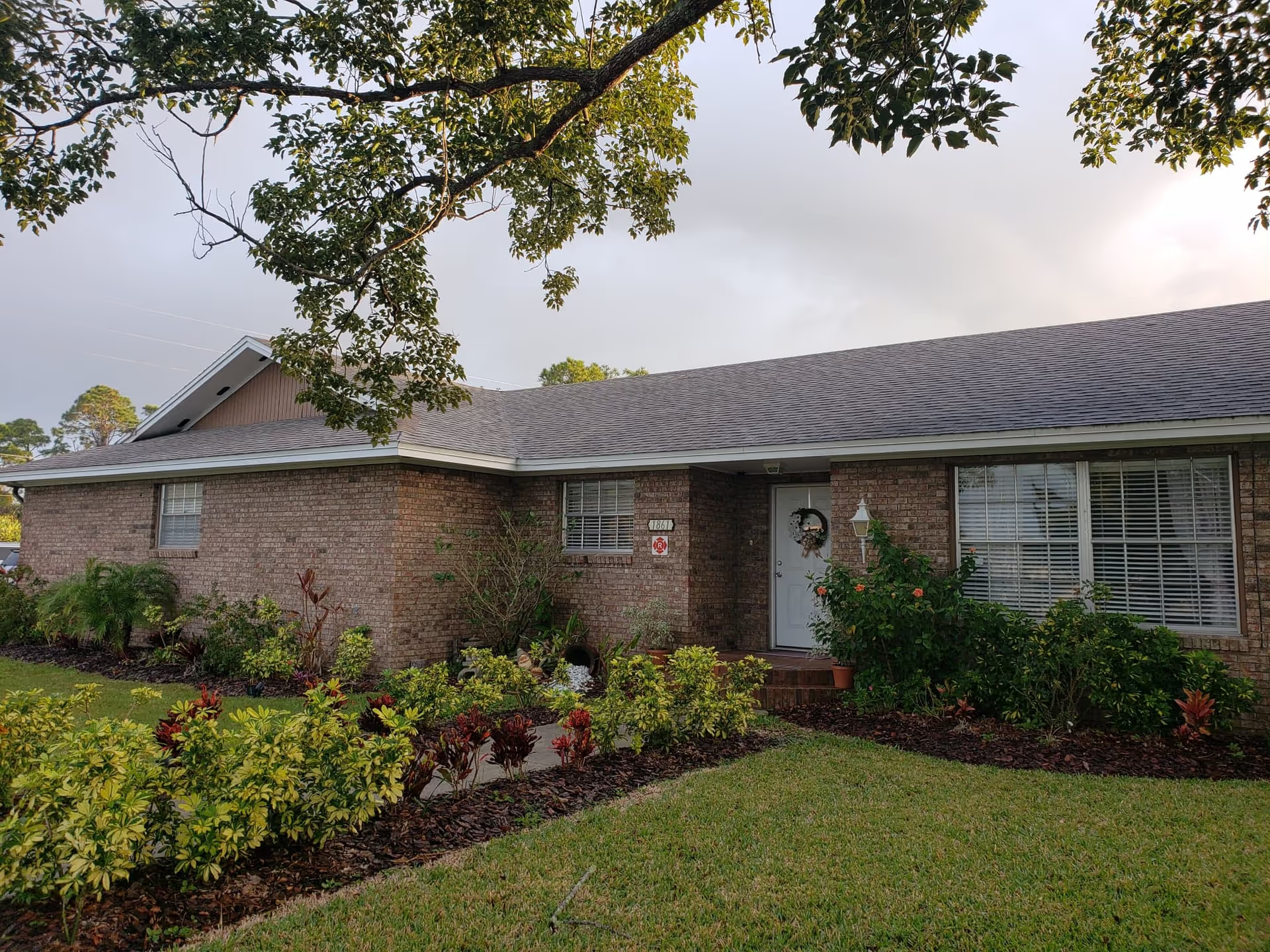
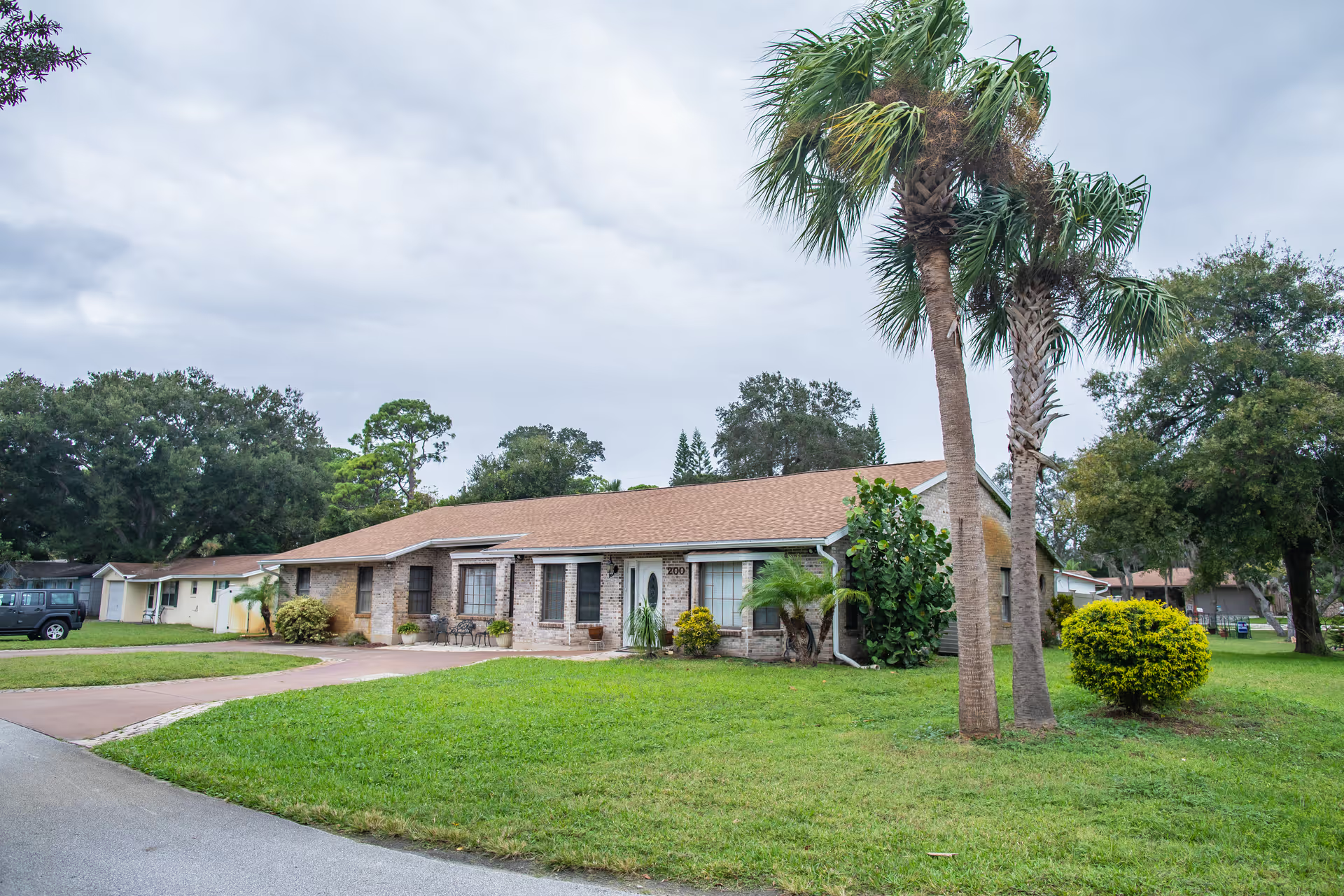
Lexington Place presents as a contemporary, well-maintained senior living community with many families praising its cleanliness, décor and hotel-like presentation. Reviewers commonly highlight compassionate caregiving staff, a responsive nursing team, and a breadth of on-site clinical services including primary care, in-house physical/occupational/speech therapy and access to specialists (podiatry, audiology, pharmacy). Apartments are described as roomy for the category, and the community offers a wide range of common spaces—library, craft room, small theater, salon and a secure courtyard—contributing to a home-like social environment.
Dining and activities are frequent strengths in the feedback. The dining program is described as varied and guest-friendly with an emphasis on freshly prepared meals and a restaurant-style atmosphere. The activities calendar includes music, live entertainment, games, crafts, outings (shopping, dining, day cruises), and therapeutic programming such as pet therapy and recreation tailored to memory-care residents. Several families singled out specific staff and activities coordinators for individualized attention and creative programming, though there are also accounts of reduced activity frequency and quality when key activity staff changed roles or left.
Care quality and staff conduct receive mixed but strongly polarized remarks. Many families report respectful, attentive caregivers who know residents by name and communicate proactively; the community’s 24/7 care model and safety checks are noted positively. At the same time, some reviews raise substantive clinical concerns: inconsistencies in dementia-specific training and approaches to aggression, questions about medication administration (timing, errors, and use of anxiolytic/antipsychotic medications), and consequent fall-risk and responsiveness issues. There are also references in some accounts to regulatory complaints and a privacy (HIPAA) concern. These items suggest families should ask directly about dementia-care training, medication governance, staffing ratios, incident reporting, and any regulatory history when evaluating the community.
Operational and amenity-level tradeoffs warrant consideration. Front-desk and administrative interactions were praised by many but criticized by others for tone and lack of answers; this points to uneven administrative responsiveness. The physical plant is generally described as new and clean, though reviewers note limited outdoor/common-area square footage (no pool), smaller bathroom storage and an apartment layout that omits cooking stoves. Cost is described as on the higher side by some families. Finally, while the community offers strong clinical and social services for many residents, the combination of occasional staffing turnover, activity-program variability, and the clinical concerns above creates a pattern of inconsistent experiences across households.
Overall, Lexington Place appears to be a well-appointed community with many operational strengths—clean facilities, active programming, on-site medical services and staff members who create a genuinely welcoming environment for many residents. Prospective residents and families who prioritize amenities and a broad activity/medical offering may find it an excellent fit. Families with complex dementia-care needs or heightened sensitivity to medication management or administrative responsiveness should schedule targeted questions and observations during a tour (ask about dementia-care protocols, medication administration safeguards, recent regulatory history, staff training, and continuity of activity staffing) to verify that the community’s practices align with their expectations and safety requirements.