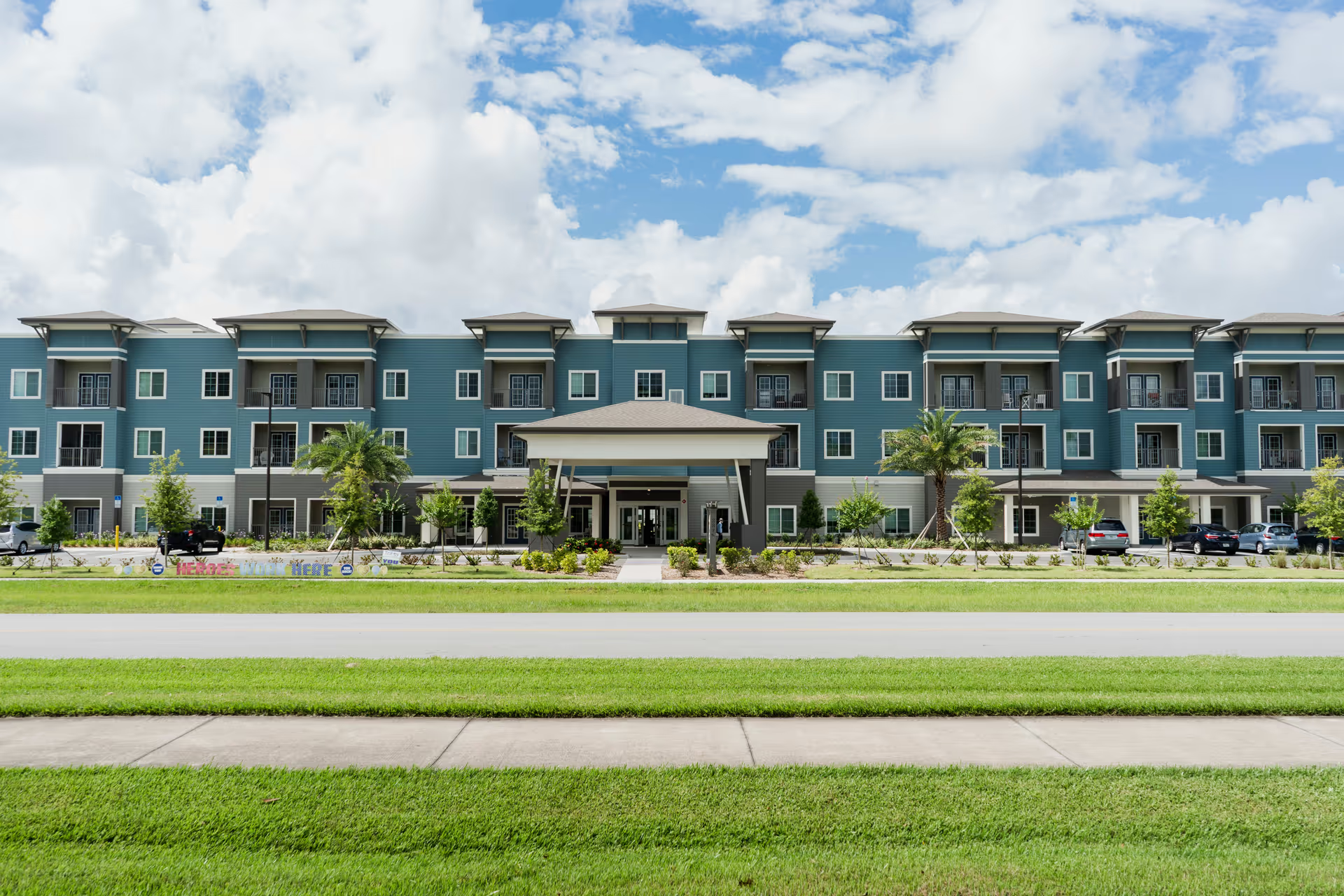
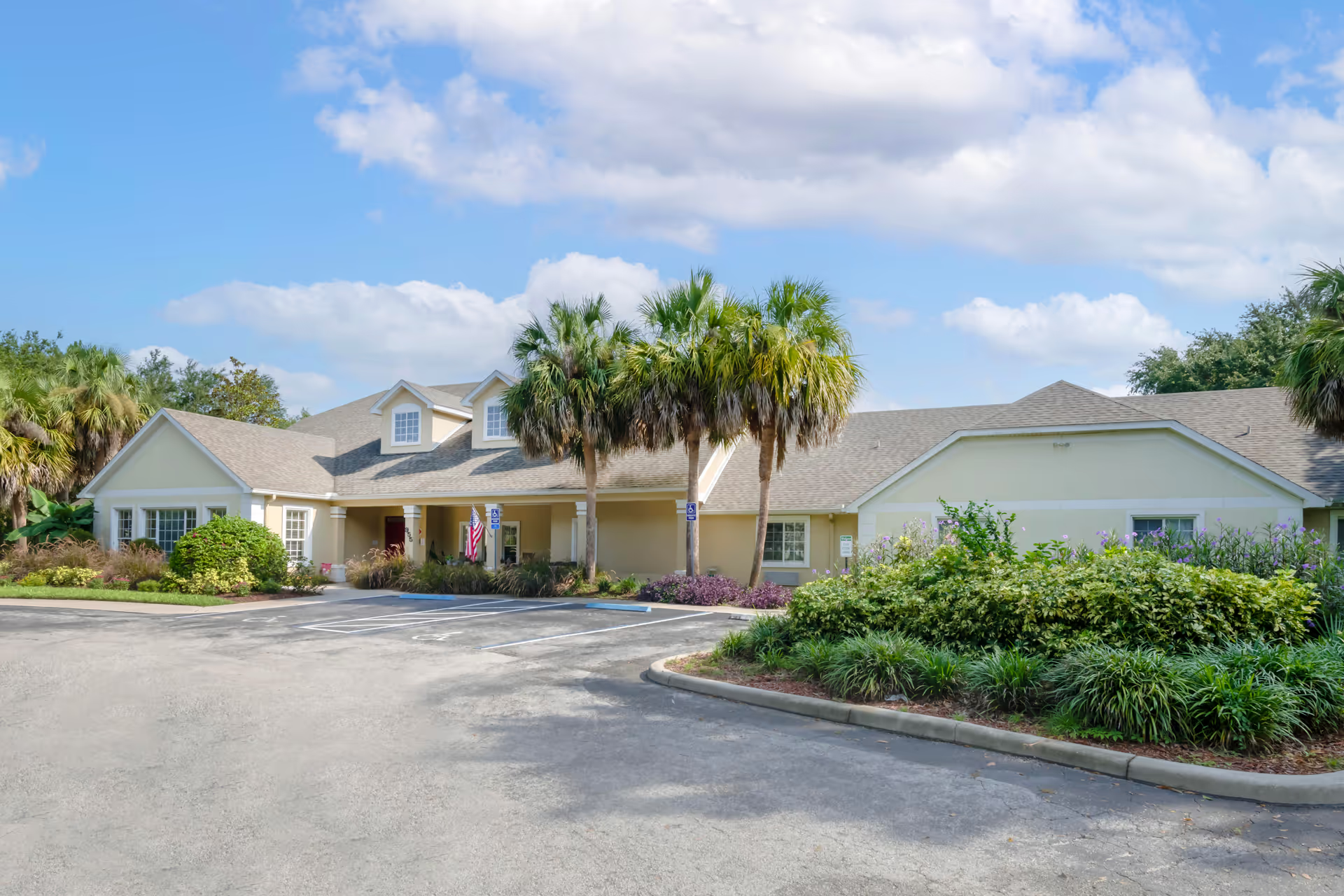
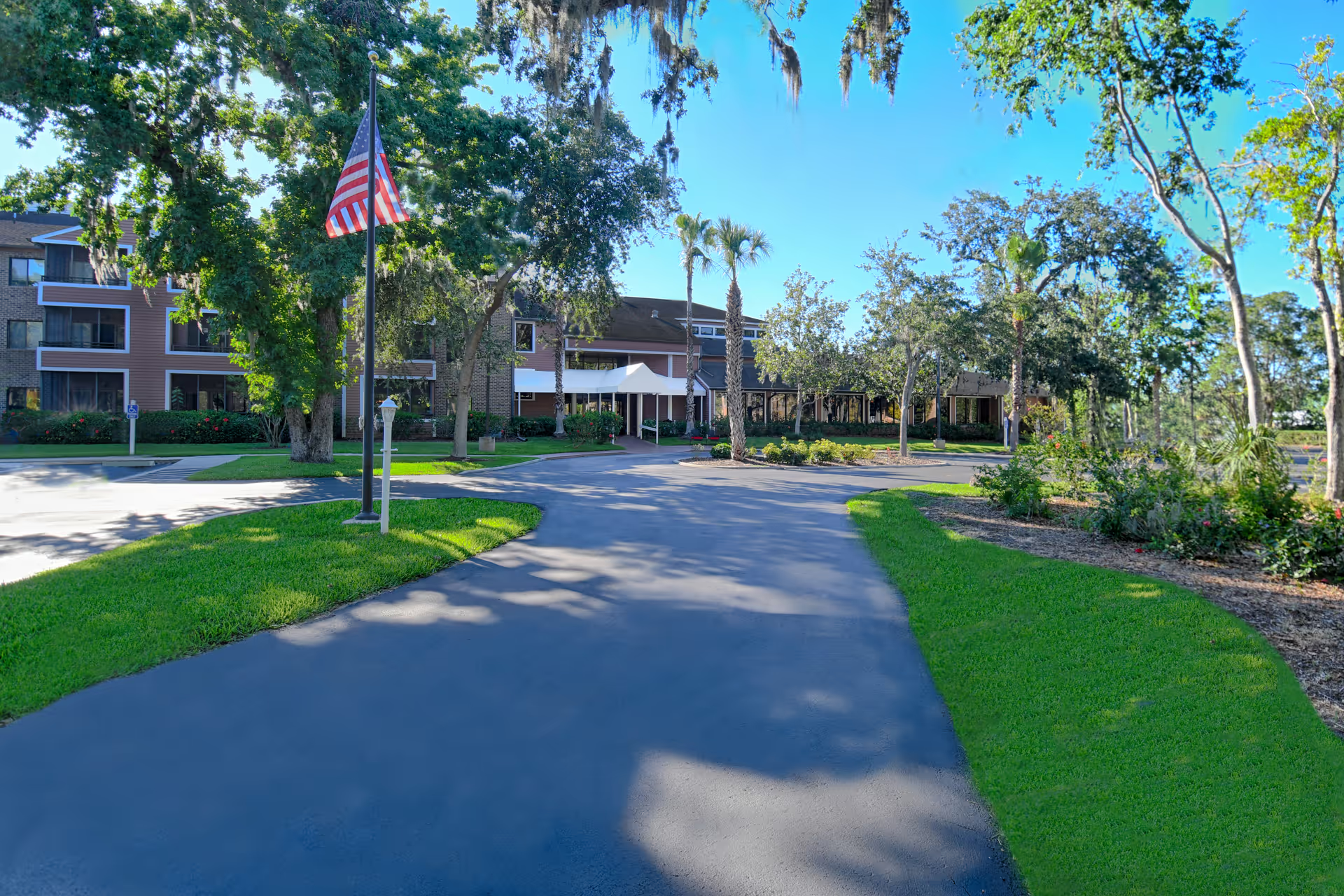
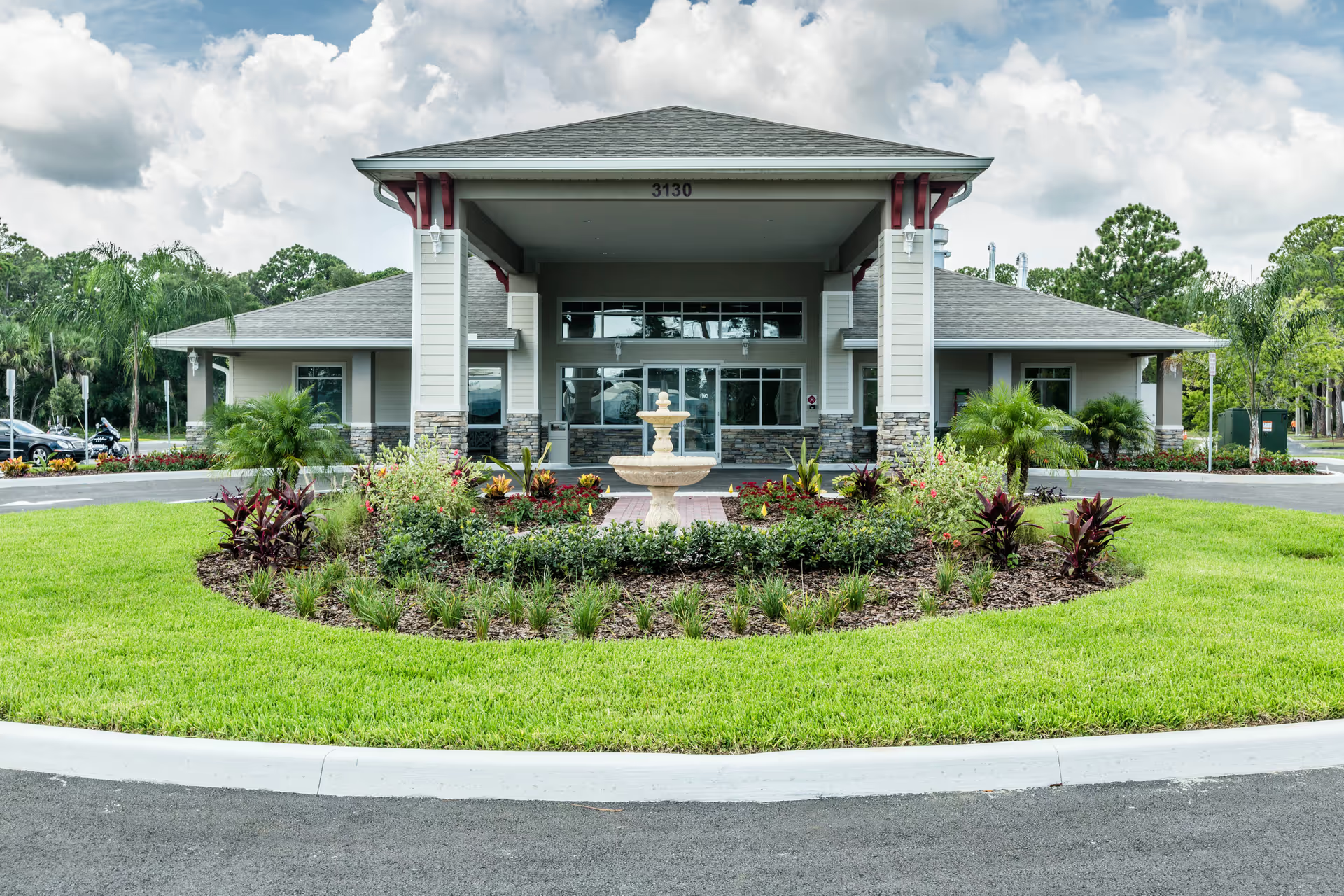
Overview The Gallery at Port Orange presents as a modern, luxury senior-living community with many tangible strengths: a new, well-maintained facility, abundant public spaces, a pool and exercise areas, strong concierge/transportation services, and a chef-driven dining program. Many commenters describe warm, attentive frontline staff, an active social calendar with live entertainment and outings, and strong housekeeping and maintenance. Memory-care programming and in-house therapy resources are noted as thoughtful and non-institutional in design. These operational strengths create a hotel-like, community-oriented environment for many residents.
Care and staffing Care quality descriptions are mixed. Numerous accounts praise compassionate, responsive caregivers and a 24/7 care team that supports transitions and daily needs. At the same time, there are consistent operational concerns: high turnover, role creep where licensed staff are asked to cover aide-level duties, and staffing shortfalls that can affect how reliably routine care tasks are performed. There are also specific and serious clinical-control concerns cited around medication handling and asset security; these suggest inconsistent medication-management protocols and gaps in related oversight. Prospective families should ask about staff-to-resident ratios, training and orientation procedures, and medication-administration protocols.
Dining and activities Dining is frequently highlighted as a major positive — varied menus, an experienced chef, and restaurant-style service. However, a few comments indicate variability in meal quality during early operational phases and some limits related to meal stipends or required self-preparation in certain apartment types. Activities programming is a clear strength where fully staffed, with well-organized events, outings, and on-site entertainment. There are also reports of uneven programming during ramp-up periods or when activity staffing is limited; interested parties should request a current activity schedule and staffing plan.
Facilities and amenities The physical environment is a consistent positive: modern design, artwork, plentiful sitting areas, courtyard space, and amenities such as pool, gym, and salon. Housekeeping and maintenance receive repeated praise. Operational friction points include front-desk accessibility (occasional unattended desk or voicemail issues), sign-in policies that affect visitor flow, and some restrictions or limitations on amenity use (for example, public bar availability). Tours and on-site observation remain valuable to confirm daily atmosphere and amenity accessibility.
Management, contracts, and administrative processes Administrative experience is polarized. Some families cite proactive, helpful leadership, smooth move-ins, and good support with insurance and scheduling. Conversely, there are substantive operational concerns: unclear contract language, hidden fees, rent increases, deposit and refund disputes, and billing-process weaknesses. Sales-practice and admission-suitability concerns also appear — including pressure to place residents or limited choice of contracted therapy vendors — which point to gaps in transparent admissions and vendor-policy disclosure. Additionally, a few serious incidents described in reviews raise questions about incident response and family communication; these indicate potential weaknesses in escalation procedures and corporate oversight.
Patterns and guidance for families Overall, The Gallery offers high-end physical assets, robust dining, and an active social environment that many residents and families find very positive. At the same time, operational variability — especially around staffing stability, medication and asset controls, contract transparency, and administrative responsiveness — is a recurring theme. Prospective residents and decision-makers should tour during active service hours, ask for current staffing ratios, review sample contracts and fee schedules line-by-line, request written medication-management and incident-response policies, and clarify choices for external therapy providers. These targeted questions will help separate the strong aspects of the community from the operational risks some families experienced.