Overall impression: Reviews present a mixed but informative picture. Many families describe Harbor Oaks Golden Years as a small, home-like facility with consistently cited strengths in cleanliness, atmosphere, and hands-on management. Multiple accounts praise staff who are described as compassionate, attentive, and proactive; reviewers commonly note a warm, family-like tone of caregiving and frequent positive interactions that contribute to residents’ apparent wellbeing.
Care and staff: Care quality is a central theme. Positive reports emphasize individualized attention, timely care updates to families, and coordination with hospice and external clinical services. Several reviewers commented that new ownership and daily owner presence coincided with noticeable improvements. At the same time, a number of reviews identify operational weaknesses: gaps in clinical monitoring and escalation for emerging medical issues, limitations in dementia-specific skillsets, and uneven staff training or professionalism. There are also discrete allegations of dishonest conduct and concerns about staff presentation and conduct; these should be treated as serious and verified in follow-up conversations with the provider.
Dining and activities: Dining and programming receive both praise and criticism. Many families describe the food as tasty, home-style, and the dining environment as pleasant; activity programming is frequently characterized as engaging and community-building. Counterbalancing that are complaints about limited meal choices or inconsistent meal variety and isolated reports of unprofessional conduct among dining staff. Prospective families should clarify meal schedules, menu options, and accommodations for special dietary needs during a tour.
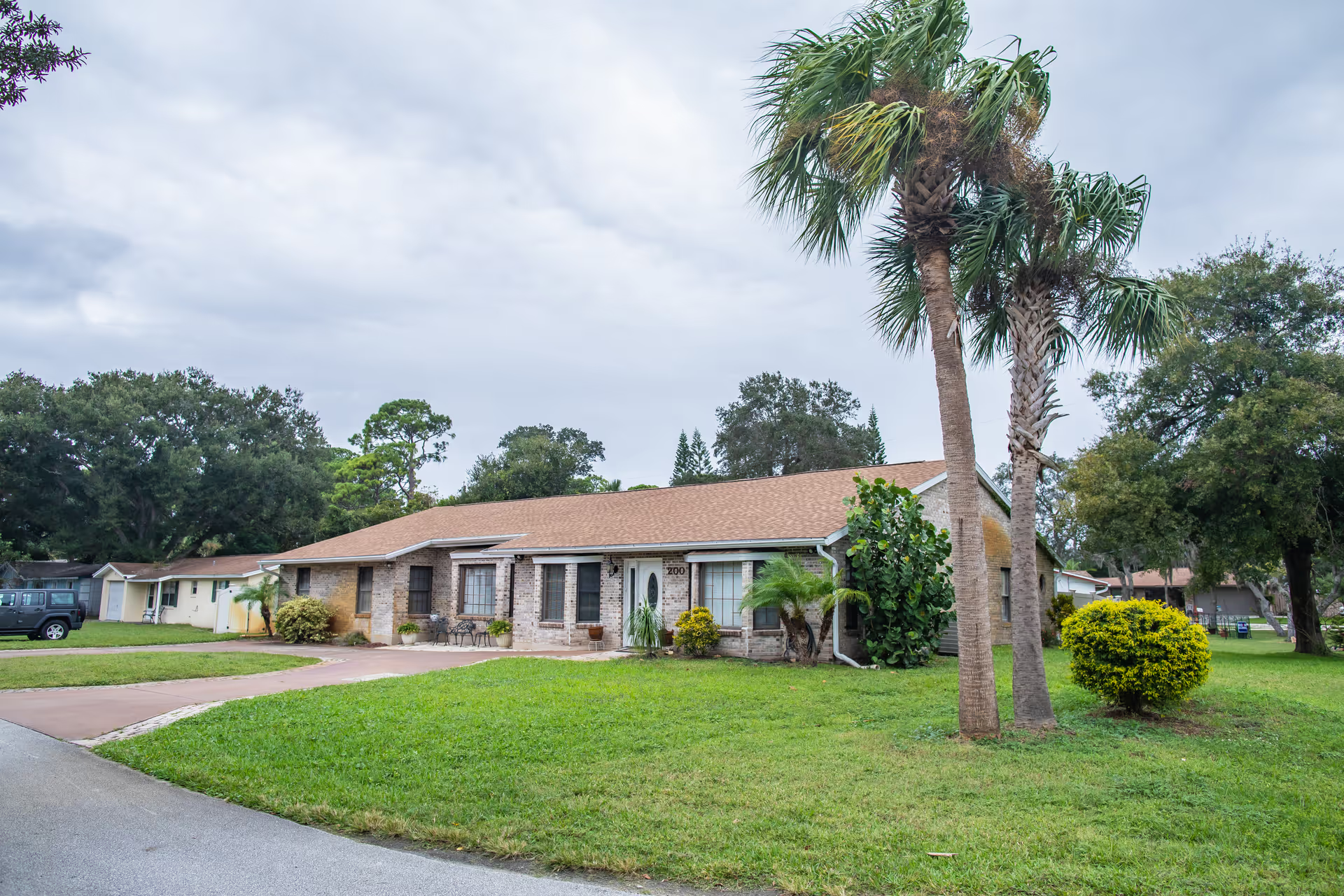
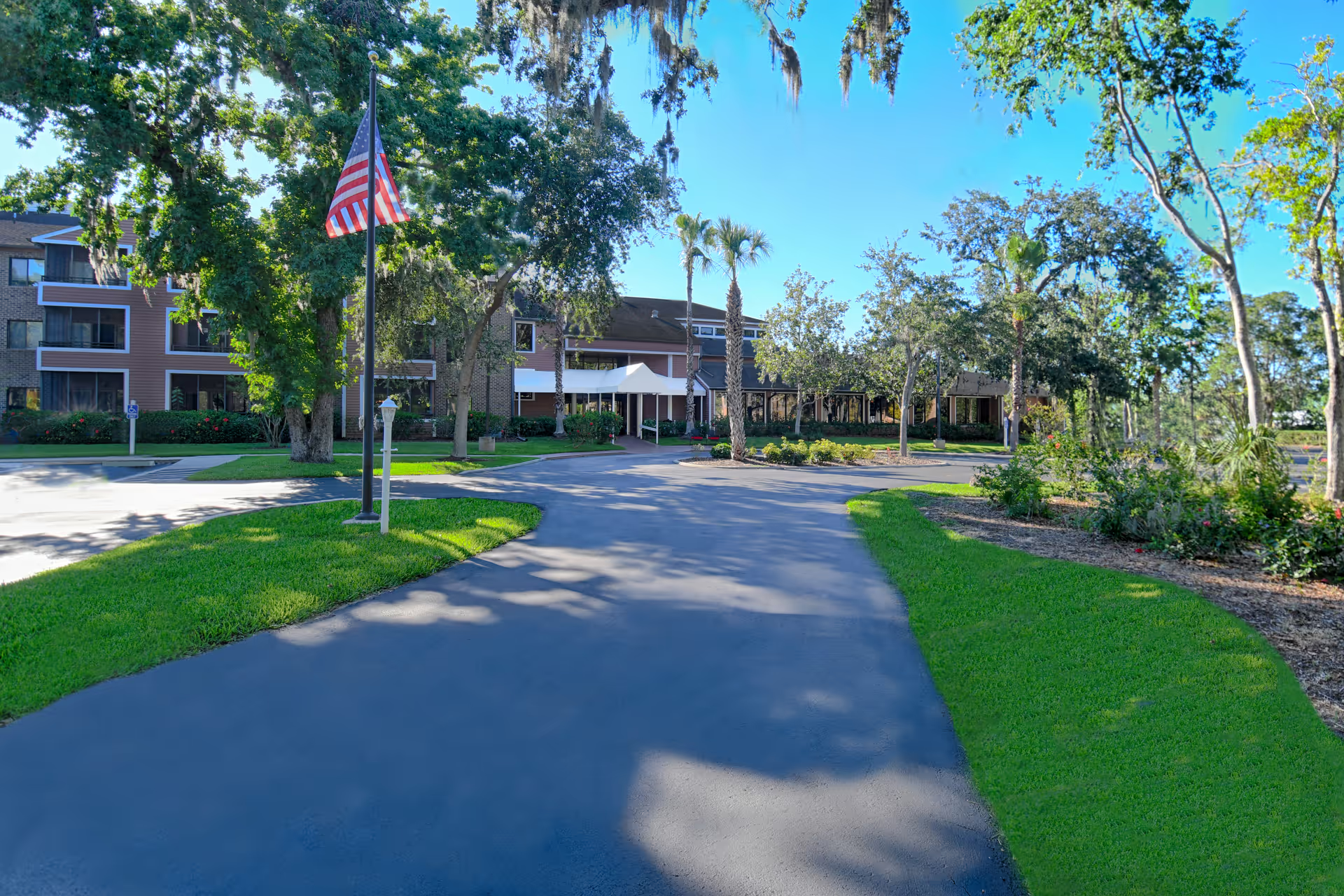
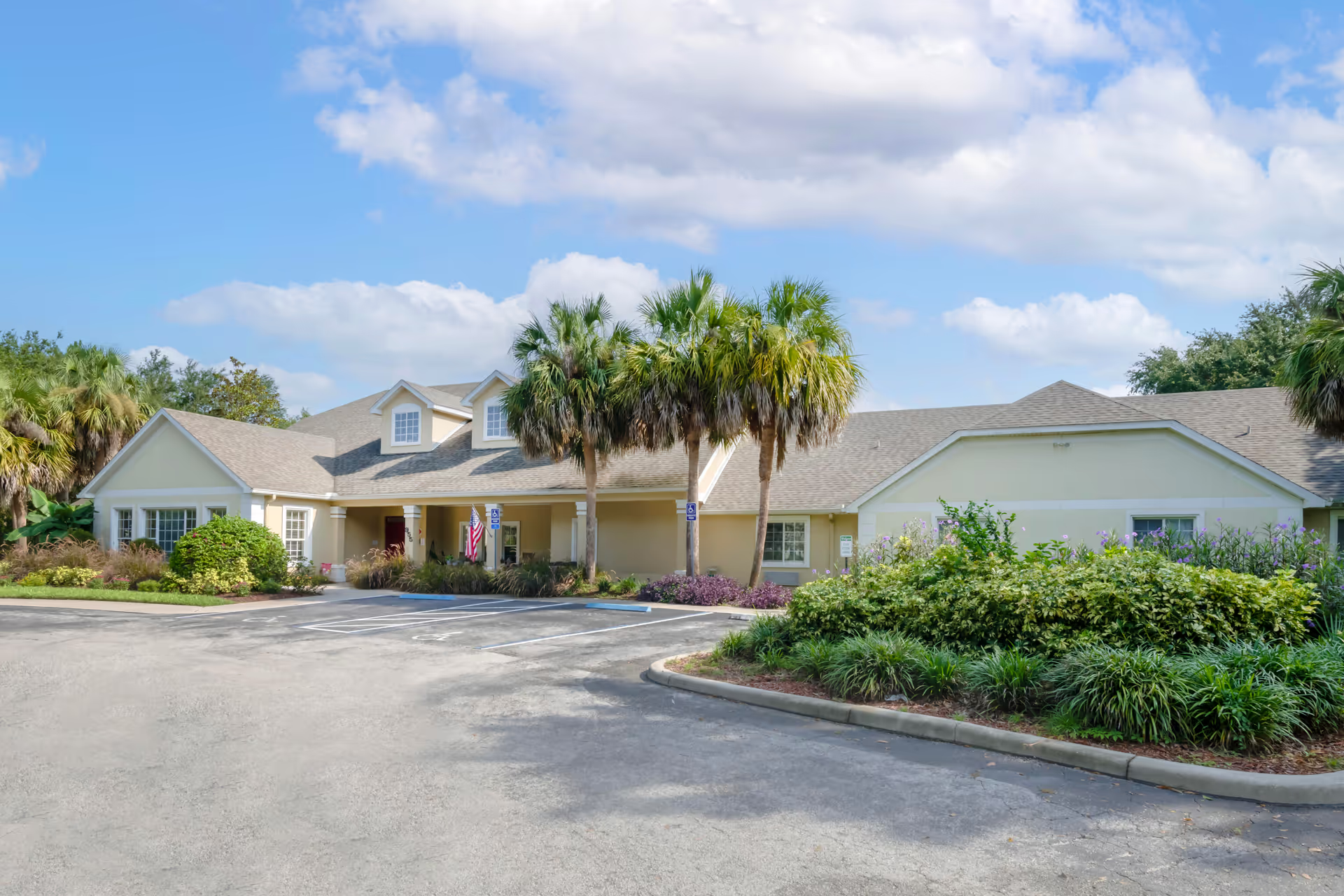
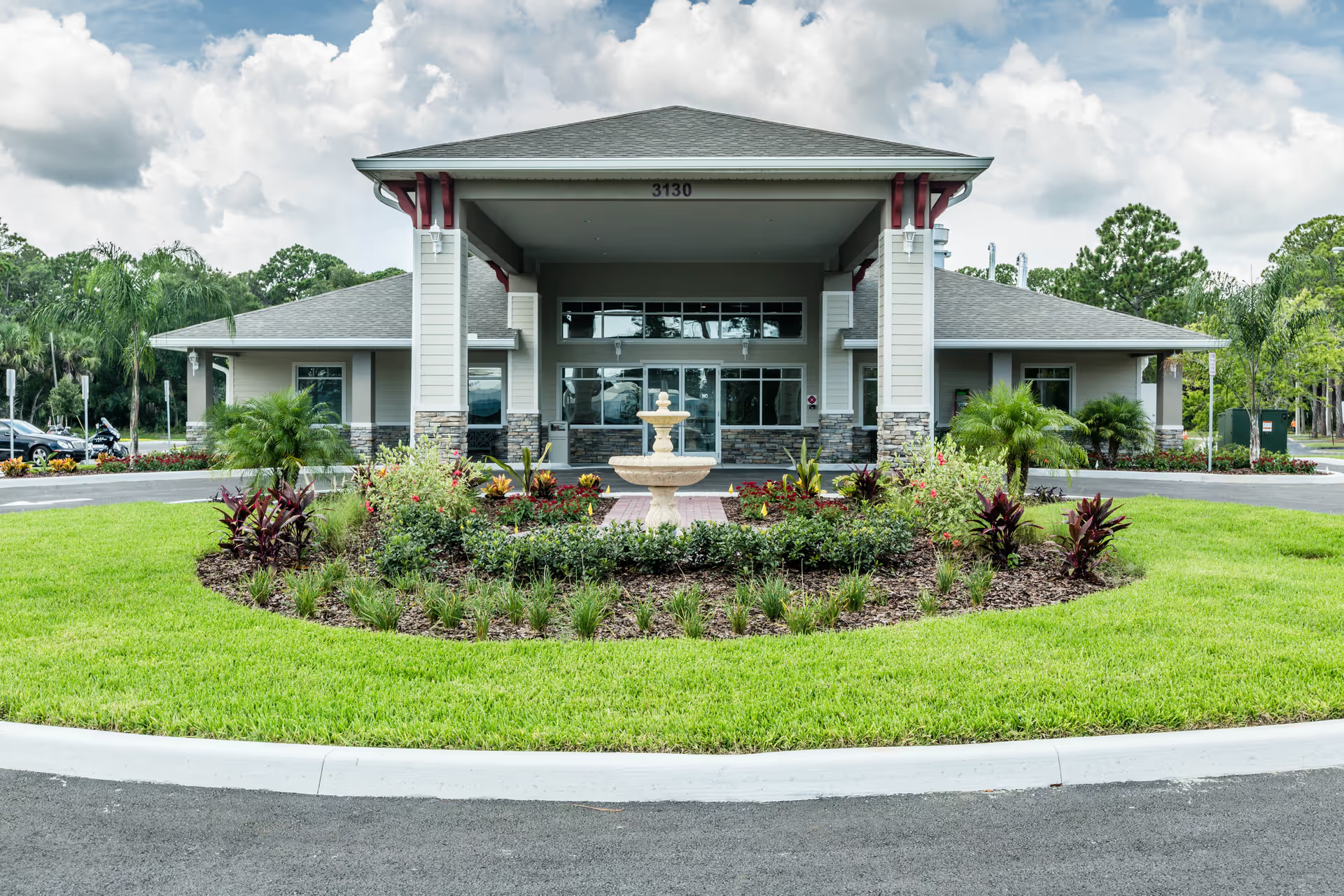
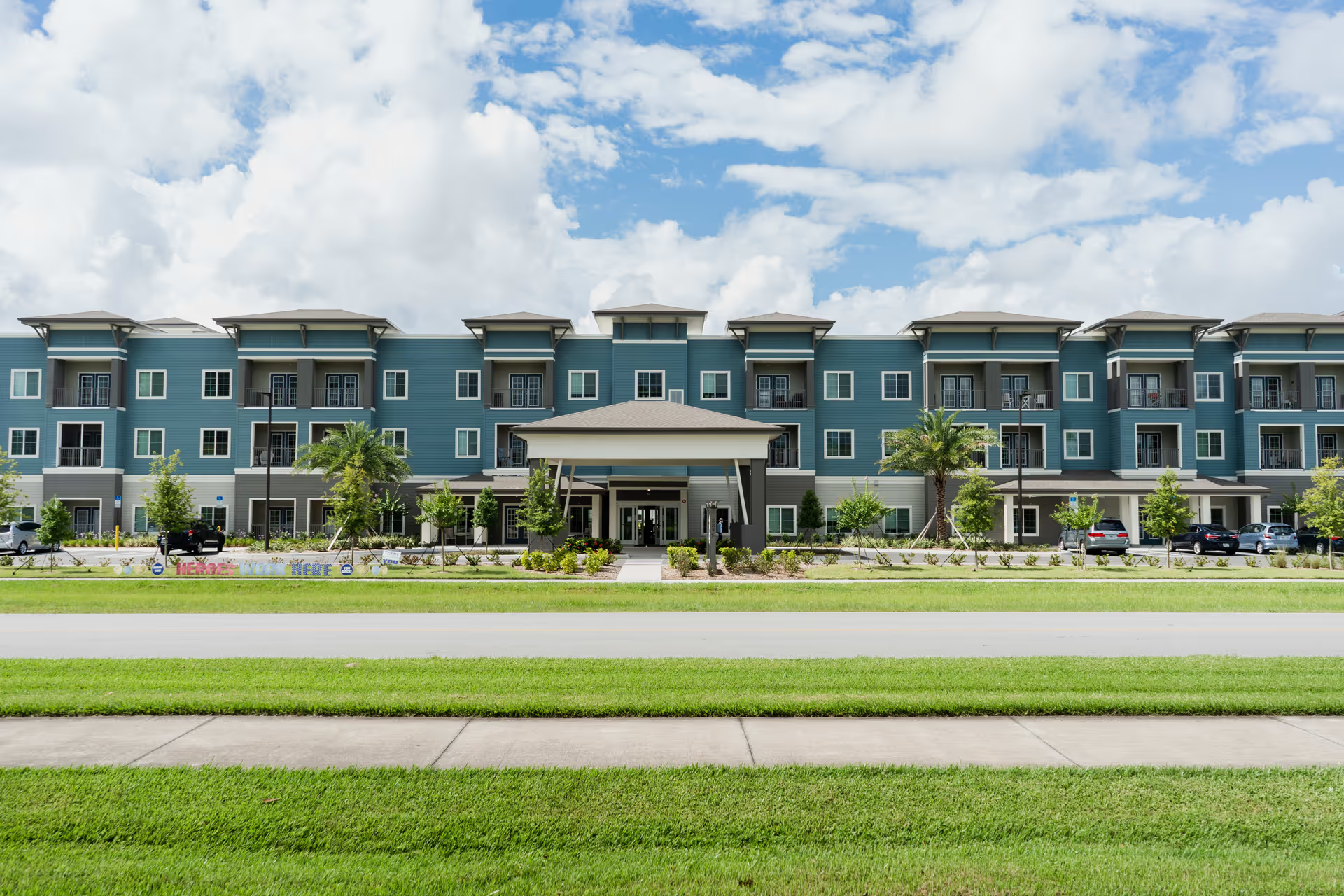
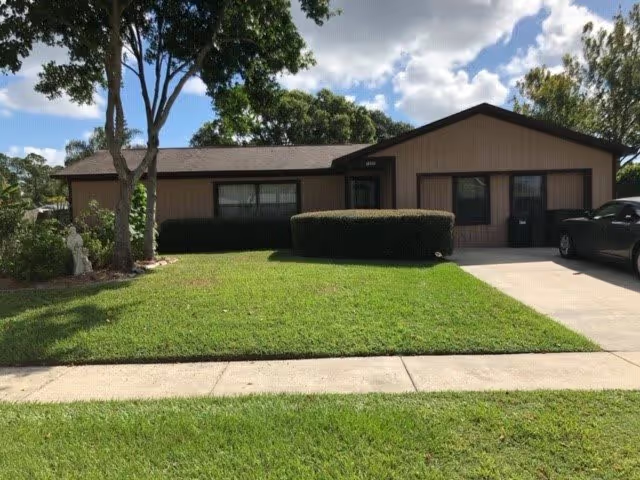
Facilities and management: The facility’s physical environment is repeatedly described as clean, fresh-smelling, and comfortably furnished, with owners visible on-site and emergency-preparedness measures (backup power, extra supplies) in place. However, there are specific operational concerns that recur: pest-control issues in resident rooms, inconsistent handling of family complaints, and questions about placement stability and discharge practices. Pricing is described by some as high relative to the service level; prospective residents should compare contract terms and what is included in fees.
Notable patterns and recommendations: The dominant positive pattern is strong interpersonal care and a home-like setting supported by attentive owners; the dominant negatives are operational and clinical gaps that could affect higher-acuity residents, especially those with dementia or complex medical needs. For families considering Harbor Oaks Golden Years, recommended steps include an in-person tour focused on observing staff–resident interactions, reviewing dementia-care programming and staffing ratios, requesting pest-control records and incident logs, asking for sample menus and meal policies, clarifying clinical escalation protocols and hospice coordination, and reviewing contract terms around discharge and extra fees. These actions will help confirm whether the facility’s strengths align with the prospective resident’s needs and whether the documented concerns have been addressed.