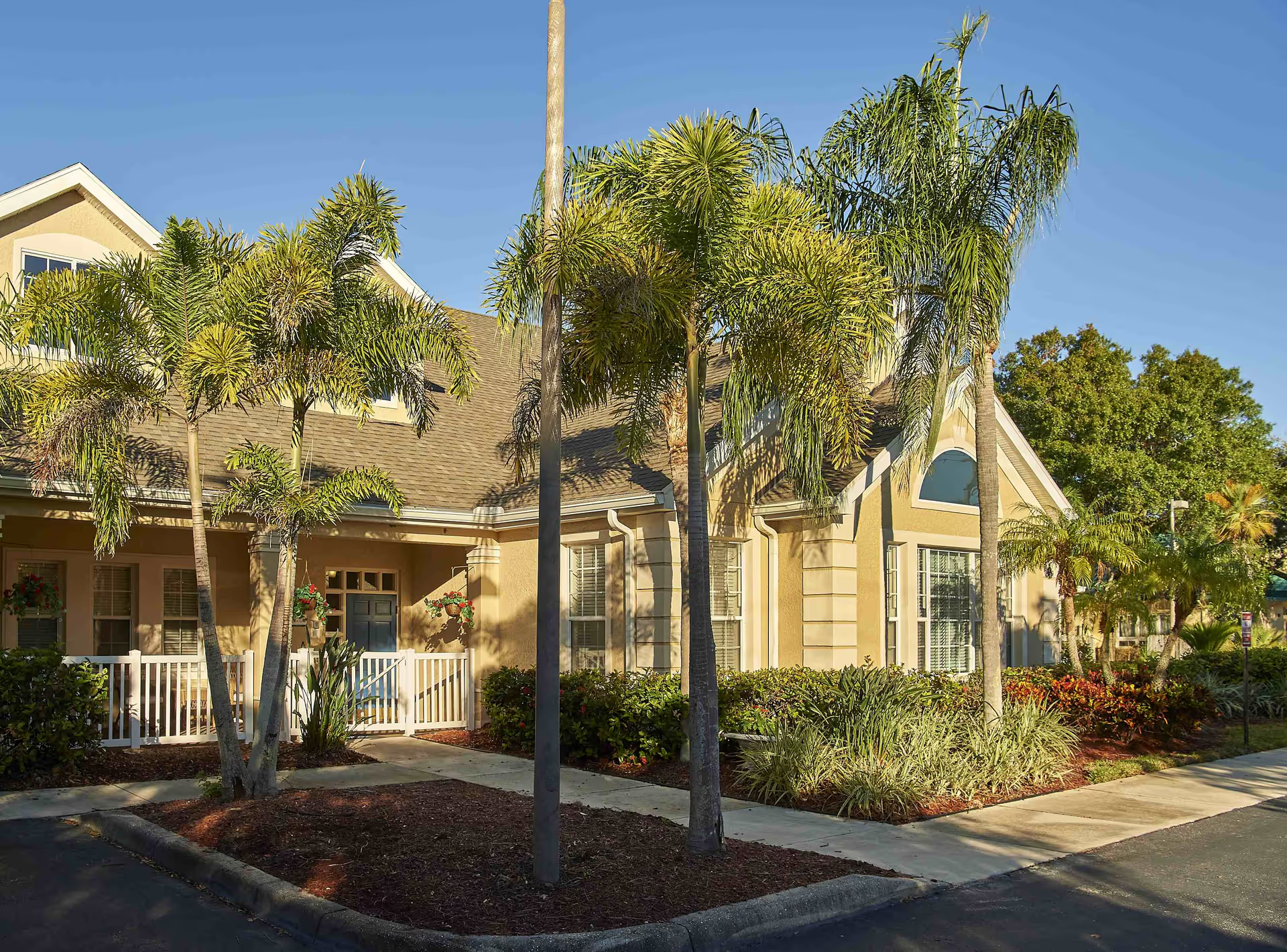
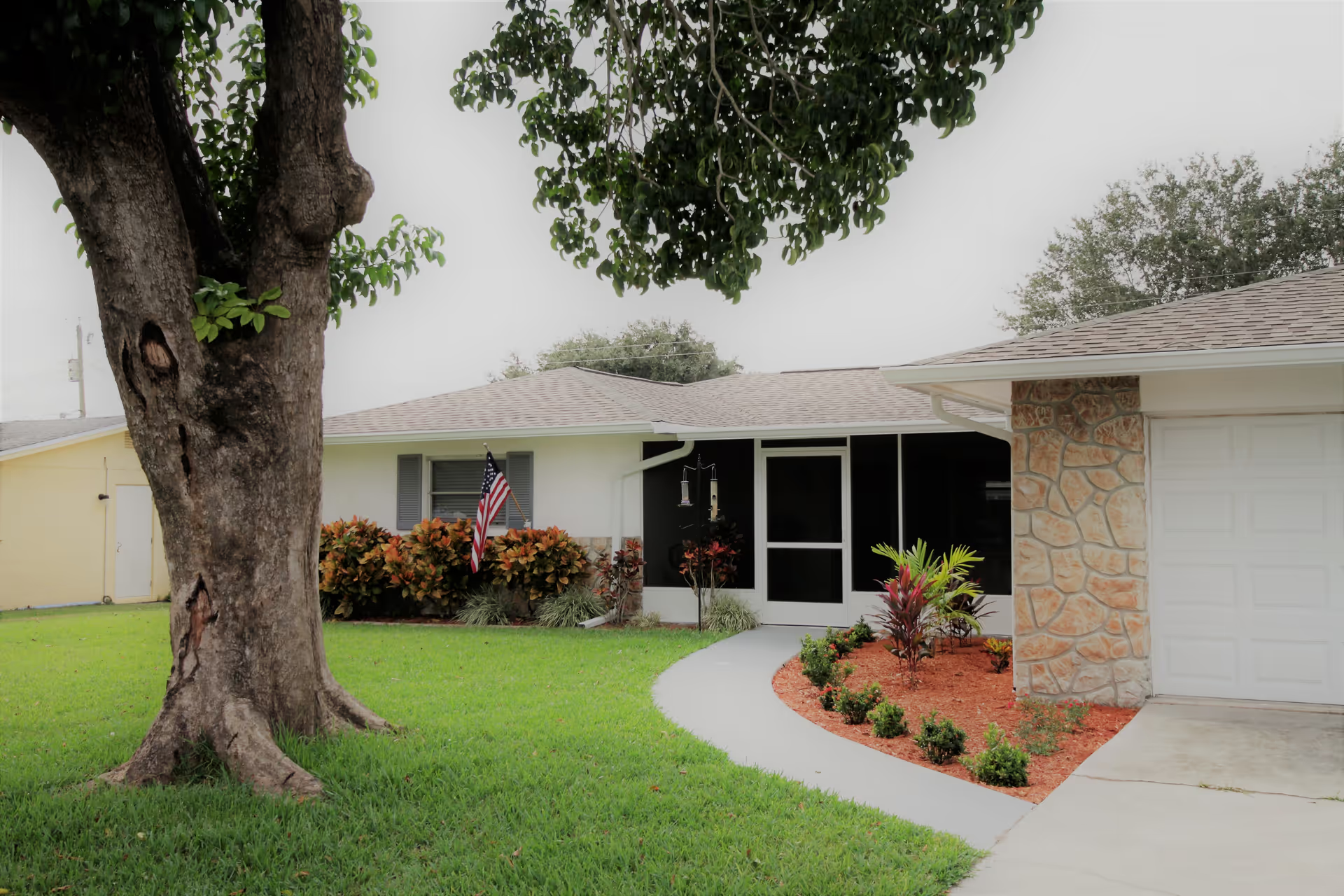
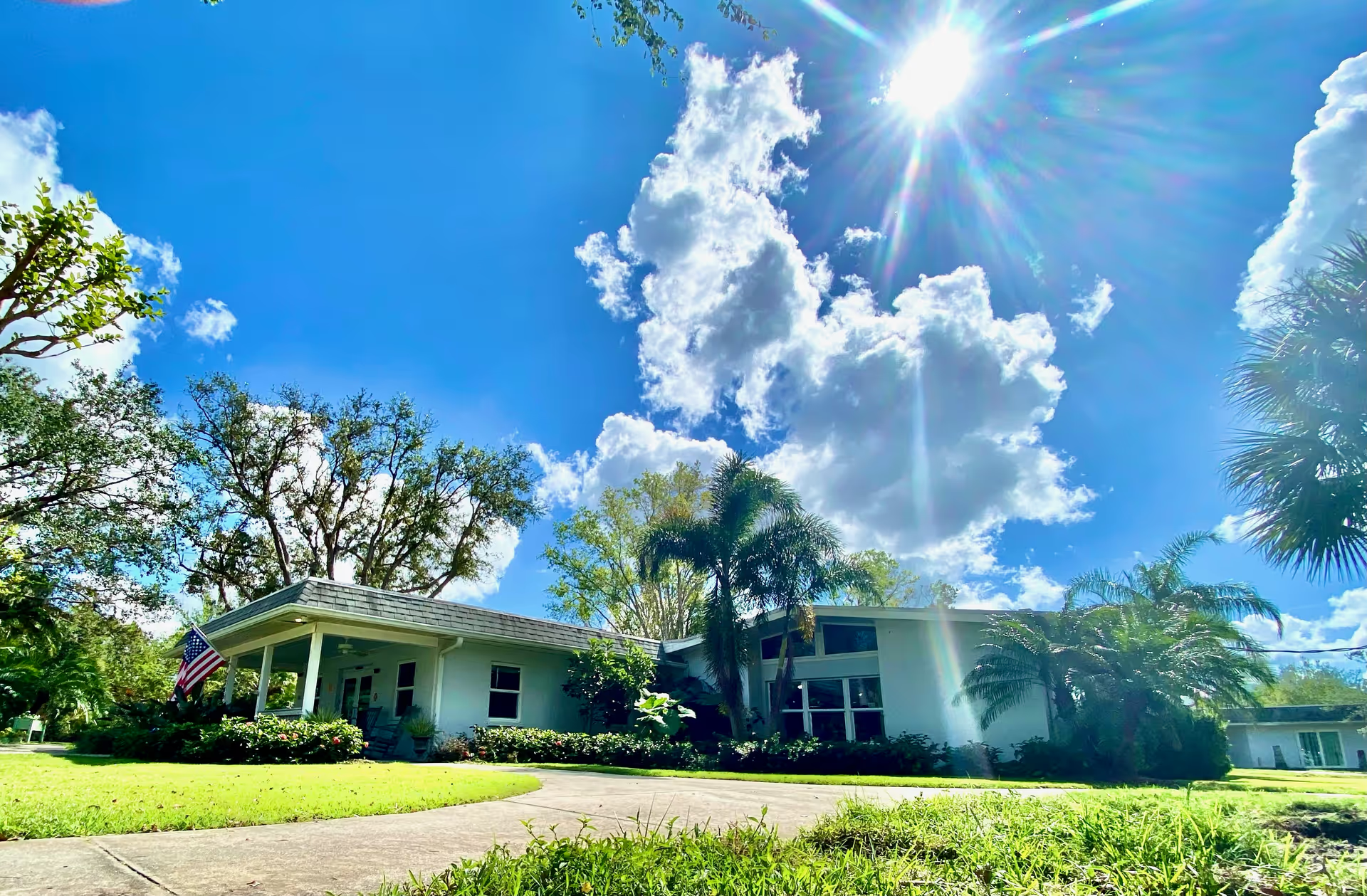
Bayshore Guest Home presents as a small, boutique-style assisted living setting that emphasizes family-style living, personalized plans, and high-touch caregiving. Across reviews families and visitors consistently describe a bright, clean interior, well-kept grounds and multiple outdoor amenities (screened porch, garden, pool). The facility projects a residential rather than institutional atmosphere, with home-cooked meals prepared by an on-site chef, family dining, and frequent music and creative programming.
Clinical and day-to-day care are a central strength in the comments. Reviewers point to above-average staffing ratios, on-site physicians and therapists, coordinated hospice relationships, and an administration that is visibly involved in clinical decision-making and medication management. Several families describe measurable health improvements (weight stabilization, better blood-sugar control, reduced insulin dosing) and appreciate proactive health monitoring and regular updates. Infection-control practices and staff screening/training are also highlighted as robust.
Staffing and culture receive frequent praise: caregivers are characterized as compassionate, attentive, well-trained, and long-tenured, and leadership is described as hands-on and accessible around the clock. Communication with families and external clinicians is generally noted as effective, and the team’s emergency preparedness (local fire-department ties, hurricane response) is mentioned positively. The small size supports individualized attention, rapid admissions, and close family involvement, which many families find reassuring.
Areas that emerge as consistent caveats relate to the facility’s scale and physical plant. The small, home-like model means fewer on-site amenities and occasionally limited activity options; a few reviewers described uneven activity programming or aides not always following through on scheduled programming. The building’s residential origins yield uneven floors and a somewhat maze-like circulation in places, which may affect mobility and accessibility for some residents. Some families also noted intermittent understaffing on particular shifts and occasional inconsistency in family communication.
In sum, Bayshore Guest Home is presented as a high-touch, family-oriented assisted living option with strong clinical oversight, a culinary focus, and a staff culture centered on dignity and personalized care. Prospective residents and families should weigh the benefits of individualized attention, close administrative involvement, and home-like dining against the limitations inherent in a small, older residential facility—notably constrained amenities, episodic staffing variability, and some accessibility/layout considerations. For people seeking a boutique, family-style environment with active clinical coordination, Bayshore appears to be a strong candidate; those requiring expansive programming or a newer, highly accessible building may want to confirm specific activity schedules and mobility accommodations during a tour.