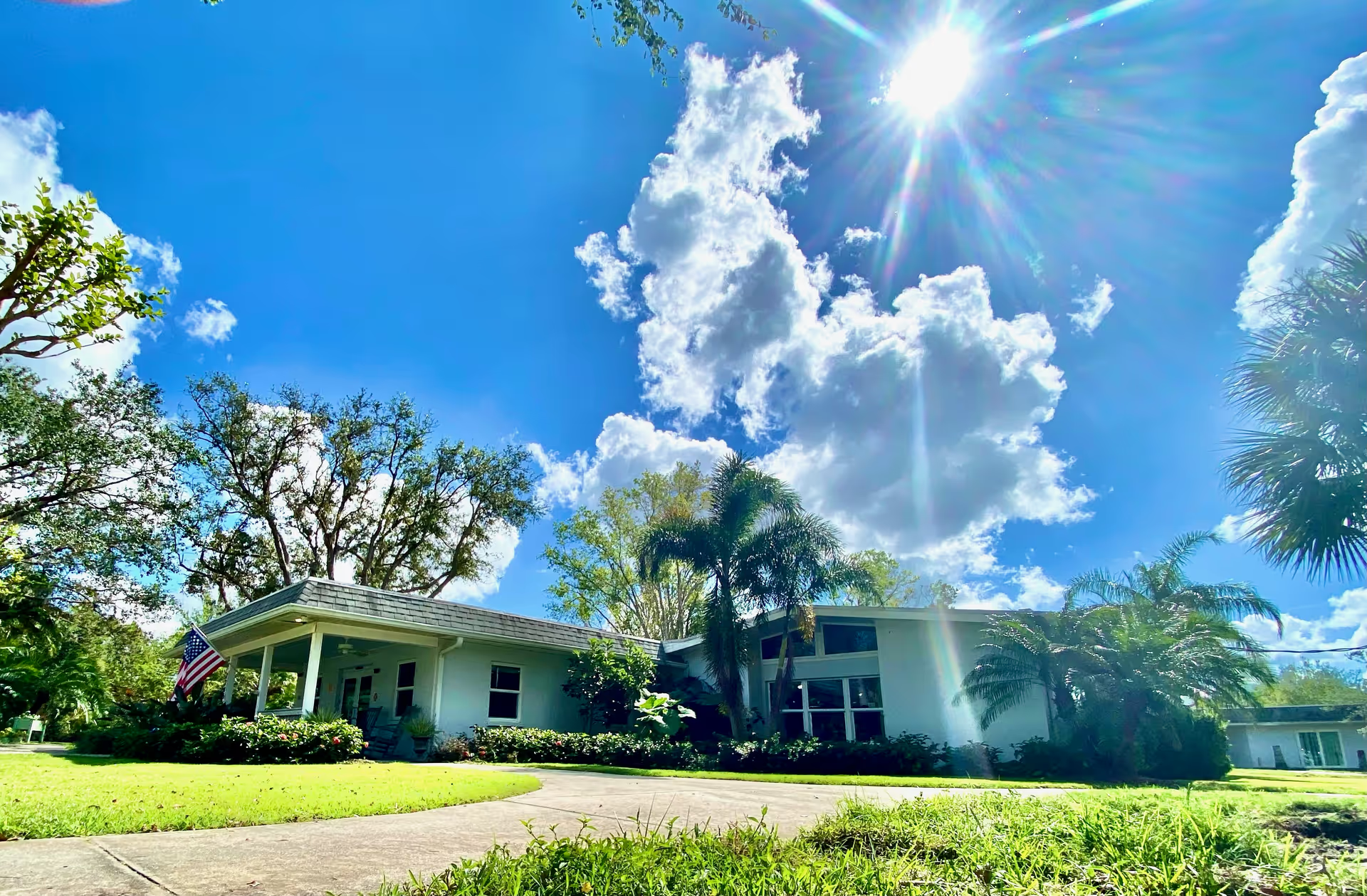
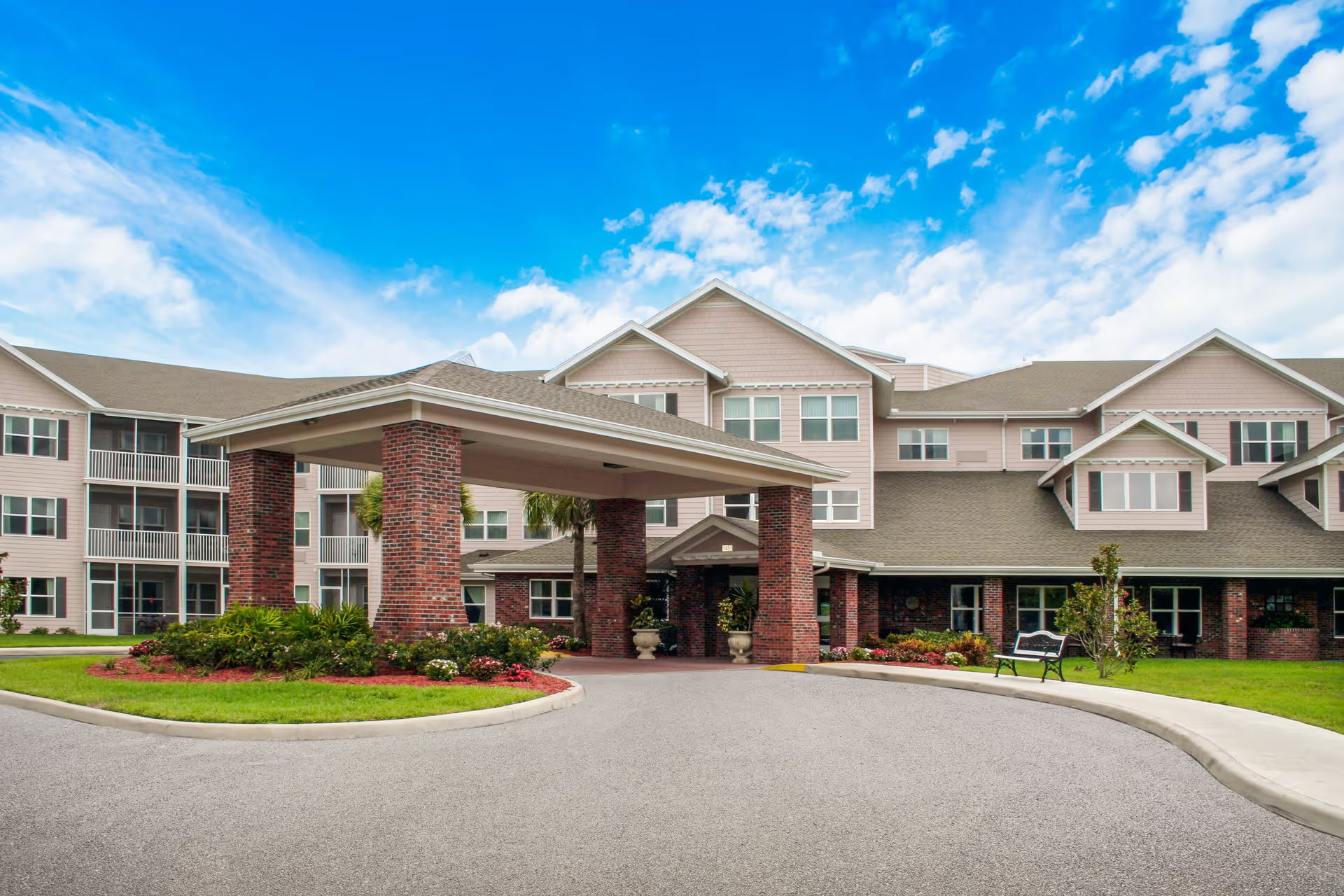
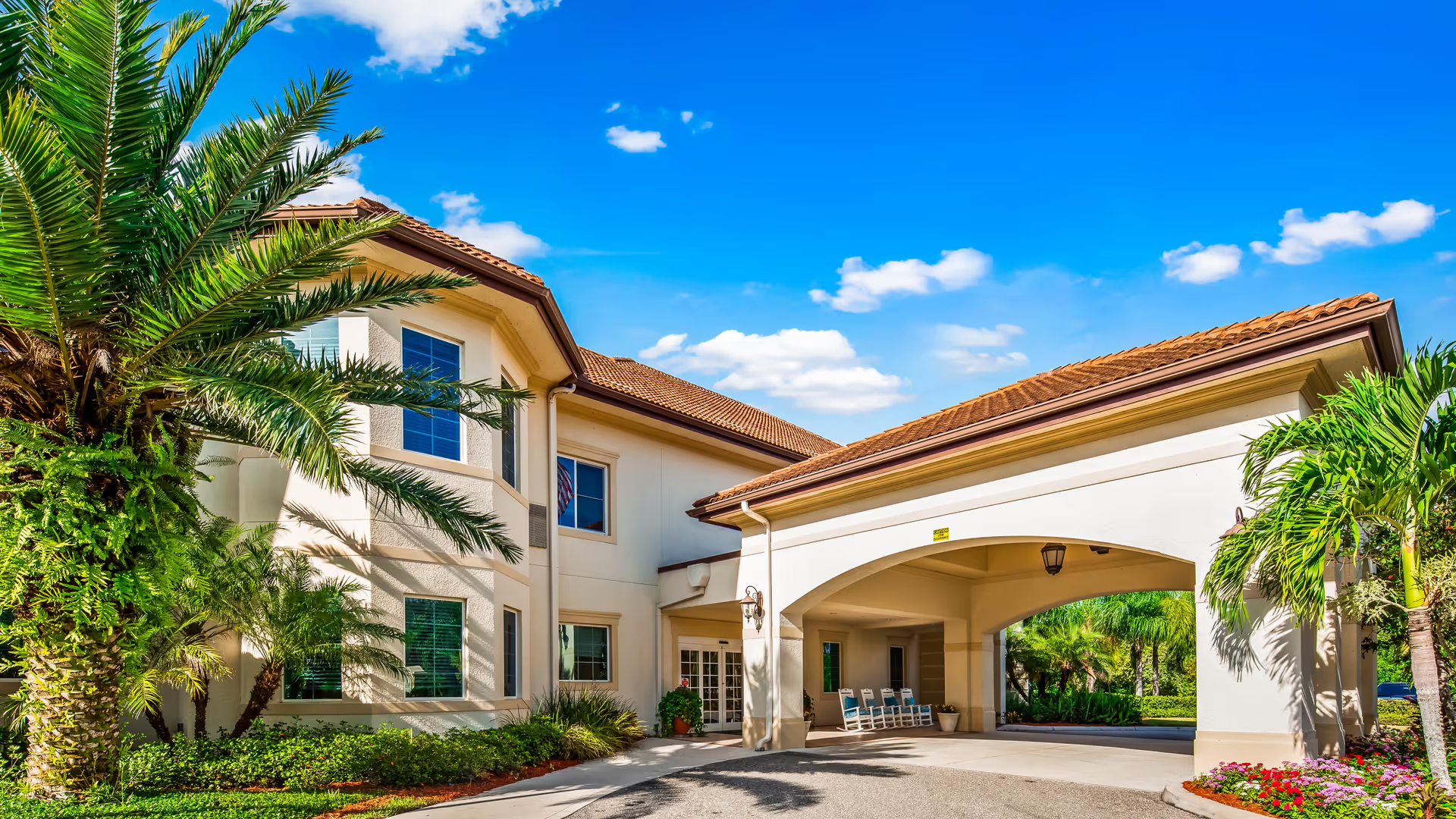
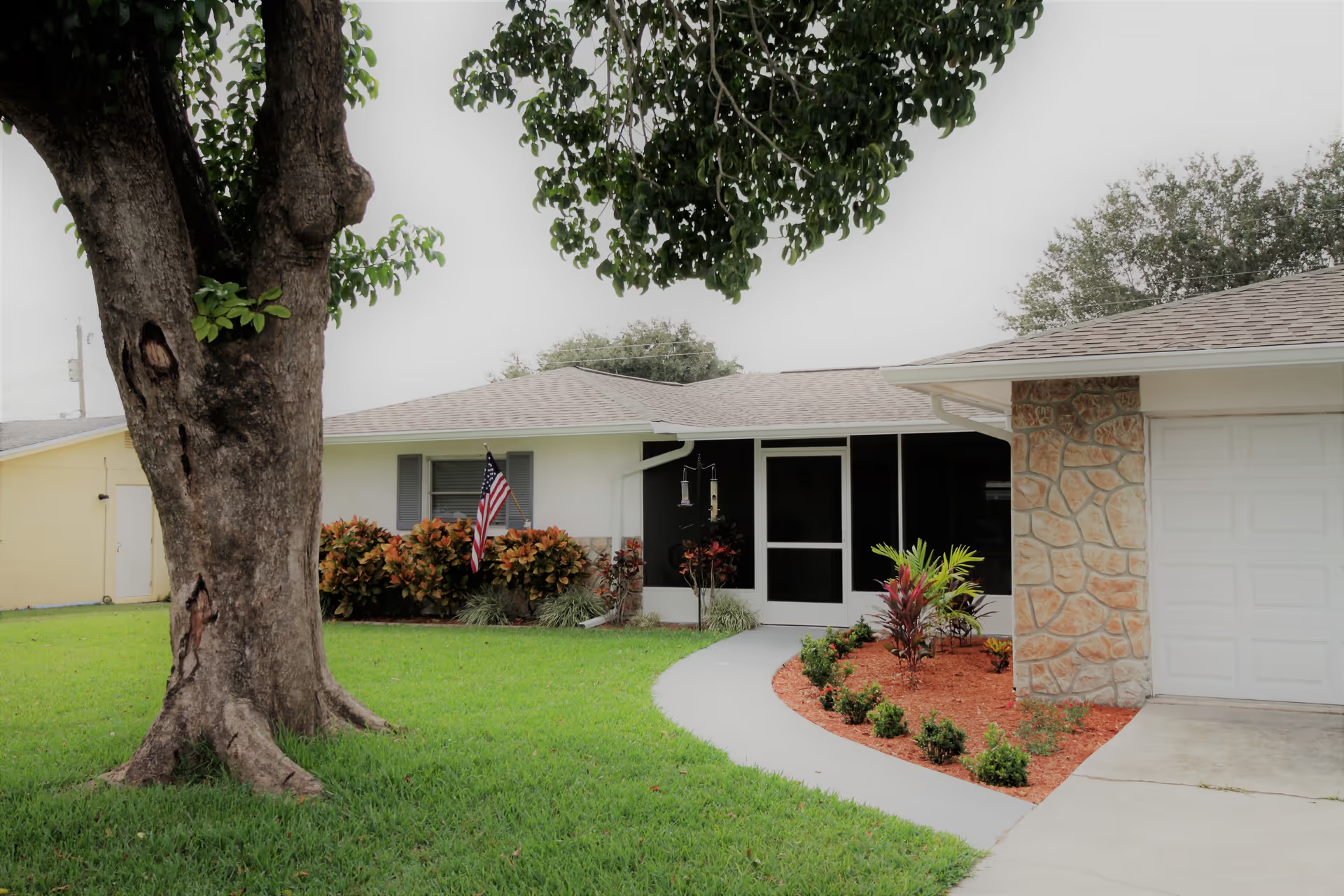
Overall impression: Liana of Venice presents as a modern, well-maintained memory-care community with many features families value. Reviewers consistently highlight a clean, bright facility with a warm, home-like decor, wide hallways and large resident rooms. The community offers a dedicated memory-care program with 24-hour nursing coverage, an on-site nurse practitioner and physicians, hospice availability, and a full activity schedule. Many families describe relief at the environment and the sense that residents are treated with dignity.
Staff and caregiving: A dominant theme is the compassion and dementia-specific training of direct-care staff. Reviewers repeatedly note caregivers who are friendly, know residents by name, and provide personalized activities. Several accounts praise the leadership and clinical staff for being approachable and communicative. At the same time, there is variability in staffing continuity: while some families cite stable, low-turnover teams, others report fluctuations that appear to affect consistency of care. There are also isolated concerns about staff conduct and supervisory oversight that prospective families should explore during a tour.
Clinical quality and safety: Many reviewers commend the clinical resources on site, but a subset describe serious clinical events—including hospital-level illnesses, pressure injuries, respiratory infections, and falls—that point to gaps in wound prevention, acute monitoring, and medication oversight. The presence of these outcome-level concerns suggests the need for careful inquiry into the facility’s skin-integrity protocols, fall-prevention procedures, frequency of nursing assessments, and medication-review practices, particularly for residents with dementia who are more vulnerable to adverse effects.
Dining and activities: Dining and programming are frequently cited as strengths. The community’s chef and planned menu receive positive remarks, and activities range from card games and music to pet visits, visiting entertainers, and social events like ice-cream socials. Several families note active engagement and effective family communication via social media and photos. However, there are mentions of inconsistent food quality and limited weekend activities in some accounts, so clarification about menu consistency and weekend programming is advisable.
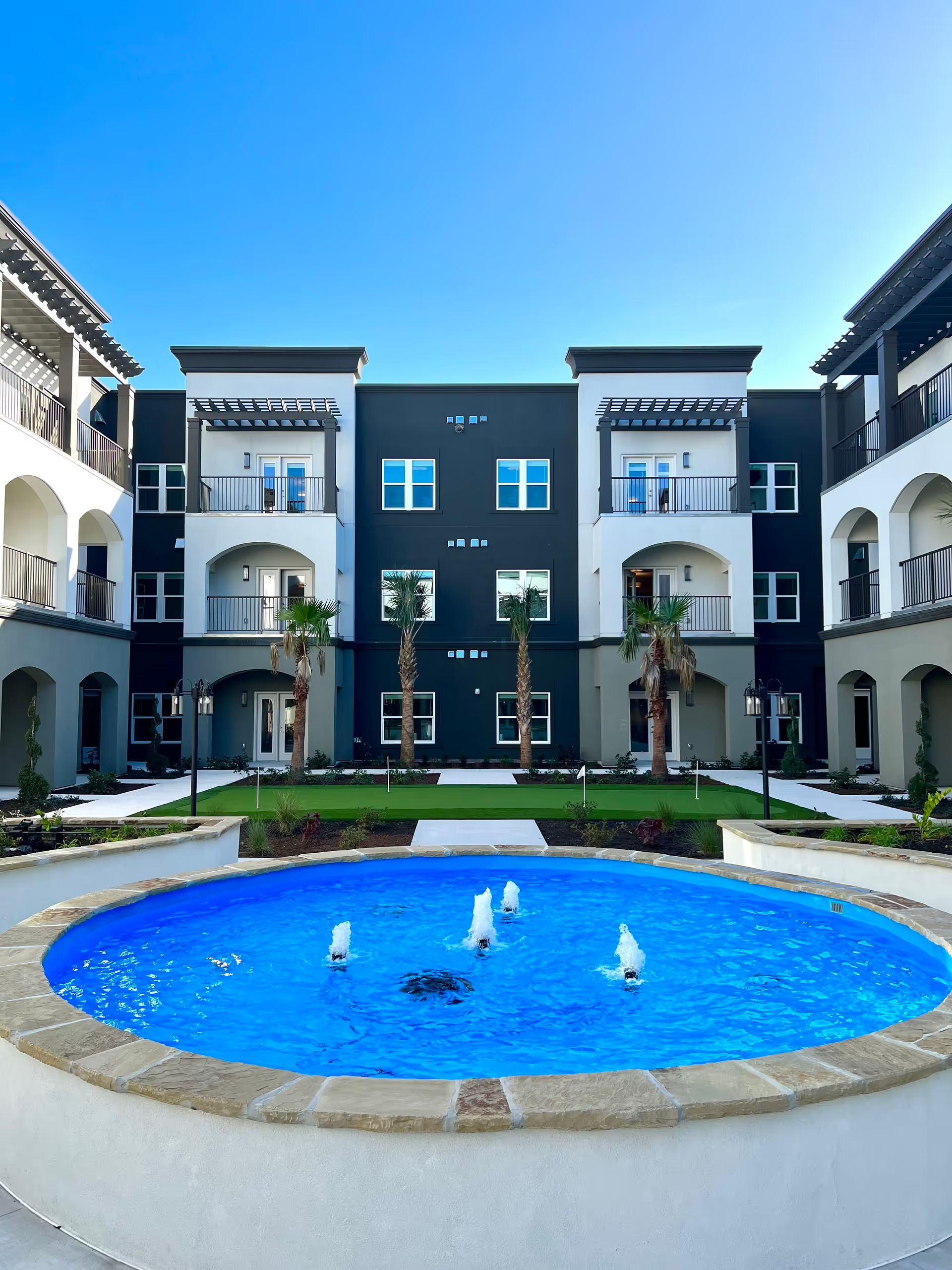
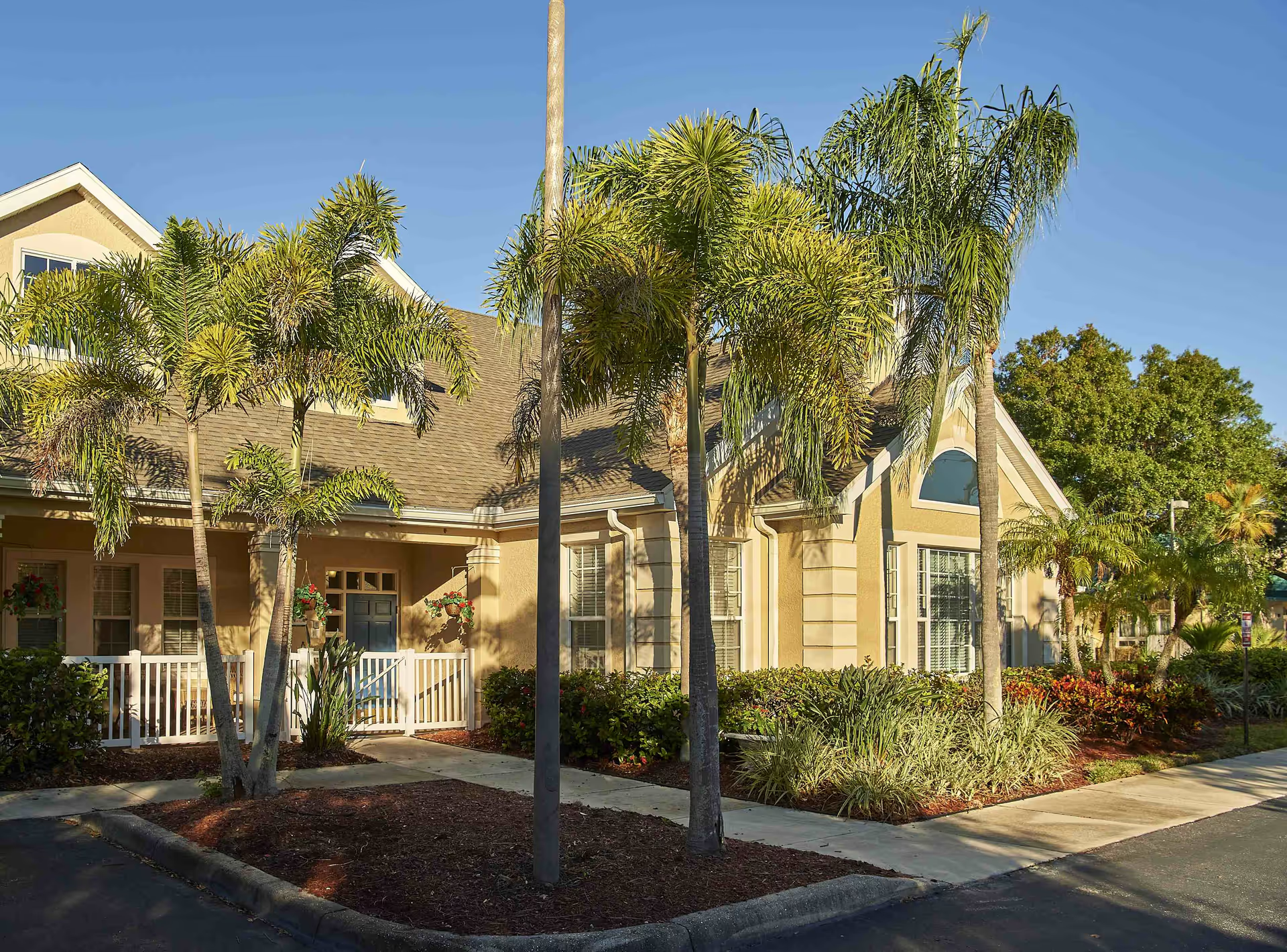
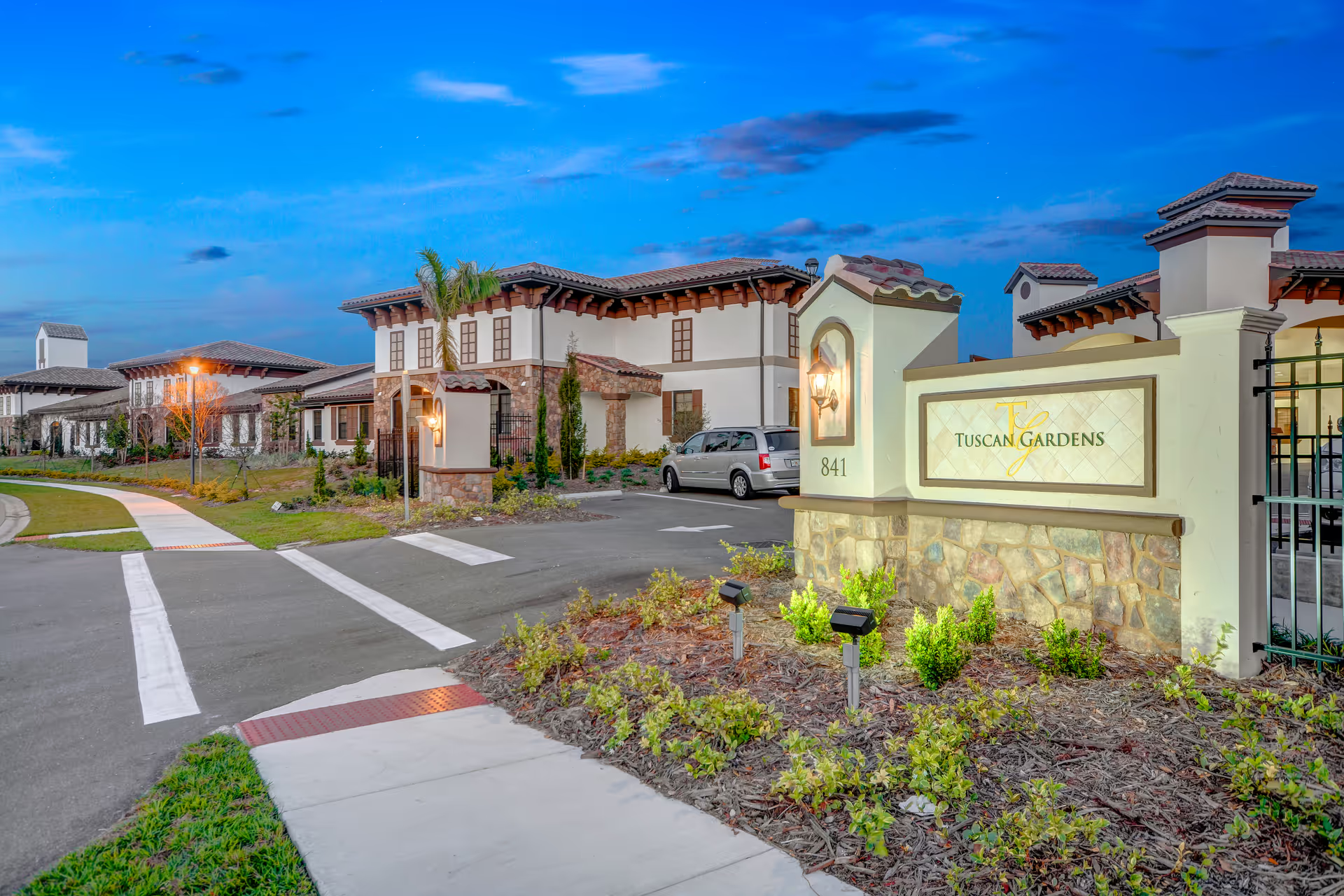
Facilities and amenities: The facility’s new construction, cleanliness, and thoughtful design are repeatedly praised; reviewers note no-clutter hallways, good lighting, and pleasant common areas. Maintenance staff are described as friendly and responsive. A common limitation cited is the relative lack of landscaped outdoor space—courtyards are described as largely concrete without much greenery—so outdoor access and gardening opportunities may be limited.
Management and patterns to watch: Admissions and communication are often described as smooth and prompt, with staff going above and beyond during tours and move-in. That said, several reviews raise concerns about inconsistent management oversight, restrictive visitation practices during early admission periods, and operational choices that some families perceive as prioritizing logistics or finances over individualized care. Given the mix of strongly positive caregiver experiences and isolated but significant clinical concerns, prospective families should request detailed information on staff-to-resident ratios, turnover statistics, nursing assessment schedules, skin-integrity and fall-prevention protocols, medication-review policies (including use of higher-risk agents in dementia), and visitation rules. Touring during different times of day and speaking with both clinical leadership and current family members can help clarify how consistently the facility’s strengths are delivered.