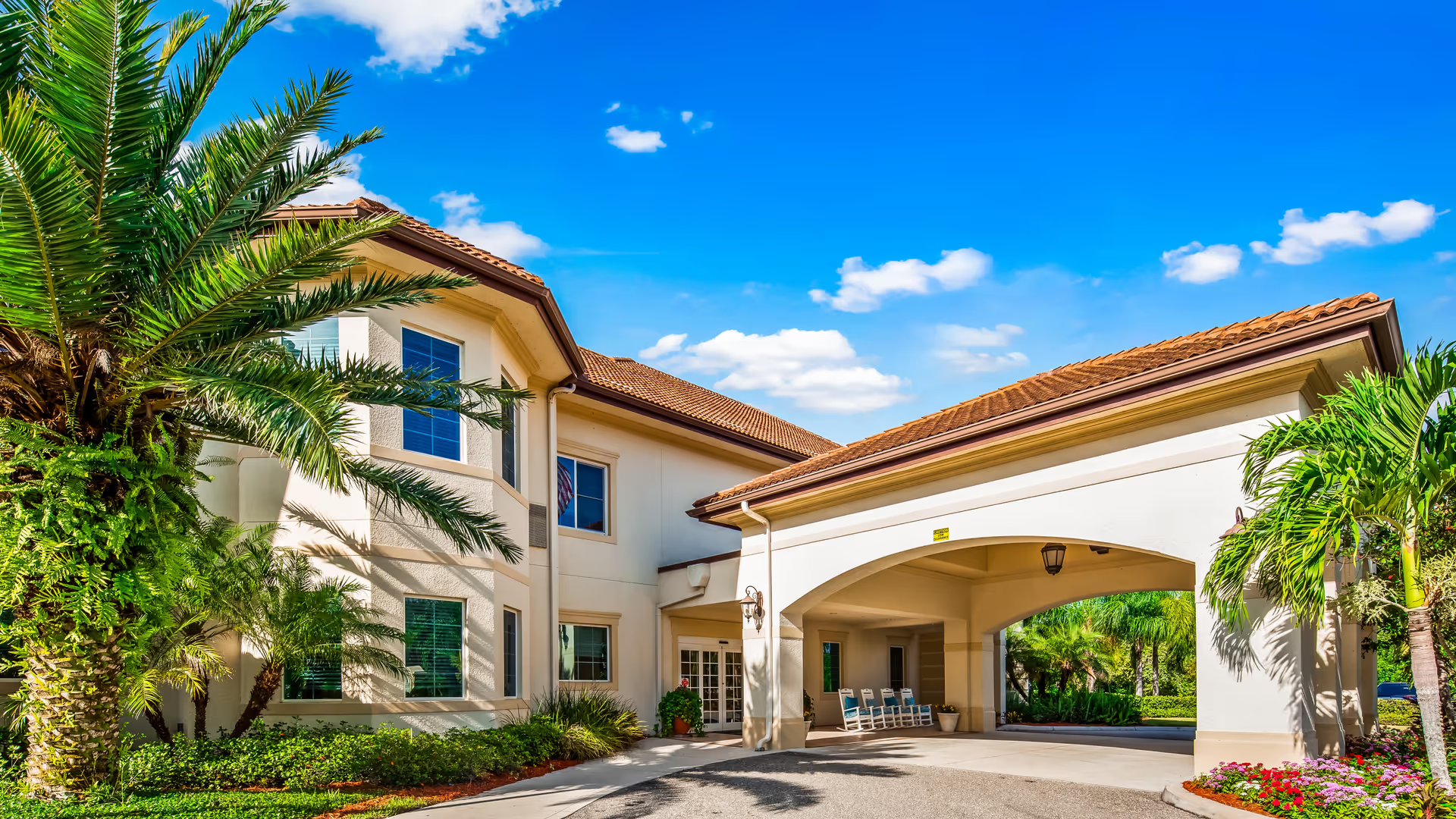
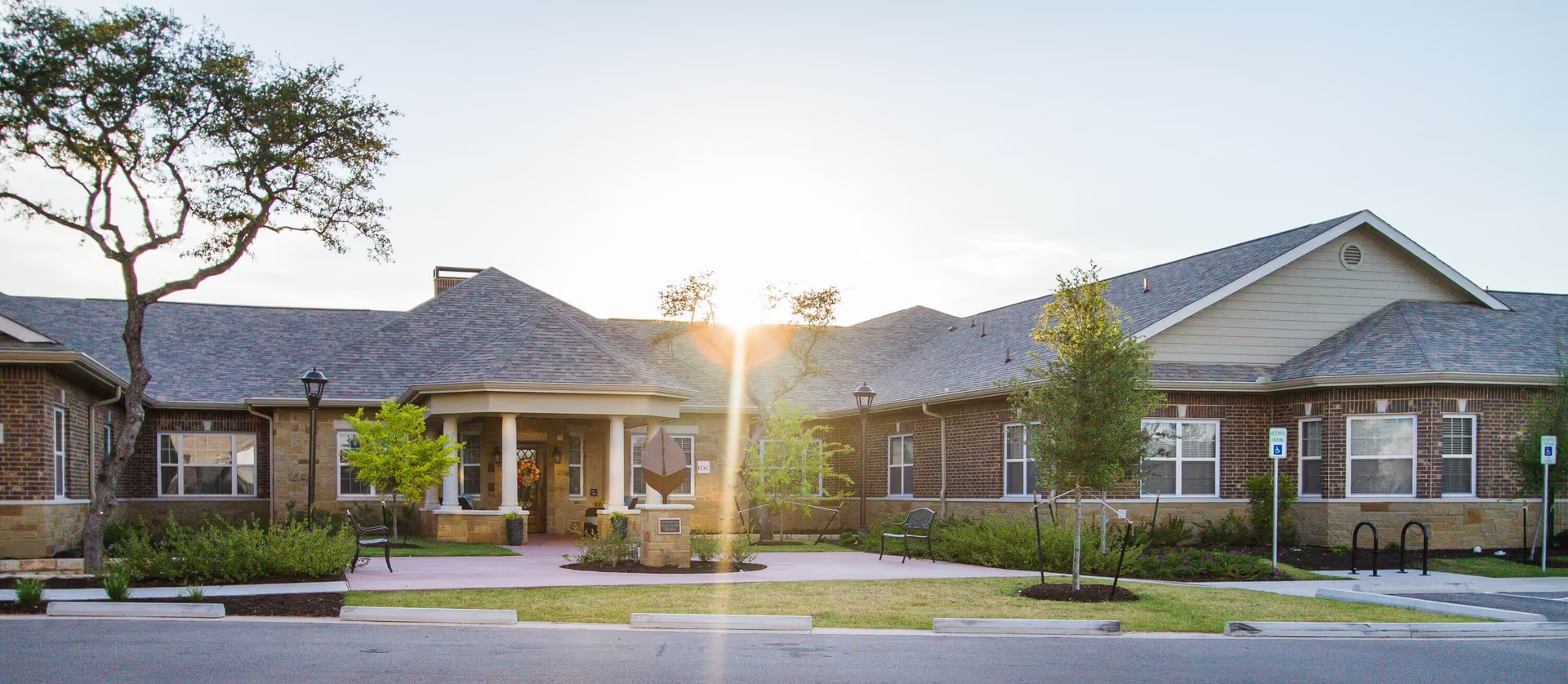
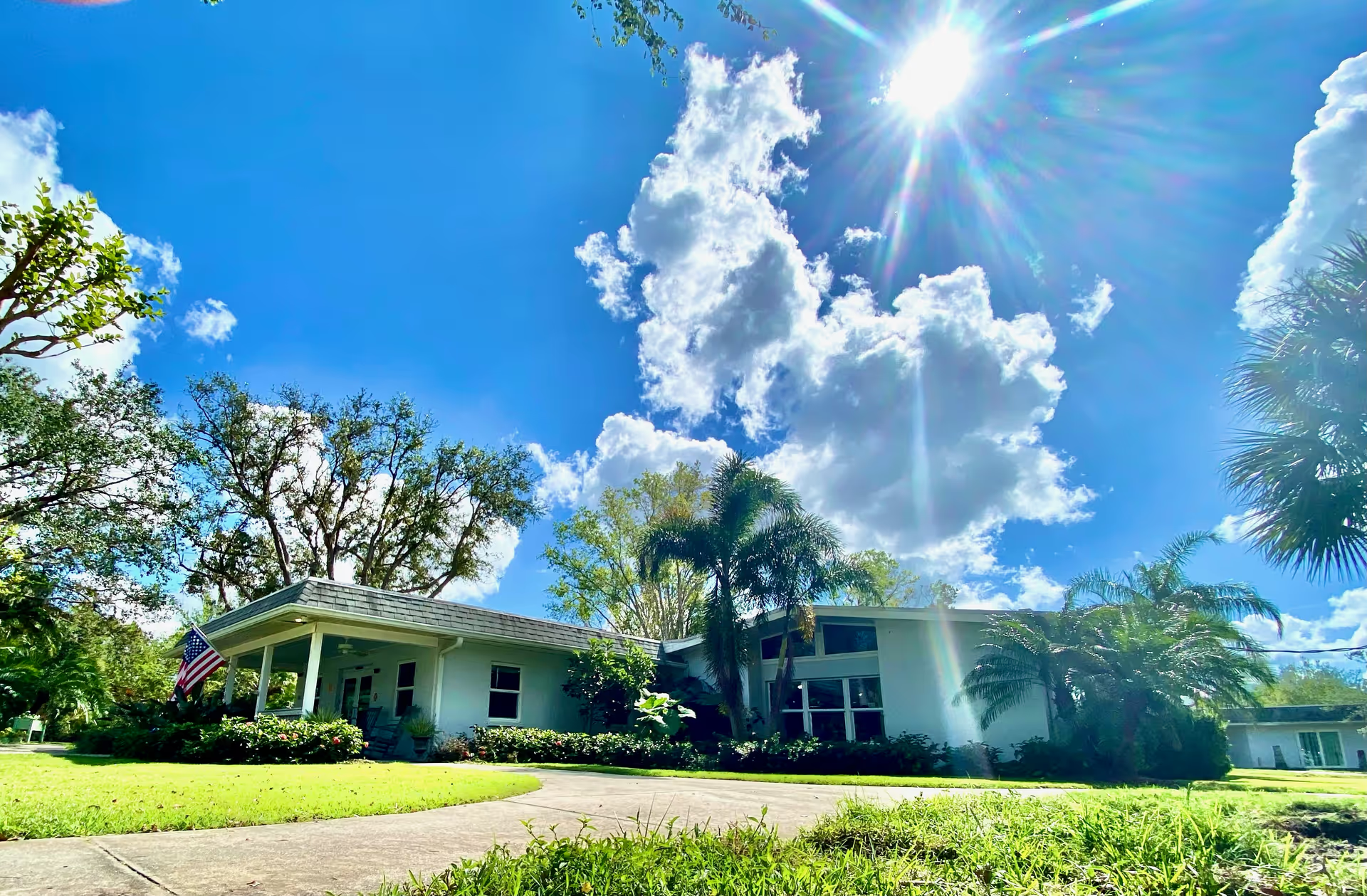
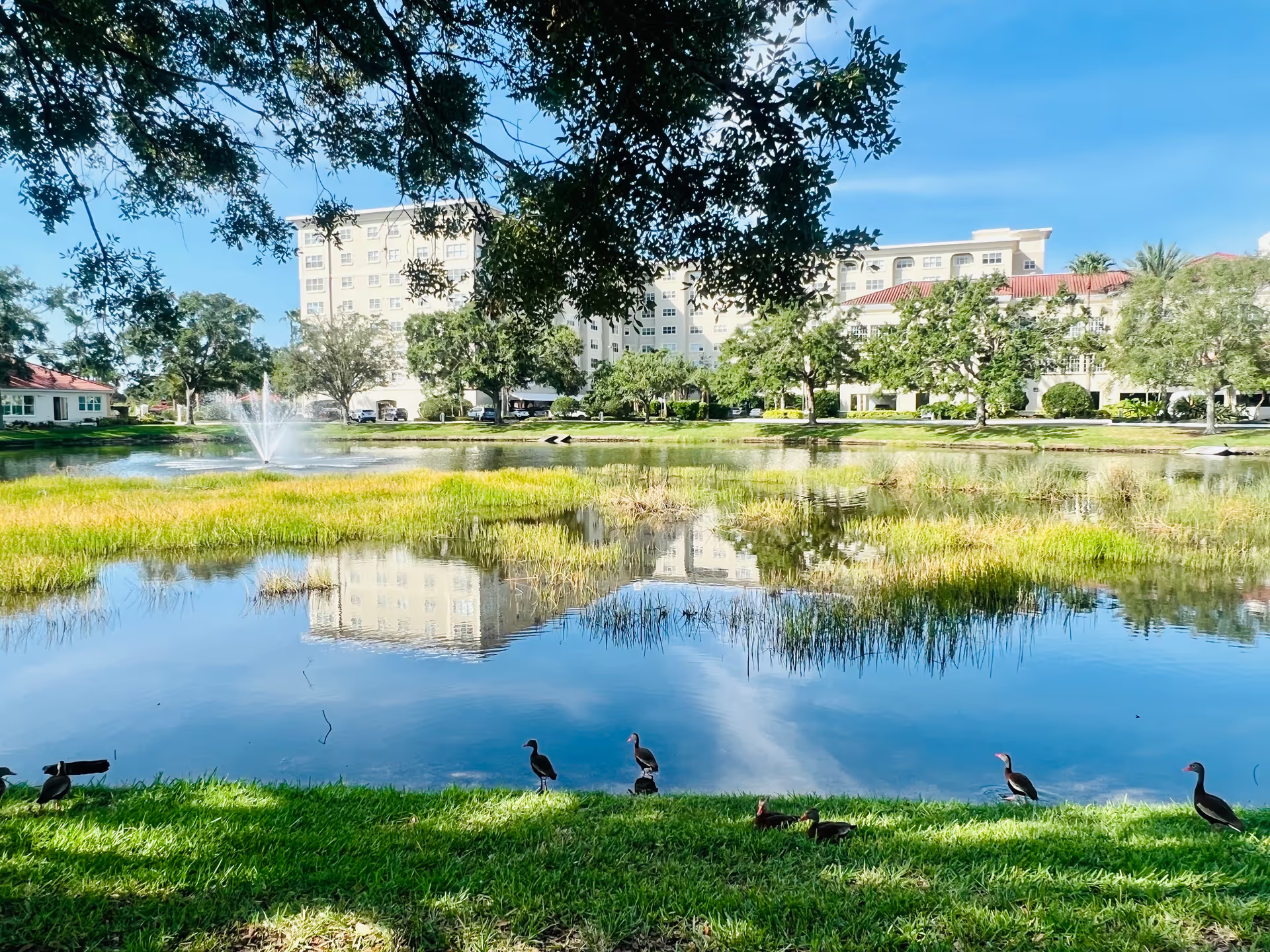
Venetian Gardens presents as an attractive independent-living community with many features families and residents value. Consistently cited strengths include well-maintained grounds and common areas, a variety of on-site amenities (heated pool, library, media/billiards rooms, exercise and activity spaces), and an active social calendar that promotes daily interaction. Long-tenured residents frequently describe a family-like atmosphere and strong peer networks, and many families praised the transition process, housekeeping, and the availability of on-site home-health and therapy options or trusted third-party care providers.
Staff performance is a prominent positive theme: local staff are routinely described as compassionate, personable, and attentive. Dining staff and several chefs receive positive mentions for meal presentation and individualized attention. At the same time, reviewers also described operational pressures on staffing — turnover, shortages, and uneven shift coverage — that affect service consistency. These staffing challenges are linked in several accounts to slower responses on maintenance requests, longer meal wait times, and intermittent gaps in activity leadership.
Dining is a mixed area. Many residents enjoy the meals and the social benefit of communal dining; the kitchen and chef engagement are frequently noted. However, there is a recurring pattern of variable food quality, limited menu flexibility for specific dietary needs, occasional portioning or service continuity problems, and wait-time concerns. Prospective residents with strict dietary requirements should verify menu accommodations and portion availability during tours.
The activity program is broad and generally well regarded: exercise classes, bingo, religious services, outings, games, and musical entertainment are regular offerings that support social engagement and wellness. That said, some reviews indicate uneven programming when dedicated activity staff are absent or when staffing shortages reduce the breadth or frequency of offerings.
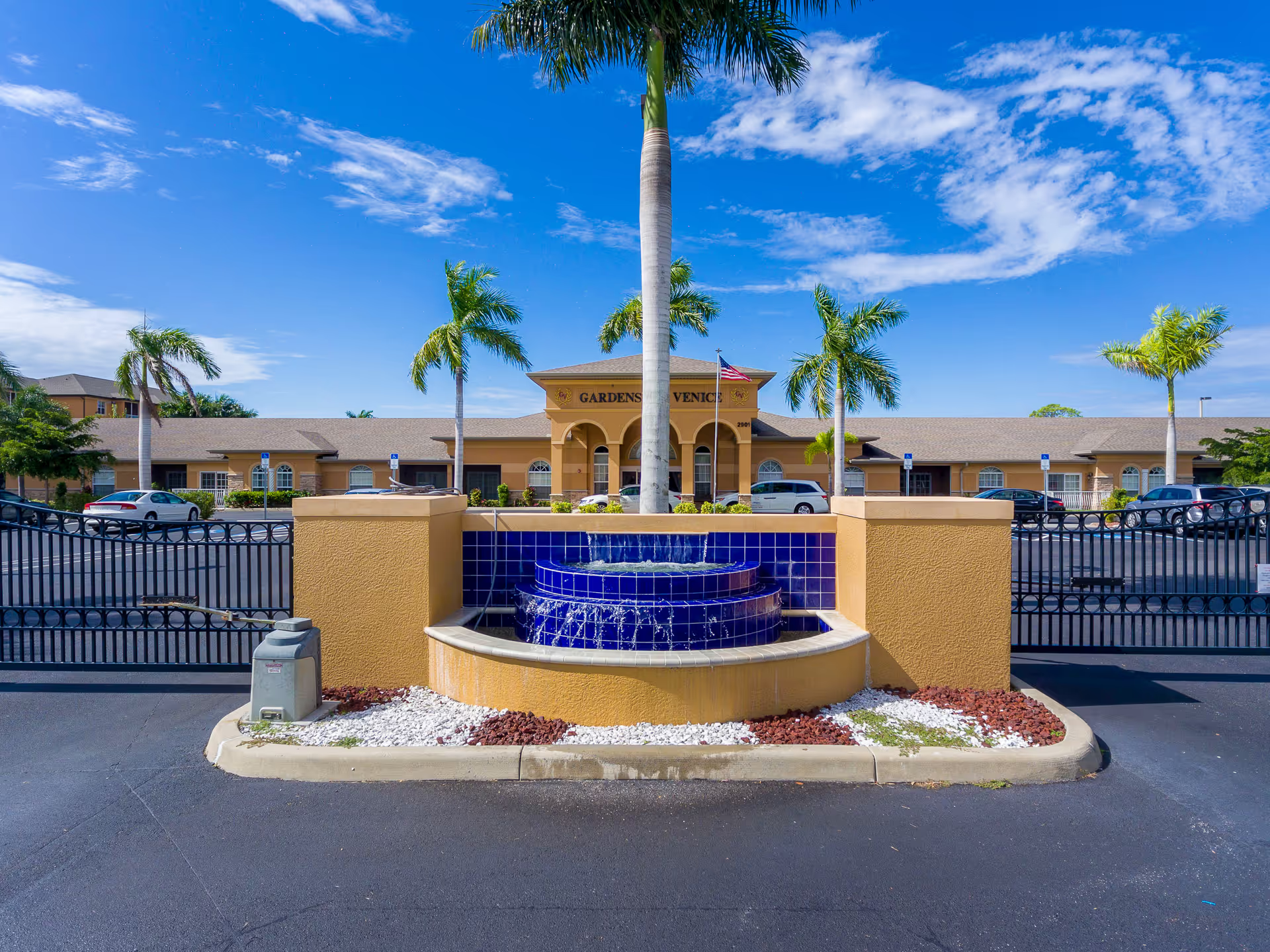
Facility-level strengths coexist with infrastructure and maintenance limitations. The building and apartments are often described as clean and up to date, with useful common-area amenities. Yet multiple reviewers flagged aging building components and delayed repairs — examples include elevator unreliability, roof and hurricane-related repairs, refrigeration or drainage issues in units, and limited in-unit cooking facilities (many units lack ovens/stoves). Notably, disaster-resilience features such as a facility generator were described as absent, which is a practical consideration in this region.
Management and administrative patterns show divergence: local managers and several department leads receive praise for communication and resident engagement, while corporate-level instability, inconsistent follow-through on promised upgrades, and occasional billing or administrative coordination problems were also described. Those organizational inconsistencies appear to amplify the operational impact of staffing and maintenance shortfalls for some families.
Overall impression: Venetian Gardens offers a socially active, amenity-rich independent-living option with a strong, caring local staff culture and meaningful on-site clinical partnerships. The major trade-offs are operational: inconsistent staffing and turnover, maintenance and infrastructure gaps, variable dining consistency, and some administrative/management coordination issues. These patterns mean the community can be an excellent match for residents seeking social engagement and supportive independent living, but prospective residents and families should perform focused due diligence on meal accommodations, emergency-resilience features, elevator/transport arrangements, maintenance response protocols, and current staffing levels before committing.