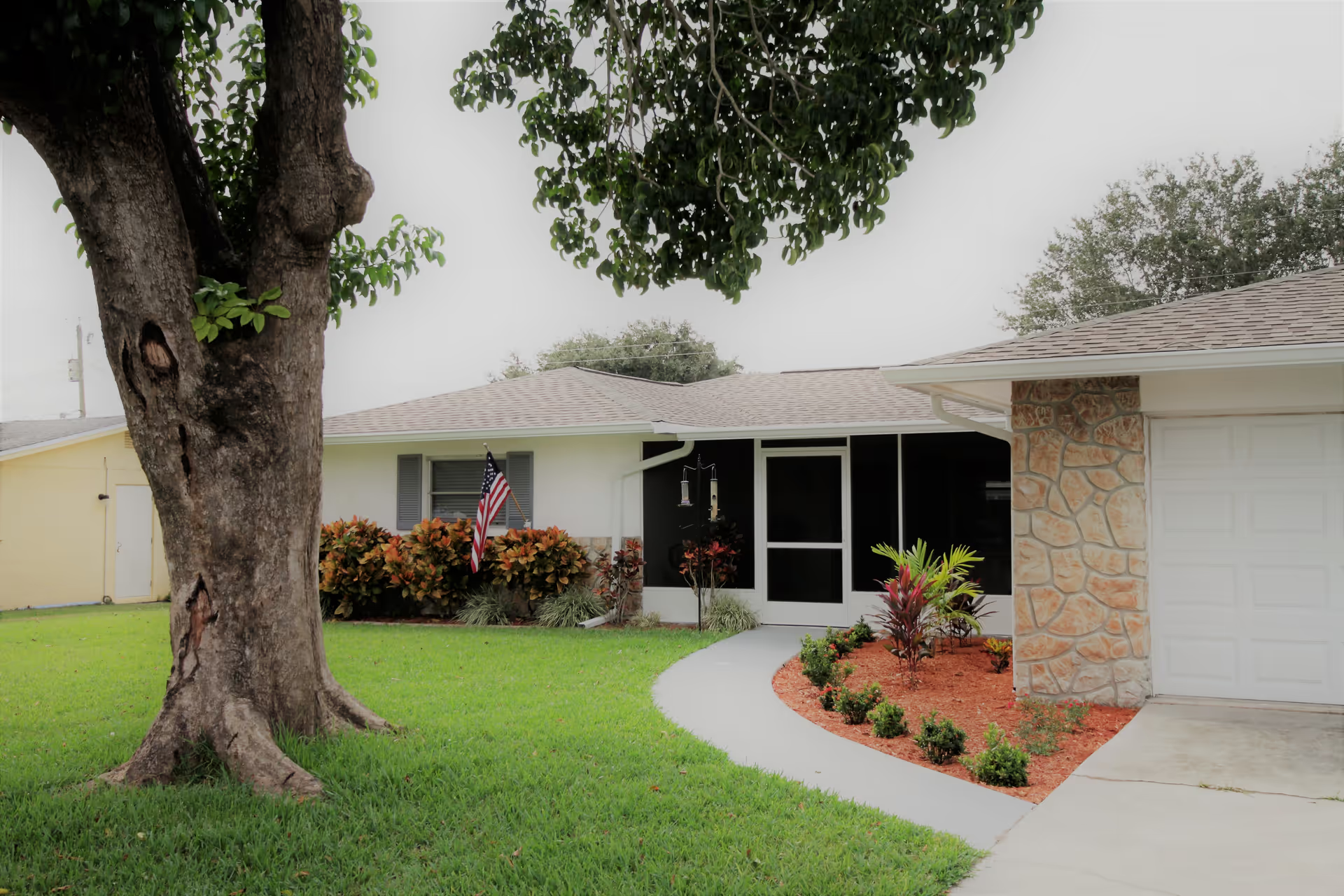
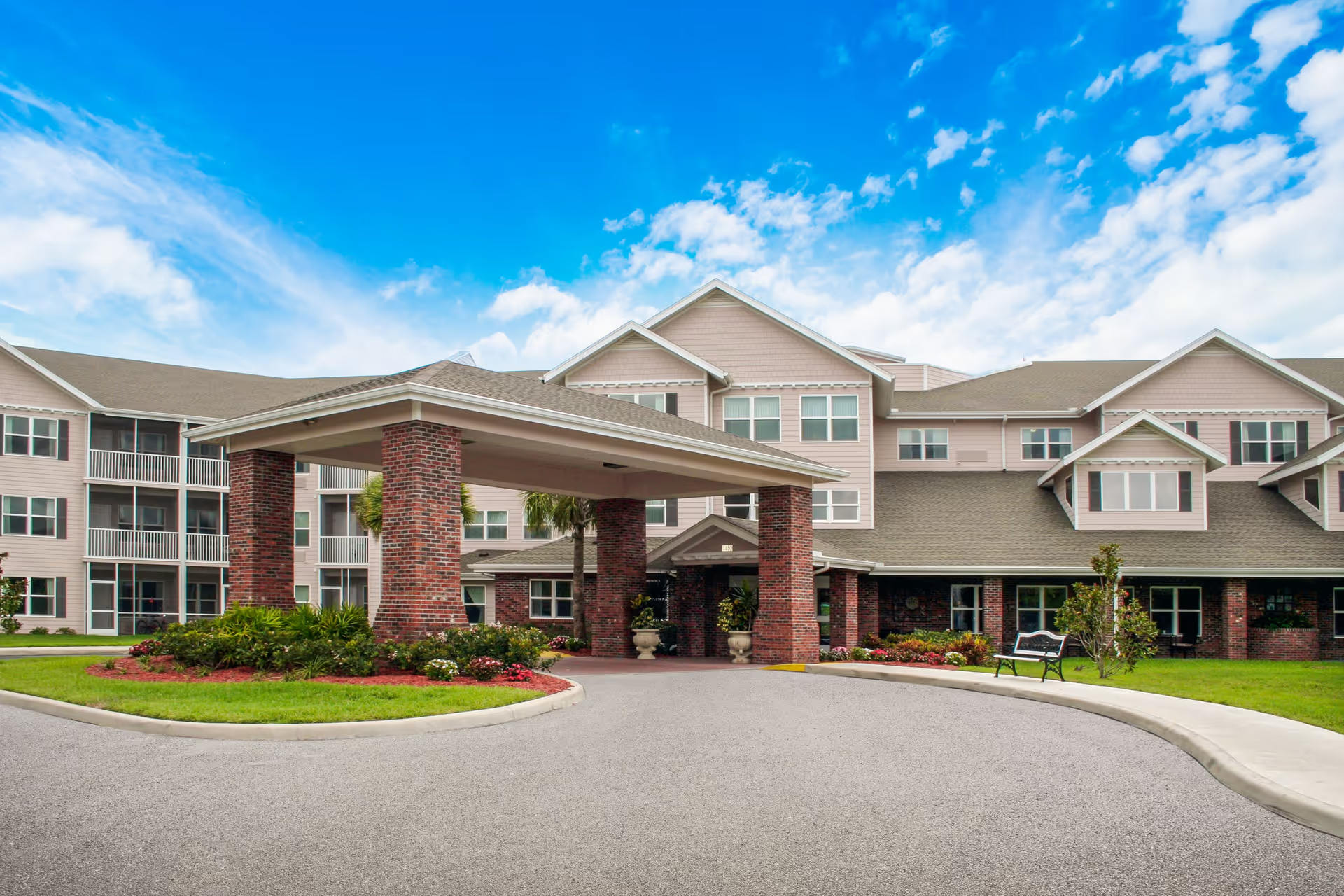
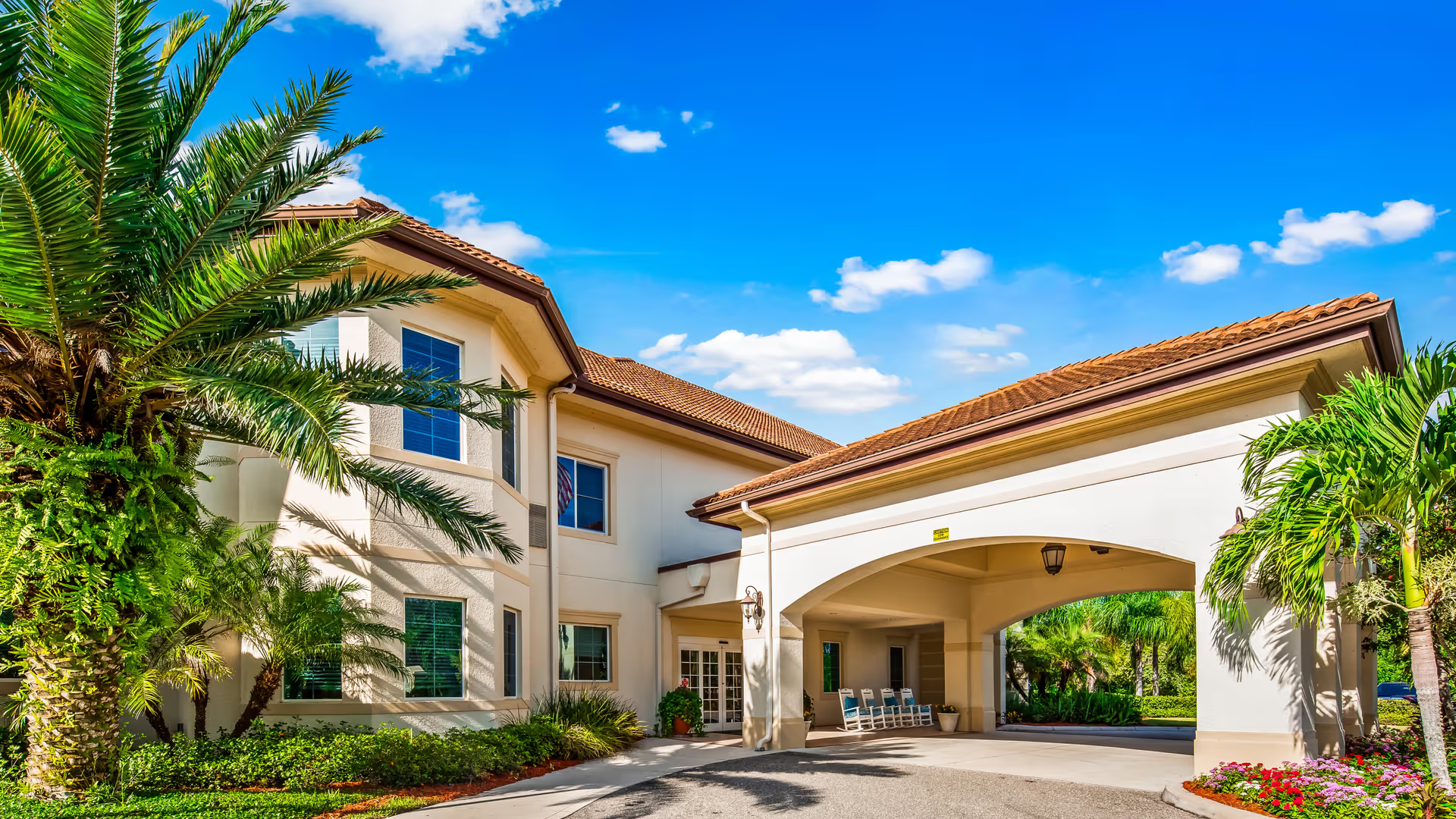
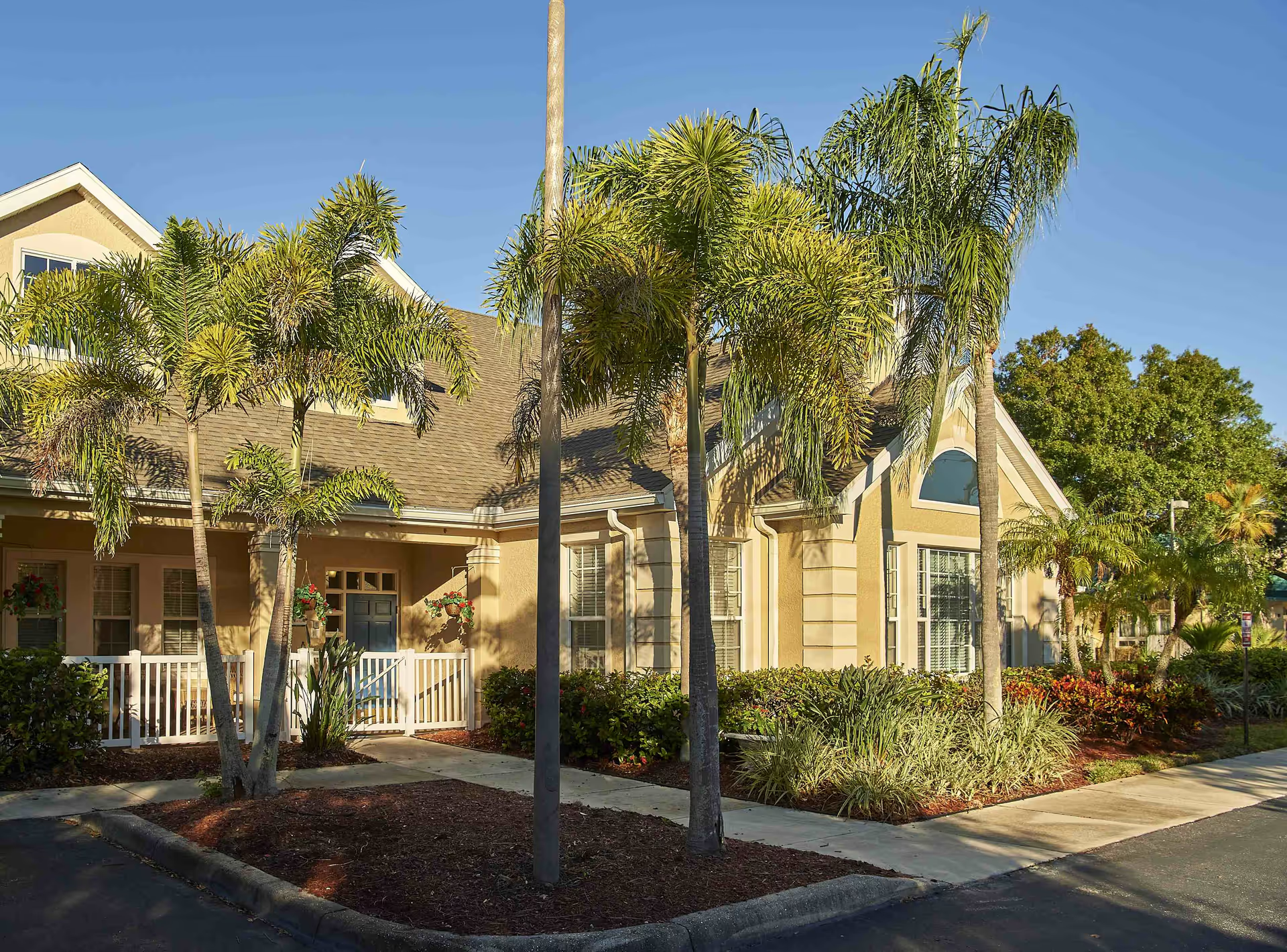
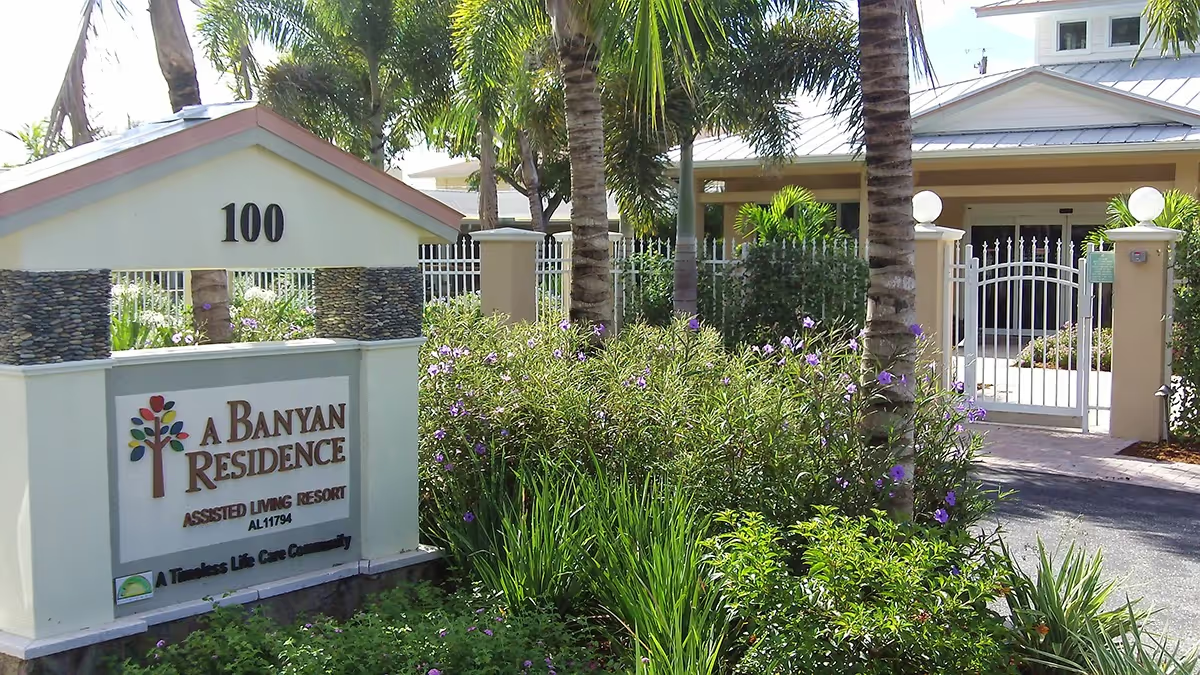
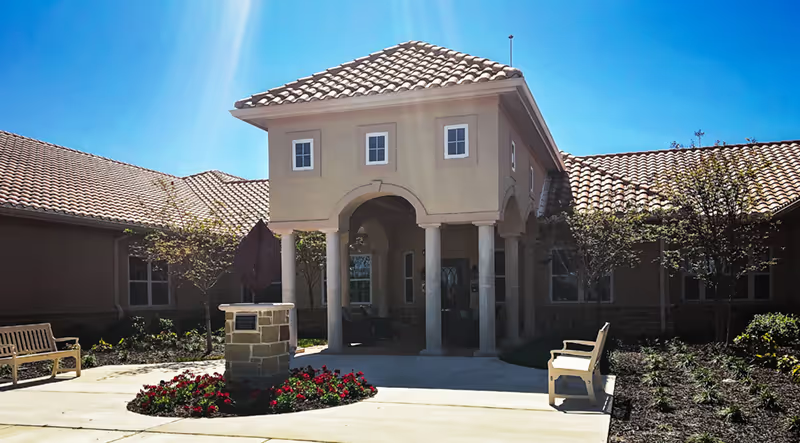
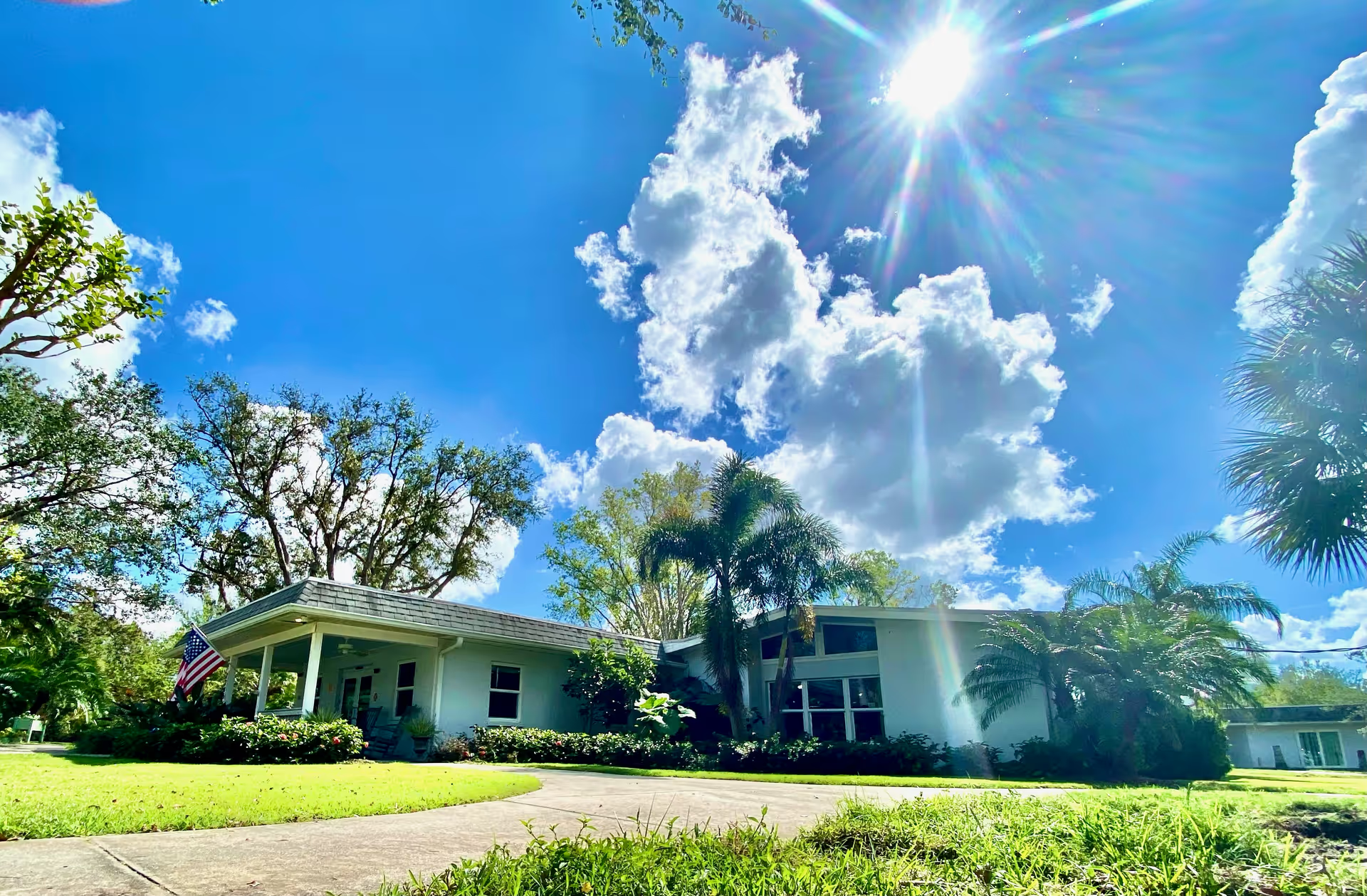
Overall impression: Gardens of Venice presents a largely attractive physical environment with many amenities and a generally clean, well-kept campus. Multiple reviewers praised the landscaping, walking paths, new or renovated building sections, and spotless common areas. Rooms are frequently described as spacious with private baths and furnished options; on-site amenities such as a salon, library, courtyard, and secured memory-care unit contribute to a residential feel.
Care and staff: Accounts of caregiving are mixed but often positive. Many families described compassionate, attentive caregivers and a family-like culture on resident floors; clinical supports such as a nurse practitioner and med clerks were singled out positively in several comments. At the same time, reviewers also described variability in staff professionalism and responsiveness—front-office interactions were sometimes characterized as rude or unhelpful, and reviewers noted staffing shortages or delays in attending to resident needs. These contrasts suggest the facility has strong direct-care personnel in many roles but inconsistent performance across departments and shifts.
Dining and activities: Dining is a prominent strength for many residents — restaurant-style service, dessert carts, and varied menus, including holiday and themed meals, were appreciated. However, reviewers also described inconsistencies in food quality and service continuity (for example, meals returned to the kitchen or served cold). Activities programming is robust, with scheduled daily events, arts and crafts, bingo, live entertainment, and special events that contribute to social engagement and improved resident mood for many.
Memory care and safety: The facility offers a locked memory-care option and security measures that some families value. Nevertheless, several comments raised concerns about the adequacy and consistency of memory-care-specific support and about operational gaps tied to transfers, identification, and protocol adherence. There were also isolated but serious anecdotal incidents that point to potential weaknesses in medication administration and transfer/security procedures; these suggest the need for careful family inquiry into clinical controls and handoff protocols before placement.
Management, administration, and transparency: Administrators and some admissions staff were described as accessible and supportive by numerous families, and proactive maintenance and helpful housekeeping were noted as strengths. Conversely, there are recurring complaints about inconsistent communication from management, opaque fee structures, deposit handling problems, and outdated administrative systems (paperwork/bookkeeping). Tour experiences vary in informational quality, and language-access limitations were mentioned as a barrier for some prospective residents.
Patterns and decision guidance: Reviews are polarized — many families express high satisfaction with care, staff attentiveness, cleanliness, and programming, while other families report serious operational concerns that affected their confidence in the facility. Prospective residents and families should weigh the facility’s clear strengths (environment, activities, and many direct-care staff) against the noted operational weaknesses (communication, administrative transparency, staffing consistency, and specific clinical-control gaps). Recommended next steps before making a placement decision include: in-person observation across multiple times of day, direct questions about medication-management protocols and staff ratios, written clarification of fees and deposit policies, and confirmation of memory-care staffing and transfer procedures.