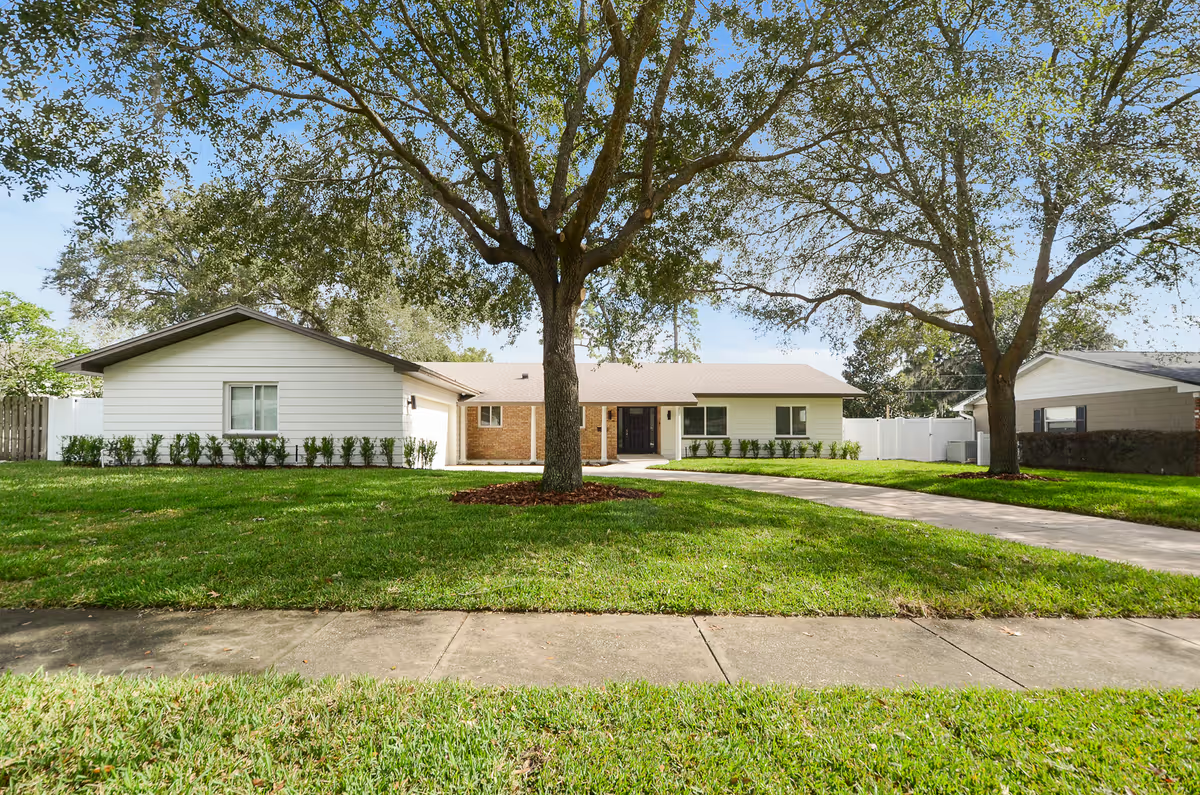
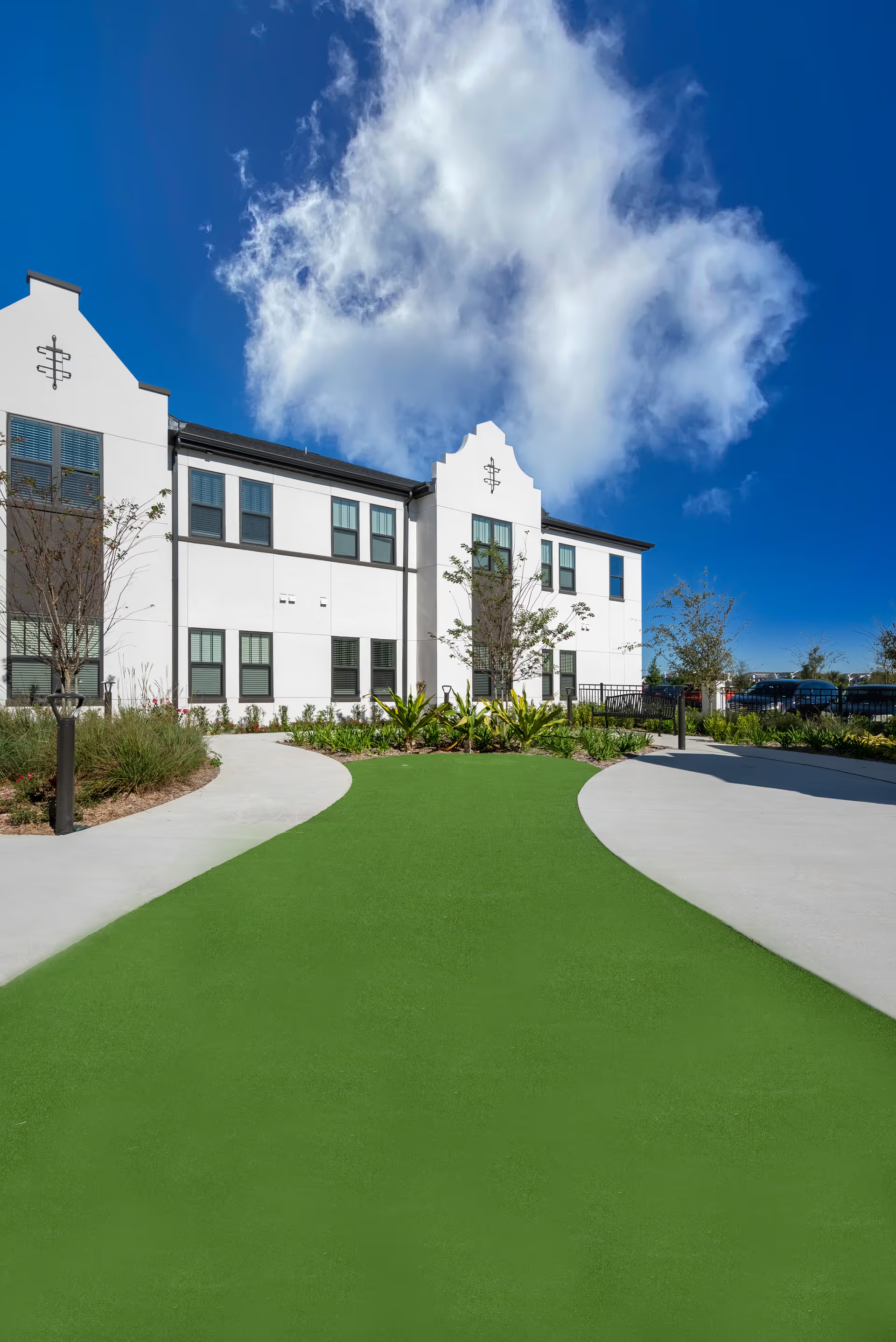
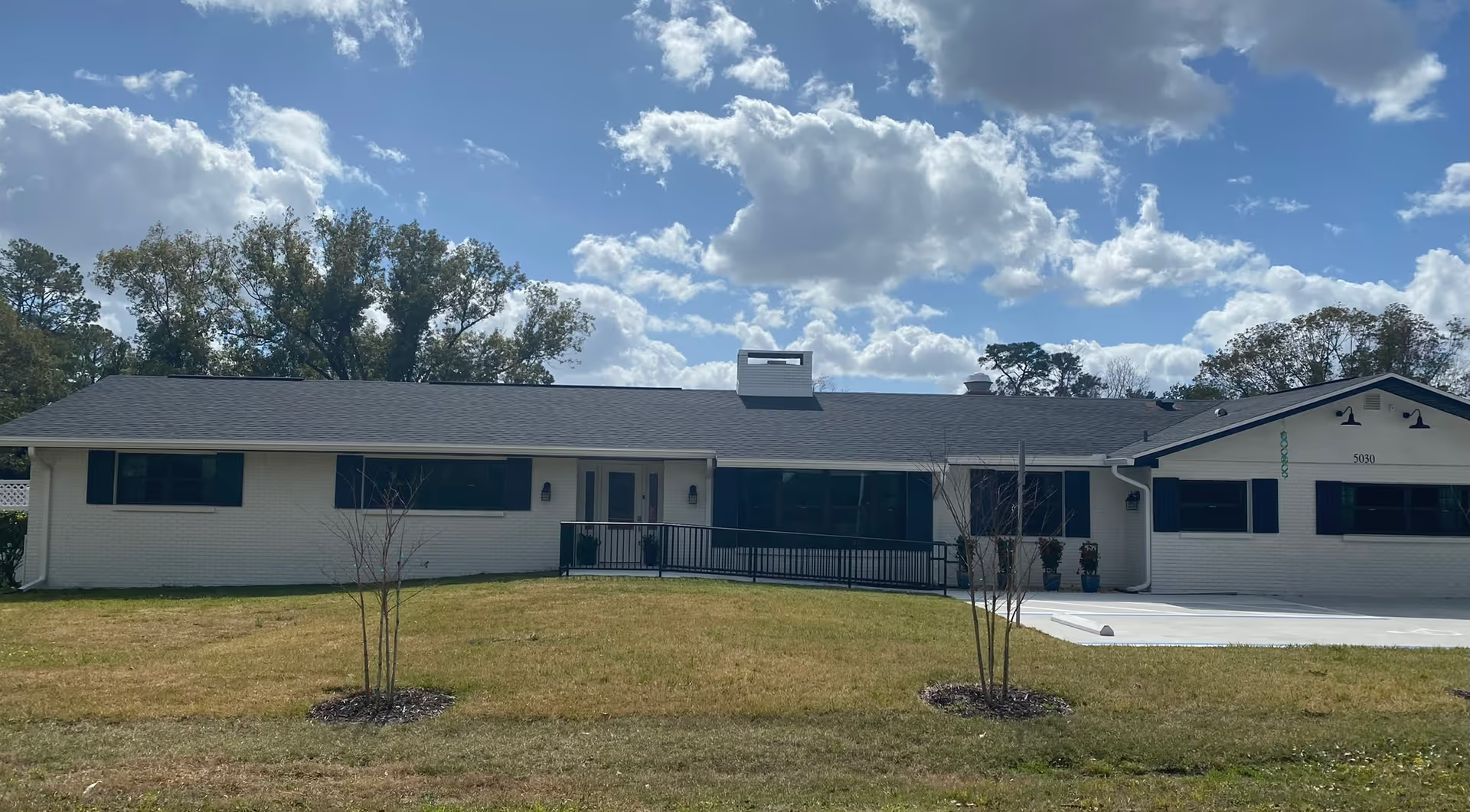
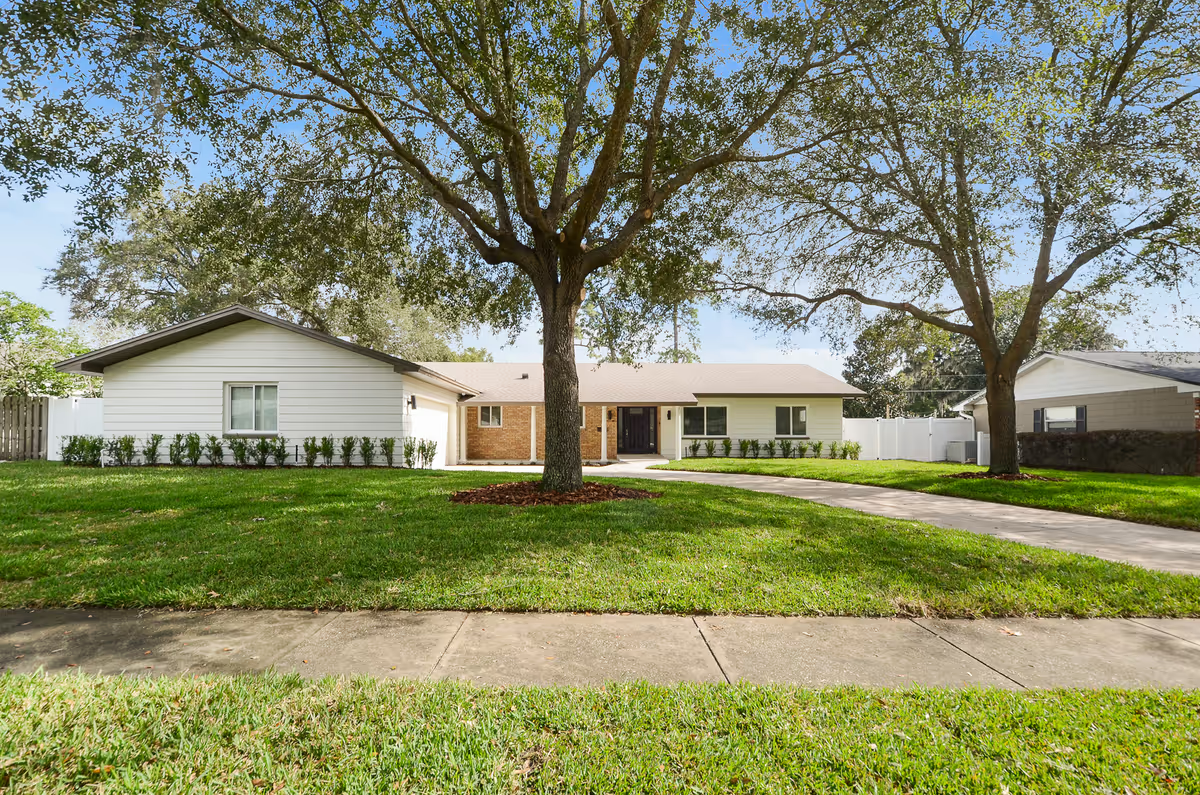
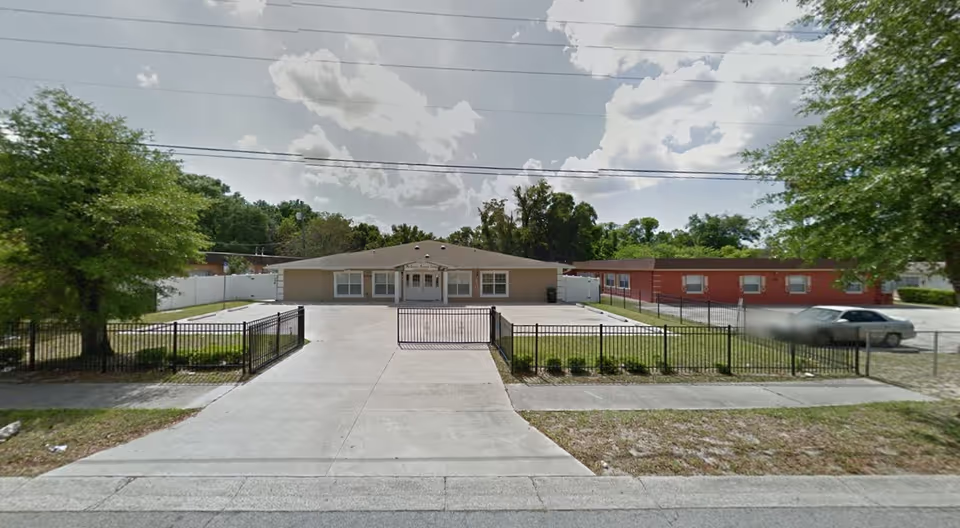
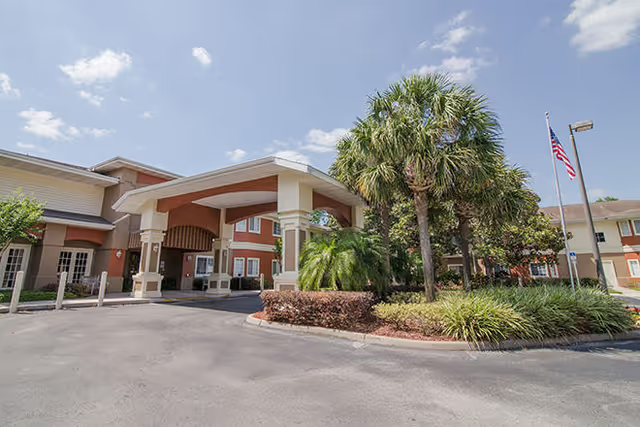
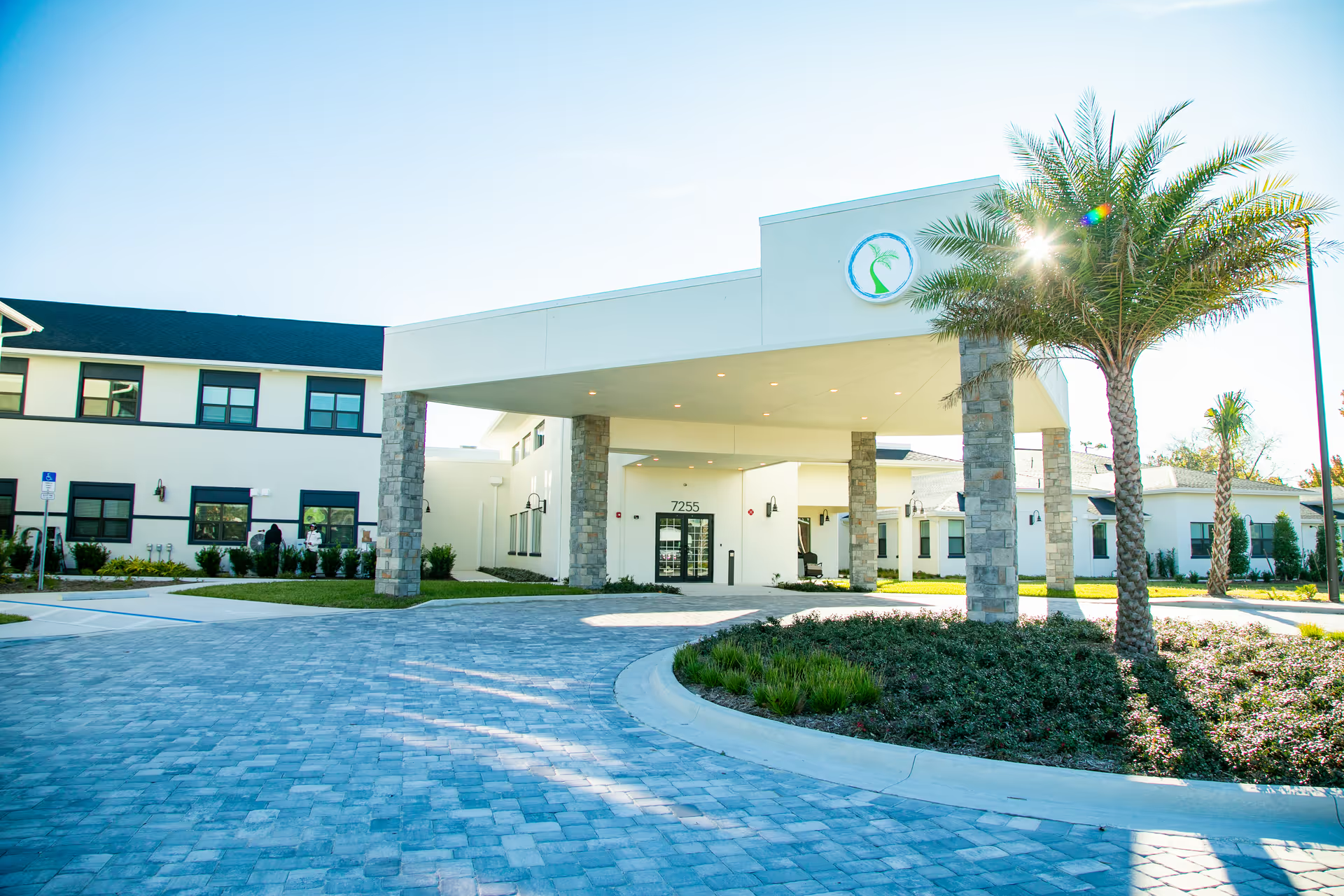
Aasbury Manor Assisted Living is described as a small, well-kept community with a strong emphasis on social engagement and resident independence. Reviewers consistently note attractive common areas and dining rooms, maintained grounds, and an environment that many residents and families find comfortable and home-like. The community offers full-service amenities—regular meals and snacks, housekeeping, nursing oversight, wellness programming—and a range of social and recreational opportunities including exercise classes, arts and games, and off-site outings. These program elements contribute to an active communal atmosphere and appear to support residents who are motivated to socialize and participate.
Staff and day-to-day care are frequently praised for compassion and dedication. Many comments emphasize a team that is willing to assist beyond baseline expectations, creating a warm and interactive atmosphere. Management involvement in coordination of care is reported positively in several accounts, and some families noted improvements under recent ownership changes. Cleanliness, courteous interactions, and a client-focused approach are recurring positive themes.
Despite the strengths, a pattern of operational concerns appears in the reviews. Several items point to weaknesses in how the facility documents and communicates clinical incidents and care decisions: delays or gaps in incident reporting to families, unclear therapy or physician orders, and inconsistent documentation around transfers or clinical changes. Related to this, reviewers describe variable management responsiveness and, in some cases, a confrontational communication tone when families inquire about care decisions. Billing practices and unexpected rate increases have also been a source of dispute and frustration for some families; reviewers identify a need for clearer advance notice and transparent billing policies.
Safety-related processes are another area for closer review. The reviews suggest potential deficiencies in fall-prevention and transfer-safety practices and uneven handling of care transitions (for example, transitions to higher-level care or hospital transport). These issues are described at the operational level rather than as universal failures, but they are consequential and warrant direct inquiry from prospective families.
For prospective residents and family members considering Aasbury Manor, the facility's social programming, physical environment, and many staff behaviors are clear strengths. At the same time, families should ask specific questions about incident-notification protocols, fall-prevention measures, the process for clinical orders and therapy documentation, and the facility's billing and rate-change policies. Requesting written policies and examples of care-transition procedures, and meeting with the nursing/management team to discuss communication expectations, will help clarify whether the facility's operational practices align with a family's priorities.