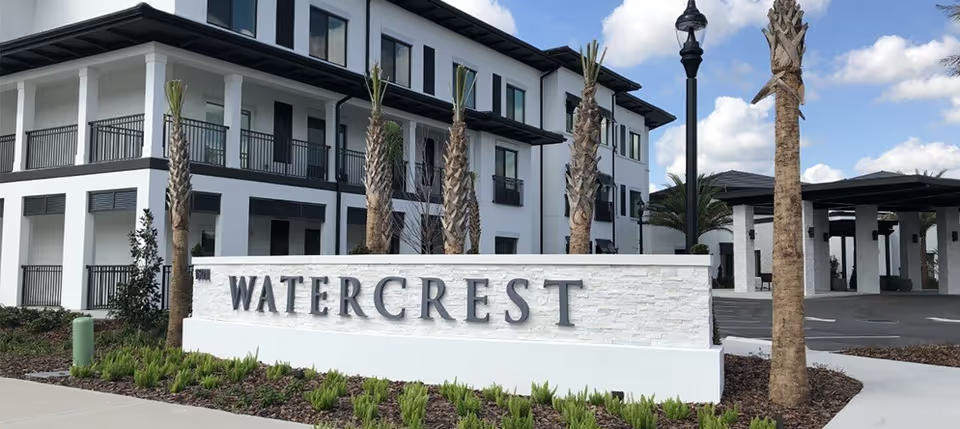
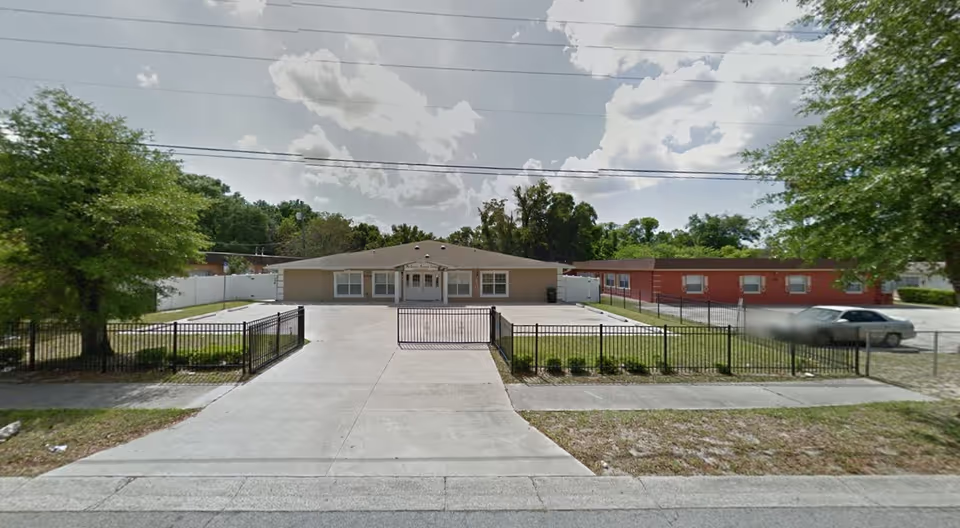
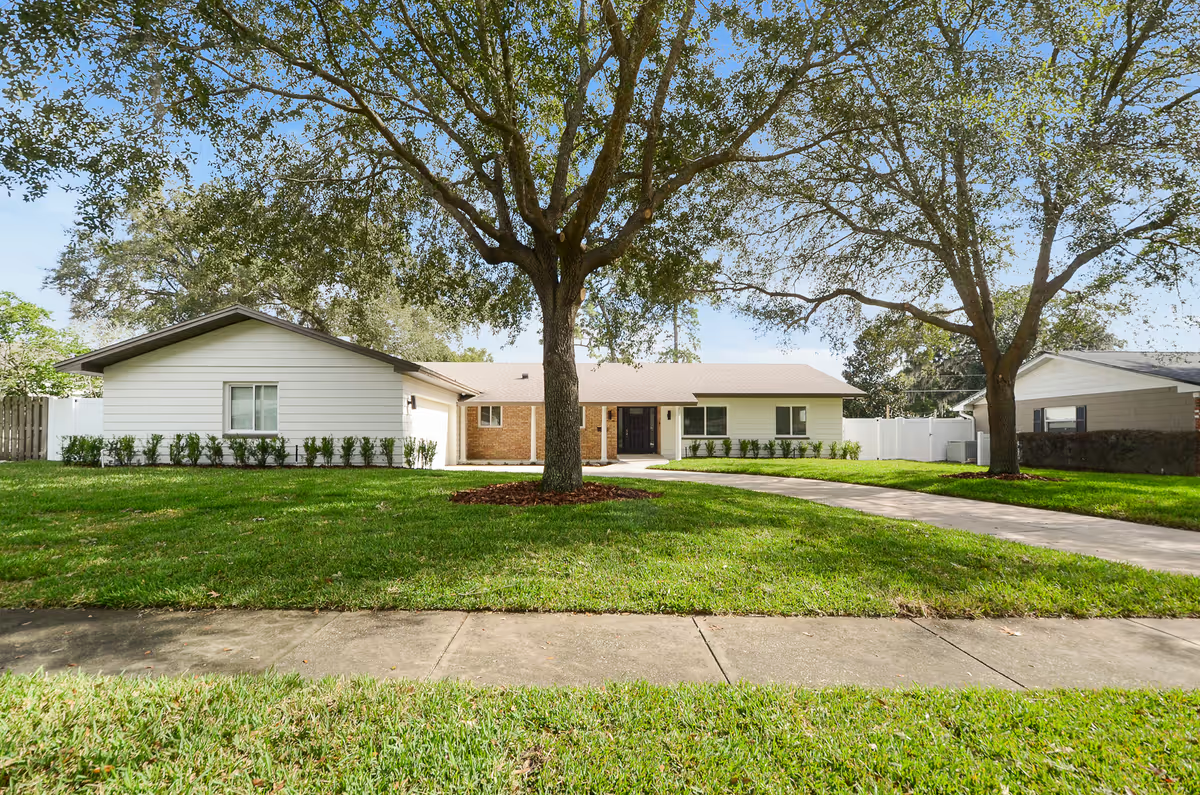
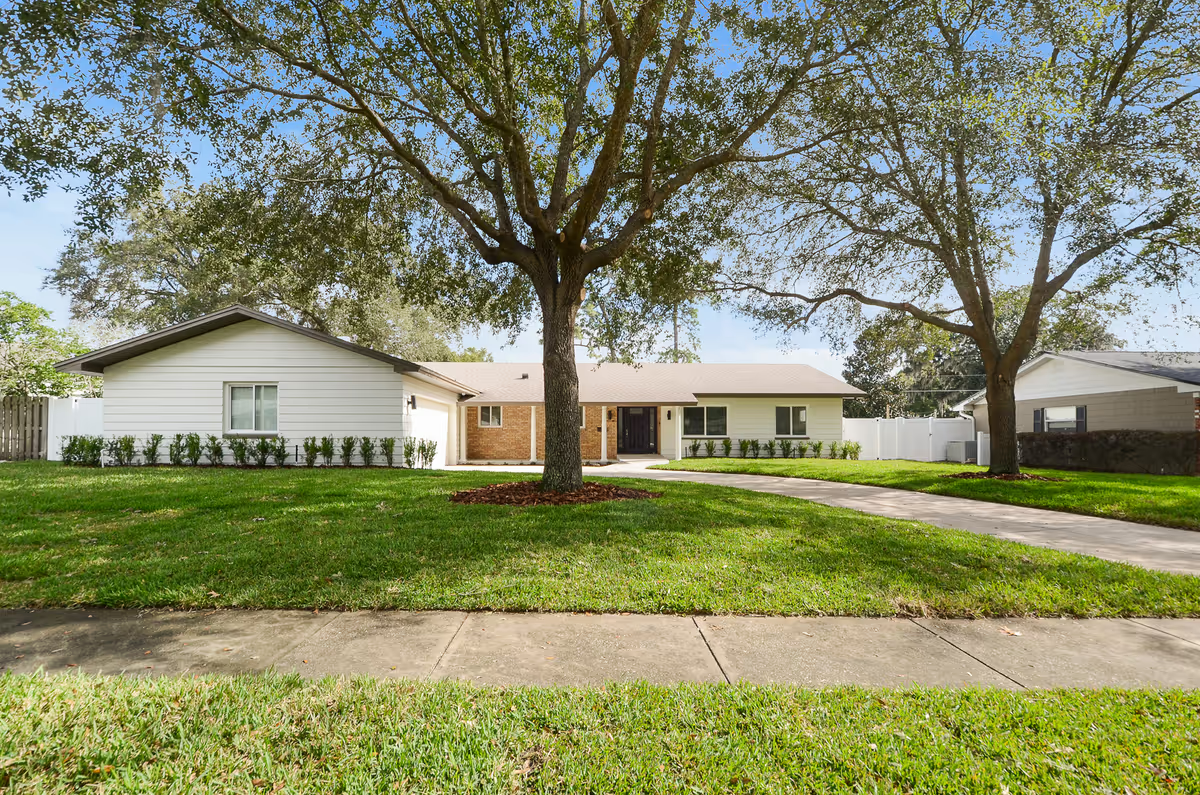
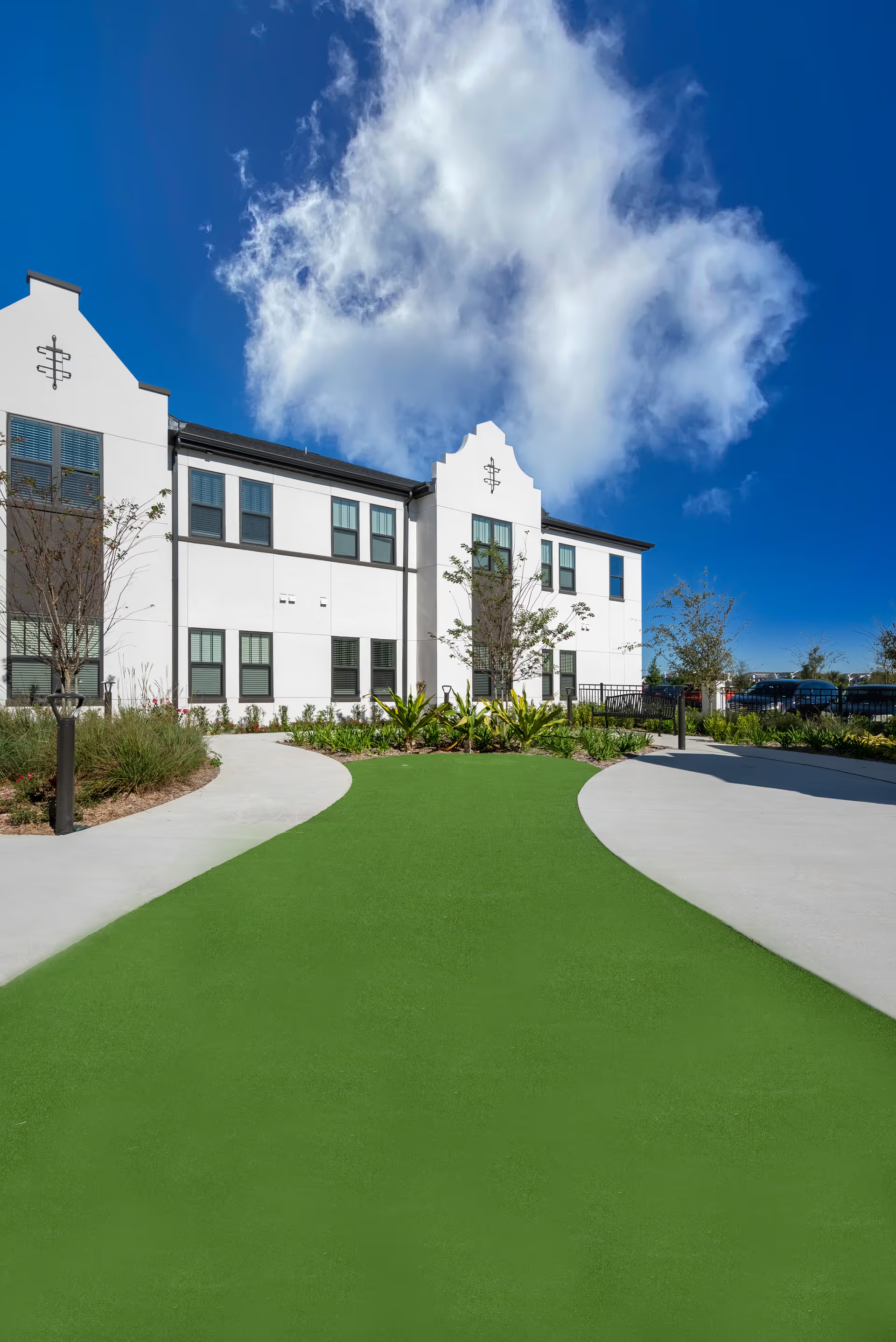
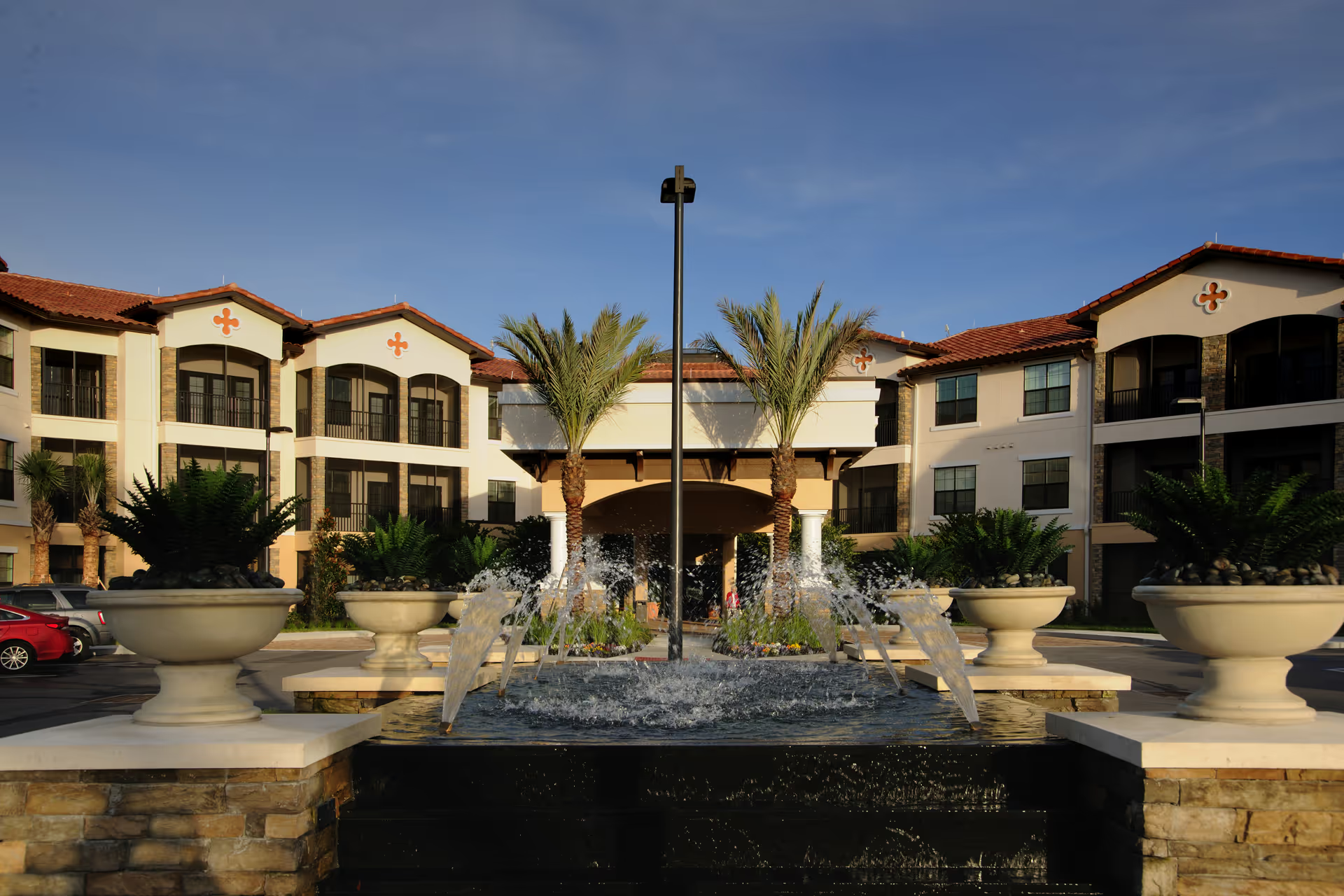
Overall impression Sonata by AgeWell Solvere Living presents a mix of well-regarded amenities and operational challenges. Reviewers consistently praise the physical environment and program offerings: the building is described as clean, pleasantly scented, and furnished with a home-like layout and well-appointed common areas. Private rooms are characterized as spacious and often include accessible in-room showers. Dining, therapy services, and activity programming receive frequent positive mention — food quality, meaningful activities, and on-site physical and occupational therapy are cited as definite strengths that contribute to resident quality of life.
Care quality and staff Feedback on staff is mixed but leans positive regarding interpersonal qualities. Many families and residents describe staff as compassionate, professional, and welcoming, and several accounts note that interactions can restore a sense of normalcy and engagement for residents. At the same time, substantive operational concerns emerge around care delivery: reviewers describe inconsistent staffing levels that correlate with delays in routine personal-care tasks (particularly assistance with dressing and bathroom needs during morning and nighttime hours). There are also repeated comments about limited staff responsiveness and difficulties communicating with personnel, which suggests variability in day-to-day care reliability despite generally positive staff attitudes.
Dining, activities, and therapies Dining and programming are clear strengths. The facility’s meals and activity calendar are highlighted as contributing to an enhanced lifestyle, and on-site rehabilitation services are noted as effective and accessible. These offerings are likely to be a strong fit for prospective residents who prioritize social engagement, structured programming, and access to therapy services.
Facilities and infection control Physical facilities are consistently described as attractive and comfortable: a homelike atmosphere, spacious rooms, and accessible bathing are recurring positives. However, some families raised concerns about infection-control practices and visitor safety related to COVID-era protocols. Those concerns center on how infection-control measures are communicated and implemented rather than the appearance of cleanliness itself.
Management, fees, and communication A notable pattern concerns administration and policy. Several reviewers expressed dissatisfaction with management responsiveness and cited difficulty reaching the facility by phone. There are also consistent remarks about additional charges for many forms of assistance, creating questions about transparency and the affordability of needed services. Opinions about leadership diverge — while some praise operations and customer service commitment, others explicitly criticize management — indicating uneven experiences with administrative oversight.
Practical takeaways for families The facility offers attractive amenities, strong programming, and therapy services that many families value. At the same time, prospective residents and their families should clarify operational details before committing: verify typical staffing levels across shifts, ask for written explanations of fee structures for assistance and therapies, review infection-control protocols and visitor policies, and confirm preferred methods and expectations for family communication and escalation. Observing a shift change and speaking with current families about their recent experiences can help assess consistency in care delivery and management responsiveness.